Types of drywall in Western MA goes over the variety of drywall that is used in Western Massachusetts on remodel and new home construction
Jason Lebeau from MrWalls Drywall & Painting
Jason has been a drywall contractor for 25 years. He is the owner of MrWalls Drywall & Painting in Chicopee Massachusetts, and still works in the field daily.
Types Of Drywall in Western Ma
Not all drywall is the same. While many homeowners think "drywall" means a basic gypsum board, there are actually several types made for different environments. Knowing these differences can help you make smarter choices.
Regular vs Specialty Boards
The most common type, often called “regular” drywall, is a gypsum-core panel used for interior walls and ceilings. It’s affordable and widely available.
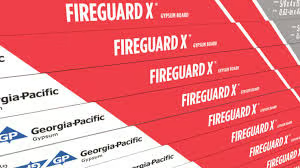
Specialty boards, however, are designed for specific conditions. These include moisture-resistant, mold-resistant, fire-rated, and soundproof varieties. For example, “green board” handles moisture better, and “Type X” is made to resist fire for longer.
If you're dealing with high humidity, meeting fire codes, or trying to reduce noise, choosing a specialty drywall makes sense.
Moisture-Resistant & Mold-Resistant Options
In moisture-prone areas like basements, bathrooms, and shower areas, it’s smart to install moisture-resistant drywall. Options like “green board” or “purple board” offer resistance to mold and mildew.
These boards aren’t waterproof, so you’ll still need cement backer board for tiled shower walls, but they do offer better protection against dampness.
Fire-Rated & Soundproof Drywall
Fire-rated drywall, often used between a garage and a living area or between units in a multi-family building, is thicker and contains glass fibers to slow down fire spread.
Soundproof drywall, denser or sometimes laminated and is useful for reducing noise between rooms or floors.
Drywall Thickness Options
Drywall thickness affects everything from cost and weight to performance and code compliance. Here's a breakdown:
¼″ and ⅜″ Panels
These thin boards are used for overlays or curved surfaces, not full walls. ⅜″ was more common in the past, but ½″ is now the standard for most applications.
½″ Panels The Standard
½″ drywall is the go-to for interior walls and standard ceilings. It’s easy to handle, strong enough for most jobs, and code-compliant.
⅝″ Panels
These are thicker, more fire-resistant, more rigid (especially for ceilings), and better at blocking sound. If your ceiling joists are spaced 24″ apart or you’re building to meet a fire rating, ⅝″ is often the better choice.
Local Considerations in Western MA
Building Code
Massachusetts requires fire-rated or type X drywall in certain situations, such as common walls or garage-living space barrier walls. If you're converting a room above the garage to living space, Install 5/8 type X on the ceiling.
Climate Factors
Western MA experiences humidity, cold, and occasional basement dampness. Moisture-resistant drywall and proper insulation, ventilation, and vapor barriers are especially important here.
Old vs. New Homes
Older homes in Western MA may have irregular framing or lath-and-plaster walls. You may want to use longer drywall panels (like 4′×12′) to reduce seams or go with ⅝″ for extra stiffness. In newer homes, standard ½″ panels usually work fine.
Choosing the Right Drywall by Room
Stick with ½″ regular drywall unless you need extra soundproofing. Then consider ⅝″ or a specialty acoustic panel.
Ceilings and High-Traffic Walls
Use ⅝″ drywall for ceilings, especially with joists 24″ apart, to avoid sagging. The same goes for walls that’ll hold heavy items like shelves or a mounted TV.
Stagger joints and use full boards to reduce seams.
Place tapered edges at seams for smoother finishing.
Finishing
After hanging, tape seams (paper or mesh), apply joint compound, dry, then sand smooth. In humid or cold conditions that are common in Western Massachusetts, be mindful of drying time.
Cost & Budgeting Tips
Material Cost
⅝″ and specialty boards cost more than ½″ regular drywall, but they bring added safety and performance.
Labor & DIY
Thicker boards are heavier and slower to install. If DIYing, get help with 4 ′ × 12 ′ sheets. Expect higher labor costs if hiring pros.
Waste
Buy about 10% extra to account for cuts, breakage, and mistakes. Longer panels cost more but reduce seams (and labor).
Avoid These Common Mistakes
Using Thin Boards Where You Shouldn’tDon’t use ½″ for ceilings with 24″ joists or heavy loads, it may sag or crack.
Skipping Moisture or Fire ProtectionUsing standard drywall in a wet or fire-rated area invites future problems, or code violations.
Incorrect Screw Spacing or HangingFollow proper techniques and spacing to avoid issues like bulging or pullouts.
Too Many SeamsMore seams = more cracking. Use longer boards when possible and stagger joints.
When should I use ⅝″ drywall?Use it for ceilings with wide joist spacing, fire-rated walls, or where soundproofing is needed.
Do I need moisture-resistant drywall in a basement? Yes, especially in humid conditions or if the basement includes a laundry or bathroom.
What’s required between a garage and a living space? The Massachusetts building code usually requires ⅝″ fire-rated drywall (Type X).
Can I save by using thinner drywall everywhere? It may save money upfront, but it can cost more in repairs or code issues later.
How many screws per drywall panel?Depends on thickness and spacing. For ½″drywall on 16″ studs, screws should be 8″–12″ apart.
Final Thoughts
Picking the right drywall means considering code, climate, and the specific needs of your project. In most cases, ½″ is fine. But when you need moisture protection, fire resistance, or noise reduction, step up to ⅝″ or specialty boards. Combine this with smart installation, and you’ll have a long-lasting, code-compliant wall or ceiling that performs well for years.