Holes, cracks, dated ceilings, water stains, or simply a new color? MrWalls Painting handles the drywall work and the finishing paint, so you don’t have to coordinate two contractors.
Owner-operated25 years of experienceClean, protected work areas
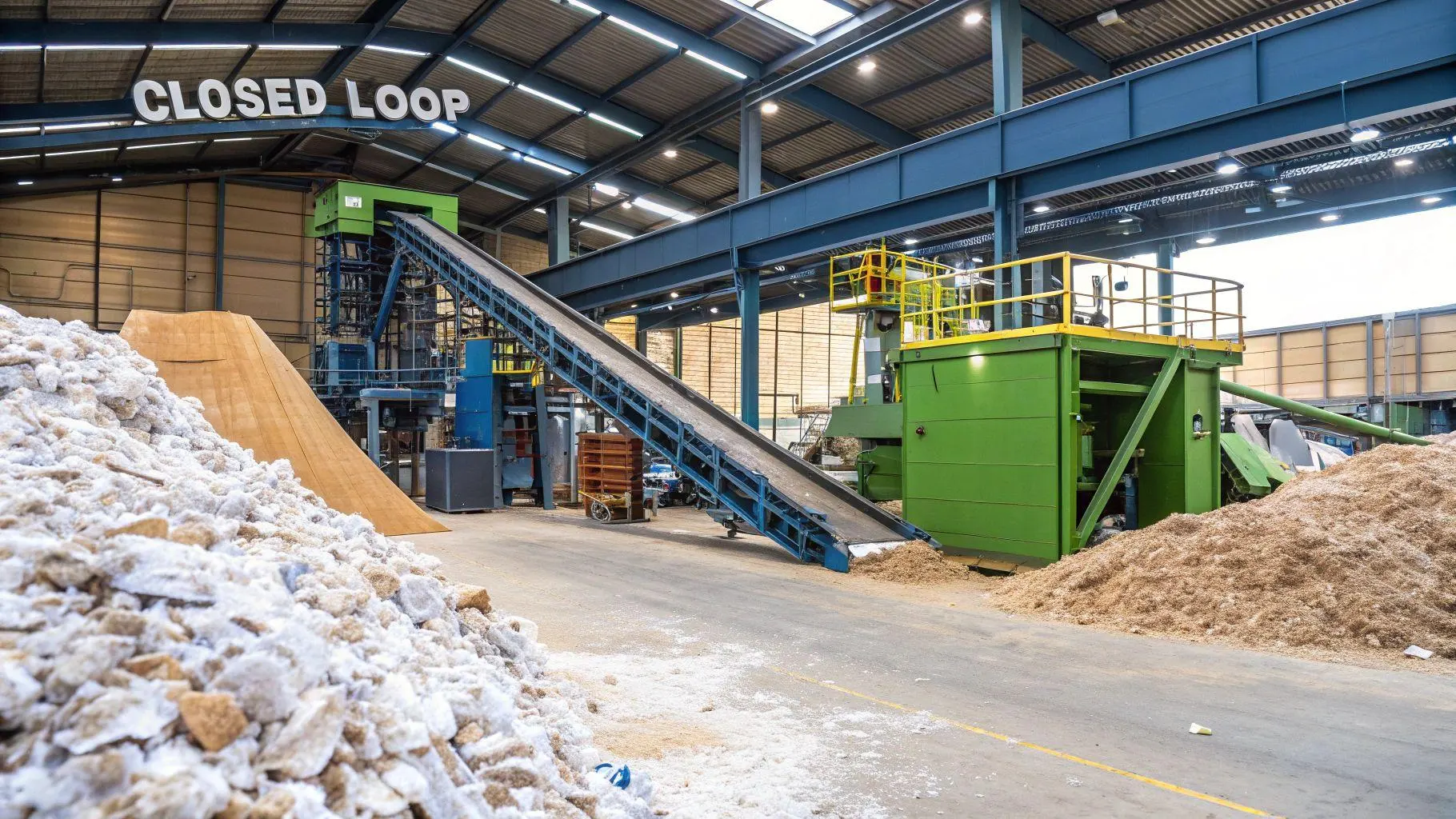
Recycled Drywall Plant Quebec Plant will save 80,000 tons from the landfill.
CertainTeed launches a major drywall recycling program in Quebec that could keep up to 80,000 metric tonnes of gypsum waste out of landfills every year.
Every year, thousands of homes and commercial buildings undergo renovations that involve removing old drywall. Whether it's a kitchen remodel, basement renovation, water damage repair, or complete demolition, the process generates large amounts of drywall waste.
But have you ever wondered what happens to all that discarded drywall?
For decades, much of it has ended up in landfills. Now, building materials manufacturer CertainTeed is taking steps to change that.
In September 2026, CertainTeed Canada, a subsidiary of Saint-Gobain, announced a new gypsum recycling program in Quebec that could divert up to 80,000 metric tonnes of drywall waste from landfills annually once it reaches full capacity. Instead of being buried underground, recovered gypsum will be processed and used to manufacture new drywall panels.
fr.saint-gobain-northamerica.ca+1
A New Life for Old Drywall
Drywall, also known as gypsum board or Sheetrock, is one of the most widely used building materials in North America. It covers the walls and ceilings of millions of homes, apartments, offices, and commercial buildings.
A standard drywall panel consists of a gypsum core sandwiched between layers of paper. Gypsum is a naturally occurring mineral that can be processed into building materials.
One of the interesting properties of gypsum is that it can be recycled repeatedly without losing the characteristics that make it useful in drywall manufacturing.
When drywall is removed from a building or leftover pieces are collected during construction, the gypsum can potentially be recovered, processed, and returned to the manufacturing process.
Instead of following a straight path from manufacturer to construction site to landfill, gypsum can move through a continuous cycle of use, recovery, and reuse.
This process is often called a circular economy, where materials are kept in use rather than discarded after their first application.
CertainTeed's New Quebec Recycling Facility
The new CertainTeed Recycle program operates at the company's drywall manufacturing plant in Sainte-Catherine, Quebec, located south of Montreal.
Following a successful pilot project with the city of Sainte-Catherine, the facility received authorization from Quebec's environmental authorities to accept clean gypsum waste for recycling.
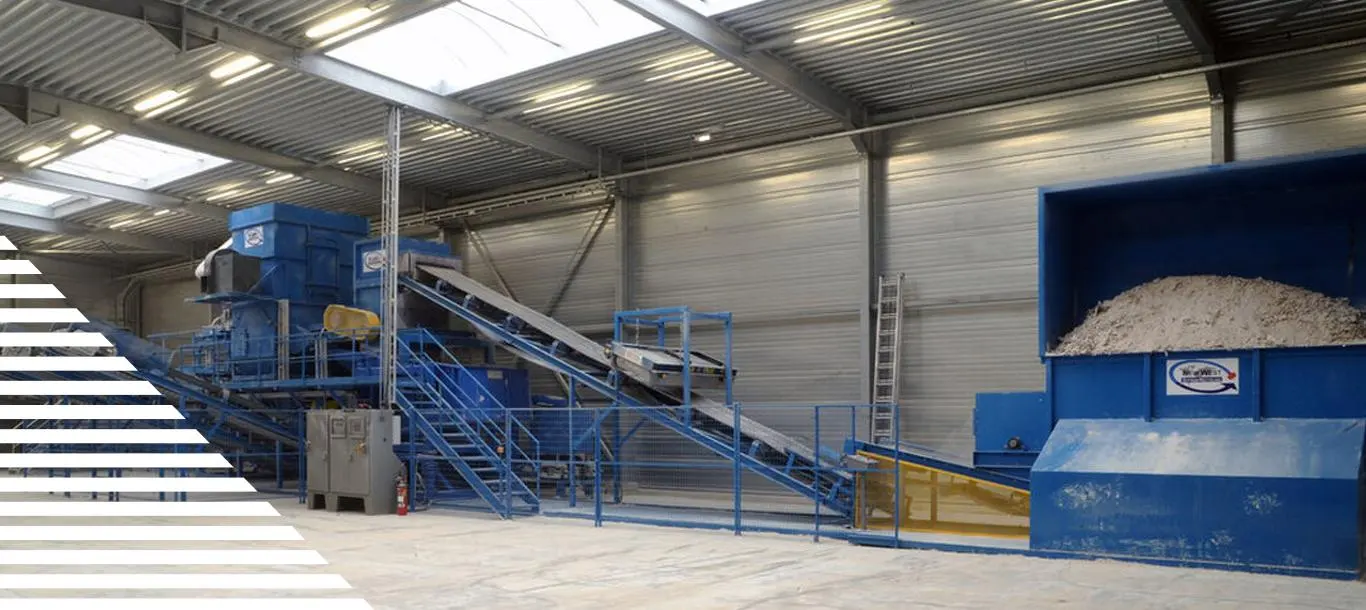
CertainTeed partnered with New West Gypsum Recycling, a company specializing in recovering and processing discarded gypsum products. New West operates the recycling line at the plant.
The facility is permitted to handle up to 80,000 metric tonnes of gypsum waste annually when the program reaches full maturity. That is approximately 88,000 U.S. short tons.
According to RECYC-QUÉBEC, approximately 250,000 metric tonnes of gypsum waste are sent to landfills across the province each year. If the new program reaches its full annual capacity, it could divert an amount equivalent to roughly 32% of that current waste volume.
POTENTIAL ANNUAL DIVERSION
80,000
Metric tonnes of gypsum waste
SHARE OF CURRENT WASTE
32%
Of Quebec's annual landfill gypsum volume
Figures represent permitted potential capacity, not confirmed annual recycling results. Source: Saint-Gobain Canada and RECYC-QUÉBEC.
How Is Old Drywall Recycled?
Recycling drywall requires more than simply crushing discarded wallboard. The material must be collected, separated, and processed so the recovered gypsum is suitable for manufacturing new panels.
The process generally involves four main steps.
1. Collecting clean drywall waste
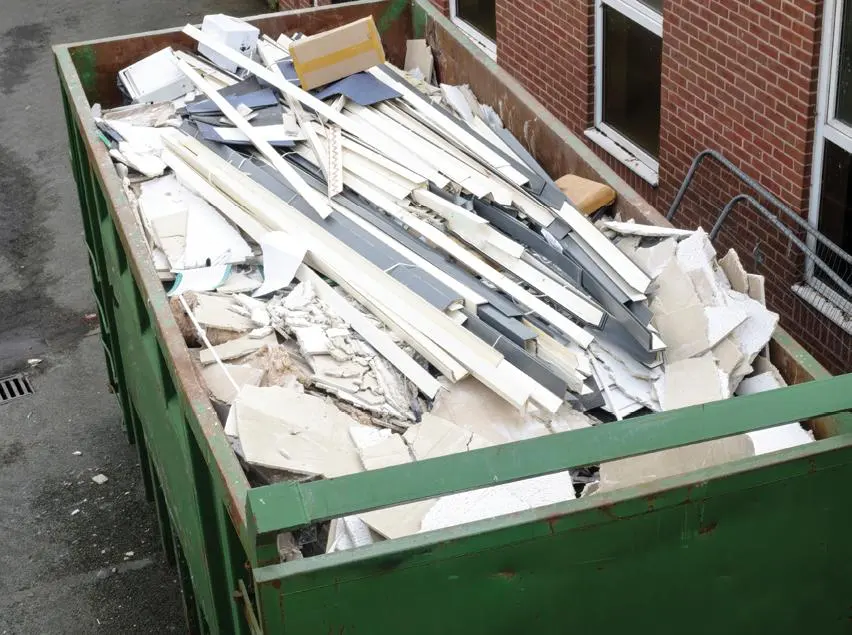
Contractors separate eligible drywall scraps from other construction debris. Clean gypsum waste can come from leftover installation materials and other accepted sources. Keeping the material free of contamination is essential.
2. Separating gypsum from paper
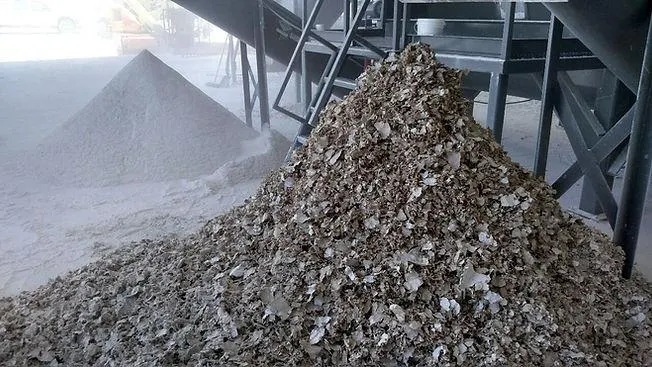
The drywall passes through specialized processing equipment that breaks down the panels and separates much of the gypsum core from the paper facing and other unwanted materials.
3. Processing recovered gypsum
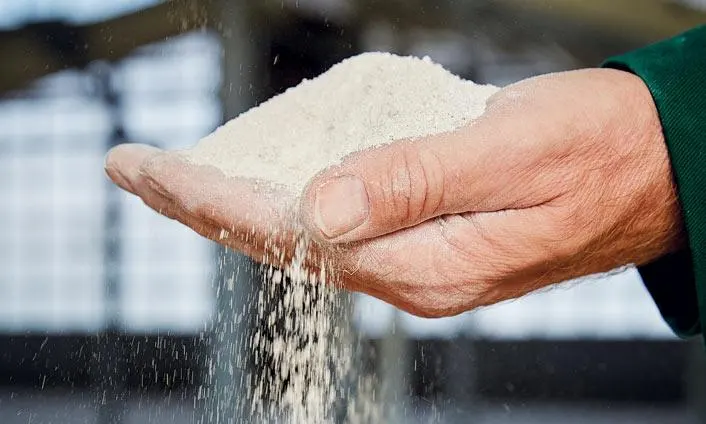
The recovered gypsum is reduced and prepared to meet manufacturing requirements. Proper sorting and processing help maintain the quality of the finished drywall.
4. Manufacturing new drywall
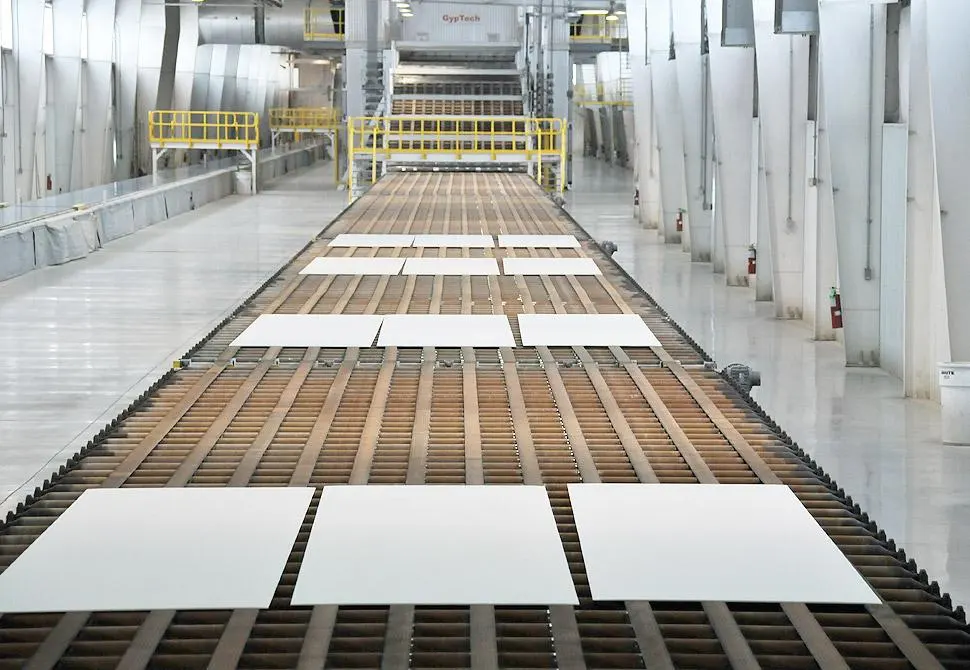
The recovered gypsum is incorporated into the production of new wallboard, reducing the need for newly mined raw materials. The finished panels can then return to construction projects.
CertainTeed states that properly sorted gypsum can be recycled repeatedly and reintroduced into wallboard manufacturing without compromising the product's performance.
Why Keeping Drywall Out of Landfills Matters
Drywall might not appear particularly harmful when compared with chemicals, paints, or other construction waste. However, disposing of large quantities of gypsum in landfills creates several environmental concerns.
One problem involves hydrogen sulfide gas.
Under certain landfill conditions, microorganisms can break down sulfate compounds in gypsum and produce hydrogen sulfide. This gas has a characteristic rotten-egg odor and can create problems for landfill operations.
Hydrogen sulfide can also contaminate landfill gas collection systems and contribute to corrosion.
Beyond these concerns, drywall occupies valuable landfill space. Construction and demolition debris already accounts for a substantial amount of material requiring disposal.
Recycling gypsum addresses several problems at once:
Reduces the amount of construction waste entering landfills.
Conserves natural gypsum deposits by replacing some newly mined material.
Recovers useful building materials instead of discarding them.
Helps reduce environmental impacts associated with raw material extraction and waste disposal.
Recycling also creates opportunities for construction companies to reduce the amount of waste generated by their projects.
Not All Old Drywall Can Be Recycled
Although gypsum itself is highly recyclable, not every piece of discarded drywall is suitable for recycling.
CertainTeed's program emphasizes collecting clean gypsum waste that has been separated from other building materials.
Its published recycling guidelines accept several types of gypsum board, including standard, fire-resistant, mold-resistant, water-resistant, and impact-resistant products.
However, the program does not accept demolition waste or drywall contaminated with materials such as adhesives, sealants, finishing products, wood, metal components, flooring, and other debris. Drywall screws are an exception under its general guidance.
This distinction is particularly relevant to homeowners having drywall removed during renovations.
For example, clean drywall scraps left over after installing new panels may be excellent candidates for recycling. Old drywall removed during demolition may contain layers of paint, joint compound, adhesives, insulation, or other materials that make recovery more difficult.
Water-damaged drywall presents additional concerns, especially when contamination or mold is involved.
For these reasons, homeowners should never assume that drywall removed during a remodeling or restoration project can automatically be recycled.
Local recycling facilities establish their own acceptance requirements, and contractors must follow those guidelines.
Making Drywall Recycling Easier for Contractors
One of the biggest challenges with recycling construction materials is making collection convenient and affordable.
If a contractor has to transport drywall scraps long distances or pay significantly more than ordinary disposal costs, recycling becomes less practical.
CertainTeed's Quebec initiative addresses this challenge by establishing collection containers at selected building material distributors around Montreal's South Shore.
Participating contractors can deposit eligible clean gypsum waste at no charge.
The company is also working with construction firm Pomerleau to collect drywall waste from job sites and is seeking additional contractors interested in participating.
By placing collection points at building supply locations, the program makes it easier for contractors to recycle leftover drywall during their normal workday.
A contractor purchasing drywall for a new project may be able to drop off eligible scraps from a previous job rather than transporting those materials to a landfill.
Building on a More Sustainable Drywall Manufacturing Plant
The recycling initiative is part of a larger effort by Saint-Gobain to reduce the environmental impact of its manufacturing operations.
In September 2025, CertainTeed completed major upgrades to its Sainte-Catherine facility, converting its manufacturing processes to operate entirely on renewable electricity.
According to Saint-Gobain, the improvements reduced energy consumption by up to 30% and lowered annual carbon dioxide emissions by approximately 44,000 metric tonnes.
The company describes the facility as North America's first zero-carbon gypsum wallboard plant for Scope 1 and Scope 2 emissions. This designation concerns direct operational emissions and emissions associated with purchased energy. It does not mean every stage of manufacturing and transporting drywall has zero carbon emissions.
Adding recycled gypsum to the manufacturing process is another way to reduce the environmental footprint of the products being manufactured.
What Does This Mean for Drywall Contractors in Massachusetts?
Although CertainTeed's new program is based in Quebec, it represents a development worth watching throughout the North American drywall industry.
Every drywall contractor generates 10 - 15% waste from the scrap ends, along with door and window cutouts. Installing new panels produces offcuts, while remodeling and repair work may require removing damaged or outdated materials.
For contractors working in Western Massachusetts, including Springfield, Chicopee, Holyoke, Westfield, and surrounding communities, drywall disposal is a routine part of the business.
The Quebec program does not establish a new recycling drop-off location in Massachusetts. However, it demonstrates how drywall manufacturers and recycling companies closer to us in New York and Pennsylvania can work together to recover materials that would otherwise be discarded.
As more recycling infrastructure becomes available, contractors may have additional opportunities to separate clean drywall scraps and return them to the manufacturing supply chain.
Homeowners can also help by asking their contractors how construction debris will be handled and whether local recycling options exist.
The availability of recycling services and the types of material accepted will vary by location.
The Future of Drywall Recycling
CertainTeed's recycling efforts are not starting from scratch.
The company has an established relationship with New West Gypsum Recycling in Vancouver, British Columbia. According to CertainTeed, that partnership passed the milestone of one million metric tonnes of recycled gypsum returned to production in 2023.
The Quebec expansion shows that large-scale drywall recycling can be incorporated directly into manufacturing operations.
The success of programs like this will depend on collecting sufficient quantities of clean material, providing convenient drop-off locations, and maintaining processing standards that allow recycled gypsum to be used in new drywall.
If more manufacturers adopt similar systems, recycling could become a more common part of drywall installation and renovation projects.
Where Will Your Old Drywall Go?
For most homeowners, drywall is something they rarely think about until a wall needs to be repaired or a ceiling needs to be replaced.
Once the damaged material is removed and the new drywall is installed, the old material usually disappears into a contractor's truck or a construction dumpster.
What happens next depends on the available disposal and recycling facilities.
CertainTeed's new Quebec recycling program offers a different possibility for eligible drywall waste.
Instead of ending its useful life in a landfill, the gypsum from discarded drywall can become part of a new panel, ready to be installed in another home or building.
With the potential to recover up to 80,000 metric tonnes of gypsum each year, the program represents a meaningful step toward reducing construction waste.
The next time you see a pile of discarded drywall at a construction site, remember that some of that material may still have a useful future.
About MrWalls Drywall & Painting
MrWalls Drywall & Painting provides professional drywall installation, drywall repair, ceiling repair, plaster repair, popcorn ceiling removal, and interior painting throughout Western Massachusetts.
With over 25 years of experience, we help homeowners repair damaged walls and ceilings and restore finished surfaces.
For drywall repair or installation in Springfield, Chicopee, Holyoke, Westfield, and surrounding communities, contact MrWalls Drywall & Painting.
The news information in this article is based on CertainTeed's September 10, 2026 announcement, RECYC-QUÉBEC's reporting, and CertainTeed's published gypsum recycling guidelines. The images in this article are from the pages linked below.