Paint Roller for Popcorn Ceilings
Paint Roller for Popcorn Texture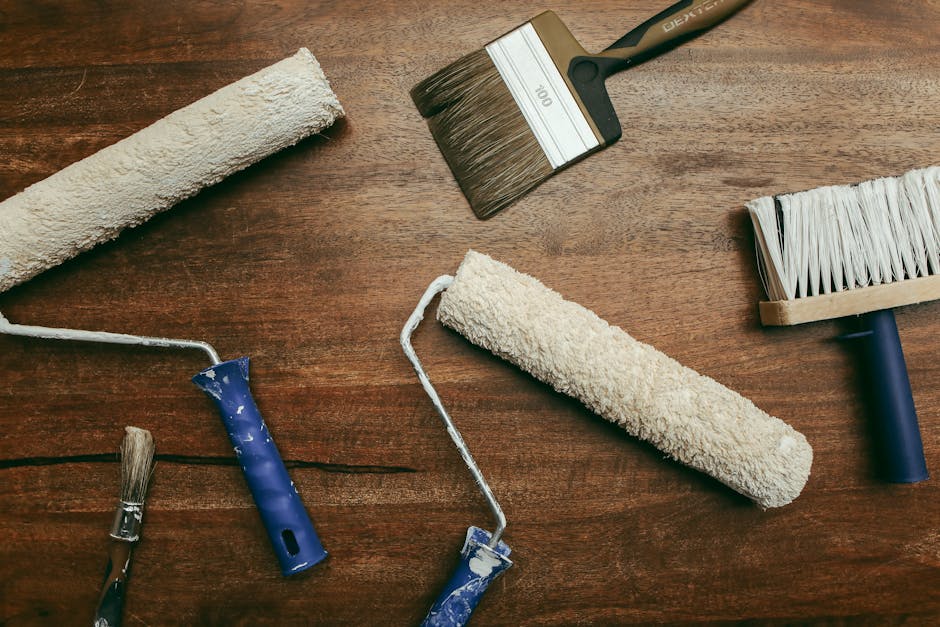
The wrong paint roller can turn a popcorn ceiling job into a mess. Too much pressure pulls the texture down. A cheap roller leaves lint behind. A roller with the wrong nap misses low spots and leaves thin coverage. Paint roller for popcorn ceiling goes into the style and methods of rolling paint onto popcorn drywall ceilings.
At MrWalls Drywall & Painting, we paint and repair popcorn ceilings the right way. That starts with the condition of the ceiling, then the roller, then the paint. All three matter.
A popcorn ceiling is not flat. The surface has peaks, low spots, loose texture, and old paint layers. A roller has to reach into the texture without tearing it up.
If the nap is too short, the roller glides over the high spots and leaves light areas below. If the nap is too heavy and the painter pushes too hard, the texture can break loose and fall.
That is why popcorn ceilings need a different setup than smooth drywall ceilings.
A thicker nap roller usually works best for a popcorn ceiling. It holds more paint and reaches deeper into the texture. In many cases, a roller in the three quarter inch to one inch nap range works better than a thinner roller.
The exact choice depends on how heavy the texture is. A light popcorn texture may take less. A heavy, older texture often needs more nap so the paint gets into the low areas.
The goal is even coverage with light pressure.
A lot of popcorn ceiling damage happens from force, not from paint. If you lean into the roller, old texture starts to loosen. That is even more common near water stains, old patches, ceiling cracks, and previous repairs.
A popcorn ceiling should be rolled gently. Keep the roller loaded enough to cover, but do not flood the surface. Let the nap do the work.
Low quality rollers can shed lint into the ceiling paint. On a flat wall, you might catch that. On a textured ceiling, lint gets stuck in the finish and stays there.
We use rollers that hold paint well, shed less, and give better coverage across rough ceiling surfaces. Our favorite roller for popcorn is a 3/4" nap microfiber roller that holds a lot of paint.
Even the right paint roller for a popcorn ceiling will not fix a bad surface.
Before painting, the ceiling should be checked for:
Loose popcorn texture
Water stains
Peeling paint
Cracks
Sagging drywall
Smoke or grease buildup
Old patch work
Soft spots from leaks
If those problems are there, repair comes first. Painting over weak popcorn usually leads to peeling, falling texture, or stains bleeding through.
Most popcorn ceilings look best with flat ceiling paint. It helps hide uneven areas and does not reflect light off every bump in the texture. A shinier paint tends to make flaws stand out more.
A thicker ceiling paint paired with the right roller gives better coverage, but the painter still needs a light touch.
A textured ceiling takes more paint than a smooth one. The roller has to cover all the raised surface and the deep low spots. That means more loading, slower work, and more splatter.
This catches a lot of people off guard. They buy enough paint for the square footage on paper, then run short because the ceiling texture uses more material than expected.
The roller handles the field of the ceiling, but the edges still need careful brush work. Around walls, crown, light fixtures, and vents, a sloppy cut line stands out fast.
On textured ceilings, edge work matters more because the rough finish already has enough visual movement. Clean lines keep the job looking finished.
We get calls after popcorn ceiling paint jobs go wrong. The common issues are bare spots, roller lines, texture falling down, lint stuck in the finish, and stains showing back through.
Most of those issues come from one of four problems. The wrong roller. Too much pressure. Poor prep. No stain blocking primer where one was needed.
Some popcorn ceilings are simple. Others are not.
If the ceiling has old water damage, patched texture, heavy staining, cracking, or peeling paint, the job gets harder fast. In those cases, the roller matters, but the repair work matters more.
At MrWalls Drywall & Painting, we repair popcorn ceilings before painting when needed. We patch damaged areas, seal stains, match texture, and apply the finish coat with the right tools.
If you are trying to figure out the best paint roller for a popcorn ceiling, we can help. MrWalls Drywall & Painting handles popcorn ceiling repair, stain blocking, texture patching, and ceiling painting.
Send a few photos or contact us for an estimate. We will tell you if the ceiling is ready for paint or if it needs repair first.
That is why ceiling work needs careful planning and a clean finish.
For new ceiling installation, we check the framing, measure the layout, and hang the drywall to keep joints tight and stable. We avoid weak seam placement and pay attention to areas around lights, vents, access panels, and room transitions.
After the drywall is up, we tape the joints, apply compound in coats, sand the surface, and get the ceiling ready for paint or texture.
Many calls are for damaged ceilings, not new ones. We repair cracked ceiling seams, water damaged drywall, sagging sections, old patches, nail pops, broken corners, and holes caused by plumbing or electrical work.
In some homes, the damage is limited to one area. In others, the ceiling needs a larger cut out and replacement so the repair holds and blends in.
We inspect the damage first, then repair the section based on what failed.
A ceiling leak can do more than leave a stain. Drywall gets soft. Tape comes loose. Fasteners lose grip. The board can sag between framing members.
If the water damage is light and the drywall is still solid, a smaller repair may work. If the board has softened or bowed, replacement is usually the better fix. Painting over a weak ceiling does not solve the problem.
We remove damaged material, replace what needs to go, and finish the repair so the ceiling is ready for primer and paint.
Ceiling cracks often show up at taped joints, corners, and movement points. Some are simple surface cracks. Others point to movement, poor fastening, weak framing, or a past repair that failed.
We open weak seams where needed, secure the drywall, retape the area, and refinish the surface. The goal is to fix the cause of the problem, not hide it for a few months.
A good ceiling patch takes more than filling a hole. The repair has to sit flat, hold firm, and blend with the surrounding surface. This is harder overhead because ceiling light makes every flaw easier to see.
We patch small and mid sized ceiling holes from leaks, plumbing access, electrical cuts, and other damage. If the surrounding drywall is weak, we replace a larger section so the repair lasts.
Some ceilings need a smooth finish. Others need texture matched after the repair. Both take different steps.
For smooth ceilings, the finish work matters more because uneven joints and sanding marks show fast under paint. For textured ceilings, the patch still has to be flat before the texture goes on, or the repair stands out.
We handle both types and match the finish to the room.
Ceiling drywall is heavier to handle, harder to fasten, and easier to get wrong than wall drywall. Seams matter more. Finish quality matters more. Lighting shows more flaws.
A wall patch might pass with a rough finish. A ceiling patch usually does not.
That is why homeowners call us for ceiling jobs that need clean lines, solid fastening, and a finish that holds up after paint.
Where We Work
MrWalls Drywall & Painting works on drywall ceilings in living rooms, bedrooms, kitchens, bathrooms, hallways, stairwells, basements, additions, and rental units. We also repair ceilings after roof leaks, plumbing leaks, remodeling work, and old damage that was never fixed right.
If you have an older home, we also work around transitions where drywall meets plaster or where past repairs left uneven surfaces.
We look at the ceiling first and see what kind of repair or installation it needs. Then we explain the steps, from hanging or patching through taping, finish work, and paint prep.
Some ceilings need one repair area. Some need a larger replacement. Some need stain sealing, texture matching, or finish painting after the drywall work is done.
We will tell you what makes sense for .kl-=
[ ceiling you have.
Need a Drywall Ceiling Contractor
If you need a drywall ceiling contractor, MrWalls Drywall & Painting can help. We install new drywall ceilings, repair cracked seams, replace water damaged drywall, patch holes, and finish ceilings so they are ready for paint.
Send a few photos or contact us for an estimate. We will look at the ceiling, explain the repair, and tell you the next step.