Ice Dam Roof Leak Drywall Repair Contractor MrWalls Drywall & Painting will repair your water-damaged drywall and fix those brown water spots from melting snow behind ice dams.
An ice dam roof leak in Massachusetts shows up fast. You see a brown ceiling stain, bubbling paint, damp drywall, or a drip near an outside wall. A roofer stops the roof leak. Then you need clean, dry, solid walls and ceilings again. MrWalls Drywall & Painting handles the interior repair, drywall, plaster repair, texture matching, and painting in Western Massachusetts.
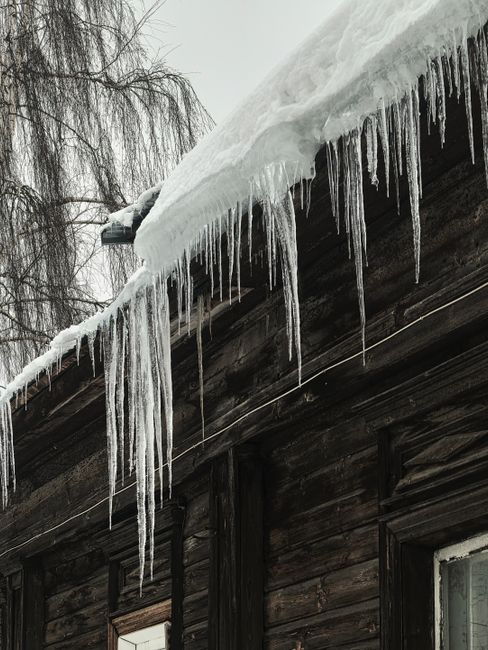
Ice dams form when snow melts on the upper roof, then refreezes at the cold roof edge. The ice ridge blocks runoff. Melt water backs up under shingles and finds gaps at flashing, nail holes, valleys, skylights, chimneys, and dormers. Water travels along the roof deck and lands far from the entry point. You see damage inside first.
Common causes in Massachusetts homes include:
Water from an ice dam roof leak often runs along framing and shows up one room over. A living room stain You wake up to a wet spot on your ceiling while it is ten degrees outside. You probably have an ice dam. Water is supposed to stay outside, but winter often has other plans.
Ice dams are a sign that your house is leaking heat like a sieve. When your attic gets too warm, it melts the snow on the roof. That water runs down to the cold eaves and freezes solid. A wall of ice forms. The water then has nowhere to go. It pools behind the ice and works its way under your shingles. Once it gets past the wood, it is heading for your drywall. It does not take long for an ice dam roof leak to turn into a full renovation project (and a massive headache).
Most people blame the ice, but the real culprit is your attic insulation. If heat escapes from your living space, it warms the roof deck. The snow melts from the bottom up. This creates a hidden stream of water underneath the snowpack.
When that water hits the edge of the roof (the part that hangs over the wall), it hits cold air again. It freezes. This cycle repeats until you have a thick block of ice blocking your gutters. The trapped water is heavy. It sits there and waits for a gap in your shingles or a nail hole to exploit.
If you see water dripping from a window frame or a light fixture, you need to act fast. Do not climb on a snowy roof with a hammer. You will likely fall or destroy your shingles (or both). Buy a roof rake and pull as much snow as you can reach from the ground.
You can also try the "pantyhose method." Fill a pair of stockings with calcium chloride ice melt and lay them across the dam. This creates a channel for the water to escape. It looks ridiculous, but it works better than chipping away with an ice pick. Whatever you do, do not use rock salt. It will kill your grass and corrode your aluminum gutters.
A roof rake is a band-aid. If you want to stop the leaks for good, you have to fix the thermal issues in your house. This usually means two things:
Spending money on insulation is boring. It is not as fun as a new kitchen or a deck. But it is significantly cheaper than having to Repair water damage to your ceilings and floors and dealing with a moldy attic. If you Fix the heat and insulation the ice will take care of itself.
We work in Chicopee, Springfield, Holyoke, Westfield, Agawam, Longmeadow, East Longmeadow, Wilbraham, Northampton, Amherst, Hadley, South Hadley, and nearby towns. We see ice dam leaks in capes, colonials, ranch homes, split levels, and multi family buildings. We match old plaster textures and modern drywall finishes.
We handle interior drywall, plaster, and paint repair. A roofer handles shingles, flashing, valleys, and roof edge details. We coordinate timing so interior repair starts after roof work.
We open wet cavities when drying needs airflow or when insulation stays soaked. Small stains with no softness sometimes dry without removal. We confirm with a moisture check and a tap test.
Stains return when water remains in the cavity or when a primer fails to block tannins and rust marks. We dry the area, then use a stain blocking primer where needed.
We provide photos, scope notes, and measurements for your claim file. You work with your adjuster. We keep the repair plan clear so paperwork stays simple.
Call as soon as you see a drip or a new stain. Each warm day adds melt water. Early action reduces removal and lowers the risk of odor and mold.
(413)302-0640