Learn how to assess lead-paint risk before painting, repairs, or remodeling, and when testing or a qualified renovation professional may be needed.

What homeowners need to know about lead paint starts with a simple fact: disturbing old paint can create hazardous dust, even during small repairs or a fresh coat of paint. Homes built before 1978 deserve extra care, whether you plan to tackle the work yourself or hire a contractor.
Before sanding, scraping, drilling, or replacing windows, learn when testing makes sense, which projects carry the greatest risk, and how to keep your household safe while the work gets done.
Homes built before 1978 may contain lead-based paint, which becomes hazardous when peeling, damaged, or disturbed during repairs. Before sanding, scraping, demolition, or painting, assess the home’s age and paint condition, consider professional testing, and use lead-safe containment and cleanup practices. For qualifying projects, hire EPA-certified renovators, keep children and pets away from work areas, and understand applicable renovation and disclosure requirements.
What homeowners need to know about lead paint starts with the age and condition of the home. In many homes built before 1978, old paint may contain lead-based paint. Lead is a health concern when paint is disturbed, damaged, or creating dust during repairs.
Start by considering when the home was built and where work is planned. If it predates 1978, assume painted surfaces may contain lead-based paint unless testing shows otherwise. Intact paint is generally less concerning than peeling, chipping, or friction-worn paint around windows, doors, stairs, and trim.
Before sanding, scraping, demolition, or removing old drywall and trim, arrange a lead inspection or risk assessment from a qualified professional. This is especially important when children, pregnant people, or other occupants live in the home, since even small amounts of lead exposure can create lasting health risks for children.
Do not dry-sand or use open-flame methods on suspect surfaces. Contain the work area, keep children and pets away, and use lead-safe cleaning practices to reduce dust. For larger projects, hire contractors trained in lead-safe renovation procedures. Thoughtful preparation is practical poisoning prevention, and it helps protect the household while repairs move forward.
| Situation or condition | Recommended action before work begins |
|---|---|
| Home was built before 1978 | Assume painted surfaces may contain lead-based paint unless testing shows otherwise. |
| Paint is peeling, chipping, or worn by friction around windows, doors, stairs, or trim | Treat the area as a higher concern and use lead-safe cleaning and dust-control practices. |
| Planning sanding, scraping, demolition, or removal of old drywall or trim | Arrange a lead inspection or risk assessment from a qualified professional before work begins. |
| Children, pregnant people, or other occupants live in the home | Prioritize professional assessment and keep occupants away from the work area. |
| Suspect painted surfaces require preparation or removal | Do not dry-sand or use open-flame methods; contain the area and prevent dust spread. |
| Large renovation project | Hire contractors trained in lead-safe renovation procedures. |

In homes built before 1978, damaged surfaces deserve extra care. Sanding, scraping, cutting or otherwise disturbing old coatings can release lead dust; even paint chips and dust tracked onto soil can pose a concern. The paint can threaten occupants when it is not contained and removed with appropriate methods.
Water damage often turns a small paint failure into a broader household health issue. Moisture can loosen layers of old paint on walls, ceilings, trim and window frames, causing peeling, flaking and paint chips. In an older home, those damaged layers may contain lead, and ordinary cleanup or repair work can create lead exposure if dust is spread through living areas.
Children are especially vulnerable because they may touch damaged surfaces or pick up dust from floors, window sills and play areas. Pets and other occupants can also carry particles from one room to another. The immediate priority is to stop the water source, keep loose material from circulating, and avoid dry sanding or aggressive scraping until the coating has been assessed.
MrWalls Drywall & Painting approaches water-damaged finishes with practical containment and repair planning. Once unsafe or deteriorated material is addressed appropriately, the underlying drywall can be repaired, dried and prepared for a durable new paint finish. That sequence protects the work, supports a cleaner home, and helps prevent the same damage from returning.
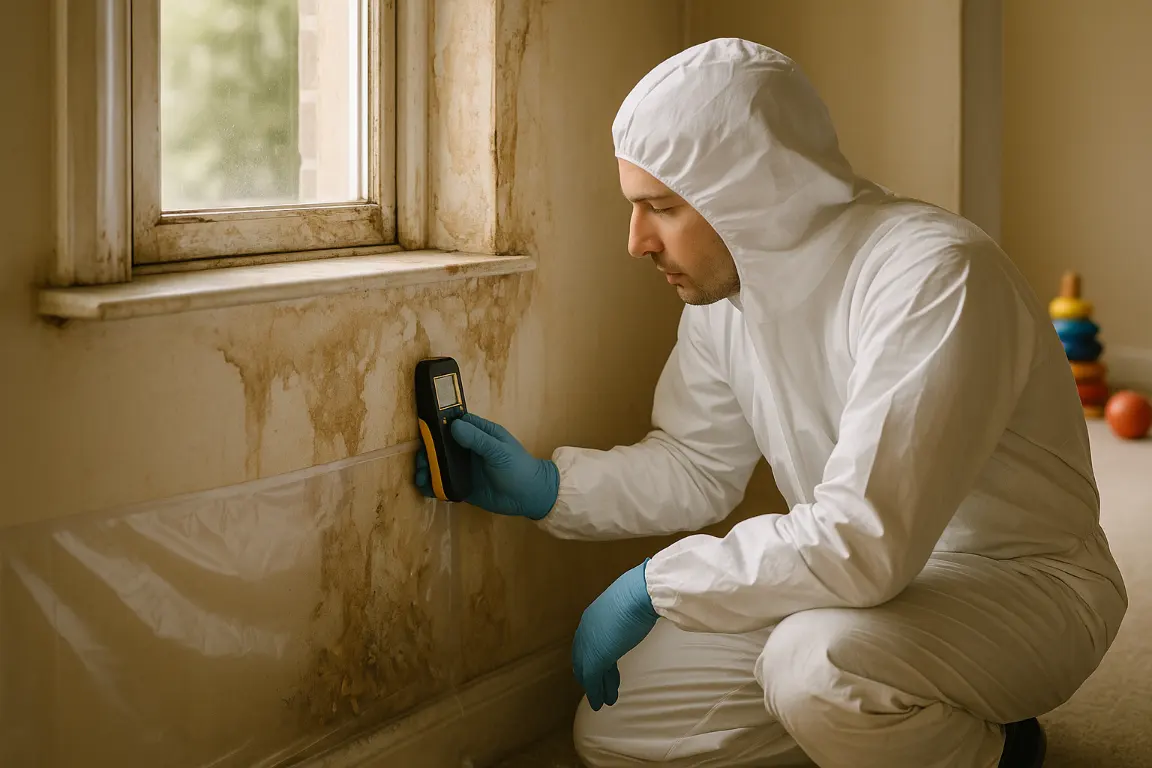
Lead testing gives homeowners useful information before sanding, scraping, demolition, or repair work, particularly in homes built before 1978. But every result needs context. A positive finding may confirm lead in a painted surface, dust, or soil; it does not automatically mean occupants have been exposed or that the material is currently creating a hazard. Condition matters. Intact, well-maintained lead-based paint generally presents a different concern than peeling paint, friction surfaces such as windows and doors, or dust created during renovation.
Consumer testing products can be helpful screening tools, but their reliability depends on correct sampling, surface condition, and following the manufacturer’s instructions closely. They can miss lead beneath newer coatings or produce unclear results on uneven, dirty, or heavily layered surfaces. A negative result should not be treated as a blanket assurance that no lead exists elsewhere in the home.
For renovation planning, a professional inspection or risk assessment provides more meaningful guidance. Qualified professionals may use laboratory analysis, dust sampling, or specialized equipment to identify where lead is present and whether it is likely to be disturbed. At MrWalls Drywall & Painting, we encourage homeowners to use testing as one part of a careful plan: identify the material, understand the scope of work, and choose containment and cleanup practices appropriate to the home and project.
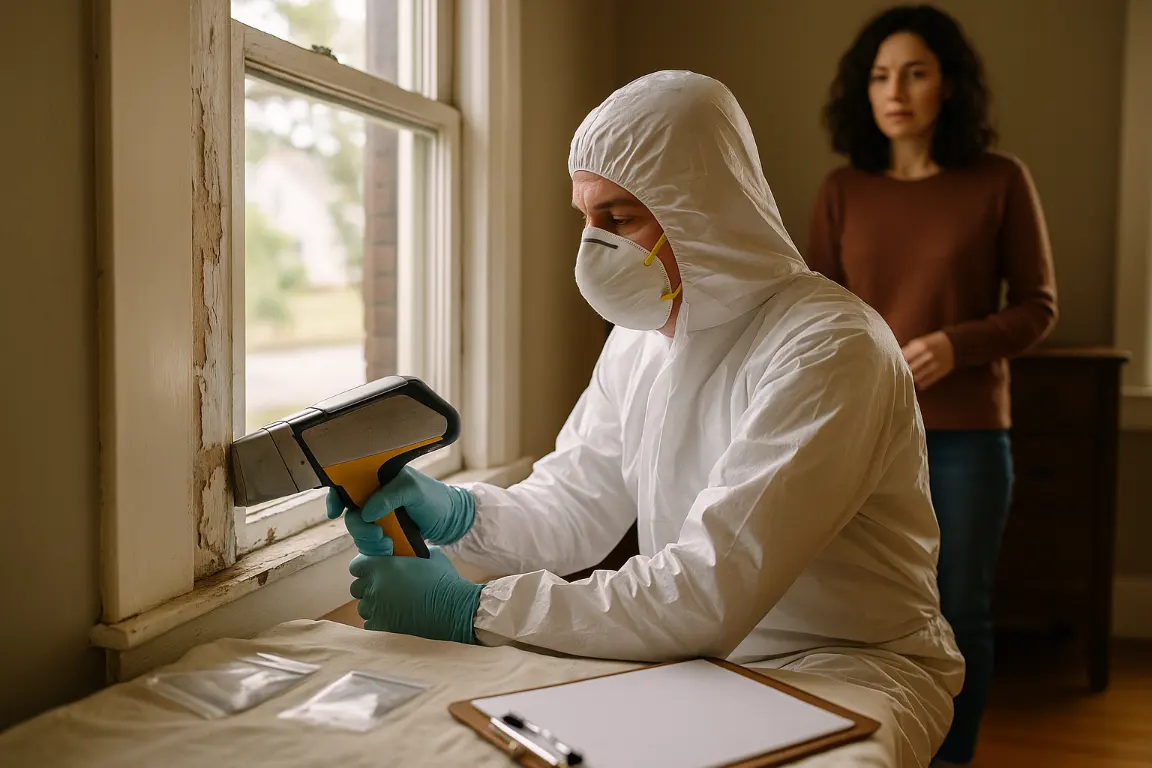
Small repairs can still call for careful lead-safe work, especially in older homes where existing paint may be disturbed. A minor drywall patch beside a painted window, a water-damaged wall repair, or a ceiling update can create dust if surfaces are scraped, sanded, cut, or removed. That dust does not need to travel far to become a concern for occupants, particularly children, who are more vulnerable to lead exposure.
MrWalls Drywall & Painting approaches low-disturbance projects with clean containment and practical planning. Before work begins, the team considers the age and condition of the painted surfaces, the scope of the repair, and how the work area connects to the rest of the home. Floors and nearby furnishings are protected, the work zone is isolated where appropriate, and unnecessary disturbance is avoided. Rather than broadly tearing into a wall or ceiling, the goal is to make only the precise repair needed while keeping the surrounding finish intact whenever possible.
During the project, disciplined cleanup matters as much as the repair itself. Controlled sanding methods, contained debris, and thorough cleaning help reduce the chance of dust settling in adjacent rooms. Residents can also receive clear guidance on keeping children and pets away from the work area until cleanup is complete. Whether the task involves damaged drywall, popcorn ceiling removal, or targeted paint preparation, a careful process helps protect the home while delivering a polished result.
Before drywall repair, popcorn ceiling removal, or water-damage restoration begins in an older home, it is worth checking whether federal lead-safe work practices apply. The EPA’s Renovation, Repair and Painting Rule generally requires certified contractors to follow specific containment, cleaning, and recordkeeping procedures when disturbing painted surfaces in most pre-1978 housing or child-occupied facilities.
The rule can apply to common repair work, not only large remodeling projects, when the affected painted area exceeds the applicable threshold or when work involves window replacement, demolition, or other higher-risk activities.
The separate federal disclosure rule concerns the sale or lease of most pre-1978 homes. It requires a homeowner, seller, landlord, or agent to provide known information about lead-based paint and related hazards, share available reports, and deliver the approved lead-hazard information pamphlet before a transaction is finalized. It does not mean every older home contains lead, but it does establish clear disclosure responsibilities when information is known.
Requirements and exemptions can depend on the property, the scope of work, and whether a certified inspection has found no lead-based paint. For homeowners, the practical guidance is simple: ask early about testing, containment, cleaning standards, and documentation. At MrWalls Drywall & Painting, we help clients understand the work plan and make informed decisions, with compliance and a clean, well-protected home at the center of the process.
When drywall damage, water staining, or an outdated popcorn ceiling calls for more than a quick patch, the contractor you hire matters. Start by looking for a professional with experience in the specific scope of your project, not simply a general handyman.
Before committing, ask potential contractors:
For homes built before 1978, ask whether the company uses a certified renovator and follows EPA Renovation, Repair and Painting requirements where applicable. Lead-safe work is especially important when sanding, cutting, scraping, or removing painted drywall and ceilings. A qualified contractor should be able to explain their containment practices, cleanup process, and approach to compliance without making the conversation feel complicated.
It also pays to review recent local work and ask questions before work begins. As a homeowner, you should feel comfortable with the plan. At MrWalls Drywall & Painting, we believe a well-planned project starts with straightforward communication, careful protection of your home, and repairs built to hold up after the crew leaves.
Thoughtful preparation protects your home, your schedule, and everyone who lives in it. Before drywall repair, popcorn ceiling removal, painting, or water damage restoration begins, clear the work area of furniture, artwork, window treatments, electronics, and personal items whenever possible. Covering nearby belongings is helpful, but removing them from the room offers better protection from dust and allows the crew to work efficiently. Plan for pets, children, and other occupants to stay clear of active work zones, particularly during sanding, demolition, priming, or drying equipment operation. Good ventilation and a clear path to the project area also make a meaningful difference.
If your home was built before 1978, lead deserves special attention. Disturbing older paint can create lead dust, even during what appears to be a modest repair. Consider lead testing before sanding, scraping, removing textured ceilings, or opening walls with previously painted surfaces. A qualified professional can help determine the appropriate precautions and containment measures for the scope of work. Do not assume that a new coat of paint resolves a potential issue; safe preparation matters before the first repair or finish coat begins.
MrWalls Drywall & Painting helps homeowners understand what to move, what to protect, and when additional testing may be prudent. A little planning creates a cleaner worksite, supports a smoother result, and lets your renovation move forward with greater confidence.
Homes built before 1978 may have lead-based paint beneath newer layers. Pay close attention to peeling paint, window frames, doors, stairs, trim, and other friction surfaces. Testing or a professional inspection can help identify lead before repairs begin.
Intact, well-maintained paint is usually less likely to create exposure than damaged or disturbed paint. Risk increases when paint is peeling, chipping, rubbed by doors or windows, affected by water damage, or turned into dust during renovation.
Avoid dry sanding, aggressive scraping, and open-flame removal on suspect painted surfaces. These methods can create lead dust. In a pre-1978 home, arrange testing and use appropriate containment, cleanup, and lead-safe work practices before disturbing old coatings.
Sanding, scraping, cutting, drilling, demolition, window replacement, popcorn ceiling removal, drywall work, and water-damage repairs can disturb painted surfaces. Even small projects may create dust when they occur near older paint.
For projects that disturb painted surfaces in most pre-1978 housing, federal Renovation, Repair and Painting requirements may apply. Ask whether the contractor uses a certified renovator, how the area will be contained, and how debris and dust will be cleaned.
Stop the moisture source first, keep children and pets away from loose paint, and avoid dry cleanup or sanding. Have the damaged coating assessed before repair work, then address drying, drywall repair, surface preparation, and repainting in a controlled sequence.