Learn when a mold test can help, what results mean, and when moisture repair or a professional assessment should come first.
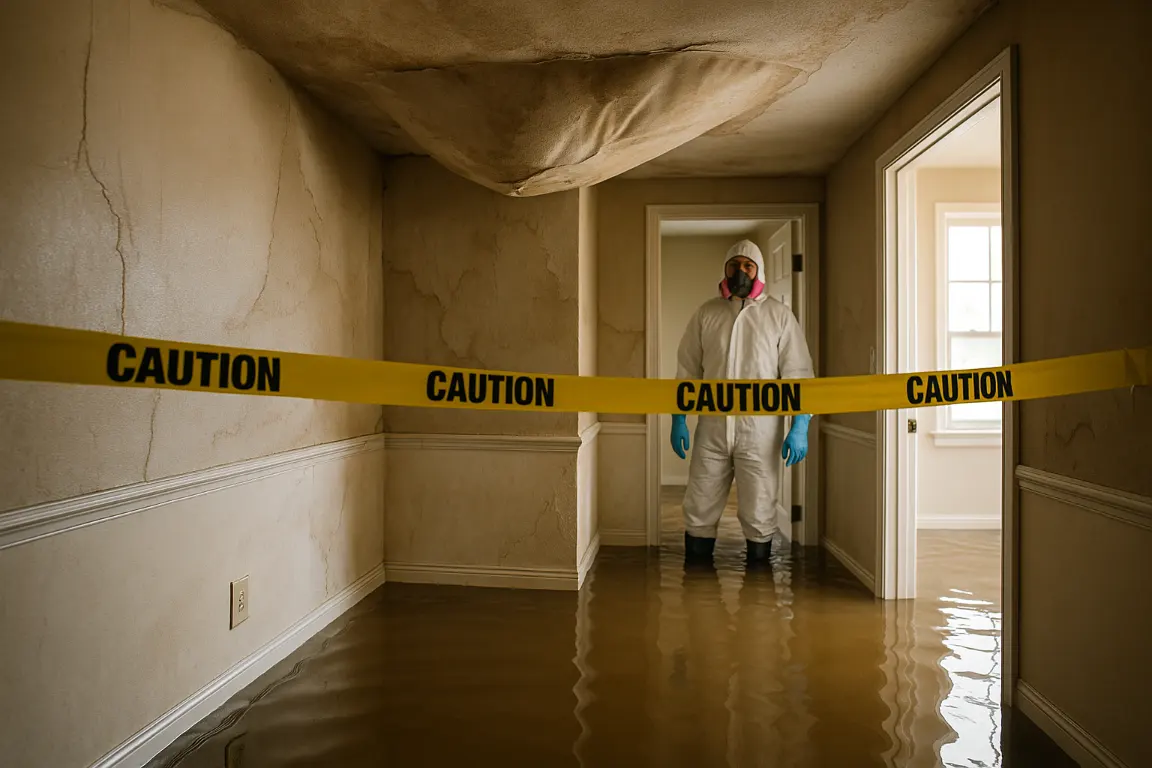
A mold test is most useful when it answers a clear question: Does a recent leak, persistent musty odor, or suspected hidden mold growth mean mold is present and worth further investigation? Visible mold, active moisture, and clear growth often call for prompt cleaning and repair, not a lab report. When the source is obvious, sampling is unnecessary. The priority is to stop the moisture and protect your home, building, and health.
This guide explains what mold testing can do to detect mold, when a professional provider and air sampling are worth the cost, and how air, surface, and lab results can help shape your next move. It also covers the limits of a mold kit, test kit, and other testing kits; how mold tests and tests are designed to determine indoor mold conditions; and when concerns about black mold, toxic mold, allergies, or symptoms may merit a conversation with an office, labcorp, or health provider before choosing a sample, test, or further testing. This information helps you decide whether testing is the right next step.
Mold testing can help investigate hidden moisture damage, persistent odors, or unclear contamination, but it should support, not replace, a thorough inspection. Visible mold and water-damaged materials usually require prompt drying, repair, and removal without a lab test. DIY kits offer limited snapshots, while targeted professional sampling may provide useful documentation. The priority is always fixing the moisture source, drying affected areas, and preventing mold from returning.
Mold testing helps determine whether mold is present when moisture damage is concealed or a building’s condition is uncertain. A mold test, mold kit, or test kit may include air sampling to collect a sample and detect mold. Testing kits and other tests are designed to support, not replace, a full assessment of indoor mold, mold growth, and visible growth. Results from a lab, labcorp, or a provider’s office should be reviewed alongside moisture readings, cleaning needs, symptoms, allergies, and health concerns. Mold tests cannot confirm black mold or toxic mold on their own, and sampling is unnecessary when mold growth is already visible in your home.
A mold test can be worthwhile after a concealed leak, flooding inside a wall or ceiling, a persistent musty odor, or concerns that an HVAC system has spread contamination. In these cases, targeted samples can help identify elevated indoor spore levels, compare a questionable room with outdoor air, or document conditions before and after professional work.
Testing can also help when the source is not obvious. Staining may be absent even when a slow plumbing leak has dampened insulation or framing behind drywall. A qualified inspection should come first. The inspector evaluates moisture, material damage, ventilation concerns, and likely pathways for mold to develop. Sampling should answer a specific question, not replace a thorough investigation.
When mold is present in plain view, sampling is unnecessary in most homes. A laboratory report is not needed to confirm that a damp, visibly affected area should be dried, repaired, and cleaned using appropriate containment and protective practices. A test cannot tell you whether it is safe to ignore the water source, and a single air sample cannot determine the full extent of hidden damage.
For MrWalls Drywall & Painting clients, the practical priority is identifying and correcting the moisture issue before damaged drywall is repaired or replaced. Once conditions are dry and affected materials have been properly addressed, testing can provide added reassurance when the scope or history of the damage warrants it.
A mold test can help determine whether water damage, a musty odor, visible mold, or recurring indoor mold growth is affecting your home. Mold testing, including air sampling, helps detect mold when a visual inspection cannot explain the problem. A lab can analyze each sample and provide results that may help connect air concerns with allergies, irritation, or other symptoms. A mold kit, test kit, and other testing kits are designed for limited screening, while professional tests can better assess the building, moisture source, and mold growth. If mold is present, prompt cleaning and repairs can protect health. Black mold and toxic mold should be evaluated carefully, but not every situation requires testing; in some cases, sampling is unnecessary. Your provider, local office, or labcorp may recommend the right test based on the affected materials and concerns in your home.
A store-bought mold test kit may seem like a quick way to get answers, but the results often need more context. Most testing kits collect a surface swab, dust, or air sample for a lab. The lab may detect mold spores or mold growth in the sample. Still, a single test is rarely designed to determine whether mold is present because of an active moisture problem, where the growth is located, or whether the amount found is unusual for your home.
That distinction is important. Mold spores are common in indoor mold environments and outdoors. An air-based mold kit can collect spores that entered through an open door, were stirred up by daily activity, or came from a damp area beyond the suspected damage. Positive mold tests do not automatically confirm extensive contamination, black mold, or toxic mold. A negative sample can also miss growth behind drywall, beneath flooring, inside a wall cavity, or around a poorly dried repair. When visible moisture damage already identifies the needed repair, air sampling is unnecessary in many straightforward cases.
Surface tests have similar limits. A swab can confirm mold on a visible spot, but it cannot show how far moisture has moved through porous materials or across the building. Mold testing may be useful when a health provider is evaluating persistent allergies or other symptoms, or when an office or property manager needs documentation. Even so, cleaning the surface and correcting the water source are often more meaningful than relying on one mold test to explain the full condition.
MrWalls Drywall & Painting recommends using a test kit as one piece of information, not a diagnosis. Whether testing is handled through a local provider, an independent lab, or labcorp, a careful assessment should consider the history of water damage, visible staining, material condition, humidity, odors, and the extent of affected drywall. When removal or repair is needed, addressing damaged materials and thoroughly drying the area helps prevent the conditions that allow mold growth to return.
Air sampling, surface swabs, and tape lifts can offer clarity when moisture damage is uncertain or widespread. Still, mold tests are only as meaningful as the sample, the conditions during testing, and the lab’s interpretation. Results should support a careful inspection, not replace one.
To determine whether mold is present, start with the building itself. A qualified provider checks for the conditions that support mold growth: past or active leaks, elevated moisture, staining, softened drywall, musty odors, and limited airflow. When visible growth appears alongside a confirmed moisture source, it is often enough to detect mold. In these cases, sampling is unnecessary before drying, removal, or repair begins.
When mold testing is appropriate, the sample type matters. A tape lift or swab can show whether material on a wall, ceiling, or furnishing contains mold structures. Bulk samples may come from damaged drywall, insulation, or other porous materials. Air sampling measures particles in the air during a brief collection period and is usually compared with an outdoor reference sample. Higher indoor counts, unusual species, or water-damage-associated mold may call for a closer look. Still, no single mold test can represent every room or every day.
A lab typically identifies spores or growth by category or genus and reports results based on the collection method. Whether a sample is processed through a local lab or labcorp, results need context. Recent cleaning, open windows, HVAC operation, weather, and disturbed dusty materials can influence a test. A mold kit, test kit, or other testing kits may offer limited information, but a “low” result does not rule out concealed indoor mold behind finishes. Likewise, a positive surface result does not automatically indicate a whole-home air-quality concern.
Mold tests are designed to support practical decisions, not to diagnose health symptoms or allergies. Terms such as black mold and toxic mold can be alarming, but the priority is addressing moisture and damaged materials. A reliable provider explains what testing can and cannot answer, documents moisture readings, and recommends the next step for your home, whether it is an office or living space. For MrWalls Drywall & Painting customers, that often means correcting the water source, safely removing compromised drywall, and restoring the area with clean, durable finishes.
| Sample type | What it can help show | Key limitation | Best used when |
|---|---|---|---|
| Surface samples (tape lift or swab) | Whether material on a wall, ceiling or furnishing contains mold structures. | A positive surface result does not automatically establish a whole-home air-quality issue. | Material is visible or present on a specific surface and identification is needed. |
| Bulk material samples | Whether damaged drywall, insulation or another porous material contains mold structures or growth. | Results apply to the material collected and do not describe conditions throughout the home. | Porous building material is damaged or compromised and may need removal or repair. |
| Air samples | Particles present in the air during a short collection period, generally compared with an outdoor reference sample. | No single air result can describe every room or every day; cleaning, windows, HVAC, weather and dust disturbance can affect results. | Higher indoor counts, unusual species or water-damage-associated molds need closer investigation. |
Concerns about hidden mold call for a calm, practical response, not panic or guesswork. What people call black mold can include several species, and “toxic mold” is not a reliable visual diagnosis. Color alone cannot determine mold type, confirm that mold is present, or predict an effect on health. The more useful question is why mold growth is happening: a leak behind drywall, damp insulation, poor bath ventilation, window condensation, a roof problem, or water damage that was never fully dried.
Start with a careful, non-invasive inspection. Watch for persistent musty odors, staining, softened drywall, peeling paint, warped trim, bubbling finishes, or recurring dampness near plumbing, exterior walls, ceilings, and HVAC equipment. Indoor mold can remain hidden inside wall cavities or above ceilings after a building leak, especially when materials stayed wet for more than a day or two. A mold test, air sampling, or other mold testing may help in select situations. However, sampling is unnecessary when visible growth and a clear moisture source already show the repair needed. Testing kits, a mold kit, or a test kit may provide a sample for a lab, but mold tests and other tests are not designed to detect mold behind every finished surface or replace a skilled assessment. Avoid opening suspect areas yourself if contamination appears extensive, materials are crumbling, or occupants have respiratory sensitivities. Disturbing damaged drywall can release spores and dust into the air.
For a small, contained surface issue on a hard, nonporous material, proper cleaning and thorough drying may be enough. Porous materials such as wet drywall, insulation, carpet padding, and ceiling texture often cannot be dependably cleaned once mold has taken hold. Removal and replacement are usually the sounder repair. Most importantly, correct the moisture source before closing a wall or repainting. MrWalls Drywall & Painting helps restore affected drywall and finishes after water damage has been addressed, replacing compromised materials and returning the area to a clean, finished condition.
Pay attention to symptoms without assuming a cause. Stuffy noses, coughing, eye irritation, wheezing, headaches, and allergies can have many triggers, including dust, pollen, ventilation problems, and other indoor conditions. If symptoms seem to improve away from your home or office, speak with a qualified medical provider and arrange a moisture-focused assessment of the space. A lab or labcorp report may provide results from a test, but it cannot diagnose the source of symptoms on its own. Prevention is simple but ongoing: repair leaks promptly, run bath and kitchen exhaust fans, control humidity, maintain drainage around the building, and dry spills or water events quickly. A dry, well-maintained structure is the best defense against mold returning.
A mold test can be helpful when it answers a clear question. If you can see mold growth after a leak, flood, or ongoing plumbing issue, sampling is unnecessary as a first step. First, correct the moisture source. Then have affected materials evaluated and damaged drywall or ceiling texture addressed by a qualified professional. At MrWalls Drywall & Painting, we often identify indoor mold through water stains, softened drywall, musty odors, peeling paint, or finishes that stay damp behind the surface. These signs help determine whether mold is present and where repairs should begin.
Labcorp, also searched as labcorp, is primarily known for medical lab services rather than building inspection. If a healthcare provider recommends lab work for ongoing symptoms or a suspected exposure-related condition, Labcorp may be part of the clinical process. Those results should be reviewed with the ordering provider or their office. They cannot detect mold in your home, identify where mold is growing, or confirm that a specific room is causing symptoms. For building concerns, environmental mold testing, air sampling, and a careful moisture inspection are separate services.
A mail-in test kit, mold kit, or other testing kits can offer a limited snapshot, but every sample needs context. Mold spores travel through the air indoors and outdoors. A positive test does not automatically confirm a hazardous condition, black mold, or toxic mold. Low results also do not rule out hidden growth behind walls, beneath flooring, or above a damaged ceiling. Reliable mold tests consider the sampling method, outdoor comparison samples, visible damage, property conditions, and whether cleaning or repair has already disturbed the area. A kit may be designed to collect material, but it cannot replace a thorough inspection.
Call a qualified restoration or building professional promptly if water damage is active, materials stay wet for more than a day or two, mold covers a substantial area, or odors remain after drying. Contact a medical provider if symptoms are severe, worsening, or especially concerning for people with asthma, allergies, immune suppression, or other respiratory health conditions. The most effective response is practical and well sequenced: stop the water, dry the structure completely, remove unsalvageable materials, complete appropriate cleaning, and document repairs before rebuilding finishes. That approach helps protect the property and the health of the people who use it.
Usually not. Visible mold and a known moisture issue are enough reason to dry the area, correct the water source, and evaluate damaged materials. Testing may help when the extent of damage is unclear, growth may be concealed, or documentation is needed after repairs.
Not reliably. A mail-in air or surface sample provides only a limited snapshot and may miss mold inside wall cavities, beneath flooring, or above ceilings. A moisture-focused inspection is more useful for locating a concealed leak or damp building material.
A positive result means spores were found in that sample, not necessarily that there is widespread indoor contamination. Results can be affected by open windows, weather, cleaning, HVAC operation, and normal outdoor spores. Compare findings with moisture conditions and an inspection.
No. Air testing captures particles during a brief collection period, so hidden growth may not appear in the sample. Persistent odors, staining, soft drywall, peeling paint, or recurring dampness should still be investigated.
No. Mold color cannot identify a species or determine health effects. Rather than relying on appearance, identify and repair the moisture source, assess affected materials, and use appropriate containment when removal is needed.
Wet, softened, or mold-affected drywall and insulation often need removal because porous materials may not dry or clean dependably. The leak or humidity problem must be corrected before new drywall, texture, paint, or other finishes are installed.
Labcorp is generally associated with medical laboratory testing, not building inspections. Medical test results do not locate mold in a home or prove that a room caused symptoms. Building concerns call for a qualified moisture and environmental assessment.