Learn how to assess ceiling drywall damage, know when to call a specialist, and compare drywall contractors before scheduling an estimate.
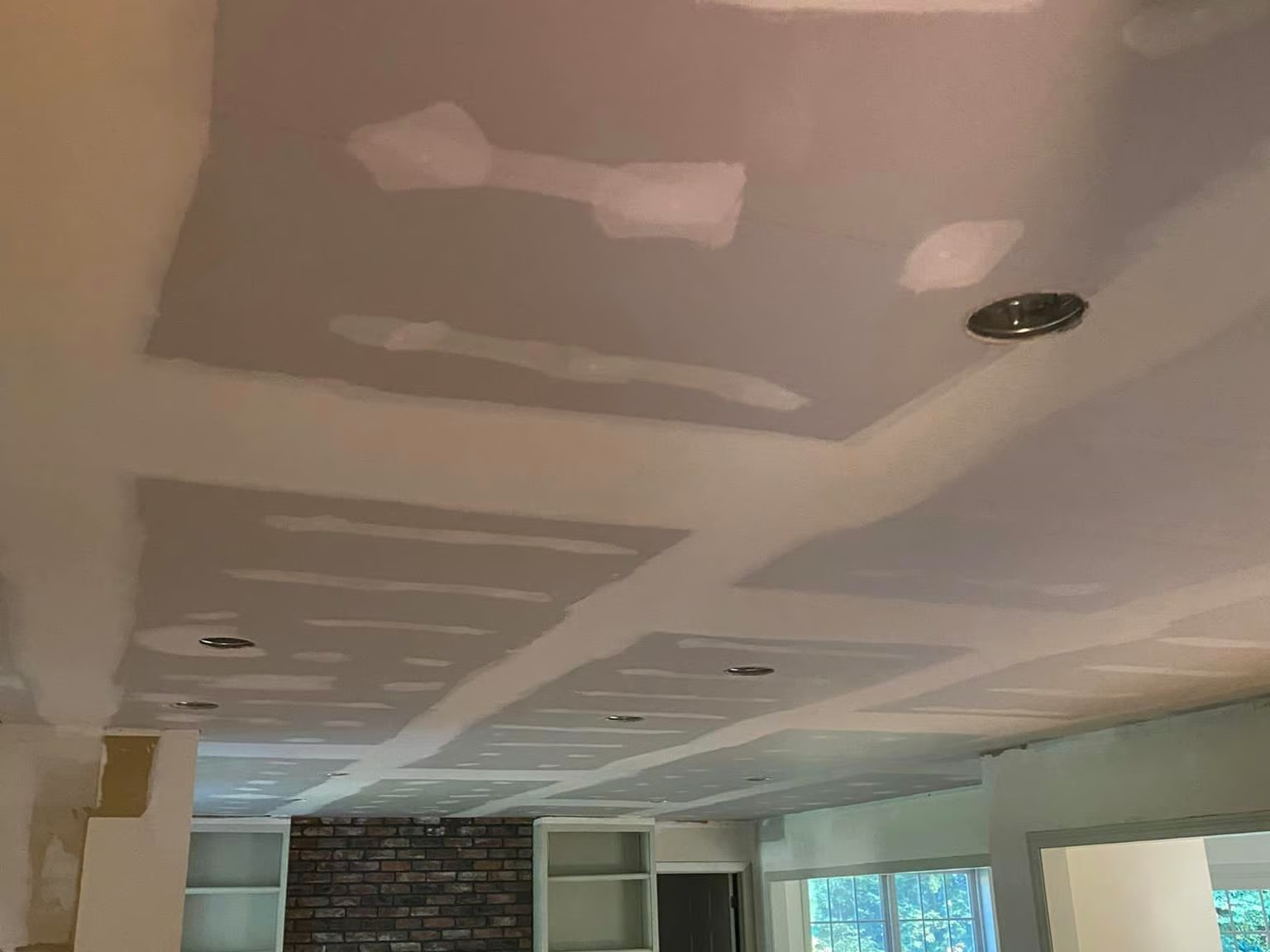
Choosing a drywall ceiling contractor is about more than finding someone who can patch a crack. The right professional can identify whether you’re dealing with old settling, water damage, loose drywall, or a larger structural concern, and repair it cleanly so the ceiling blends back in.
Before you hire, know what the damage may be telling you, what ceiling repair typically involves, and which questions help separate skilled local contractors from quick-fix bids.
As a drywall ceiling contractor in Chicopee, I help homeowners decide when ceiling repair is a sensible home project and when it needs experienced hands. Residential ceilings can hide water, framing, and finishing issues that a surface-only fix will not resolve.
A small nail pop or a clean, isolated dent in a drywall ceiling may only need a modest patch. But damage that spreads, returns after repair, or changes the plane of the ceiling calls for a closer look. Cracks that run along seams, sagging drywall, soft spots, or staining often point to moisture, failed fasteners, movement above the ceiling, or deteriorated material, not simply a cosmetic flaw.
Water damage deserves particular caution. Before I repair drywall, I identify whether the source was a roof leak, plumbing issue, ice dam, or condensation problem. Closing up a wet area without correcting the cause can leave homeowners with a recurring stain, weakened board, or mold concerns inside the cavity.
Texture adds another level of difficulty. Matching a popcorn ceiling or other ceiling texture takes more than applying popcorn spray from a can; the existing pattern, age, paint sheen, and surrounding finish all affect the result. Drywall texturing must blend beyond the repair so the patch does not announce itself in afternoon light. Older homes may also have plaster ceilings and walls, which require different repair methods than modern drywall.
At MrWalls Drywall & Painting, I recommend professional evaluation when a ceiling crack is wide, a section is loose, a stain keeps returning, or a repair sits near an electrical fixture or structural transition. A durable finish begins with sound material behind it.
At MrWalls Drywall & Painting, I start every ceiling drywall repair by finding the cause, not simply covering the symptom. Water, movement, failed insulation, and previous removal work can each affect the right materials, scope of work, and finished quality.
Some ceiling damage is cosmetic, but certain warning signs deserve a faster response. I advise Chicopee homeowners to treat an active water stain, a damp drywall surface, bubbling paint, or a soft spot as an investigation, not a routine ceiling repair. Water can travel along framing or above insulation before it becomes visible in the room below. The source may be a roof issue, plumbing leak, bathroom fixture, ice dam, or condensation problem, and it needs to be corrected before new drywall is installed.
A ceiling that sags, bows, or shows a widening crack also calls for closer evaluation. Drywall can loosen when fasteners fail, framing shifts, or moisture adds weight to the board. If a section feels unstable or appears ready to drop, keep people out of that area and arrange for a professional assessment promptly. This is especially important over beds, stairs, and frequently used rooms.
I also look beyond the visible damage when a crack returns after a prior repair. Repeated cracking may point to seasonal movement, inadequate backing, a poorly taped joint, or an underlying structural concern. A durable job depends on identifying which condition is present, then repairing the substrate before finishing the surface.
For older homes, I recommend caution with textured ceilings or damaged materials of unknown age. Avoid sanding, scraping, or demolition until the material has been evaluated appropriately. Once the cause and condition are clear, I can recommend a ceiling repair plan that restores both safety and a clean, seamless appearance.
| Warning sign | Why it needs attention | Recommended next step |
|---|---|---|
| Active water stain | Water may be traveling from a roof issue, plumbing leak, bathroom fixture, ice dam, or condensation problem. | Investigate and correct the moisture source before installing new drywall. |
| Damp drywall surface | Moisture can affect the ceiling material and may indicate a leak or condensation issue. | Treat it as a moisture investigation rather than a routine repair. |
| Bubbling paint | Bubbling can be associated with moisture behind the finished surface. | Identify and correct the cause before repairing and refinishing the ceiling. |
| Soft spot in the ceiling | Moisture can add weight to drywall and weaken the board. | Arrange for closer evaluation, especially if the area feels unstable. |
| Sagging or bowed ceiling | Drywall may be loosening because of failed fasteners, framing movement, or added moisture weight. | Seek a professional assessment promptly. |
| Widening crack | The crack may reflect drywall movement, inadequate backing, a poorly taped joint, or another underlying concern. | Have the substrate and cause evaluated before finishing the surface. |
| Unstable section or area that appears ready to drop | The ceiling may present a safety risk, particularly over beds, stairs, or frequently used rooms. | Keep people out of the area and arrange for a professional assessment promptly. |
| Crack that returns after a prior repair | Repeated cracking may point to seasonal movement, inadequate backing, a poorly taped joint, or an underlying structural concern. | Identify the condition causing the crack and repair the substrate before refinishing. |
| Textured ceiling or damaged material of unknown age in an older home | The material should be evaluated appropriately before it is disturbed. | Avoid sanding, scraping, or demolition until evaluation is complete. |
At MrWalls Drywall & Painting, we treat ceiling work differently from wall work because gravity, framing movement, lighting, and texture all make flaws more visible overhead. As a drywall repair contractor in Chicopee, Massachusetts, I first determine whether a ceiling issue is cosmetic or whether moisture, a roof leak, plumbing, or sagging materials have caused the damage. That assessment guides the repair, the scope of removal, and the cost.
For a localized drywall repair, my crew protects the room, removes loose or compromised ceiling drywall, checks the framing above, and installs a properly supported patch. We then tape seams, apply joint compound in thin coats, sand between coats, and complete drywall finishing so the repair lies flat under natural and artificial light. If the ceiling texture has been damaged, matching it is a separate skill: a smooth ceiling, knockdown finish, stipple, or older textured surface each requires a different approach.
Full drywall installation follows a more structured process. We confirm joist direction and spacing, add blocking where needed, lift ceiling drywall into place, fasten it correctly, and keep joints positioned for strength and a clean finish. Proper installation matters because poorly supported boards can crack at seams or begin to sag over time. After taping and finishing, we prime and paint or recreate the existing ceiling texture.
I also explain the practical choices before work begins. The right materials, access requirements, extent of removal, ceiling height, and finish level all affect the final cost. Our goal is not simply to cover damage; it is to leave your Chicopee-area ceiling sound, uniform, and ready to disappear into the rest of the room.
When comparing drywall contractors in your area, look beyond the lowest quote. As a licensed drywall contractor and owner of MrWalls Drywall & Painting in Chicopee, I recommend weighing communication, documented reviews, repair experience, and finish quality. The top drywall contractor is the one who clearly explains the work and stands behind it.
Before you hire a drywall contractor, ask what the proposed scope includes. A useful quote should separate labor and materials, identify the rooms or damaged areas involved, and explain whether preparation, dust control, priming, and cleanup are part of the job. Vague pricing often leads to unexpected additions once work begins.
Ask who will perform the work and how long the project should take. For drywall installation, I also encourage homeowners to ask about board thickness, fastening methods, tape, joint compound, and the number of finishing coats. Those details affect whether walls look flat and seamless after paint, not just on the day the crew leaves, but as the home settles through New England seasons.
If the project involves ceiling repair, ask what caused the damage and whether that source has been corrected. A repaired ceiling can crack or stain again if a roof leak, plumbing issue, or moisture problem remains. Ask how the contractor will protect floors and furnishings, manage sanding dust, and match the surrounding texture.
Finally, request recent local references and photos of comparable work. I believe a contractor should be comfortable answering direct questions about the job, materials, schedule, and warranty. Clear answers before work starts are usually the best indication of a smooth, professional result.
Before I inspect a damaged ceiling, a little preparation helps me give you a clearer answer about the repair, the schedule, and the finish you can expect. At MrWalls Drywall & Painting, I ask homeowners to move smaller furniture, décor, and electronics away from the immediate work area whenever possible. Larger pieces can usually stay in the room; we will protect them carefully with clean coverings. Please remove fragile items from walls, clear a path from the entry to the affected space, and let us know about pets, access instructions, or parking considerations before we arrive.
It also helps to note what you have seen: when the crack, stain, sag, or hole first appeared; whether it has changed; and whether there was a plumbing leak, roof issue, or recent impact. A ceiling problem is sometimes limited to the surface, but water damage can point to a condition above the ceilings that should be corrected before new drywall and finish work begin. Photos from when the issue first appeared can be useful, especially if the area is dry by the time of the visit.
During a consultation at your home, I look at the damage, surrounding surfaces, ceiling texture, and practical access for the work. I explain the repair approach in straightforward terms, from removing compromised material to matching the existing finish and preparing for paint. If you are comparing a drywall ceiling contractor in your area, ask how the room will be protected, how dust will be managed, and what the completed surface should look like in normal light. Those details matter. My goal is to leave you with a sound repair plan, not a vague estimate, and work that makes the ceiling feel like it was always meant to be there.
Hire a professional when the ceiling has sagging, soft spots, recurring cracks, spreading stains, loose drywall, or damage near lighting and structural transitions. These signs can indicate moisture, framing movement, failed fasteners, or material deterioration behind the visible surface.
Sometimes. A localized repair may be possible if the leak source has been corrected and the surrounding drywall is dry, solid, and free of damage. Wet, softened, stained, or weakened material usually needs removal before a lasting repair can be completed.
Recurring cracks may result from seasonal movement, loose drywall, inadequate backing, failed tape, framing shifts, or an unresolved moisture issue. Repairing the underlying condition before taping and finishing helps prevent the crack from returning.
Yes, but texture matching requires careful preparation and blending. The contractor must consider the existing pattern, paint sheen, age of the finish, and lighting in the room. The repair area is blended beyond the patch for a less noticeable result.
A ceiling that bows, feels soft, appears loose, or looks as though it could fall should be assessed promptly. Keep people away from the area, especially below bedrooms, stairways, and commonly used spaces, until the condition can be evaluated.
Ask what the quote includes, whether materials, dust control, priming, painting, and cleanup are covered, and who will perform the work. For ceiling repairs, ask how the damage source will be identified, how texture will be matched, and whether recent local references are available.
Move small furniture, electronics, décor, and fragile wall items away from the work area. Clear an access path, share any pet or parking details, and tell the contractor when the damage first appeared. Photos of earlier leaks, stains, or cracking can also help with diagnosis.