Water Damage Restoration: A Homeowner’s Safety Guide
Learn what water damage restoration involves, how to respond safely to an active loss, and when to call for professional emergency help. MrWalls offers to restore your home after a water damage loss. From drywall repair, insulation, taping, coating, and painting we work with your insurance to restore your home.
Water damage restoration starts with protecting people, not possessions. Whether a burst pipe, appliance leak, or storm has soaked your home, acting quickly can limit structural damage, mold growth, and costly repairs.
Learn what professional restoration involves, the first safety steps to take, and when cleanup is safe to handle yourself, or when it is time to call a local restoration team.
⚡ Key takeaways
Put safety first: avoid standing water, electrical hazards, and areas with possible structural damage.
If safe, stop active leaks, shut off power when needed, and move valuables from affected areas.
Small contained spills may be manageable; flooding, sewage, extensive leaks, or electrical concerns require professionals.
Water category matters: clean, gray, and sewage-contaminated water need different cleanup and disposal approaches.
Professional restoration includes assessment, extraction, structural drying, cleaning, and checks for hidden moisture.
Prompt removal and drying help limit material damage, odors, mold concerns, and future structural issues.
Water Damage Restoration: What It Includes
Water damage restoration helps protect your property after a leak, flood, or other water intrusion. The process focuses on prompt water removal, drying, cleanup, and restoring affected materials to help prevent further damage and future issues.
Water Cleanup, Water Remediation and Damage Mitigation
Water cleanup begins with emergency water removal and a careful assessment of the affected area. Damage mitigation is designed to limit additional harm by addressing moisture in the structure and contents as quickly as possible. Water remediation may include drying, cleaning, and treating conditions that could contribute to mold concerns after a water disaster.
A full restoration plan should protect the home or business while preserving its structure and design where possible. For property owners in Springfield, MA, prompt professional service can help manage water damage efficiently and support a safe, thorough recovery.
First Steps After Water Damage: Put Safety First
A water emergency can escalate quickly, so protect people before property. If you see severe water damage, standing water near electrical equipment, or structural concerns, leave the area and contact qualified help. Once it is safe, take simple steps to limit further water intrusion.
When to Leave the Property and Call for Help
Leave the property if the area feels unsafe, especially when flood damage is severe, water is near electrical equipment, or you are unsure how to proceed. Move to a safe location and call professionals for guidance and cleanup support. If it is safe to do so, stop an active leak by closing the appropriate shutoff valve. For significant water intrusion or any safety concern, turn off electricity at the breaker and unplug appliances only when you can do so safely. Avoid entering standing water. If conditions allow, move important documents, electronics, and family photos away from the affected area.
When to Leave and Call
Leave immediately if flooding is severe, the area feels unsafe, or you are unsure how to proceed.
Do not enter standing water, especially near outlets, appliances, electrical panels, or damaged wiring.
Move everyone, including pets, to a dry and safe location before assessing the damage.
Call water-damage professionals for significant intrusion, structural concerns, or any electrical safety risk.
If safe, stop an active leak by closing the appropriate water shutoff valve.
Turn off electricity at the breaker only when it can be done without approaching water.
Move important documents, electronics, and family photos away from affected areas when conditions allow.
Can You Handle Water Cleanup Yourself?
You can take a few immediate steps when it is safe to do so: move away from an unsafe area, stop an active leak at the shutoff valve, and turn off electricity at the breaker if water intrusion is severe or safety is uncertain. If safe, remove important items such as documents, electronics, and family photos from the affected space. These actions can limit further damage while help is arranged. However, water cleanup can become more complex when moisture reaches walls, flooring, insulation, or hidden areas. Standing water, damaged materials, and potential mold concerns may require professional damage restoration. Restoration services can assess the extent of the intrusion, remove water, dry affected materials, and address conditions that could lead to additional structural or environmental issues. For a small, contained spill, basic cleanup may be manageable; for flooding, sewage, extensive leaks, or electrical concerns, a professional service is the safer choice.
When Basic Cleanup May Be Manageable vs. When to Call a Restoration Professional
Situation
Basic cleanup may be manageable when
Professional restoration is the safer choice when
Amount of water
The spill is small and contained.
There is standing water, flooding, or an extensive leak.
Affected materials
Important items can be safely moved from the affected space.
Water has reached walls, flooring, insulation, or other materials.
Water source
An active leak can be safely stopped at the shutoff valve.
The situation involves sewage or a leak that cannot be safely addressed.
Hidden moisture risk
The spill is limited to an accessible, contained area.
Moisture may be present in hidden areas or conditions could lead to mold or additional issues.
Electrical safety
The area is safe to enter and there are no electrical concerns.
Water intrusion is severe, electricity safety is uncertain, or electrical concerns are present.
Why the Type of Water Changes the Restoration Plan
Not all flood damage calls for the same response. The source and condition of the water determine the appropriate water removal, cleaning, and water remediation plan, helping protect the property from additional damage and contamination concerns.
Clean Water, Gray Water and Sewage Contamination
Clean water may come from a broken pipe, appliance supply line, or other sanitary source, but it can become contaminated if it remains untreated. Gray water may contain contaminants from appliances, toilets, or other household sources and requires more careful cleaning. Sewage-contaminated water presents a greater health concern and may affect porous materials such as drywall, carpeting, and insulation. The restoration approach should identify the water category, remove affected materials when necessary, and address moisture before mold growth, odors, or structural issues spread further through the property.
How Professional Water Restoration Works
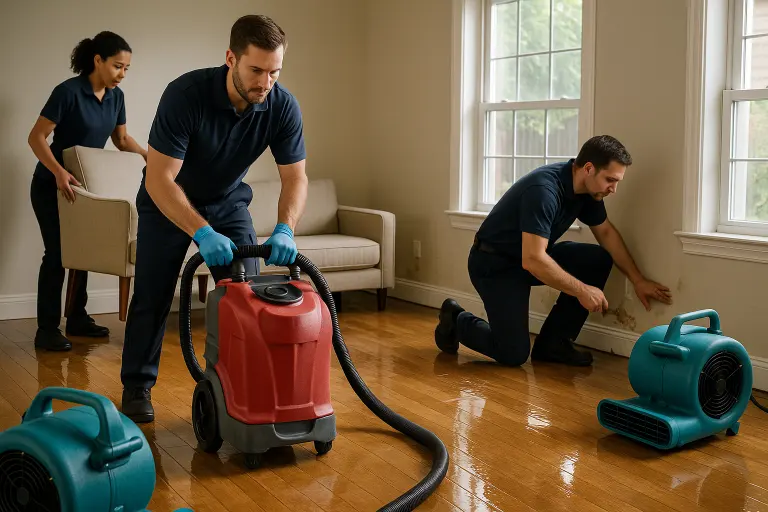
Professional water restoration starts with a prompt assessment and continues through water extraction, structural drying, and follow-up checks. The goal is to address visible and hidden moisture, protect affected materials, and support a thorough drying process that helps limit additional damage to the property.
Inspection, Moisture Measurement and Water Extraction
The first step in damage mitigation is to inspect the affected areas, identify the water source when possible, and assess which parts of the property are wet. Technicians document visible conditions and use moisture-measurement methods to check materials that may hold water out of sight, including walls, floors, and other structural components.
Water extraction follows as quickly as conditions allow. Removing standing water and excess moisture helps reduce the opportunity for damage to spread into nearby materials. If the area is unsafe, move to another location; when safe to do so, stop an active water source and protect important items such as documents, electronics, and family photos.
Drying, Cleaning and Final Monitoring
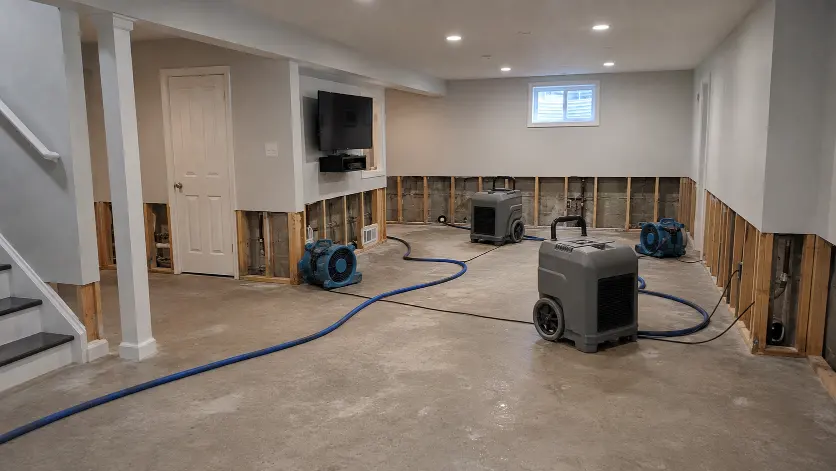
After extraction, the restoration process focuses on drying affected materials and managing remaining moisture. Equipment and monitoring are used to support controlled drying, while cleaning addresses impacted surfaces and contents as appropriate for the conditions. This stage is important because moisture can remain in building materials even after standing water is gone.
Final monitoring helps confirm that the recovery process is progressing and that affected areas have been evaluated before work is considered complete. When water damage has created environmental concerns, additional services, such as mold remediation, may be needed. A careful restoration approach helps protect the structure, reduce musty odors, and limit longer-term issues such as warping, deterioration, or further damage.
Final Drying Checklist
Use targeted drying equipment to reduce moisture within walls, floors, insulation, and other affected materials.
Monitor humidity and material moisture regularly to confirm drying conditions remain controlled and effective.
Clean impacted surfaces and contents using methods appropriate for the water conditions and material type.
Inspect hidden areas where moisture may persist after standing water has been removed.
Address musty odors promptly, as they may indicate remaining moisture or environmental concerns.
Consider mold remediation when inspections identify conditions that require additional environmental services.
Document final readings and evaluations before considering restoration work complete.
Hidden Moisture and Secondary Damage Risks
Water damage often continues after visible water has been removed. Moisture can remain behind walls, beneath flooring, inside insulation, and around structural components, where it may cause secondary damage over time. Discolored or bubbling drywall, swelling wood, warped floors, rusting metal, persistent humidity, and musty odors can all point to hidden moisture. If left unaddressed, damp materials may weaken, and mold damage can develop in porous areas such as drywall, carpeting, and insulation. Mold can also affect natural fibers and other building materials, while elevated humidity may worsen warping and deterioration throughout the property. A prompt, thorough inspection helps identify moisture that is not immediately visible and supports a more complete restoration plan. Proper drying and mitigation are important for protecting the home’s construction, limiting additional damage, and reducing the likelihood that a small water intrusion becomes a larger repair project.
What Determines Restoration Time and Cost
The cost and timeline for water damage repair depend on how quickly the water source is stopped, how far moisture has spread, and which materials are affected. A small, promptly addressed leak may require limited drying and cleanup. Standing water, soaked drywall, damaged flooring, warped wood, or moisture in a basement or crawl space can make restoring the property more involved. The type of water intrusion also matters: clean water can deteriorate into grey water if left untreated, creating additional cleanup concerns. Delays can allow odors, mold growth, corrosion, and structural damage to develop, potentially increasing the scope of work. Professional restoration typically focuses first on removing water, drying affected areas, and limiting further damage before repairs begin. Early detection and a prompt response help protect belongings, reduce secondary damage, and keep the overall restoration process more manageable.
Document Damage and Work With Insurance
After water damage, protect your property and support a smoother insurance recovery by documenting conditions before cleanup begins, when it is safe to do so. Take clear photos and video of affected rooms, standing water, damaged materials, furniture, electronics, and personal belongings. Make a written list of damaged items, noting approximate age and value when available, and keep receipts for emergency expenses. Contact your insurance carrier promptly to report the damage and ask about its claims process. Avoid discarding damaged property until your insurer or adjuster has advised you, unless removal is necessary for safety. A professional restoration team can document the visible damage, identify affected areas, and provide records of mitigation work to help you organize information for your claim. Coverage and claim decisions remain with your insurance provider.
How to Vet a Restoration Company
When water damage affects your property, choosing the right restoration services matters. Look for local professionals who can explain their process clearly, respond promptly, and focus on both water removal and mitigation, not just visible cleanup. A qualified company should be fully licensed, bonded, and insured, with technicians who have rigorous industry training and follow IICRC guidelines. Ask what the service includes, how the team will protect the structure and contents of your home or business, and whether they can address related concerns such as mold remediation. Before work begins, make sure you understand the recommended next steps and how the restoration plan is intended to help prevent future issues.
Local Conditions That Can Change the Response
Every water emergency calls for a response shaped by the source, extent, and location of the intrusion. A broken pipe, failed water heater, overflowing appliance, basement leak, or storm-related disaster can each create different restoration priorities. In Springfield homes and businesses, water often moves quickly toward lower areas such as basements and crawl spaces, where it can affect drywall, flooring, stored belongings, and structural materials. Weather and storm damage may also introduce flood damage that requires prompt attention to limit further loss. If it is safe to do so, stop the water source, avoid electrical hazards, and move important documents, electronics, and family items away from the affected area. Early action helps reduce the spread of moisture, persistent odors, mold concerns, and damage to porous materials. A trained restoration team can then assess the affected areas, remove water, and determine the appropriate mitigation steps.
Confirm Restoration Is Complete and Prevent Another Loss
Before work is considered complete, confirm that affected areas are dry, clean, and free from lingering odors or visible damage. A professional restoration process should address not only standing water, but also moisture behind walls, beneath flooring, and in other hidden areas that can contribute to mold growth or structural concerns. Review the completed work, keep records for insurance, and ask what repairs or monitoring may still be needed to fully restore your home.
To reduce the chance of another loss, inspect high-risk areas such as basements, crawl spaces, attics, appliances, gutters, and plumbing connections. Know where your main water shutoff is located, monitor unusually high water pressure, and address small leaks promptly. If a burst pipe, flood, or fire affects the property, prioritize safety, stop the source when it is safe to do so, and contact qualified restoration professionals quickly.
Frequently asked questions
What does water damage restoration include?
Water damage restoration typically includes an inspection, water extraction, moisture detection, drying, cleaning, removal of damaged materials when needed, and follow-up checks. The process addresses both visible water and moisture that may be trapped in walls, floors, insulation, or other building materials.
What should I do first after discovering water damage?
Put safety first. Avoid standing water, especially near electrical equipment, and leave the area if there are structural or electrical concerns. If it is safe, stop the water source at the shutoff valve, move valuable items away from the affected area, and contact a water damage restoration professional.
Can I clean up water damage myself?
A small, contained spill may be manageable with prompt drying and cleanup. Professional help is a safer choice for flooding, sewage, standing water, major leaks, water near electricity, or moisture that has reached flooring, walls, or insulation. Hidden moisture can lead to further property damage if it is not properly addressed.
How quickly should water damage be addressed?
Water damage should be addressed as soon as possible. Fast water removal and structural drying can help limit damage to materials, reduce odors, and prevent moisture from spreading into hidden areas. Delays can make cleanup and restoration more extensive.
What is the difference between clean water, gray water, and sewage water?
Clean water generally comes from a sanitary source, such as a supply line. Gray water may contain contaminants from appliances or household fixtures. Sewage-contaminated water presents more serious contamination concerns and often requires specialized cleanup, removal of affected porous materials, and careful remediation.
Do water damage restoration professionals check for hidden moisture?
Yes. A professional restoration assessment can identify moisture behind walls, under flooring, inside insulation, and in other areas that may not look wet. This helps guide extraction, drying, cleaning, and monitoring so the property can be restored more thoroughly.
Do I need water damage restoration services in Springfield, MA after a leak?
If the leak caused standing water, soaked materials, damaged flooring or walls, or possible hidden moisture, professional water damage restoration can help protect the property. A prompt assessment can determine the scope of water removal, drying, cleanup, and any needed repairs.