Drywall ceiling cracks can be harmless evidence of normal settling, or they can reveal water damage, loose drywall, or structural movement that deserves a closer look. Assess the location, size, and pattern of ceiling cracks, and take note if cracks are widening, the ceiling is sagging, or staining appears.
Before you patch and paint, understand what your ceiling is telling you. A small drywall crack may need a straightforward DIY crack repair with mesh tape, joint compound, and paint. Yet recurring cracks near drywall joints, a wall joint, or wood framing may indicate house settling, poor installation, or moisture. In a residential home, drywall repair and drywall taping require the right compound, tape, and precise taping before painting. If water is present, or you are unsure how to fix it, a local professional can evaluate the joint, interior movement, and the repair needed.
Drywall ceiling cracks can result from normal settling, seasonal movement, loose tape, water damage, or framing issues. Fine, stable cracks are often cosmetic and may be suitable for DIY repair, while wide, recurring, sagging, stained, or rapidly growing cracks need professional evaluation. Lasting repairs address the underlying cause, secure and reinforce damaged drywall, and use proper taping, compound, priming, and paint for a seamless finish.
Drywall ceiling cracks are common in residential homes, yet no two cracks tell quite the same story. As a drywall repair contractor, we evaluate the crack’s location, direction, width, and whether it has changed over time. A thin, straight drywall crack along a seam often reflects seasonal movement or tape beginning to release. Cracks near a window, door, or ceiling corner may point to minor settling. These conditions are typically cosmetic, but a proper repair helps keep them from reopening.
Some ceiling cracks warrant a closer look. A wide, jagged, or spreading crack may indicate movement in the framing above. Sagging drywall can also signal a concern. Stains, soft drywall, bubbling paint, or a brown ring may reveal that a roof, plumbing, or HVAC leak has caused water damage to the interior ceiling. In those cases, crack repair should wait until the water source has been identified and corrected.
Age also matters. In older homes, heating and cooling cycles can cause wood framing and drywall to move at different rates. Newer construction may develop drywall cracks as lumber dries and the home experiences house settling during its first years. Neither condition automatically signals a serious structural issue. Still, recurring cracks should not be covered with caulk and forgotten. The pattern matters, along with the condition of drywall joints, each wall joint, and the original installation.
At MrWalls Drywall & Painting, we inspect the surrounding ceiling and walls, not just the damaged line. We check whether the crack follows a taped joint, whether fasteners are popping, and whether there are signs of water or active movement. The right drywall repair may include securing loose drywall, replacing damaged material, or coordinating further evaluation. It may also involve drywall taping, retaping, mesh tape, joint compound, and compound to create a durable finish. If the issue is limited to a joint, we can fix it before it affects nearby paint or painting.
A sound repair restores a smooth ceiling finish while addressing why the crack appeared in the first place. That is the difference between a ceiling that looks better for a few months and one that continues to look right.
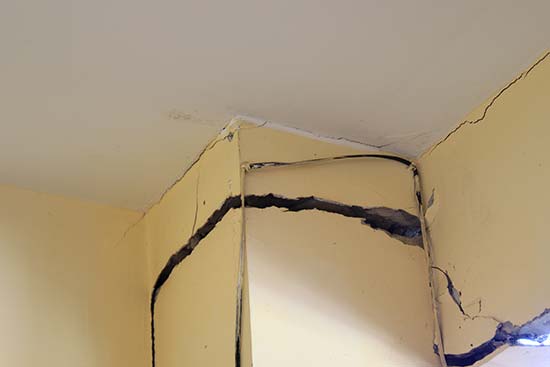
Not every drywall crack tells the same story. Effective drywall repair begins with understanding why it appeared in the first place. At MrWalls Drywall & Painting, we look beyond the visible surface to distinguish house settling, water damage, and movement within the underlying framing. Some drywall cracks are purely cosmetic; others warrant a closer assessment before crack repair begins.
House settling is common in a residential home, particularly after a new installation or through seasonal shifts in temperature and humidity. As soil, the foundation, and structural materials continue settling and adjusting, subtle movement can travel through the framing and show up at drywall joints. A thin, straight drywall crack near a doorway, along a wall joint, or at the ceiling line is often associated with normal settling. You may also see ceiling cracks or drywall ceiling cracks where materials meet. Wood framing naturally expands and contracts as interior humidity changes, placing stress on tape, taping, and joint compound without necessarily signaling a serious structural concern.
Water damage tends to leave a more distinct set of clues. Watch for yellow or brown stains, soft drywall, bubbling paint, a musty odor, or cracks accompanied by sagging. Water from a roof leak, plumbing issue, condensation, or an exterior opening can compromise drywall and cause the joint compound to fail. In these situations, simply covering the crack will not fix it. The water source must be corrected first, followed by thorough drying. Damaged material may also require removal before repair, drywall taping, mesh tape, and painting can deliver a durable, seamless finish.
The pattern of the cracks matters as much as their appearance. Hairline drywall cracks that remain stable are typically less urgent than wide, diagonal, or rapidly growing cracks. Recurring cracks, especially cracks that return after repair along the same wall joint, can indicate ongoing movement, loose framing, or another unresolved condition. Doors that stick, uneven floors, or cracks extending across several interior surfaces should be evaluated by the appropriate structural or foundation professional.
As a local drywall repair contractor, our role is to provide a clear, practical assessment and complete the repair correctly once the cause is understood. We check for moisture, assess the crack’s location and condition, and select the right reinforcement, compound, and finishing methods for the surface. Whether the concern involves drywall, a ceiling, or a wall joint, we help you make an informed repair designed to hold up over time.
| Possible cause | Common visual clues | What to check | Recommended next step |
|---|---|---|---|
| Normal house settling | Thin, straight cracks along wall joints, near doorways, or at ceiling lines; stable hairline cracks | Whether the crack remains stable and whether seasonal temperature or humidity changes may be affecting the home | Consider a straightforward drywall repair when there are no signs of moisture or serious structural concern. |
| Moisture-related damage | Yellow or brown staining, soft drywall, bubbling paint, musty odor, sagging, or cracks developing with these signs | Possible roof leaks, plumbing issues, condensation, or exterior openings; confirm the area is completely dry | Correct the water source first. Remove damaged material if needed, then complete the drywall repair. |
| Ongoing movement or structural concern | Wide, diagonal, rapidly growing, recurring, or returning cracks; cracks extending through several surfaces | Loose framing, repeated cracks at the same joint, sticking doors, uneven floors, and changes after prior repairs | Seek a closer evaluation from the appropriate structural or foundation professional before repairing the finish. |
Not every drywall crack requires a contractor. In many residential homes, small, thin cracks near a door frame, window corner, wall joint, or drywall joints are a routine sign of house settling. If the drywall feels firm, the crack is narrow, and it has not changed since you first noticed it, you may be able to fix it with basic crack repair methods. Use joint compound, paper tape or fibafuse where needed, then sand, prime, and paint. Preparation is everything: remove loose material, reinforce the damaged joint rather than simply covering it, and prime the repair before painting. Skipping tape is a common reason drywall cracks show through fresh paint.
Professional drywall repair is also a smart choice for highly visible areas with direct lighting. Long ceiling seams, recurring corner damage, and cracks around vaulted ceilings require a level, seamlessly blended repair. A smooth wall repair with roller texture on the surrounding surface, can make even a small patch stand out. We can determine whether the area needs retaping, skim coating, a wider repair, drywall replacement or multiple coats of paint.
The final painting step deserves the same care as the repair itself. Even a properly taped drywall crack can remain visible if the texture, sheen, or surrounding paint does not match. We prepare the surface carefully so the repair blends into the surrounding surface, then use the right primer and paint for a consistent finish texture. Whether you handle the crack repair yourself or call for help, addressing cracks early can keep a small cosmetic concern from becoming a source of stress in the family.
At MrWalls Drywall & Painting, we understand the difference between a ceiling repair that looks good today and one that remains smooth through seasonal changes. Lasting crack repair begins with proper drywall taping, not simply covering a visible line with compound and paint. Ceiling cracks and drywall ceiling cracks often appear when drywall joints shift slightly. That movement may result from normal framing movement, settling, house settling, vibration, humidity changes, or wood movement within the home. Without addressing the underlying cause during drywall repair, recurring cracks can reappear beneath fresh paint.
Our repair process begins with a detailed inspection of the joint, wall joint, and surrounding ceiling surface. We look for loose material, water damage, and signs that water or a previous installation issue may have affected the area. Before repairing damaged edges, we also confirm that the drywall is secure. Depending on the location and condition of the drywall crack, we may use mesh tape or paper tape. Mesh tape can bridge certain gaps effectively, while paper tape delivers a strong, refined finish on properly prepared drywall joints. The right taping approach depends on the joint, the damage width, and the stability of the surface, not a one-size-fits-all shortcut.
Next, we apply joint compound in measured layers rather than one heavy pass. Each compound layer is allowed to dry before sanding, then feathered wider than the last. This disciplined process blends the repair naturally into the surrounding ceiling plane. Quality drywall taping does more than reinforce a seam; it creates broad, smooth transitions that help fix it properly. Rushed work or overly aggressive sanding can leave ridges, shallow spots, or drywall cracks that stand out when light reaches the ceiling at an angle.
Once the surface is smooth, we prime repaired areas as needed before painting. Primer provides an even base for paint and helps prevent dull or flashing patches around the repair. Our careful interior painting process restores a consistent finish, whether the work is part of a residential repair or a broader home update. Paint is the final step, not the answer to recurring cracks. When drywall taping and joint compound are completed correctly, the result is a seamless ceiling repair designed to hold up over time.
Homeowners often ask whether drywall ceiling cracks are merely cosmetic or a sign of a larger concern. Fine, straight ceiling cracks can develop as a home undergoes house settling or as wood framing expands and contracts with seasonal change. However, drywall cracks that are wide or widen, return after being repaied, are not following a drywall corner or seam, or appear with sagging of the drywall deserve a professional look. A drywall crack that cracks the drywall sheet is rare and takes a lot of movement. Cracking where two pieces of drywall meet is normal if the finisher used mesh tape with all purpose compound. Always stick to paper tape or fibafuse unless you are using durabond setting compound over the tape.
Water damage requires prompt action. Brown stains, soft spots, bubbling paint, or a drooping drywall ceiling may indicate an active roof, plumbing, bathroom, or HVAC leak. Applying compound or painting over a stain before addressing the water source can conceal the issue rather than resolve it. The affected drywall may require removal so we can inspect the framing, insulation, and surrounding interior materials for moisture damage. If the ceiling is swollen, sagging, or soft, keep people clear of the area and arrange an inspection promptly.
Another common question is whether drywall repair can blend seamlessly with the existing finish. In most cases, yes. Quality crack repair involves far more than filling a hole or attempting to fix it with a quick patch. We secure loose material, replace damaged sections where necessary, and reinforce seams with drywall paper tape. Matching the paint roller texture is the hardest part of a repair. We either skim coat the whole surface, or apply coats of ceiling paint until the texture is uniform.
Call us when the damage is more than you can handle. A small nail hole, hole patch, or hairline crack is a good diy weekend project. Repairing cracking over a whole ceiling might be worth the labor cost we charge. We can identify what the problem is and explain the appropriate repair needed. Then deliver a clean, durable finish rather than a quick patch that fails again.
Fine, stable cracks along a drywall seam or near a wall-to-ceiling joint are often caused by normal settling, seasonal humidity changes, mesh tape. They are usually cosmetic, but a properly taped and finished repair should not return.
Arrange an inspection when a crack is wide and jagged, growing, isn't where two pieces of drywall meet, or appears with sagging. Cracks paired with sticking doors, uneven floors may require evaluation beyond drywall repair.
Look for brown or yellow stains, bubbling paint, soft drywall, a musty odor, swelling, or sagging. A roof, plumbing, HVAC, or condensation issue may be present. The moisture source must be corrected and the area dried before drywall repair begins. If it happens after a spring snow thaw then usually it is caused by an ice dam backing up water under your shingles. Consult an electrician to install heat tape on the first 4 feet to prevent ice from building up on the roofs edge that gets exposed to cold air.
A small, stable crack may be a manageable project. Recurring, long, stained, or sagging cracks are easier for a professional.
Paint alone does not reinforce a drywall crack. Without tape it will return. Returning cracks can result from mesh tape, loose drywall, or framing movement. A repair that will last addresses the underlying problem, and secures the board in place. Good repairs always require tape and multiple coats of joint compound.
Matching the paint roller texture is the hardest part of a repair. We either skim coat the whole surface, or apply coats of ceiling paint until the texture is uniform. You have a ceiling with years of paint coats creating a roller texture on the existing surface. Then the drywall repair is smooth as glass which will stand out unless you can even out the texture. Skim coat everything smooth, or apply coats of paint until the repair matches the rest
Happy taping, from the crew at MrWalls Drywall & Painting (413)302-0640