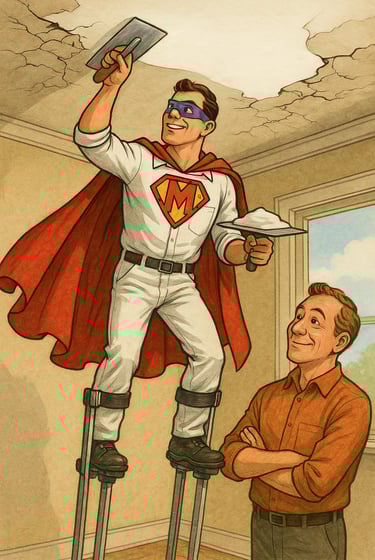
Mastering Drywall Repair: Tips for a Flawless Finish
Transform your space with flawless drywall repair. Discover our expert tips for mastering the art of achieving a smooth, professional finish every time.
DRYWALL REPAIRCEILING REPAIR
MrWalls Drywall & Painting
2/23/20269 min read
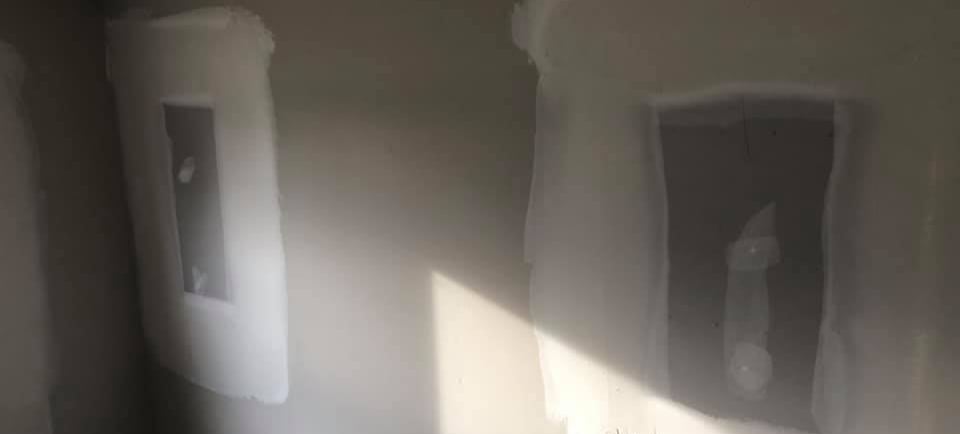
Mastering Drywall Repair: Tips for a Flawless Finish
Transform your space with flawless drywall repair. Discover our expert tips for mastering the art of achieving a smooth, professional finish every time.
Understanding Drywall: Types and Uses
Drywall, also known as gypsum board or plasterboard, is a construction material used to create walls and ceilings. It is made from gypsum plaster sandwiched between two thick sheets of paper. Drywall is favored for its ease of installation, durability, and fire resistance. It is a popular choice in both residential and commercial construction due to its cost-effectiveness and versatility. Whether you are constructing a new home or renovating an existing space, understanding the various types of drywall is crucial for achieving the desired finish.
There are several types of drywall, each suited for different applications. Standard drywall is the most common type, used in most interior walls and ceilings. It comes in various thicknesses, with 1/2-inch and 5/8-inch being the most typical. Fire-resistant drywall, also known as Type X, contains glass fibers that make it more resistant to fire. It is often used in garages, basements, and areas that require enhanced fire protection. Moisture-resistant drywall, often referred to as green board, is treated to resist mold and mildew, making it ideal for bathrooms, kitchens, and laundry rooms.
Another specialized type of drywall is soundproof or sound-dampening drywall, designed to reduce noise transmission between rooms. It is often used in media rooms, bedrooms, and multi-family housing. Lightweight drywall is another option, which is easier to handle and install, reducing labor costs and physical strain. By choosing the right type of drywall for your project, you can ensure the longevity and performance of your walls and ceilings.
Common Drywall Issues and Their Causes
Despite its durability, drywall is prone to a variety of issues over time. One of the most common problems is nail or screw pops, where the fasteners used to secure the drywall to the studs start to protrude. This can happen due to the natural expansion and contraction of wood framing, which causes the nails or screws to move slightly and push the drywall outward. These small bumps can be unsightly and, if left unaddressed, can lead to larger issues.
Another frequent issue is cracks in the drywall, often appearing around doors, windows, and corners. These cracks are typically caused by the settling of the building, which can place stress on the drywall. Poor installation techniques, such as insufficient joint compound or improper taping, can also contribute to cracking. In some cases, water damage from leaks or high humidity levels can weaken the drywall and cause it to crack or bubble.
Water damage is another significant concern, especially in areas prone to moisture, such as bathrooms and basements. Leaky pipes, roof leaks, or flooding can cause drywall to become saturated, leading to discoloration, swelling, and mold growth. Mold not only damages the drywall but can also pose health risks. Understanding the root causes of these common drywall issues is the first step in effectively addressing them and preventing future damage.
Essential Tools for Drywall Repair
Tackling drywall repair requires the right set of tools to achieve a professional finish. The basic tools you'll need include a utility knife, a drywall saw, and a putty knife. The utility knife is essential for scoring and cutting drywall, while the drywall saw is used for cutting out damaged sections and creating precise openings for electrical boxes. Putty knives come in various sizes and are used for applying joint compound and smoothing it out.
A key tool for drywall repair is the drywall taping knife, which is wider than a standard putty knife and is used for spreading joint compound over seams and patches. A sanding block or a pole sander is necessary for smoothing out the dried joint compound and creating a seamless finish. For larger repairs, a drywall lift can be invaluable for holding the drywall sheets in place while you secure them.
In addition to these tools, you'll need materials such as joint compound, drywall tape, and corner beads. Joint compound, also known as mud, is used to fill in gaps, cover seams, and smooth out surfaces. Drywall tape reinforces seams and helps prevent cracks from reappearing. Corner beads are used to create clean, straight edges at the corners of walls. Having the right tools and materials on hand will make the repair process more efficient and ensure a high-quality result.
Step-by-Step Guide to Patching Holes
Patching holes in drywall is a common repair task that can be accomplished with a few simple steps. First, prepare the area by removing any loose debris from the hole and lightly sanding the surrounding area. For small holes, such as those caused by nails or screws, you can use a pre-mixed spackle or joint compound. Apply the compound to the hole using a putty knife, pressing it in firmly to ensure it fills the hole completely. Smooth out the surface and let it dry.
For larger holes, you'll need to use a patch. Cut a piece of drywall that is slightly larger than the hole and trace its outline onto the wall. Use a utility knife or drywall saw to cut along the traced lines and remove the damaged section. Cut a piece of drywall tape or mesh to fit over the hole and secure it with joint compound. Place the drywall patch over the tape and press it into place. Apply a layer of joint compound over the patch, feathering the edges to blend with the surrounding wall. Let it dry, then sand it smooth.
For even larger holes, you may need to install a backing support. Cut a piece of plywood or a furring strip to fit behind the hole and secure it with screws. Cut a piece of drywall to fit the hole and attach it to the backing support. Apply drywall tape over the seams and cover with joint compound. Feather the edges and let it dry. Sand the area smooth and apply additional layers of joint compound as needed to achieve a seamless finish. With patience and attention to detail, you can patch holes of any size and restore the integrity of your drywall.
Techniques for Smoothing and Finishing
Achieving a flawless finish on drywall requires proper smoothing and finishing techniques. After applying the joint compound to seams, patches, or repairs, the next step is to smooth it out. Use a drywall taping knife to spread the compound evenly, applying thin layers and feathering the edges to blend with the surrounding wall. It's important to apply multiple thin coats rather than one thick coat, as this helps prevent cracking and ensures a smooth finish.
Once the joint compound is dry, the next step is sanding. Use a sanding block or a pole sander with fine-grit sandpaper to smooth out the surface. Sand in a circular motion to avoid creating grooves or scratches. Be sure to wear a dust mask and goggles, as sanding drywall produces a lot of fine dust. For larger areas, a drywall sander with a vacuum attachment can help minimize dust and make the job easier.
After sanding, inspect the surface for any imperfections. If you find any, apply a thin layer of joint compound and sand again once it dries. Repeat this process until the surface is completely smooth. For a professional finish, consider using a primer before painting. Primer helps seal the joint compound and provides a uniform surface for the paint. By taking the time to properly smooth and finish your drywall, you can achieve a flawless, professional-looking result.
Painting Over Repaired Drywall: Tips and Tricks
Painting over repaired drywall requires careful preparation to ensure a seamless finish. Start by cleaning the repaired area with a damp cloth to remove any dust or debris. Using a primer is crucial, as it helps seal the joint compound and provides a uniform surface for the paint. Choose a high-quality primer that is compatible with your topcoat paint. Apply the primer with a brush or roller, covering the repaired area and extending slightly beyond it to blend with the surrounding wall.
Once the primer is dry, you can start painting. Use a high-quality paint that matches the existing wall color. If you're unsure of the color, take a small sample to your local paint store for a color match. Apply the paint in thin, even coats, using a brush for edges and a roller for larger areas. It's important to feather the edges of the painted area to blend seamlessly with the rest of the wall. Allow each coat to dry completely before applying the next.
For the best results, apply at least two coats of paint. If the repaired area still stands out, consider painting the entire wall or room to achieve a uniform appearance. Be sure to follow the manufacturer's instructions for drying times and apply additional coats as needed. With careful preparation and attention to detail, you can paint over repaired drywall and achieve a flawless finish that blends seamlessly with your existing walls.
Preventative Measures to Avoid Future Damage
Preventing future damage to your drywall involves a combination of proactive measures and routine maintenance. One of the most effective ways to protect your drywall is to control moisture levels in your home. Use exhaust fans in bathrooms and kitchens to reduce humidity, and fix any leaks promptly to prevent water damage. Installing a dehumidifier in areas prone to moisture, such as basements, can also help maintain a dry environment and prevent mold growth.
Another preventative measure is to use corner guards or protectors in high-traffic areas. These guards can help prevent dents and scratches from furniture, pets, and everyday activities. Consider using furniture pads under heavy furniture to prevent damage when moving or rearranging items. Additionally, avoid hanging heavy items directly on drywall without proper anchors or support. Use wall studs or specialized anchors designed to hold heavier weights.
Regular inspections and maintenance can also help identify and address potential issues before they become major problems. Check your walls and ceilings periodically for signs of cracks, water damage, or other issues. Addressing these problems early can prevent more extensive damage and costly repairs. By taking these preventative measures, you can protect your drywall and maintain a flawless finish for years to come.
When to Call a Professional for Drywall Repair
While many drywall repairs can be handled by a confident DIYer, there are times when it's best to call in a professional. Extensive damage, such as large holes or widespread water damage, may require professional expertise to ensure the repair is done correctly and safely. Professionals have the experience and tools to handle complex repairs and can ensure that the underlying issues, such as leaks or structural problems, are properly addressed.
If you encounter mold growth on your drywall, it's important to call a professional. Mold can pose serious health risks and requires proper removal and remediation to prevent it from spreading. A professional can assess the extent of the mold damage, remove the affected drywall, and treat the area to prevent future growth. They can also identify and address the source of the moisture that caused the mold in the first place.
Additionally, if you are not comfortable with tasks such as cutting drywall, applying joint compound, or sanding, it may be worth hiring a professional. Poorly executed repairs can be more noticeable and may require additional work to correct. A professional can ensure a smooth, seamless finish that blends with your existing walls. By recognizing when to call in a professional, you can save time, avoid frustration, and ensure the best possible outcome for your drywall repair.
DIY vs. Professional Repair: Pros and Cons
Deciding between DIY and professional drywall repair involves weighing the pros and cons of each approach. DIY drywall repair can be a cost-effective option for minor damages, such as small holes, cracks, or dents. With the right tools and materials, many homeowners can successfully complete these repairs and achieve satisfactory results. DIY repair also offers the flexibility to work on your own schedule and the satisfaction of completing a home improvement project yourself.
However, DIY drywall repair also has its challenges. It requires a certain level of skill and attention to detail to achieve a professional-looking finish. Mistakes, such as applying joint compound too thickly or failing to sand properly, can result in noticeable imperfections. DIY repairs can also be time-consuming, especially for those who are not experienced in drywall work. Additionally, larger or more complex repairs may be beyond the capabilities of a typical DIYer.
Professional drywall repair, on the other hand, ensures high-quality results and can save time and effort. Professionals have the expertise to handle a wide range of drywall issues, from minor repairs to extensive damage. They have access to specialized tools and materials and can complete the work efficiently and effectively. However, hiring a professional comes with a higher cost, and scheduling may be less flexible.
Ultimately, the decision between DIY and professional repair depends on the scope of the damage, your skill level, and your budget. For minor repairs, DIY may be a viable option, while larger or more complex issues may be best left to the professionals. By considering the pros and cons of each approach, you can make an informed decision that best suits your needs and ensures a flawless finish for your drywall.
Conclusion: Achieving a Flawless Finish
Mastering drywall repair is a valuable skill that can enhance the appearance and longevity of your home. By understanding the types of drywall and common issues, you can effectively address damage and prevent future problems. Equipped with the right tools and techniques, you can tackle repairs with confidence and achieve a professional-looking finish.
From patching holes to smoothing and painting, each step of the repair process requires attention to detail and patience. Proper preparation and finishing techniques are key to ensuring that repairs blend seamlessly with your existing walls. Taking preventative measures can help protect your drywall and minimize the need for future repairs.
Knowing when to call a professional is also important, especially for extensive damage or complex issues. Whether you choose to tackle repairs yourself or hire a professional, the goal is to achieve a flawless finish that enhances the beauty and functionality of your space. By following these expert tips and techniques, you can master the art of drywall repair and transform your home with confidence.
Home | Services | Contact | Offices | Faq | Service Area | Blog | Appointment | Drywall Finishing | Drywall Taping | Drywall Repair | Plaster Repair | Ceiling Repair | Wall Repair | Drywall Installation | Drywall Hanging | Popcorn Ceiling Repair | Crack Repair | Hole in Ceiling | Hole In Wall | Interior Painting | Knockdown Texture | Water Damage Repair | Drywall Bathroom | Drywall Ceiling | Soundboard | Drywall Patch | Black Mold | Ice Dam Roof Leak | Drywall over Plaster | Wallpaper Removal | Fix a Hole | Skim Coating | Popcorn Removal | Apartment Turnovers | Massachusetts | Western MA | Springfield | Chicopee | Ludlow | Wilbraham | Longmeadow | East Longmeadow | Monson | Palmer | Belchertown | Granby | Amherst | Hadley | Northampton | Easthampton | Westhampton | Holyoke | South Hadley | West Springfield | Hampden | Agawam | Westfield | Southampton | Southwick | Granville | Hatfield | Lenox | Beckett | Lee | Great Barrington | Stockbridge | Huntington | Middlefield | Pelham | Plainfield | Ware | Williamsburg | Worthington | Brimfield | Blanford | Holland | Montgomery | Tolland | Wales | Refund Policy | Privacy Policy | Terms and Conditions


600 East Main St Chicopee, MA, 01020
203 Circuit Ave n39, West Springfield, MA 01089