Learn how to assess, dry, repair, and finish a water-damaged ceiling, and when water damage restoration or a professional is the safer choice.
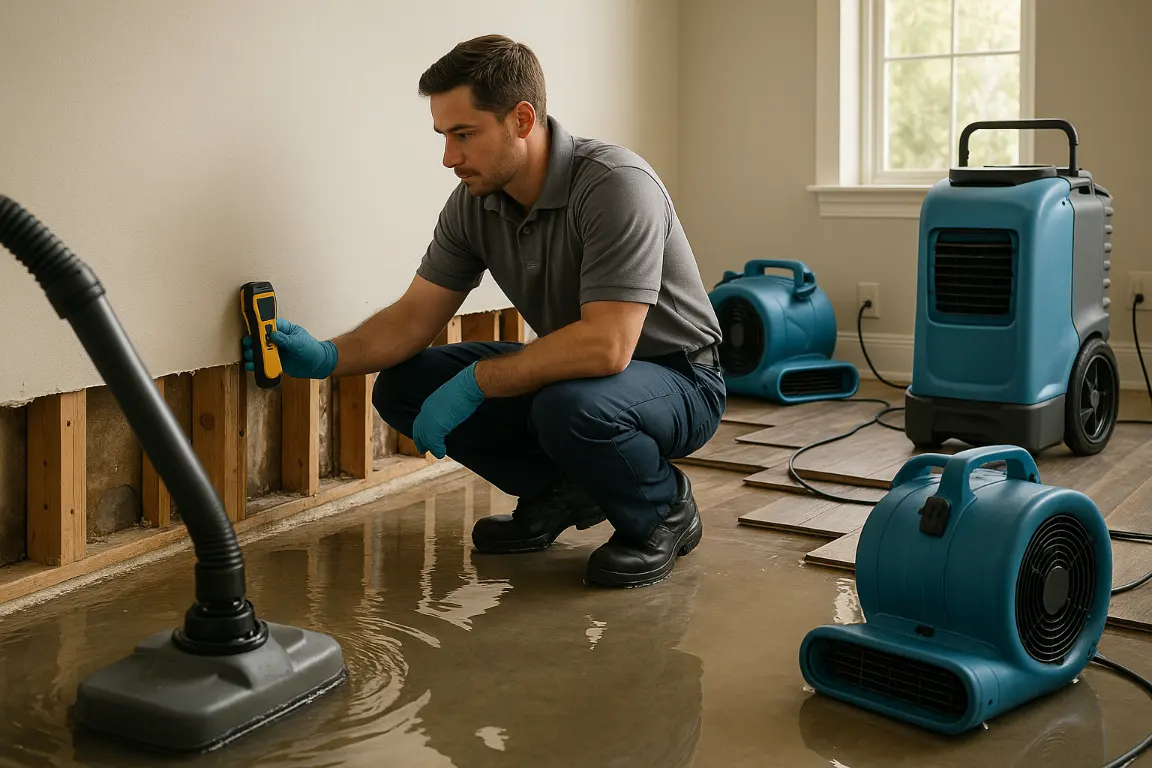
If you’re wondering how can I repair my ceiling after it has been water damaged, the first job is stopping the leak and making sure the area is safe. A stained or sagging ceiling can hide wet insulation, weakened drywall, or even electrical concerns.
Once the source is fixed, assess the damage carefully and let everything dry fully before patching, priming, or painting. Small, dry stains may be a manageable DIY repair; soft, crumbling, or bowed drywall is usually a sign to remove and replace the affected section, or call a qualified professional.
Repairing a water-damaged ceiling begins with safety: stop the leak, protect against electrical hazards, and allow the area to dry completely. Inspect drywall for softness, sagging, stains, or mold, and use professional restoration for widespread or ongoing damage. Once stable, remove compromised material, patch sound drywall, apply stain-blocking primer, and repaint. Addressing the moisture source first prevents recurring damage and costly repairs.
If you are asking how can I repair my ceiling after it has been water damaged, do not begin with patching. Water damage can weaken a ceiling, conceal electrical hazards, and spread through your home. First make the area safe, identify the cause, and allow materials to dry.
A ceiling leak is a symptom, not the repair itself. Move furniture and belongings away from the affected area, place a container beneath active drips, and turn off power to nearby lights or ceiling fixtures at the breaker if moisture may have reached electrical wiring. Never stand beneath a sagging, heavily water-damaged ceiling; it can fail without warning.
Next, stop the flow of water. If the leak is tied to a plumbing line, shut off the appropriate fixture valve or the home’s main water supply. For a roof leak, protect the interior only if it is safe to do so, then arrange prompt roof service. Condensation, overflowing tubs, failed appliance hoses, and upstairs bathroom leaks can also send water into drywall.
To locate the water source, trace staining beyond the visible wet spot and inspect the room above, attic, plumbing connections, and roof penetrations. Remember that water can travel along framing before it appears below. Once the leak is fixed, document the damage and dry the area thoroughly before evaluating whether the ceiling needs repair or replacement.
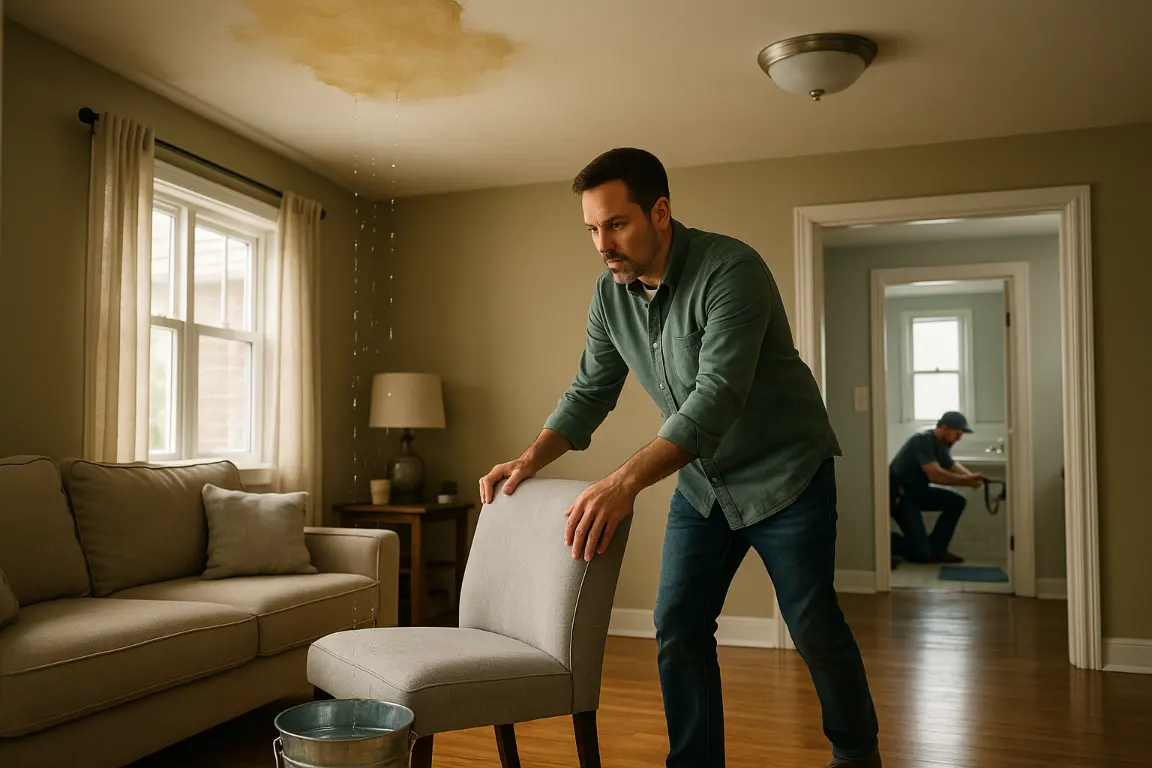
Start with a close look at the damaged ceiling, not just the visible water stains. Soft drywall, peeling paint, sagging areas or a musty smell can signal deeper damage. Document stains, check whether the drywall ceiling is dry, and watch for mold before planning repairs.
A small, fully dry stain from an old, corrected leak may only need localized drywall repair and repainting. But restoration is the safer choice when moisture is still present, the ceiling has softened or bowed, or the affected area extends beyond what is visible. Water can travel along framing, insulation and wall cavities, leaving damage that a surface patch will not resolve.
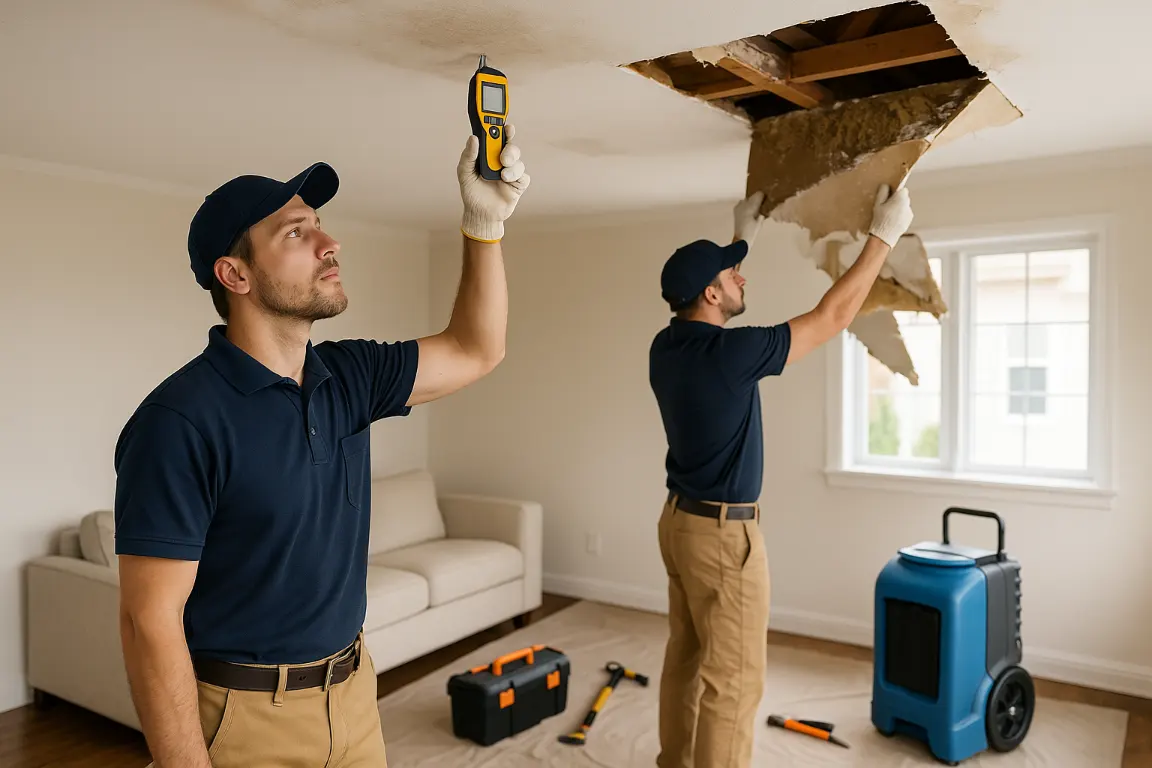
Professional water damage restoration services help identify the source, dry the assembly properly and determine whether removal is necessary. In many homes, prompt removal of saturated drywall and insulation prevents deterioration and reduces the chance of mold growth. Replacement work can then be completed on sound, dry framing rather than covering up a compromised area.
MrWalls Drywall & Painting approaches this work with repair quality and the finished room in mind. Once the moisture issue is addressed, we can restore clean ceiling lines, blend texture where needed and prepare the surface for a durable paint finish. That sequence protects both the appearance of the room and the investment in your home.
| Condition or sign | Localized repair may be appropriate | Restoration is the safer choice |
|---|---|---|
| Old leak stain | The stain is small, fully dry, and the leak has been corrected. | Moisture is still present or the source has not been fully addressed. |
| Ceiling or drywall condition | Drywall is sound and only needs a localized repair and repainting. | The ceiling has softened or bowed, indicating compromised material. |
| Extent of affected area | Damage is limited to a small, visible area with no indication of spread. | The affected area may extend beyond what is visible. |
| Potential hidden moisture | There is no evidence that water traveled beyond the surface area. | Water may have traveled along framing, insulation, or wall cavities. |
| Saturated drywall or insulation | Materials are dry and remain in sound condition. | Prompt removal may be needed to prevent deterioration and reduce the chance of mold growth. |
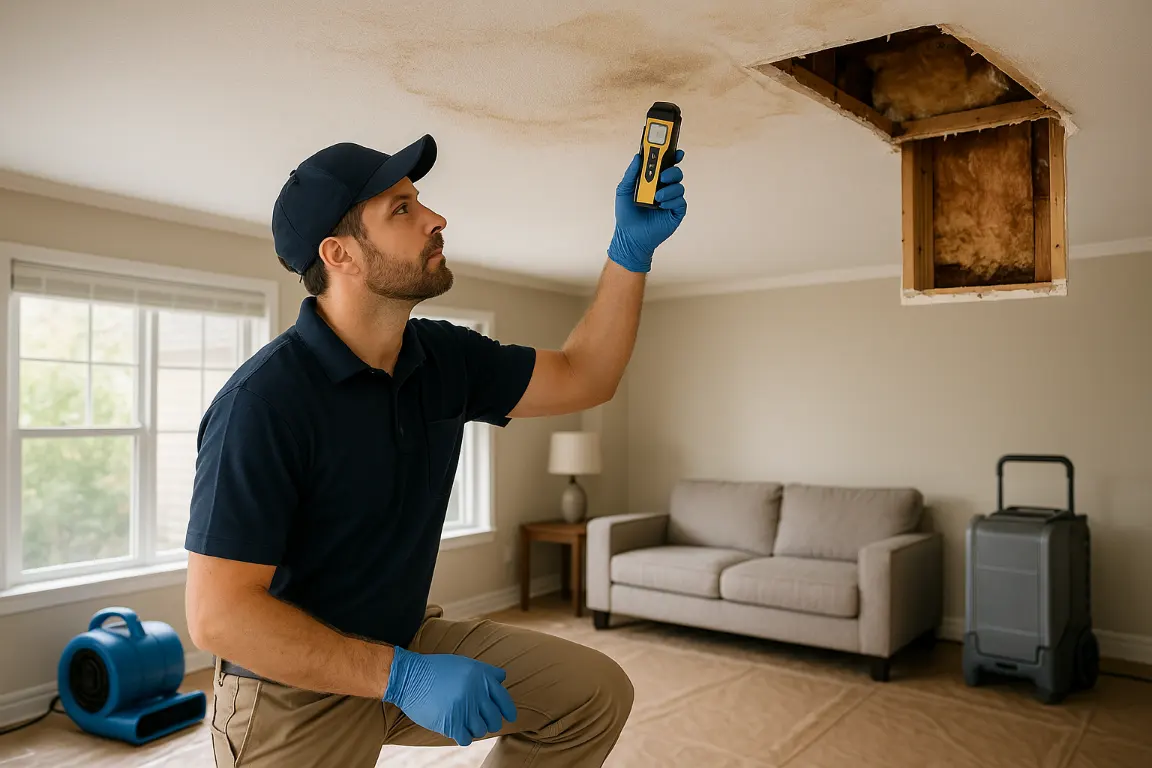
A small water-damaged area can often be repaired cleanly once the leak, condensation issue, or plumbing problem has been fully corrected. At MrWalls Drywall & Painting, we recommend waiting until the area is dry to the touch and stable before beginning drywall patching; sealing over damp material only delays a larger repair.
Prime the finished area again to prevent old discoloration from bleeding through. Then painting can blend the patch into the room, especially when the full wall is repainted from corner to corner. If the drywall feels soft beyond the visible stain, has a musty odor, or shows signs of mold, professional assessment is the safer next step.
A clean repaint can make a room feel finished again, but it should be the final step, not the first response to a leak. Before addressing water stains, MrWalls Drywall & Painting confirms that the moisture source has been corrected and that affected materials are fully dry. Otherwise, discoloration can return through fresh paint, and compromised drywall may continue to soften, sag, or support mould growth behind the surface.
Once the area is stable, the right approach depends on the extent of the damage. Simply treating smaller patches may be appropriate when the drywall remains firm, the stain is old and dry, and there is no evidence of spreading damage. The surface is cleaned, sealed with a quality anti-fungal primer, then blended into the surrounding ceiling with the correct paint sheen and texture. This prevents tannins and mineral marks from bleeding back through the finish.
More substantial stains deserve a closer inspection before painting begins. Brown rings, bubbling paint, peeling joint tape, or a soft ceiling surface can indicate that ceiling repair is still needed. In those cases, replacing damaged drywall and rebuilding the finish creates a more reliable result than trying to conceal the evidence.
Whether the work involves a discreet stain block or a larger restoration, the goal is the same: a ceiling that looks consistent, feels sound, and stays that way. Proper preparation makes the final coat more than a cosmetic cover-up; it makes it a lasting finish.
Ceiling repair is most successful when it starts with the cause, not the stain. A brown ring, soft drywall, or peeling paint may look like a small cosmetic issue, but each can point to an active ceiling leak above. Painting over the area or patching damaged board before the source is corrected often traps moisture and leads to another round of water damage.
First, make sure the area is dry and the leak has been professionally addressed. That may involve checking plumbing, roofing, an upstairs bathroom, or HVAC components, depending on where the damage appears. Then assess the ceiling material itself. Drywall that is swollen, crumbling, sagging, or mold-affected should be removed rather than skimmed over. A sound, fully dry surface can be repaired with the right patching, taping, sanding, and priming process.
Matching the finish matters, too. Rushed fixing can leave visible seams, uneven texture, or flashing paint that stands out in natural light. MrWalls Drywall & Painting approaches repairs with attention to both the underlying condition and the finished appearance, whether your home has a smooth ceiling or an older popcorn texture. A careful repair protects the room now and helps ensure a past leak does not become a recurring problem.
Protect the area, move belongings, catch active drips, and switch off power to nearby fixtures if water may have reached wiring. Do not stand under a sagging ceiling. Stop the water source before attempting any ceiling repair.
A small, old stain may be suitable for a DIY repair if the leak is fixed and the drywall is completely dry, firm, and free of mould. Soft, swollen, sagging, or widespread damage typically requires removal and professional assessment.
Wait until the moisture source has been corrected and the ceiling materials are fully dry and stable. Drying time varies with the extent of the leak, insulation, ventilation, and humidity. Patching or painting damp drywall can lead to recurring stains and further damage.
Not always. A stain may be from an older, repaired leak, but it should still be investigated. Water can travel along framing or through insulation, so the visible stain may not be directly below the source.
Replace drywall when it feels soft, crumbles, bows, sags, has peeling tape, carries a musty odour, or shows mould growth. Rebuilding on dry, sound framing provides a more durable result than covering compromised material with compound or paint.
After the ceiling is dry and repaired, clean the surface and apply a quality stain-blocking primer. Then use matching ceiling paint and sheen. Primer helps prevent mineral marks and old discoloration from showing through the finished coat.
Water damage restoration services are a sensible choice for active moisture, large affected areas, saturated insulation, sagging ceilings, suspected mould, or damage from plumbing and roof leaks. They can help dry hidden cavities and determine what must be removed before drywall repair begins.