Learn where moisture-resistant drywall works in a bathroom, which wet areas need other materials, and when water damage needs professional assessment.
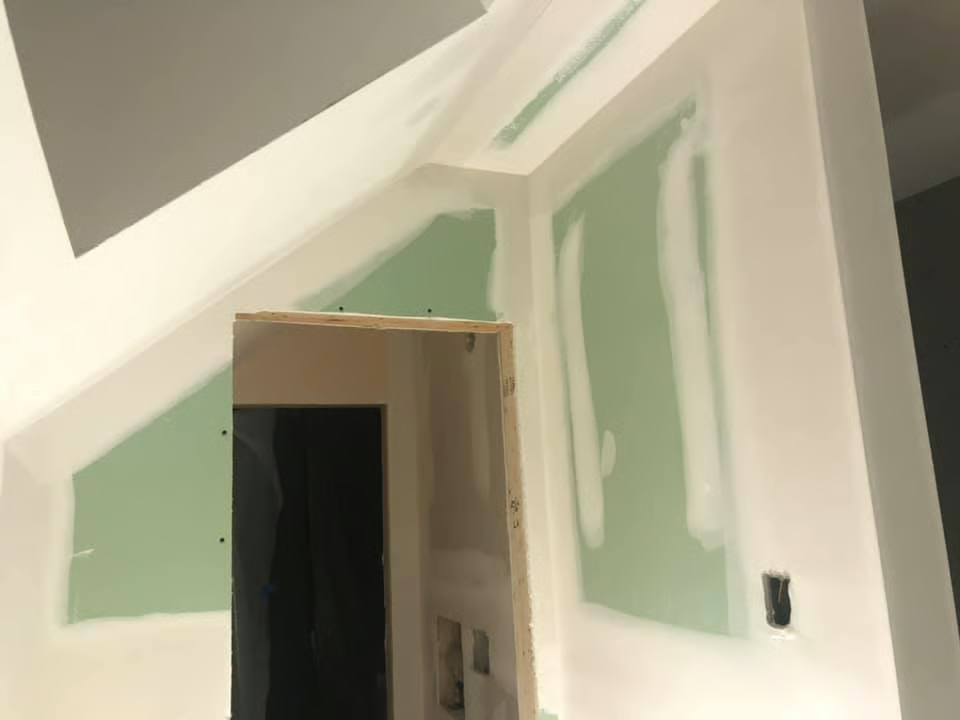
Moisture resistant drywall for bathrooms is a smart upgrade for bathroom walls and ceilings that face everyday humidity. This moisture-resistant drywall adds drywall moisture resistance, but it is not a waterproof board for a shower. Use the proper shower backer board behind tile, and reserve resistant drywall for lower-risk spaces, such as a powder room wall.
This guide clarifies where bathroom drywall, regular drywall, green board, purple moisture-resistant gypsum, and mold/moisture-resistant gypsum panels work best. We cover gypsum board, moisture-resistant paper, fire ratings, installation, ventilation, maintenance, and building requirements that may vary by brand, including usg products available at lowe's. Learn how moisture resistant drywall panels can help limit mold- related concerns while helping each bathroom wall stay sound.
Moisture-resistant drywall is a useful bathroom upgrade for ceilings, vanity walls, and other humid areas, but it is not waterproof or suitable inside showers. Use shower-rated backer board and waterproofing behind tile, ensure the exhaust fan vents outdoors, and seal joints and penetrations carefully. Repair minor damage promptly, but replace soft, swollen, stained, or mold-affected drywall after fixing the moisture source.
Moisture resistant drywall for bathrooms is a smart upgrade for the right areas, but it is not a waterproof wall system. Often called moisture-resistant gypsum board, green board, or purple board, this bathroom drywall handles higher humidity and occasional condensation better than regular drywall. Its gypsum core and moisture-resistant paper facing help slow absorption and improve drywall moisture resistance when the room is well ventilated and minor splashes are cleaned up promptly.
Moisture-resistant drywall panels work well outside the direct spray area. Use them behind a vanity, around a toilet, on a bathroom ceiling, or near a tub where the wall will be painted rather than tiled. Mold-resistant drywall can offer added protection in a busy family bathroom, while mold/moisture-resistant gypsum panels may suit spaces with regular humidity concerns. Still, “resistant” is the key word. Drywall moisture damage can develop when leaks, failed caulk, poor ventilation, or ongoing condensation keep the board wet.
Neither green board nor most purple moisture-resistant drywall should replace a shower-rated backer board with a properly installed waterproofing membrane. Inside a shower enclosure or the wet zone around a tub, choose a tile backer designed for direct water exposure. Cement board, foam backer systems, and approved waterproof panels provide the durability tiled shower walls need. Even a premium usg or other recognized brand of resistant drywall has limits once water gets behind tile.
Good material selection also depends on careful installation. Joints, fasteners, plumbing penetrations, and transitions between wall materials all need proper finishing. A quality bath fan vented outdoors is just as important. It helps protect paint, trim, ceilings, and the drywall itself while reducing future maintenance needs. Moisture-resistant gypsum is different from fire-rated drywall, so do not assume one board provides every benefit needed for a building project.
At MrWalls Drywall & Painting, we help homeowners choose the right material for actual conditions, not simply the product available at Lowe’s or lowe's. For a repaint, repair, or water-damage restoration, the best result starts with finding the moisture source, replacing compromised drywall where needed, and using the right board for each part of the bathroom.
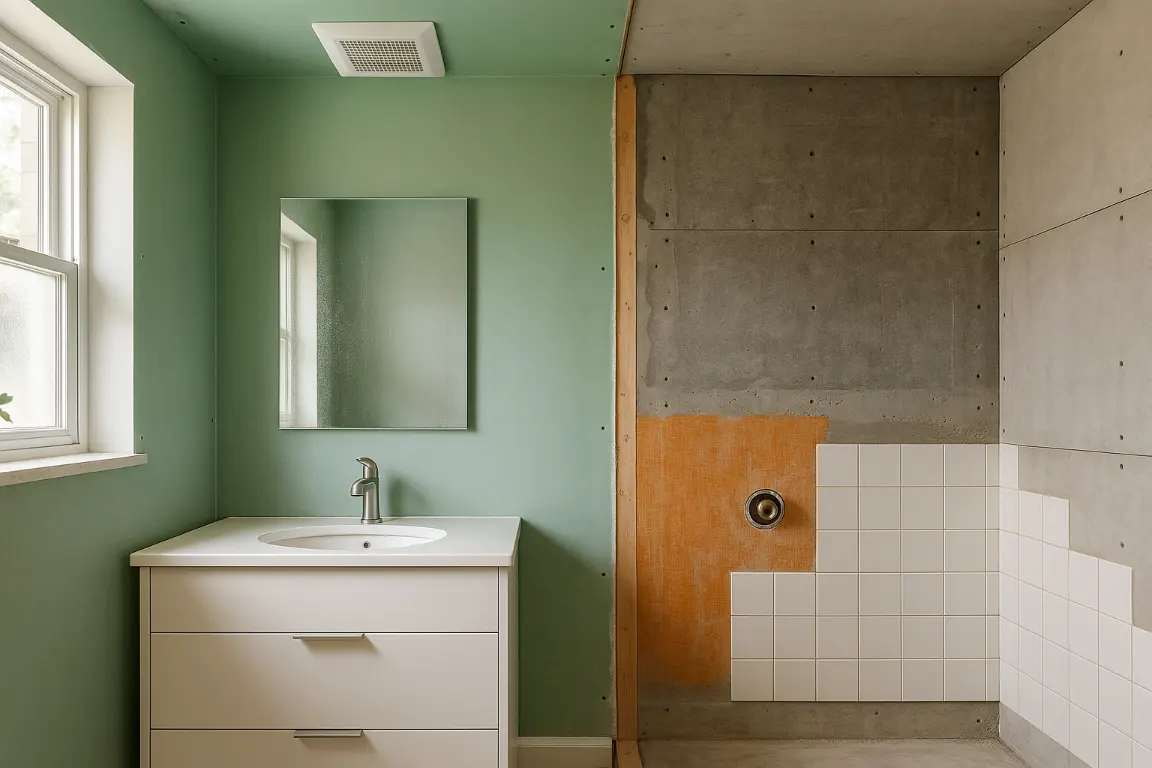
A bathroom is not one uniform environment. Bathroom walls behind a vanity, the ceiling above a hot shower, and the wall inside a tiled enclosure face very different moisture levels. At MrWalls Drywall & Painting, we assess each room by zone before recommending bathroom drywall repair or replacement. The right board matters as much as the quality of the installation.
In truly dry areas, regular drywall or standard gypsum board can be a practical, cost-conscious choice. A bathroom wall away from direct water exposure may only need careful finishing, quality paint, and dependable ventilation. Still, drywall moisture can be a concern in humid rooms or homes with past leaks. In those cases, moisture-resistant drywall, moisture resistant drywall for bathrooms, or moisture resistant drywall panels can provide worthwhile protection. Green board, purple board, and products from a trusted brand such as usg are common options. The best choice depends on the location and level of exposure.
Ceilings need extra attention because steam rises. A poorly ventilated bathroom ceiling can develop staining, peeling paint, sagging joints, or softened drywall before damage appears elsewhere. Moisture-resistant gypsum, moisture-resistant paper, and properly finished joints can improve resistance in this high-humidity area. If an older popcorn ceiling has absorbed moisture or shows water marks, removal can reveal the condition of the gypsum board beneath. It can also show whether repair, replacement, or mold- related cleanup is needed.
Splash areas around tubs and vanity sinks need materials that can handle occasional wetting, especially when caulk or grout begins to fail. The shower is different. Tile is a finish surface, not a waterproofing system on its own. Behind shower tile, the assembly needs suitable backer board and a correctly installed waterproofing layer. Conventional drywall and standard gypsum board should not be relied on where direct, repeated water exposure occurs. Mold/moisture-resistant gypsum panels and resistant drywall may work well in nearby areas, but they do not replace a proper shower waterproofing system.
Good bathroom building practice starts with controlling the source of moisture. Even a durable wall assembly can fail when a shower valve leaks, ventilation is inadequate, or water enters through damaged grout and sealant. Choosing the right board by zone supports lasting tile work, easier maintenance, and a more dependable finished room. Whether materials come from lowe's or another supplier, selecting the proper drywall for each area also helps protect the room from unnecessary damage and supports fire-rated requirements where applicable.
| Bathroom zone | Typical moisture exposure | Suitable board approach | Key installation consideration |
|---|---|---|---|
| Dry walls | Limited direct water exposure; may still experience humidity | Standard gypsum board can be appropriate in genuinely dry areas; use moisture-resistant board when humidity, poor ventilation, or leak history is a concern | Use sound finishing, proper paint, and reasonable ventilation |
| Ceilings | High humidity from rising steam, especially in poorly ventilated bathrooms | Moisture-resistant gypsum board | Use careful taping and a quality bathroom-rated coating; investigate staining, peeling paint, sagging joints, or water marks |
| Splash areas | Occasional wetting around tubs and vanity sinks, particularly if caulk or grout fails | Use materials that tolerate occasional wetting | Maintain caulk and grout to limit water entry behind the finish |
| Shower surrounds | Direct, repeated water exposure behind shower tile | Suitable backer board with a correctly installed waterproofing layer; do not rely on conventional drywall or standard gypsum board | Remember that tile alone is not a waterproofing system; address leaks, damaged grout, and failed sealant |
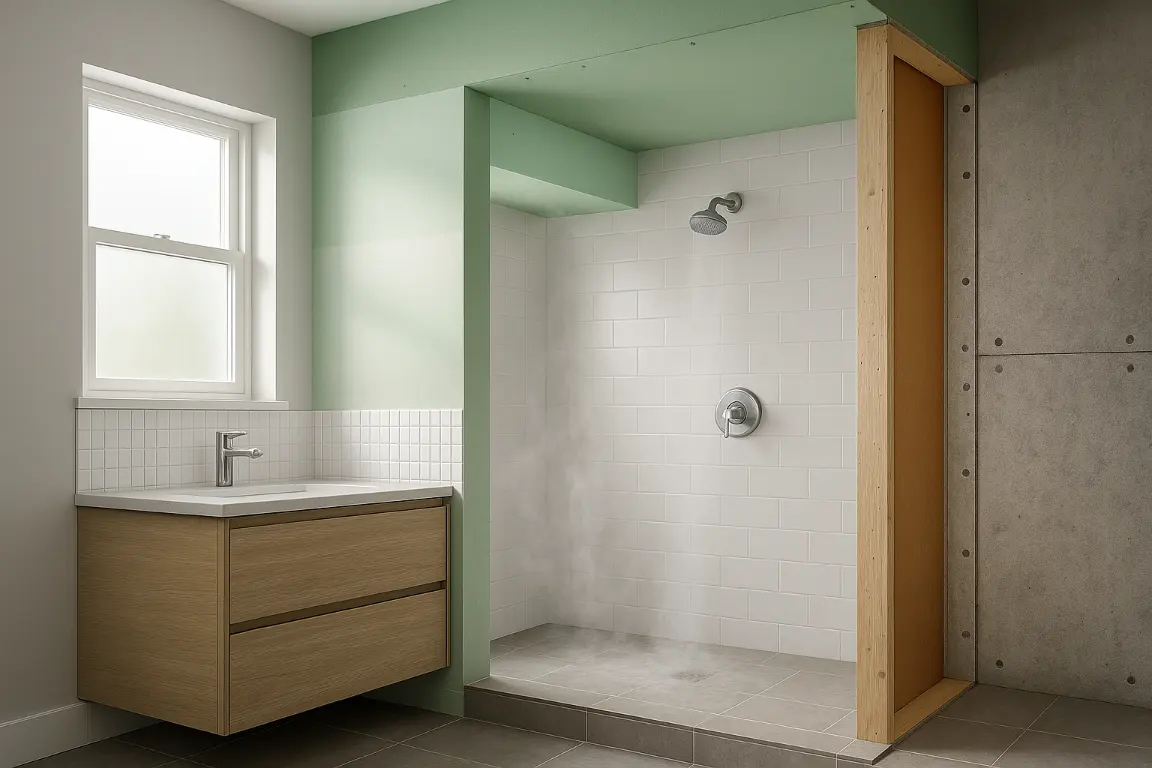
In any bathroom, durable finishes begin behind the paint and tile. Proper installation helps bathroom drywall stay strong for years, rather than softening, staining, or developing recurring mildew near the shower. At MrWalls Drywall & Painting, we review the full moisture path: where steam starts, how it leaves the room, which materials protect bathroom walls, and how every seam and opening is finished.
Regular drywall can work well on bathroom walls with normal humidity when the room has reliable mechanical ventilation. The exhaust fan should vent outdoors, never into an attic, soffit, or another enclosed building space. It should also be sized for the bathroom’s volume and daily use. Run the fan during showers and for at least 20 minutes afterward. This helps reduce drywall moisture on ceilings, corners, and cooler exterior wall surfaces. It is especially important in a bathroom without an operable window, where poor ventilation can damage paint, joint compound, gypsum, and drywall.
Material selection matters most near direct water exposure. Moisture-resistant drywall, also called green board or resistant drywall, is a practical choice for many bathroom wall and ceiling areas. Homeowners may also find moisture resistant drywall for bathrooms, moisture resistant drywall panels, moisture-resistant gypsum, moisture-resistant paper, or mold/moisture-resistant gypsum panels at lowe's or from a brand such as usg. Some purple products offer added resistance. Still, no moisture-resistant drywall is a waterproof backer for a shower. Behind shower tile, use an approved cement board or other tile backer board with the proper waterproofing system. Even moisture-resistant drywall can fail because of leaks, grout cracks, unsealed penetrations, or failing caulk.
Careful installation protects every edge and joint. Fasten each gypsum board panel correctly, finish seams cleanly, and seal gaps around plumbing, fans, and fixtures. These details limit air movement into wall cavities, where condensation, mold-, and fire concerns may go unnoticed. Simple maintenance also protects the finished room: run the fan consistently, repair drips promptly, replace failing caulk, and watch for bubbling paint or soft spots near the tub and shower. Addressing small signs early is far less disruptive than a larger drywall repair or water damage restoration project later.
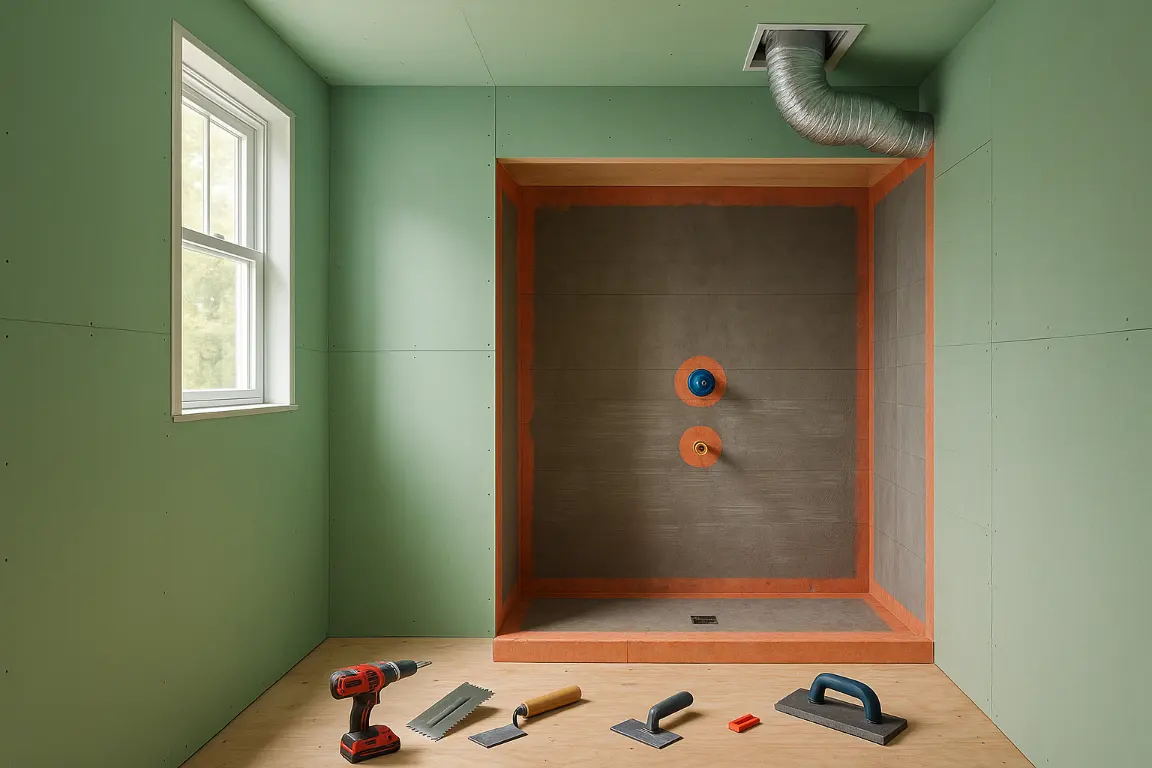
Many bathroom drywall problems can be repaired. The right choice depends on how far drywall moisture has traveled and whether the wall remains a sound surface for paint, tile, or fixtures. A small dent, popped fastener, or isolated stain may need only a patch, joint compound, primer, and fresh paint. But bathroom walls need regular maintenance. Steam and splashing can reveal weak seams, unsealed edges, and problems with regular drywall over time.
Watch for signs that the board has absorbed water. If drywall feels soft, swells at the edges, crumbles when pressed, or develops a returning stain, moisture may have reached the gypsum, insulation, framing, or nearby gypsum board. Painting over the issue is not maintenance. It can conceal mold-related damage and postpone necessary repairs.
Replacement is often the better option when a broad area of drywall is saturated, a plumbing leak occurred inside the wall, or damage is near a tub, shower, or toilet supply line. Removing the affected board allows a professional to inspect the building cavity, address the source, and prepare for proper installation. Depending on the room, moisture-resistant drywall, moisture resistant drywall for bathrooms, moisture resistant drywall panels, resistant drywall, green board, purple board, moisture-resistant gypsum, moisture-resistant paper, or mold/moisture-resistant gypsum panels can provide added resistance. Options from usg, lowe's, or another brand vary, so choose a product that fits the location, fire requirements, and finish plan.
Bring in a pro promptly if you notice persistent mustiness, visible mold-, repeated staining, or signs of a hidden leak. MrWalls Drywall & Painting can assess your bathroom drywall, recommend a practical repair or replacement plan, and restore the space with a durable, polished finish.
Yes. Moisture-resistant drywall is a good choice for bathroom walls outside direct water exposure, including areas behind vanities, around toilets, and many painted walls. It handles humidity and occasional condensation better than regular drywall, but it still needs good ventilation and prompt leak repairs.
No. Green board and purple moisture-resistant drywall are not shower backer materials. Shower walls and tub surrounds need an approved tile backer, such as cement board, foam backer board, or a waterproof panel system, with properly installed waterproofing behind the tile.
No. Tile and grout are finish materials, not a complete waterproof wall assembly. Water can enter through grout cracks, failed caulk, plumbing penetrations, and seams. A shower requires a water-resistant backer and a compatible waterproofing layer behind the tile.
It is often a worthwhile upgrade, especially in bathrooms with frequent hot showers or limited ventilation. Steam collects at the ceiling and can lead to peeling paint, stains, softened joints, and sagging. Proper taping, bathroom-rated paint, and an exhaust fan vented outdoors are also important.
Run the fan during the shower and for at least 20 minutes afterward. The fan should vent outdoors rather than into an attic or enclosed space. Consistent ventilation helps limit condensation on drywall, paint, trim, and colder exterior walls.
Replacement is usually appropriate when drywall feels soft, swells, crumbles, has widespread staining, or was saturated by a plumbing leak. Repeated stains, musty odors, visible mold, or damage near a shower or supply line may indicate hidden moisture that should be inspected before repairs begin.
No. Mold-resistant products can provide added protection, but no drywall can overcome chronic leaks, standing moisture, or poor ventilation. Find and correct the moisture source, replace compromised material when necessary, and maintain caulk, grout, plumbing, and ventilation.