Learn how to assess plaster ceiling damage, handle minor repairs, and choose plastering repair contractors for cracks, sagging, or moisture issues.
Plaster ceiling repair contractors are worth calling when cracks spread, plaster feels loose, or a ceiling begins to sag. Small cosmetic flaws may be manageable for a confident DIYer, but older plaster can fail in heavy sections. Learn what the warning signs mean, why damage happens, and when professional repair is the safer choice.
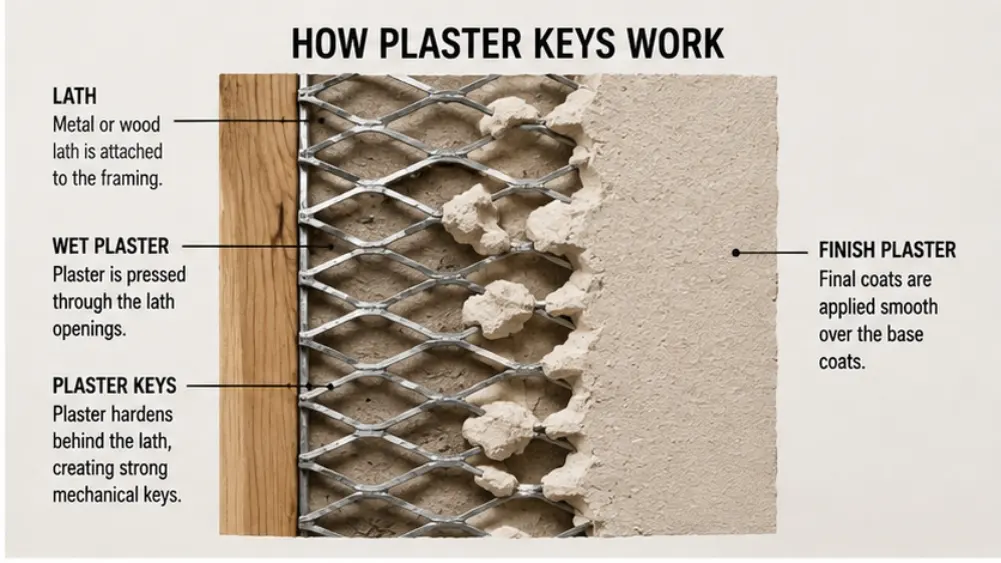
Loose, sagging, stained, or repeatedly cracked plaster ceilings often need more than a cosmetic patch. Water damage, failed plaster keys, and structural movement should be identified and corrected before repair. A qualified plaster ceiling contractor can stabilize or replace damaged areas, match existing texture, and prepare the surface for painting. Compare detailed quotes that explain the cause, repair process, protection, cleanup, and expected finish.
Older plaster has a character and durability that drywall cannot always match, but it also gives clear warnings when it begins to separate from its base. Loose plaster may sound hollow when lightly tapped, feel springy under gentle pressure, or develop a visible sag in a plaster ceiling. Small cracks are common with seasonal movement, particularly where walls meet ceilings, but widening, branching, or repeatedly returning cracks deserve attention. Watch for flaking paint, crumbling edges around a crack, and changes in surface texture that suggest damaged plaster beneath the finish. Brown rings, bubbling, or soft areas in the ceiling can indicate an active or historic leak, even if the surface now appears dry. A sudden bulge, falling debris, or a section that has pulled away from the wall calls for prompt professional assessment. MrWalls Drywall & Painting can identify the source, stabilize compromised areas, and restore a clean, seamless finish.
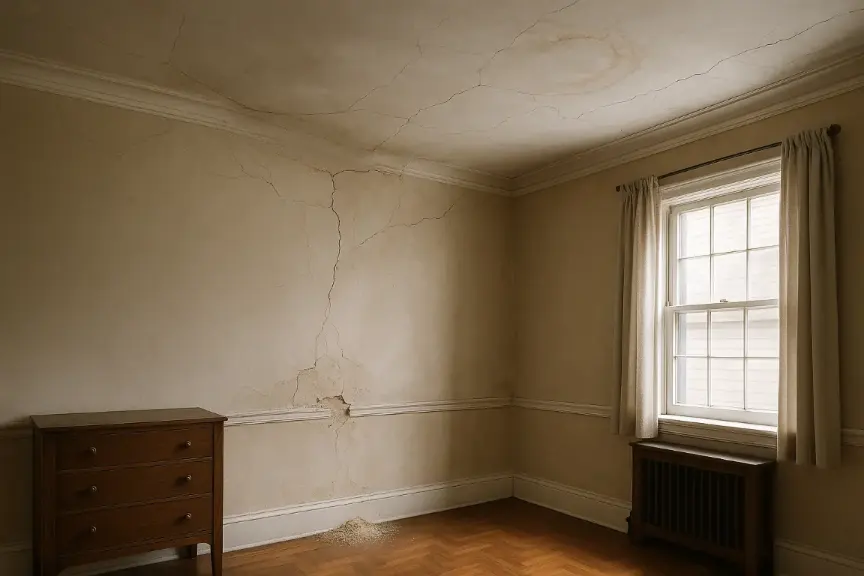
Plaster is durable, but age, movement, moisture, and failed fasteners can loosen it from the ceiling structure. A sound plaster repair begins with identifying the cause, not simply applying a patch. Careful plastering repair protects the finish and prevents a small job from becoming larger work. Stucco-like textures need matching skill.
A stained, soft, or sagging plaster ceiling almost always points to an active or previous water issue. Before scheduling ceiling repair, locate and correct the source: a roof leak, plumbing failure, overflowing fixture, failed flashing, or condensation above the ceiling. Repairing damaged plaster before the area is fully dry invites staining, mold growth, and renewed separation.
MrWalls Drywall & Painting assesses the ceiling’s stability, removes compromised material where needed, and allows the assembly to dry before rebuilding the surface. Once the repair is secure, the final steps, texture matching, priming, and painting, restore a consistent appearance. Addressing water damage in the right order keeps the project durable, not merely presentable.
A small scuff or hairline crack may be a reasonable DIY repair, particularly on modern drywall where the surface is dry, stable, and easy to reach. But ceiling work becomes less straightforward when staining, sagging, recurring cracks, or loose plaster enters the picture. Plaster ceilings can conceal failed keys, moisture damage, or movement above the finish; patching the visible area without addressing the cause often leads to another repair soon after. For a clean, lasting result, plaster ceiling repair contractors can assess whether material should be stabilized, removed, or rebuilt to match the surrounding surface. MrWalls Drywall & Painting handles plaster repair and drywall ceiling restoration with close attention to texture, paint readiness, and the source of damage. Professional service is also the safer choice for wide damaged areas, active leaks, or ceilings that feel soft or unstable. It may not be the fast fix, but it protects the room, and everyone beneath it.
| Situation or condition | DIY may be suitable when | Professional repair is the better choice |
|---|---|---|
| Minor surface scuff | The ceiling is modern drywall, dry, stable, and easy to reach. | The scuff is accompanied by staining, softness, or other signs of damage. |
| Hairline crack | The crack is minor and the surrounding surface is dry, stable, and accessible. | The crack returns after repair or may reflect movement above the finish. |
| Staining | — | Staining may indicate moisture damage or an active leak that needs diagnosis before repair. |
| Sagging ceiling | — | Sagging can signal unstable material or damage that requires assessment and stabilization. |
| Recurring cracks | — | Repeated cracking may mean the underlying cause has not been addressed. |
| Loose plaster | — | Loose plaster may involve failed keys and can require stabilization, removal, or rebuilding. |
| Wide damaged area, active leak, or soft ceiling | — | Professional service is the safer choice when the ceiling feels soft, unstable, or affected by an active leak. |
Damaged plaster calls for more than a quick patch. A skilled plaster contractor evaluates the cause, stabilizes the surface, and selects a lasting repair method. MrWalls Drywall & Painting provides plastering repair, ceiling repair, and related services tailored to the home’s original finish.
The right choice depends on the condition of the existing plaster, the scope of damage, and the character of the room. Sound plaster can often be resecured, repaired in layers, and blended to preserve a period-appropriate texture. This approach is especially valuable on a plaster ceiling, where a seamless result protects the room’s architectural integrity.
When moisture damage, failed keys, or widespread cracking affect a large ceiling area, drywall may offer a more practical and predictable repair. It creates a stable base for a smooth finish, updated texture, and painting. Cost is part of the decision, but so are durability, access, and the finish you want to live with long term.
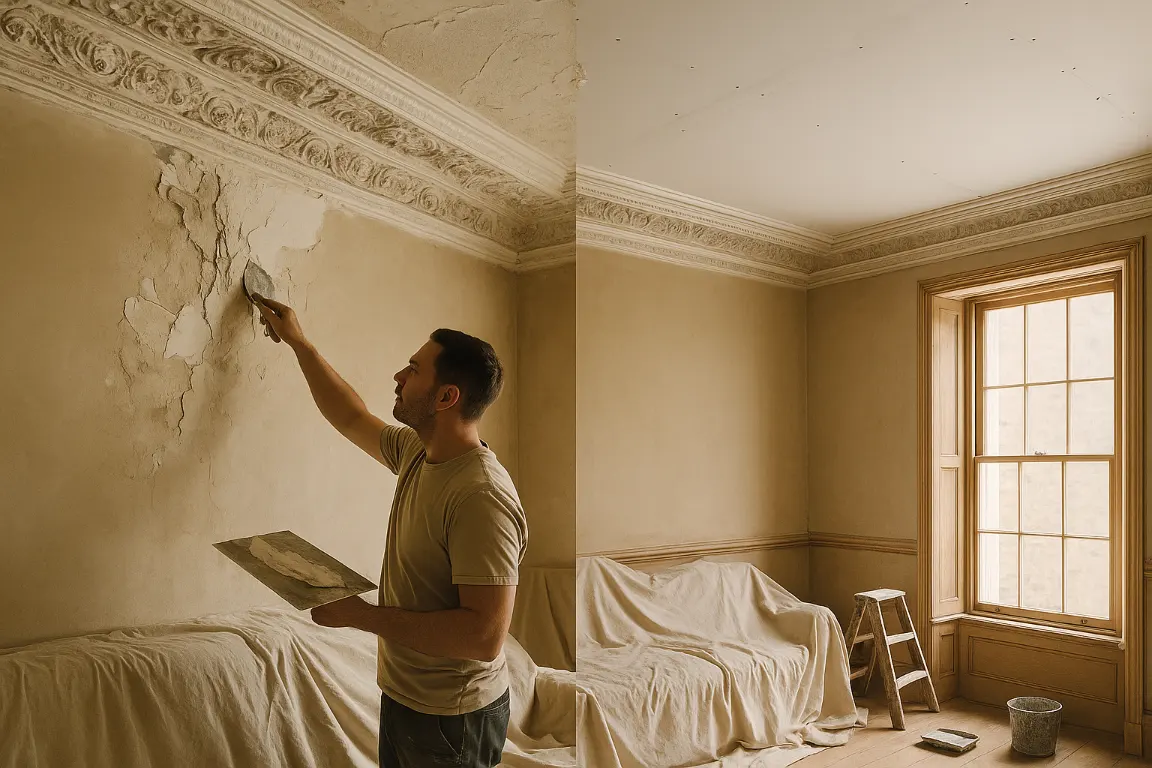
A free quote should do more than place a number beside your project. It should show how a plaster contractor has read the room: the cause of damage, the condition of the substrate, the repair sequence, and the finish expected once the work is painted. Ask whether pricing separates preparation, protection, materials, repair, and cleanup, and whether the scope identifies exclusions that could change the final cost.
For homeowners comparing plaster ceiling repair contractors, the useful differences are often in the details. Read recent reviews for comments on punctuality, dust control, communication, and how well pros matched existing texture or smooth plaster. Confirm that the company’s services fit the issue at hand, from moisture-related restoration to ceiling work, rather than accepting a generic estimate. In your location, especially across the Lancaster PA area, a thoughtful quote should also set out timing, access needs, and who will manage the work on site. MrWalls Drywall & Painting believes a clear scope is the first sign of a repair built to last.

The cost of plaster ceiling repair depends less on the visible crack alone than on what caused it and how far the damage extends. A small, stable hairline crack may require modest preparation, patching, sanding, and painting. A sagging area, repeated staining, or loose plaster calls for more involved work: securing failing material, addressing moisture, rebuilding the surface, and blending the repair into the surrounding ceiling. Access also shapes the job. High ceilings, occupied rooms, detailed trim, and furniture protection can add time to the project. If water damage is involved, the source must be corrected before plaster work begins; otherwise, even a beautifully finished ceiling repair can fail again. MrWalls Drywall & Painting evaluates the full condition of the ceiling, not just the damaged spot, so homeowners receive a clear scope, careful containment, and a finish that is ready for seamless painting.
A plaster ceiling can last for generations, but leaks, settling, vibration, and age can leave homeowners with cracks, stains, or loose plaster. The right plaster repair depends on what is happening behind the surface, not simply how the damaged plaster looks from below. Fine hairline cracking may be stabilized and refinished, while sagging areas, recurring water marks, or sections pulling away from the lath call for a closer inspection. MrWalls Drywall & Painting evaluates the ceiling structure, identifies moisture-related concerns, and recommends a repair that suits the room and the home’s construction. In some cases, preserving original plaster is the best choice; in others, selective removal and drywall replacement delivers a cleaner, more durable result. Avoid scraping or patching a soft, bowed ceiling yourself, particularly after a leak. Addressing loose material promptly helps protect floors, furnishings, and everyone beneath it, while allowing the repaired area to blend naturally with the surrounding finish.
Look for sagging, hollow-sounding areas, widening cracks, flaking paint, soft spots, stains, or falling debris. A bulge or loose section requires prompt professional assessment, especially when water damage may be involved.
Yes, but the leak or moisture source must be corrected first. The ceiling should be fully dried, unstable plaster removed or secured, and the surface rebuilt before texture matching, priming, and painting.
Sound plaster can often be stabilized and repaired to preserve the room’s original character. Drywall may be a better option when damage is widespread, keys have failed, or moisture has weakened a large ceiling area.