Learn how to spot plaster damage, handle minor cosmetic repair, and know when Boston homes need a professional assessment for cracks, loose walls, or ceilings.
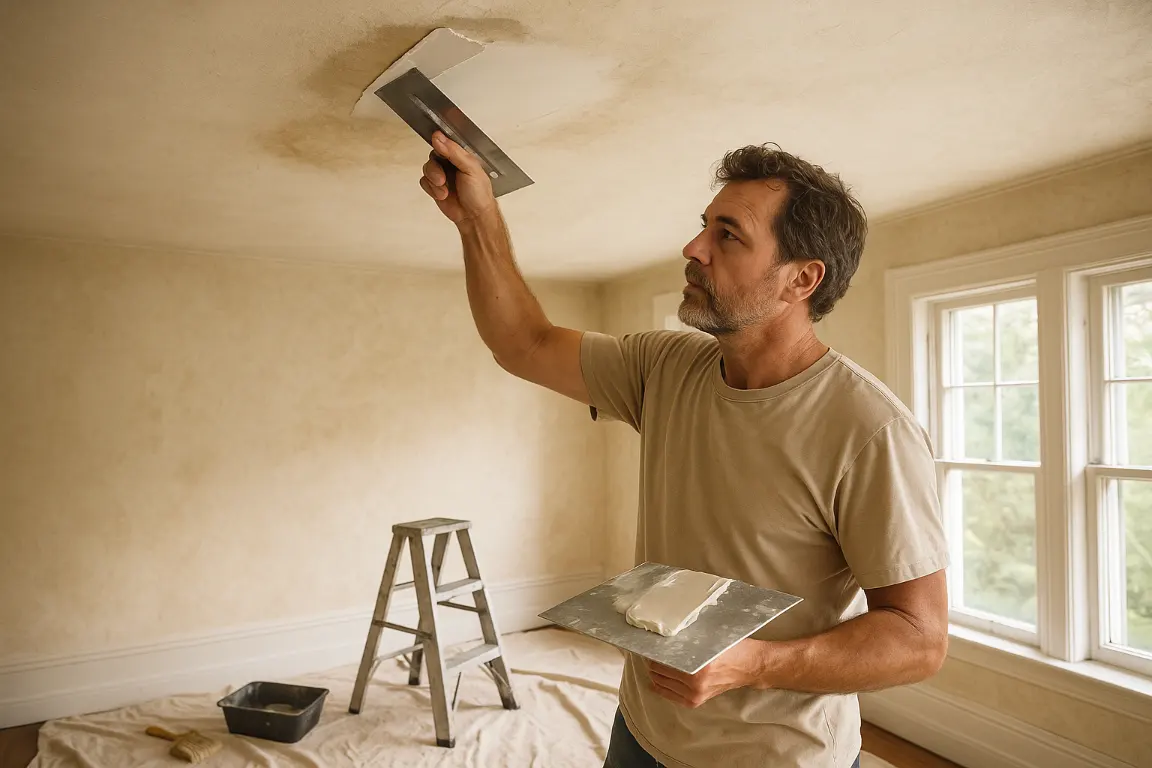
Plaster repair in Boston starts with determining what kind of damage it is. Hairline cracks, loose ceiling plaster sections where the plaster keys have broken, water stains, and missing old patches that weren't done correctly can point to very different paths to fix the damage, especially in older homes with lath-and-plaster walls. Learn what you can safely repair yourself, when a skilled plaster contractor is the better call, and how to plan work that preserves your home’s character.
Boston plaster repair requires more than a quick patch: cracks, holes, loose plaster, and ceiling damage should be assessed for movement, moisture, and underlying adhesion. Sound, localized damage can often be repaired and blended to match original surfaces, while widespread deterioration may call for skim coating or replacement. Professional preparation creates a durable, smooth foundation for a refined painted finish.***/
Boston homes often carry layers of history behind their walls: original plaster, later renovations, and the small shifts that come with New England seasons. MrWalls Drywall & Painting provides plaster repair in Boston with an eye for both structural soundness and a refined finish. We repair hairline cracks, loose or damaged ceiling plaster, nail pops, impact holes, and areas affected by water intrusion. The right repair is not simply a matter of filling a gap. It begins with securing compromised material, addressing the cause of damage where possible, and rebuilding the surface in thin, controlled layers. Our team matches surrounding texture and planes so the completed area reads as part of the room, not as an obvious patch. Whether you are preserving a period interior or restoring a well-used family space, professional plaster repair helps walls and ceilings look composed again.
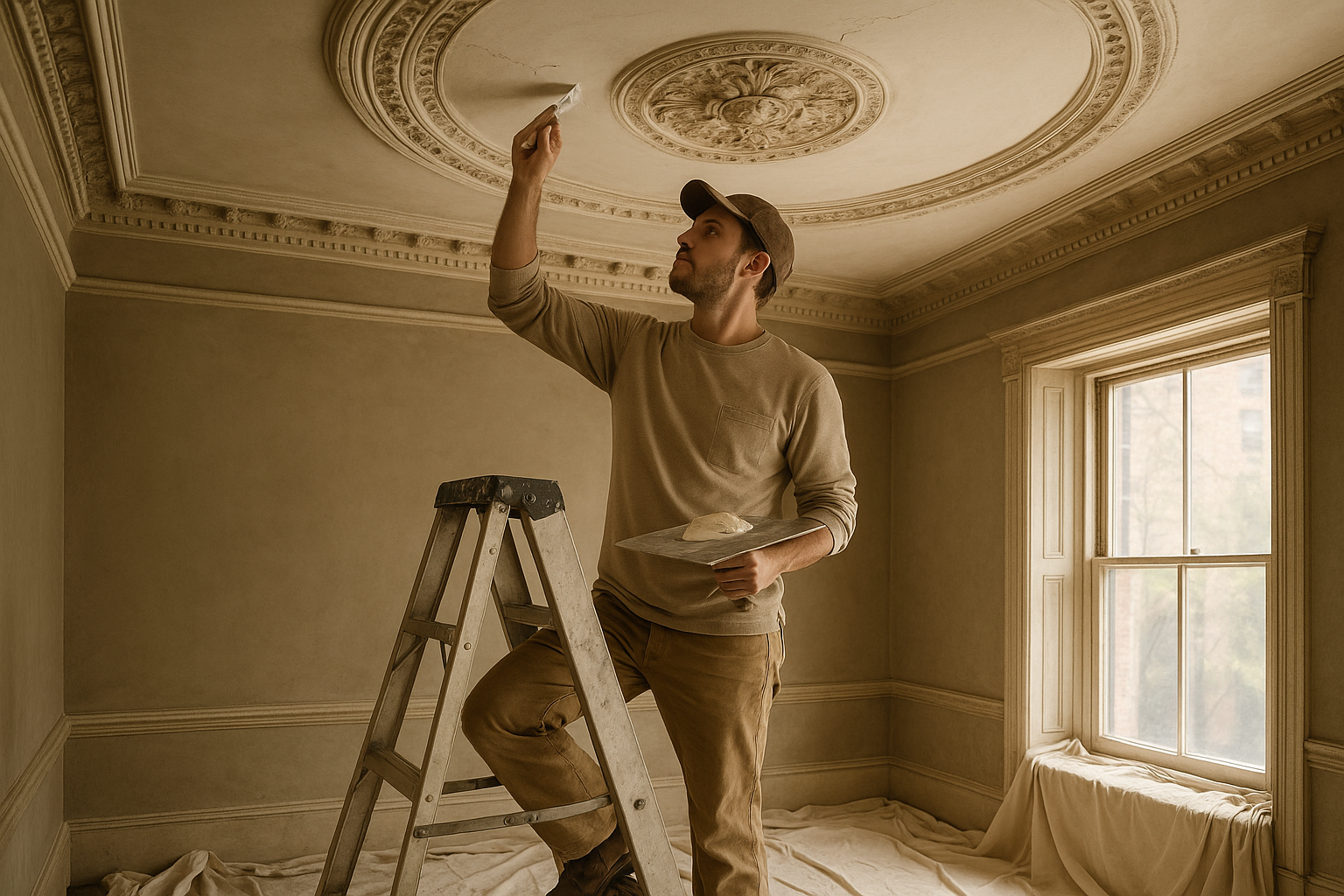
Boston’s older housing stock gives rooms remarkable character, but plaster walls and ceilings need informed care. Seasonal movement, past leaks, and decades of settling can all call for precise plaster repair before interior painting can deliver a clean, lasting finish in the spaces where Boston residents live.
Fine cracks often appear where a home has shifted slightly through Boston’s freeze-thaw seasons. They may be cosmetic, but recurring lines can also indicate a weakened joint or failing plaster key behind the surface. Larger cracks, especially those with uneven edges, deserve closer assessment before repair begins. Small holes from picture hooks, old hardware, or electrical updates are simpler, yet still require careful filling and sanding to disappear under paint. In some areas, drywall repair may be the appropriate solution; elsewhere, matching the original plaster texture preserves the room’s character.
Loose plaster can sound hollow when tapped, sag on a ceiling, or crumble along baseboards and window openings. This is common in historic Boston homes with horsehair plaster, where age, vibration, and moisture have weakened the bond between plaster and lath. Damaged outside corners also need more than a quick patch: they must be rebuilt square and reinforced to withstand everyday contact. Proper work addresses the cause, secures unstable material, and blends the repaired area into the surrounding wall. Careful preparation is essential before painting drywall or plaster surfaces for a uniform result.
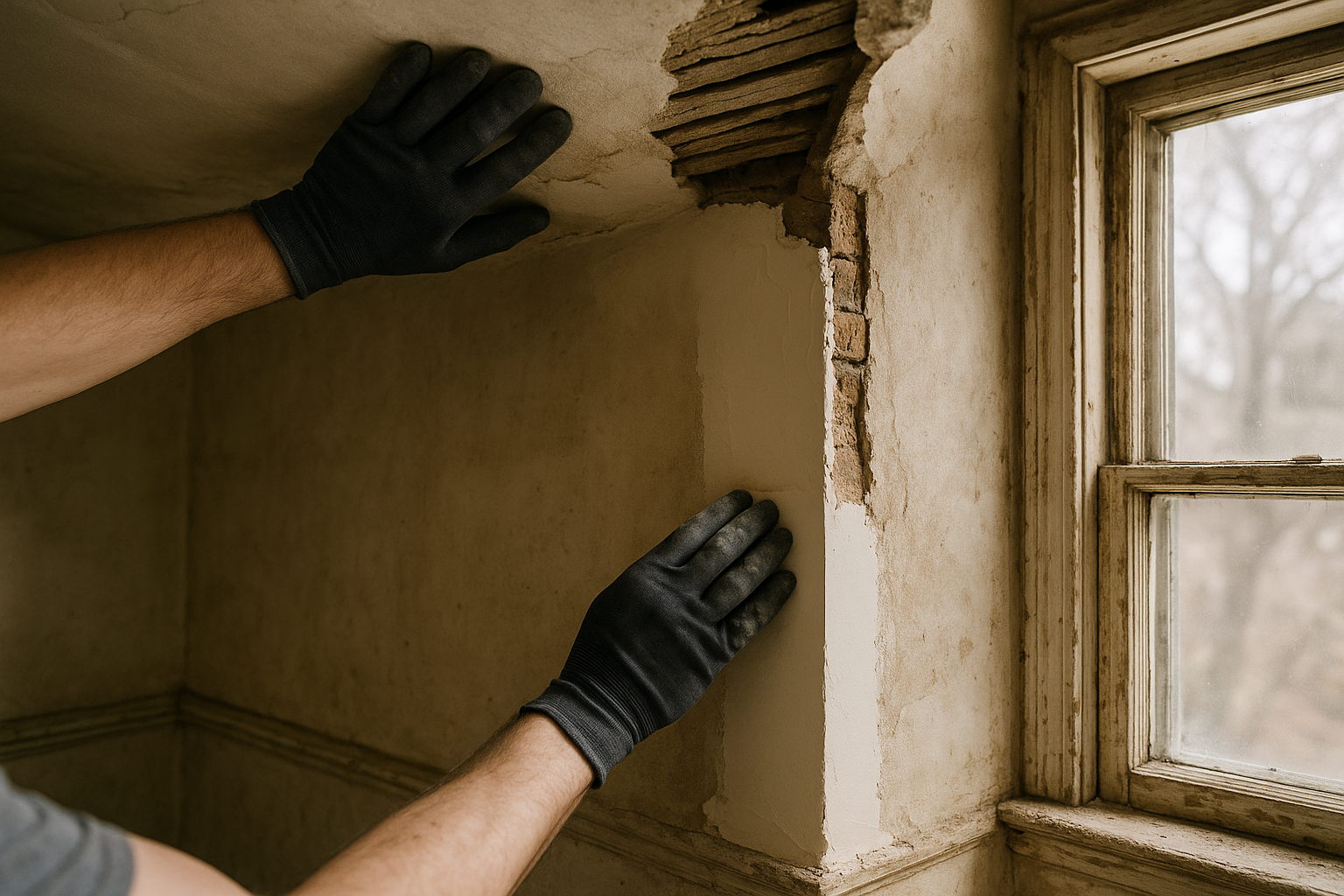
Plaster repair can preserve the character and durability of an older home when the underlying surface remains stable. The right repair depends on adhesion, moisture history, cracking patterns and the condition of the wall or ceiling behind the finish.
Localized repair is often the preferred method when plaster is firmly bonded to its lath, with damage limited to a few cracks, small holes or a contained water stain. MrWalls Drywall & Painting first checks for movement, hollow areas and active moisture; a beautiful patch will not last if the substrate is failing.
Once the area is stable and dry, loose material is removed, cracks are reinforced as needed, and the surface is rebuilt in compatible layers. Careful sanding and priming help the repaired area blend into the surrounding wall, ready for a consistent painted finish.
When plaster is broadly uneven but still secure, skim coating can restore a smooth, paint-ready surface without removing the entire wall. It is especially useful after wallpaper removal, repeated patching, or minor surface cracking. Proper preparation remains essential, including sealing stains and addressing any source of water intrusion before finishing begins.
If plaster has detached extensively, crumbles to the touch, or shows recurring moisture damage, replacement may be the safer long-term investment. Drywall repair can address isolated openings, while full replacement creates a stable substrate for interior painting. For painting drywall, clean seams, correctly feathered compound and quality primer from a trusted local paint store make the difference between a merely covered wall and a refined result.
| Option | Best suited for | What it addresses | Key preparation or limitation |
|---|---|---|---|
| Skim coating | Broadly uneven but secure plaster | Creates a smooth, paint-ready surface after wallpaper removal, repeated patching, or minor surface cracking | Seal stains and resolve water intrusion before finishing; not appropriate where plaster is extensively detached or crumbling |
| Isolated drywall repair | Localized openings in drywall | Repairs limited damaged areas without replacing the full wall | Clean seams, correctly feathered compound, and quality primer are important before painting |
| Full replacement | Plaster that has detached extensively, crumbles when touched, or has recurring moisture damage | Provides a stable substrate for interior painting | May be the safer long-term investment when the existing wall surface is no longer sound |
Plaster ceilings bring character to older homes, but age, movement, and moisture can weaken their bond to the lath behind them. Timely plaster repair protects the room below, preserves original details, and helps prevent a small repair from becoming a larger restoration project.
Hairline cracking is common in older plaster, but widening cracks, a pronounced sag, or a surface that sounds hollow when gently tapped deserve prompt attention. Brown staining, peeling paint, or softened areas can indicate an active or prior leak that has compromised the ceiling’s structure.
Do not scrape, drill, or place furniture beneath a ceiling that appears to be pulling away. Loose plaster can be heavy and unpredictable. MrWalls Drywall & Painting can assess the cause, stabilize vulnerable areas, and recommend repair work that respects the home’s existing finish while addressing the underlying issue.
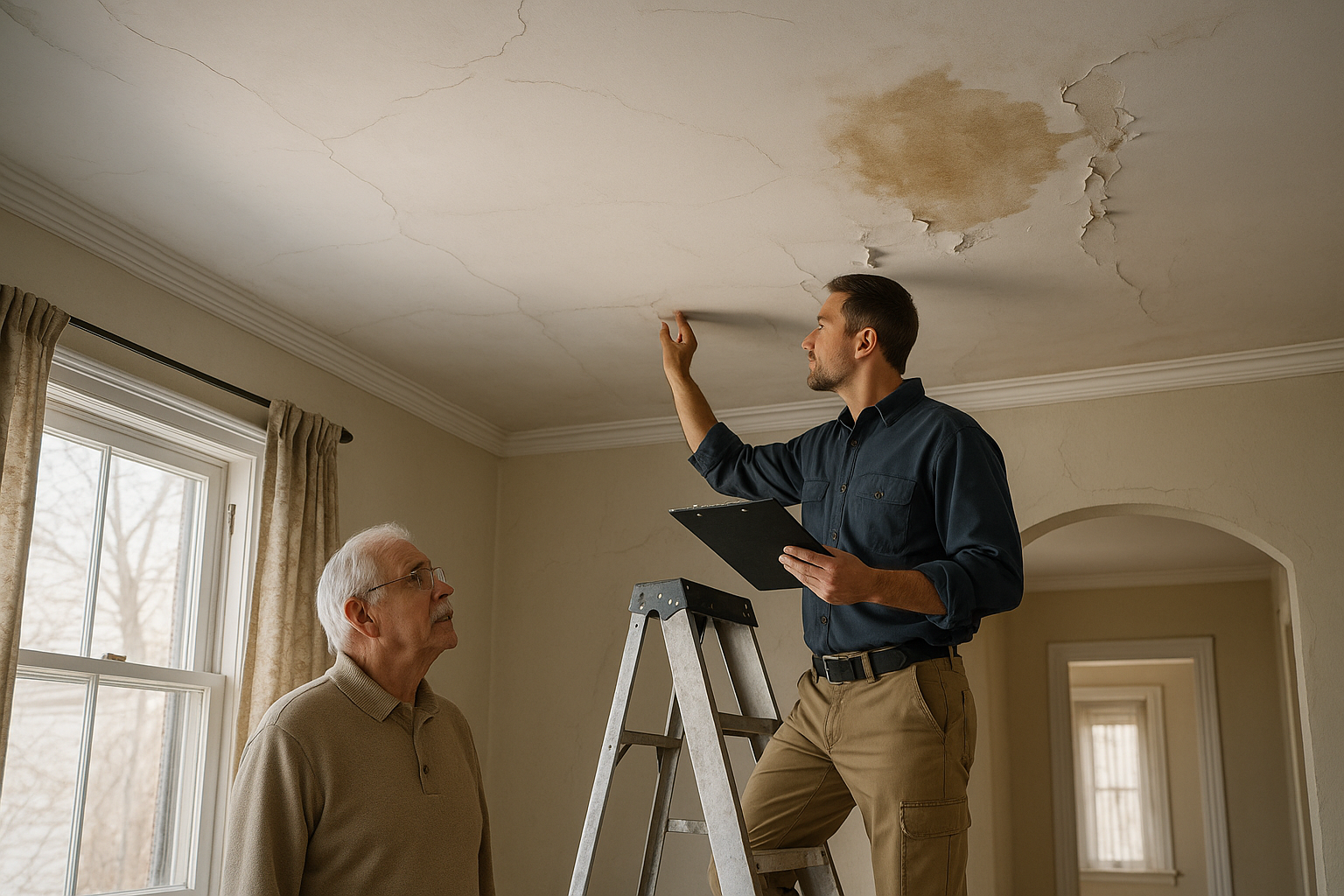
Water-damaged plaster deserves a measured response. Whether the cause is a slow plumbing leak, roof intrusion, or one of those sudden household events that sends water through a ceiling, begin by stopping the source and protecting the room below. Move furnishings, place containers under active drips, and switch off electricity to the affected area if water is near fixtures or outlets. Then document the damage with clear photos before drying begins.
Plaster can retain moisture behind an apparently dry surface, so peeling paint, staining, sagging, softness, or a hollow sound should be taken seriously. Avoid simply painting over the mark; trapped moisture can lead to further deterioration and mold. MrWalls Drywall & Painting assesses the full extent of the problem before recommending plaster repair, from careful drying and stabilization to replacing failed sections. Prompt, professional repair helps preserve the character and durability of your walls and ceilings.
Small nail holes and shallow scuffs can be reasonable DIY projects when you have the right tools, patience, and a sound repair method. Before heading to the hardware store, do some research: a reputable plaster repair blog, manufacturer guidance, and training videos can clarify which products suit your wall. A local contractor’s newsletter, live webinars, and community events may also offer useful advice on preparation, painting drywall, and finish work. Still, plaster is less forgiving than it appears. Cracks that return, loose or hollow-sounding areas, water staining, and damaged lath often point to issues beneath the surface. While minor drywall repair may be straightforward, matching an older wall’s texture and sheen takes practiced hands, particularly where repairs meet original plaster. MrWalls Drywall & Painting recommends professional assessment for plaster repair in boston when damage is widespread, moisture-related, or located on ceilings, where a lasting repair matters more than a quick patch. Professional interior painting, painting interior surfaces, and specialized triple-decker painting work can also help ensure the repaired area blends seamlessly with the surrounding wall.
At MrWalls Drywall & Painting, plaster repair work is handled as a finish-sensitive process, not a quick patch. After stabilizing the damaged area, our team rebuilds the surface in measured layers, then prepares it for painting interior spaces with a seamless, durable result.
The final stages determine whether a repaired wall disappears into the room or remains visible in changing light. Once the plaster has cured, we sand and refine the surface to match the surrounding texture, from smooth contemporary walls to subtle older-home finishes. A quality primer seals the repair and creates an even base for interior painting, preventing uneven sheen or flashing.
For painting interior walls, we assess the existing colour, finish, and condition before blending the new coat into adjacent areas. Where needed, painting drywall and plaster together requires different preparation, but the completed surface should read as one continuous plane: clean, consistent, and ready for everyday life.
A sound estimate considers more than the visible crack or stain. The repair scope reflects the cause of damage, the condition of surrounding surfaces, access requirements, and the finish needed to make the work disappear. Drywall repair may be a practical alternative in select areas.
Plaster repair becomes more involved when walls are high, rooms are tightly furnished, or damaged areas sit near detailed trim, radiators, or stairwells. Older homes can also contain lime-based plaster, wood lath, ornamental textures, or layers of prior repairs that need careful investigation before work begins. Finish matching matters just as much: a smooth patch must blend with the surrounding sheen, texture, and color. When interior painting follows the repair, proper priming and full-wall blending often produce the most seamless result.
Timing can shape how repair work is scheduled and completed. A small wall patch may fit neatly between daily routines, while water-damaged ceilings, extensive cracking, or drying time between coats may mean a room must remain clear for several days. Homeowners planning gatherings, move-ins, renovations, or family events should share those dates early, particularly when important events depend on access to finished living spaces. MrWalls Drywall & Painting can help sequence protection, repair, drying, sanding, and painting around the household calendar, without rushing the preparation that gives plaster a durable, polished finish.
A professional plaster repair visit should feel orderly, transparent, and tailored to the room, not disruptive or uncertain. MrWalls Drywall & Painting begins by assessing the damaged area, including the surrounding surface, underlying lath or drywall, and any signs that moisture or movement may have caused the issue. We’ll explain the recommended repair, the materials involved, and the expected timeline before work begins. Furniture and floors are carefully protected, and loose or compromised plaster is removed only where necessary to create a sound, lasting patch. Depending on the repair, the surface may require more than one coat and drying period before it can be sanded to blend with the existing wall. Our team keeps the work area clean throughout the visit and discusses next steps, including priming and painting interior surfaces, so the finished repair looks appropriately seamless.
Boston walls carry history, and often the evidence of settling, moisture, previous renovations, and hard-used city living. MrWalls Drywall & Painting approaches plaster repair in Boston with the care older homes require, matching materials and repair methods to the condition of the surface rather than applying a one-size-fits-all patch. From cracked plaster in a Back Bay brownstone to drywall repair after a leak in a condo, the goal is a stable, seamless result that looks right in the room. Our team also understands the practical demands of triple-decker painting: clean staging, respectful work in occupied homes, and finishes that hold up to daily life. With detailed surface preparation, thoughtful repairs, and professional interior painting, MrWalls delivers walls and ceilings that are genuinely ready for the next coat, and made to stay that way.
Boston’s older housing stock gives plaster its enduring appeal, along with particular repair needs. Homeowners often ask whether cracks signal structural trouble, whether loose plaster can be saved, and how long a typical plaster repair will take. The answer depends on the cause: seasonal movement may create fine cosmetic cracking, while water intrusion, failed keys, or repeated vibration can leave walls hollow, sagging, or detached from the lath. A careful assessment comes first. MrWalls Drywall & Painting identifies the source of damage, secures unstable areas, and matches the patch’s texture and profile to surrounding surfaces wherever possible. Small repairs may be completed in a visit; larger water-damaged or ceiling projects can require drying time and multiple finish coats. The goal is not merely to cover a flaw, but to restore a sound, paint-ready surface that belongs in the home.
Hairline cracks can be cosmetic, but cracks that widen, recur, have uneven edges, or appear alongside sagging and hollow areas should be assessed. A professional can determine whether the plaster remains securely bonded and reinforce the repair so it holds through seasonal movement.
In many cases, yes. Repair may involve securing plaster to the lath, removing unstable material, addressing moisture concerns, and rebuilding the surface. A sagging ceiling should be inspected promptly, especially if plaster feels soft, sounds hollow, or shows visible separation.
Yes. Horsehair plaster is common in historic Boston homes and requires techniques that account for its lath backing, age, texture, and layered construction. Drywall repair is appropriate for some newer surfaces or isolated openings, while plaster repair can better preserve an original wall’s character.
The water source must be corrected first. Once the area is dry, localized damage may be repairable if surrounding plaster is stable. Replacement is often safer when plaster is extensively detached, crumbly, mold-affected, or repeatedly damaged by moisture.
Careful plaster repair includes feathering the patch, matching surrounding texture and sanding the surface for a smooth transition. Proper primer and interior painting help the repaired area blend into the rest of the wall or ceiling.
Skim coating is useful when walls are broadly uneven, marked by old repairs, damaged after wallpaper removal, or covered with widespread minor cracking. If the underlying plaster is secure, a skim coat can create a smooth, paint-ready finish without full replacement.