Plaster repair in Longmeadow historic homes starts with understanding what caused the damage. From hairline cracks to loose ceilings and water stains, the right repair protects your home’s original character while restoring a smooth, durable finish.
Plaster repair in Longmeadow historic homes starts with an accurate diagnosis. Age, settling, moisture, and earlier renovations can affect plaster walls differently, so the right repair protects both the home’s character and its interior finish. MrWalls Drywall & Painting provides practical services based on the condition behind the visible damage.
Repairing plaster is not a one-method job. In many Longmeadow homes, original plaster was installed over wood lath and finished in multiple coats. That construction creates a solid, substantial surface, but it can develop hairline cracking, loose areas, stains, or larger breaks as the building moves over time. A proper evaluation distinguishes a cosmetic surface crack from plaster that has separated from its lath or damage caused by an active moisture issue.
Fine, stable cracks may be opened slightly, reinforced, filled with the appropriate patching material, and blended into the surrounding texture. This prevents the repair from simply following the old crack line after painting. Wider cracks, recurring cracks around doors and windows, or areas that sound hollow when tapped need closer attention. Those conditions can point to movement, failed plaster keys, or framing changes that should be addressed before a finish repair is applied.
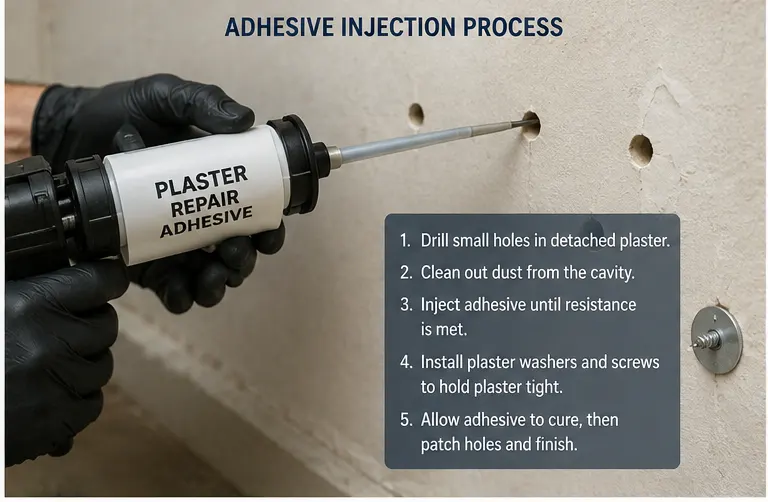
When plaster remains generally sound but has pulled away in isolated spots, it may be possible to stabilize and resecure it rather than remove an entire wall. Preserving intact original material is often the preferred general wall solution in a historic interior. The repaired area can then be skimmed and feathered so it meets the existing plane cleanly. The goal is not merely to conceal damage beneath paint; it is to restore a durable surface that does not announce itself after the room is finished.
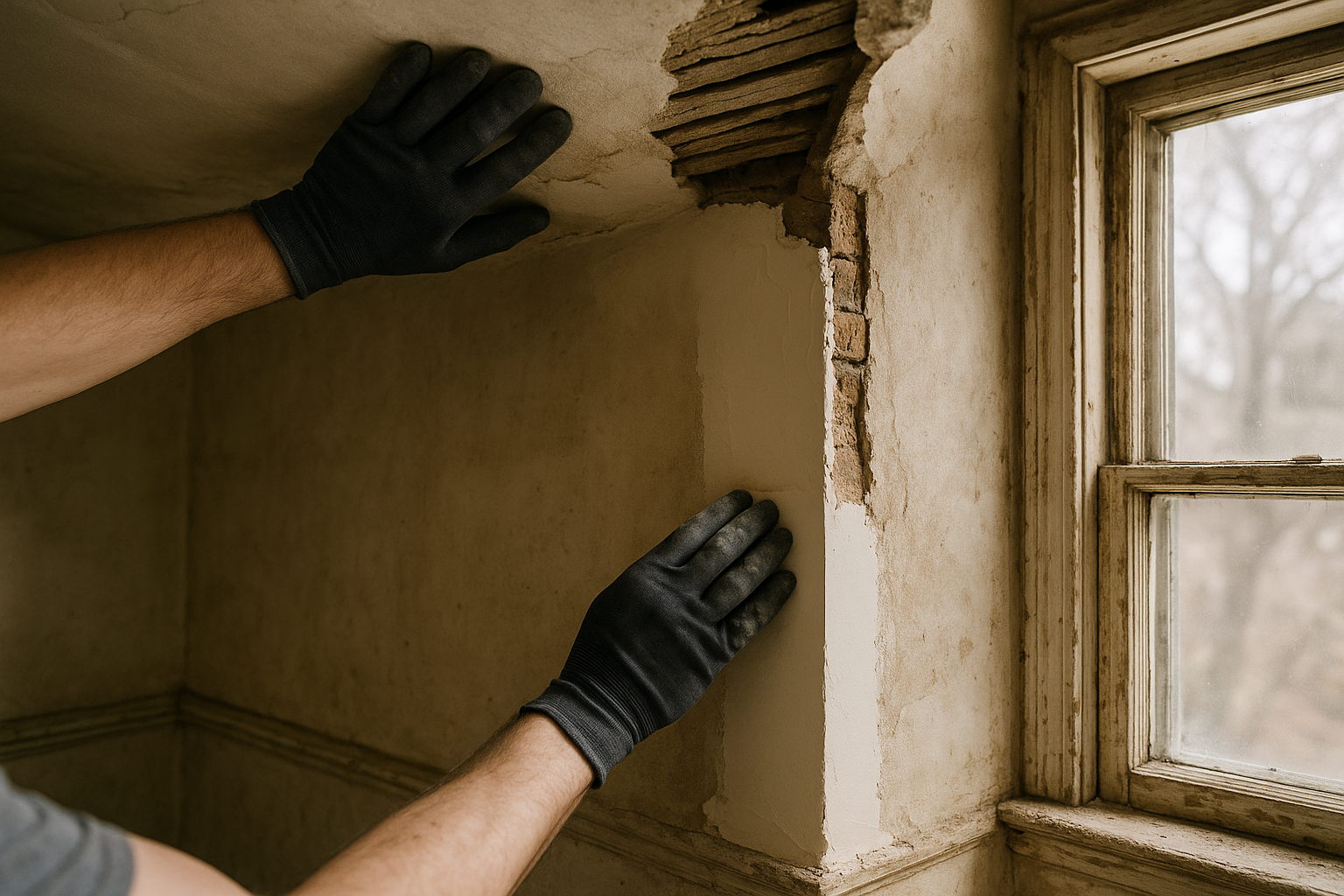
More extensive deterioration may require selective removal and replacement. Water-damaged plaster, crumbling sections, and areas with extensive lath failure may no longer provide a reliable base for patching. In those cases, MrWalls Drywall & Painting can remove compromised material, correct the underlying issue where accessible, and install new wallboard or compatible plaster repair materials. The transition between old plaster walls and new material is especially important: careful backing, taping, skim coating, and sanding help prevent a visible ridge or mismatched finish.
Moisture always deserves priority. A brown stain, bubbling paint, soft wall area, or fresh crack near a roofline, bath, window, or plumbing run should not be treated as an ordinary indoor wall repair until the source is resolved. Once the leak or condensation problem is corrected and the structure has dried, damaged material can be safely repaired and refinished. Covering a water problem too soon risks mold, repeat staining, and another failed patch.
Texture and sheen also affect the final result. Older homes may have smooth plaster, subtle hand trowel marks, or painted surfaces that have accumulated many coats over decades. Matching that appearance requires more care than applying a standard patch compound. Our team prepares the surrounding surface, builds the repair in thin layers, and primes repaired areas so new paint absorbs evenly. With the right scope of work, repairing plaster can retain the original feel of a Longmeadow room while giving it a clean, dependable finish.
Fine, stable cracks may need simple reinforcement and patching. Wider, recurring, or hollow-sounding areas can indicate loose plaster, failed lath, structural movement, or moisture. A professional assessment identifies the cause before repairs begin.
Often, yes. When original plaster is generally sound, isolated loose sections can sometimes be stabilized and resecured rather than removed. This helps preserve historic material while creating a smooth surface for priming and painting.
No. The leak, condensation, or other moisture source should be corrected first, and the wall must dry fully. Repairing over active moisture can lead to mold, stains, bubbling paint, and repeated plaster failure.
| What you notice | What it may indicate | Recommended next step |
|---|---|---|
| Fine, stable hairline cracks | A cosmetic surface crack rather than major plaster separation | Open the crack slightly, reinforce and fill it with appropriate patching material, then blend the texture before painting. |
| Wide cracks or cracks that return around doors and windows | Building movement, failed plaster keys, or framing changes | Investigate the cause before applying a finish repair; address movement or support concerns first. |
| Plaster that sounds hollow when tapped | Plaster may have pulled away from the wood lath | Evaluate whether isolated areas can be stabilized and resecured instead of removing the entire wall. |
| Brown stains, bubbling paint, soft wall areas, or fresh cracks near a roofline, bath, window, or plumbing run | An active leak or condensation issue may be damaging the plaster | Resolve the moisture source and allow the structure to dry before repairing and refinishing damaged material. |
| Crumbling plaster, water-damaged sections, or extensive lath failure | The wall may no longer provide a reliable base for patching | Consider selective removal and replacement, correct the underlying issue where accessible, and blend new material carefully with the existing plaster. |