Understand the 5 drywall finish levels in plain English, compare Level 4 and Level 5, and choose the right finish for new walls, repairs, and ceilings.
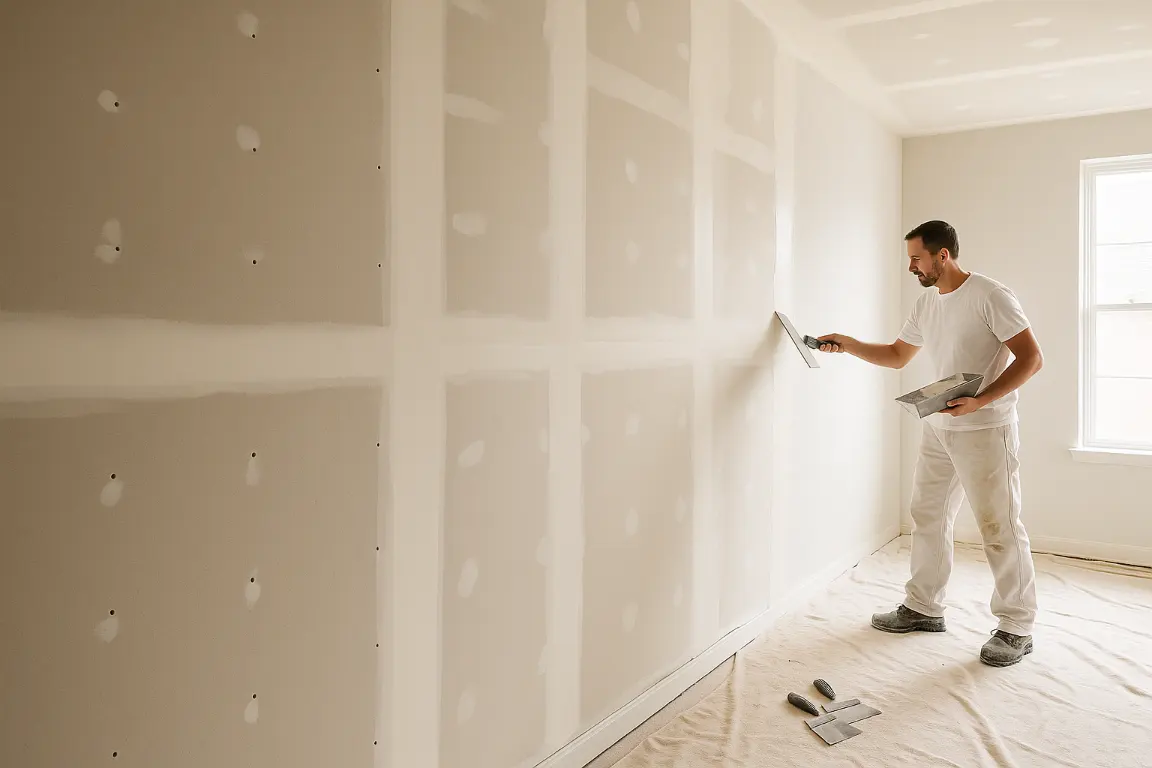
The 5 drywall finish levels show how smooth your walls can look once paint, texture, and lighting come into play. For most interior spaces, Level 4 is the practical benchmark. Level 5 adds a skim coat for surfaces finished with glossy paint, dramatic natural light, or a flawless modern look. Here’s what each level delivers and when the added cost is worthwhile.
Drywall finish levels range from unfinished Level 0 to ultra-smooth Level 5. Levels 1–3 suit concealed areas, tile, paneling, or textured surfaces, while Level 4 is the standard for most painted residential walls. Choose Level 5 when smooth surfaces face raking light, dark or glossy paint, large windows, or prominent ceilings. The best finish balances visibility, texture, lighting, paint, and budget.
Drywall finishing is not a one-size-fits-all step. The right drywall finish on the five-level scale depends on the room, lighting, wall covering, paint sheen, and viewing distance. At MrWalls Drywall & Painting, we help homeowners select a finish level that fits the spaces and the project, not simply the fastest option.
Level 0 means gypsum board is installed, but taping, joint compound, and finishing have not begun. It is common during early construction or where a temporary barrier is needed. At Level 1, tape is embedded in compound at each joint, and excess mud is removed. This basic finishing level is typically used in concealed interior areas, such as service corridors and plenum spaces.
Level 2 adds a coat of drywall compound over the taped joint, fasteners, and interior angles. This level can work well behind tile, cabinets, or other substantial coverings. A Level 3 finish receives another coat and is a strong choice beneath heavy texture or wallcovering, where minor imperfections and surface variation stay discreet. In commercial work, the selected finish level can also affect scheduling, tools, labor, and overall cost.
For most painted residential walls, level 4 is the established standard. Multiple finishing coats feather compound across every joint and fastener, followed by careful drywall sanding for a smooth surface. Level 5 is the high level of finishing and, in many applications, the highest possible level. After level 4 preparation, the entire board receives a thin skim coat of compound or a sprayed coating. This creates an ultra-smooth surface that reduces the visual effects of raking light. It is especially valuable with flat paint, dark colors, glossy finishes, and smooth ceilings.
| Finish level | What is included | Typical use | When it may not be enough |
|---|---|---|---|
| Level 0 | Gypsum board is installed; no taping, joint compound, or finishing work has begun. | Early construction or temporary barriers. | Any area requiring taped joints, compound, paint, or a completed wall surface. |
| Level 1 | Tape is embedded in compound at joints, and excess mud is removed. | Concealed areas, such as service corridors or plenum spaces. | Walls that will be visible or need a finished appearance. |
| Level 2 | A coat of drywall compound covers taped joints, fasteners, and interior angles. | Behind tile, cabinets, or other thick coverings. | Areas with finishes that do not fully conceal surface variation. |
| Level 3 | An additional coat of compound is applied. | Beneath heavy texture or wallcovering. | Smooth painted surfaces where minor variation could show through. |
| Level 4 | Multiple finishing coats are feathered over joints and fasteners, followed by careful sanding. | Most painted residential walls. | Walls or ceilings exposed to raking light, flat paint, dark colors, glossy finishes, or exceptionally smooth ceiling treatments. |
| Level 5 | Level 4 preparation plus a thin skim coat across the entire board or a sprayed coating. | Surfaces with raking light, flat paint, dark colors, glossy finishes, and smooth ceilings. | Not indicated in this section. |
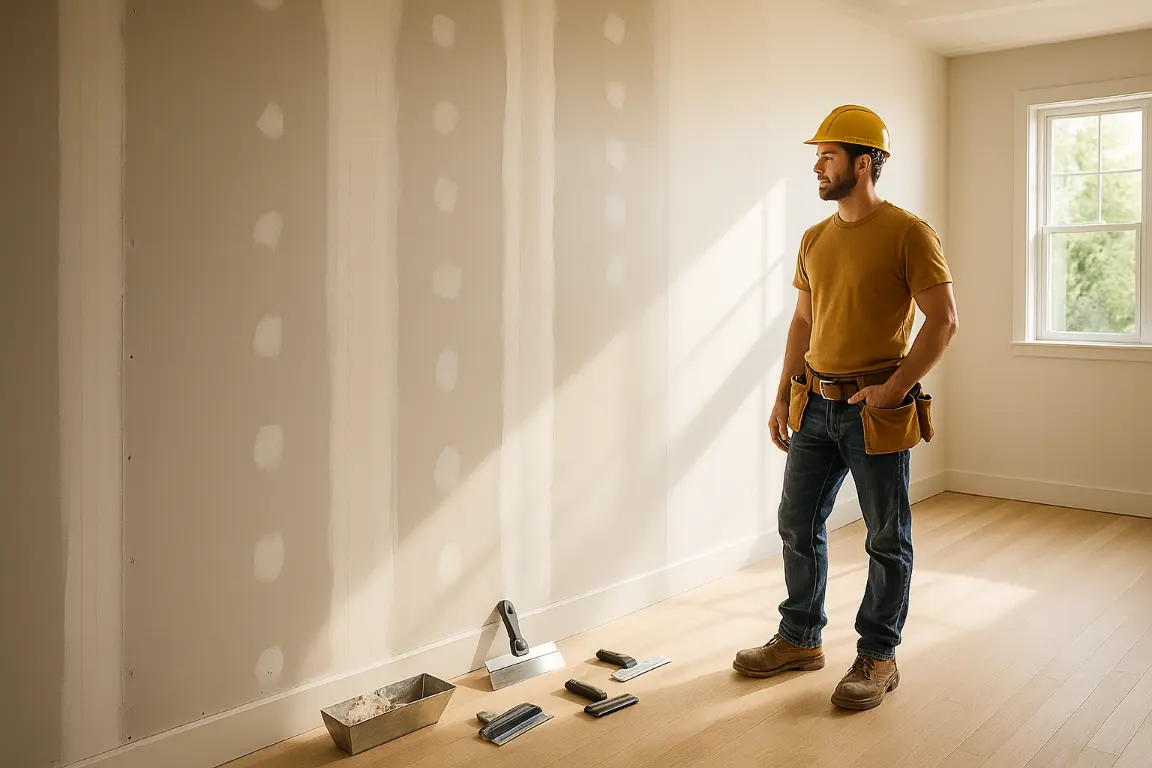
A professional drywall finish is more than a final coat of compound. It is careful preparation that helps an interior surface look its best under paint, changing light, and everyday use. The 5 drywall finish levels set the standard for taping, mud work, drywall sanding, and finishing coats before painting. At MrWalls Drywall & Painting, we match each finish level to the room, final surface treatment, project scale, and expectations for completed spaces, never a one-size-fits-all approach.
Level 0 is unfinished drywall. Gypsum board panels may be installed, but every joint and fastener remains untaped and untreated. This level is typically used where another trade will cover the board or where finishing will happen later. Level 1 includes taped joints embedded in joint compound, with excess drywall compound removed. This practical drywall finishing level works well above ceilings, in service corridors, and in commercial spaces where appearance is not the priority.
With a Level 2 finish, joints and fasteners receive an additional coat. This creates a solid base for tile, paneling, or heavier wall coverings. Level 3 adds another coat and more detailed sanding for a more uniform surface under medium- to heavy-texture applications. It is a practical choice when texture can soften minor imperfections, but it is not designed for a smooth surface beneath glossy paint. For a higher standard, level 4 and level 5 provide a high level of refinement. Level 4 uses additional finishing coats, while level 5 typically includes a skim coat to achieve the highest possible level of consistency and an ultra-smooth surface.
The right tools, drying time, and lighting checks matter at every level. Even excellent drywall finish work can show imperfections if the selected finish does not suit the paint sheen, natural light, or intended use of the room. A skim application may add cost, but it can be essential when a flawless result is required. For refined residential interiors and prominent commercial spaces, the finishing specification should reflect the final surface, not simply the drywall installation.
Among the 5 drywall finish levels, level 4 is the reliable standard for most residential and commercial spaces. This drywall finish brings gypsum board to a clean, paint-ready state with precise taping, carefully applied finishing coats of drywall compound or joint compound, and thorough drywall sanding using the right tools. Each joint, fastener, and board transition is refined with compound, often called mud, to create a smooth surface suited to flat or low-sheen paint. Level 4 works well in bedrooms, living areas, hallways, and other interior spaces. However, minor imperfections may show when sunlight rakes across a wall or when a room has dark colors, gloss paint, or strong directional lighting.
Level 5 is the highest possible level of drywall finishing and the most exacting finishing level. After the Level 4 work is complete, our team applies a thin skim coat across the entire surface. This final coat creates an ultra-smooth surface that softens the appearance of subtle joint lines, paper texture, and small variations that can emerge after painting. A full skim of drywall compound delivers a more consistent finish than localized work alone, especially where demanding light conditions call for a high level finish. It cannot make a wall immune to future dents or every lighting condition, but it provides the most refined foundation for a premium finish.
The right finish level depends on the project, the selected paint, and the scale and direction of light in the room. Level 5 is especially worthwhile for open interiors with expansive windows, stairwells, feature walls, ceilings, and commercial spaces under strong illumination. Because this level 5 process requires more material, labor, drying time, and precise finishing, its cost exceeds that of level 4. At MrWalls Drywall & Painting, we assess the existing surface and intended finish before recommending whether a full skim coat or targeted repair and finishing will deliver the best result.
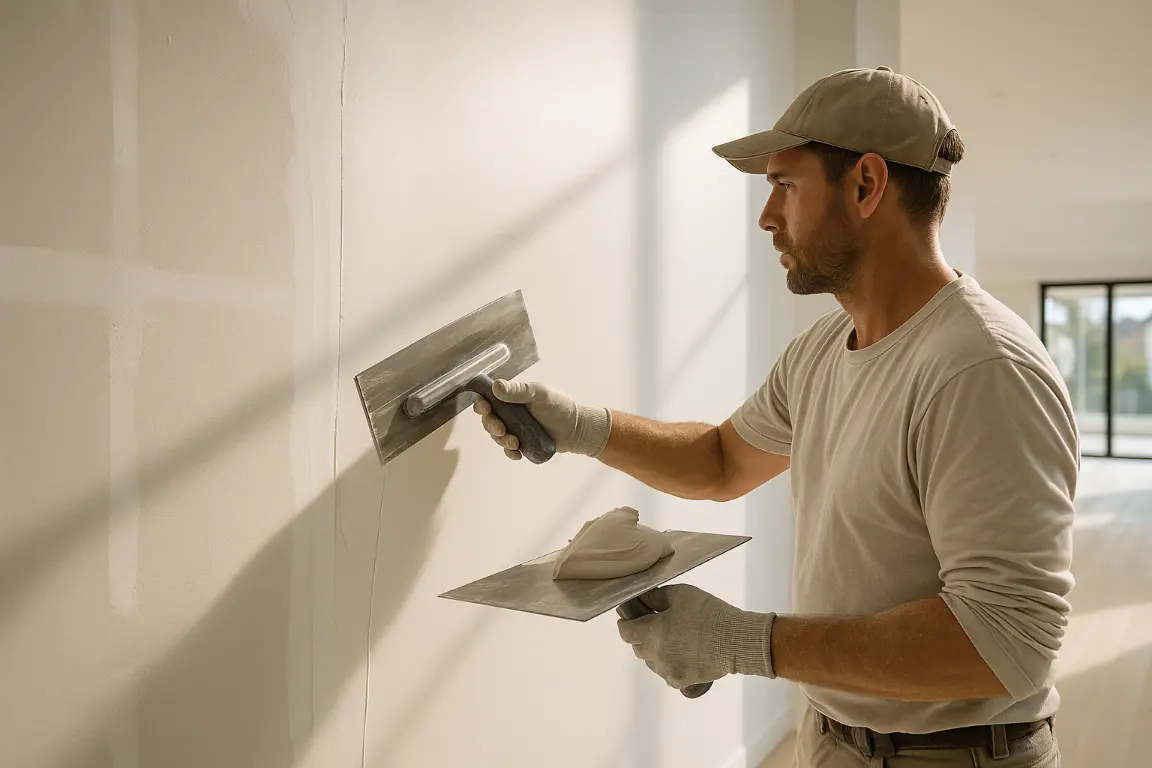
A drywall finish should suit the room, surface, and how the space is used, not simply the lowest cost. At MrWalls Drywall & Painting, we help homeowners choose the right finishing level for each project, from a small wall repair to water-damaged drywall replacement, a newly smooth ceiling after popcorn removal, or a full interior renovation. Our drywall finishing work covers gypsum board, joint treatment, taping, drywall sanding, and paint-ready preparation.
The finish level often depends on visibility. A modest finish can work well beneath medium or heavy texture, which helps hide small imperfections at each joint. Walls with subtle orange peel or knockdown may need less compound and fewer finishing coats than a smooth surface. For smooth drywall, a skim coat can create an ultra-smooth surface before painting. This high level of finishing is especially valuable with flat or low-sheen paint.
Lighting matters just as much. Natural light, recessed fixtures, wall washers, pendants, and nearby lamps can reveal ridges, shallow dips, and uneven joint compound or drywall compound. In bright spaces, a higher level, often level 4 or level 5 can be a worthwhile investment. Level 5 provides the highest possible level of smoothness when a flawless-looking surface is the goal. We can explain the 5 drywall finish levels and recommend the right scale of work, materials, mud, coat applications, and tools for your board and surface.
Repairs deserve the same care. A blended patch may be enough in a textured guest room, while a repair in a bright kitchen or living area may require a broader skim and more detailed finishing. Whether the work is residential or commercial, discussing the desired drywall finish before the project begins keeps the finish, cost, and expectations aligned from the start.
Drywall finish levels range from Level 0, with installed but untreated board, to Level 5, which includes a skim coat over the full surface. Each level adds more joint compound, sanding, and surface preparation for increasingly visible areas.
Level 4 is the standard choice for most painted residential walls. It provides properly finished joints and fasteners for a smooth appearance under flat or low-sheen paint in typical lighting conditions.
Choose Level 5 for walls or ceilings with strong natural light, directional lighting, dark paint, glossy paint, or a completely smooth finish. Its full skim coat helps reduce the visibility of minor surface variations and joint lines.
Level 5 can be worthwhile in high-visibility spaces such as open rooms with large windows, stairwells, feature walls, and smooth ceilings. It costs more because it requires additional material, labor, drying time, and detailed sanding.
Level 3 is generally intended for medium to heavy texture or wallcovering rather than smooth painted walls. Minor imperfections may show through paint, especially with higher sheens or lighting that falls across the wall.
Level 2 is often suitable behind tile, cabinets, paneling, and other thick coverings. It includes taped joints plus an additional coat over joints, fasteners, and interior angles.
Yes. Medium or heavy texture can conceal small surface variations, so a Level 3 finish may be appropriate. Smooth walls and ceilings require more preparation, often Level 4 or Level 5 depending on lighting and paint selection.
Often, yes. A localized repair can blend well in a textured or low-visibility area. Bright rooms, smooth walls, dark colors, and raking light may require broader finishing or skim coating for a less noticeable result.