Water Damage Clean Water Vs Grey Water
Water Damage Clean Water Vs Grey Water discussing the difference between a clean water loss, and a loss that includes grey water. The amount of building materials to replace can be drastically different.
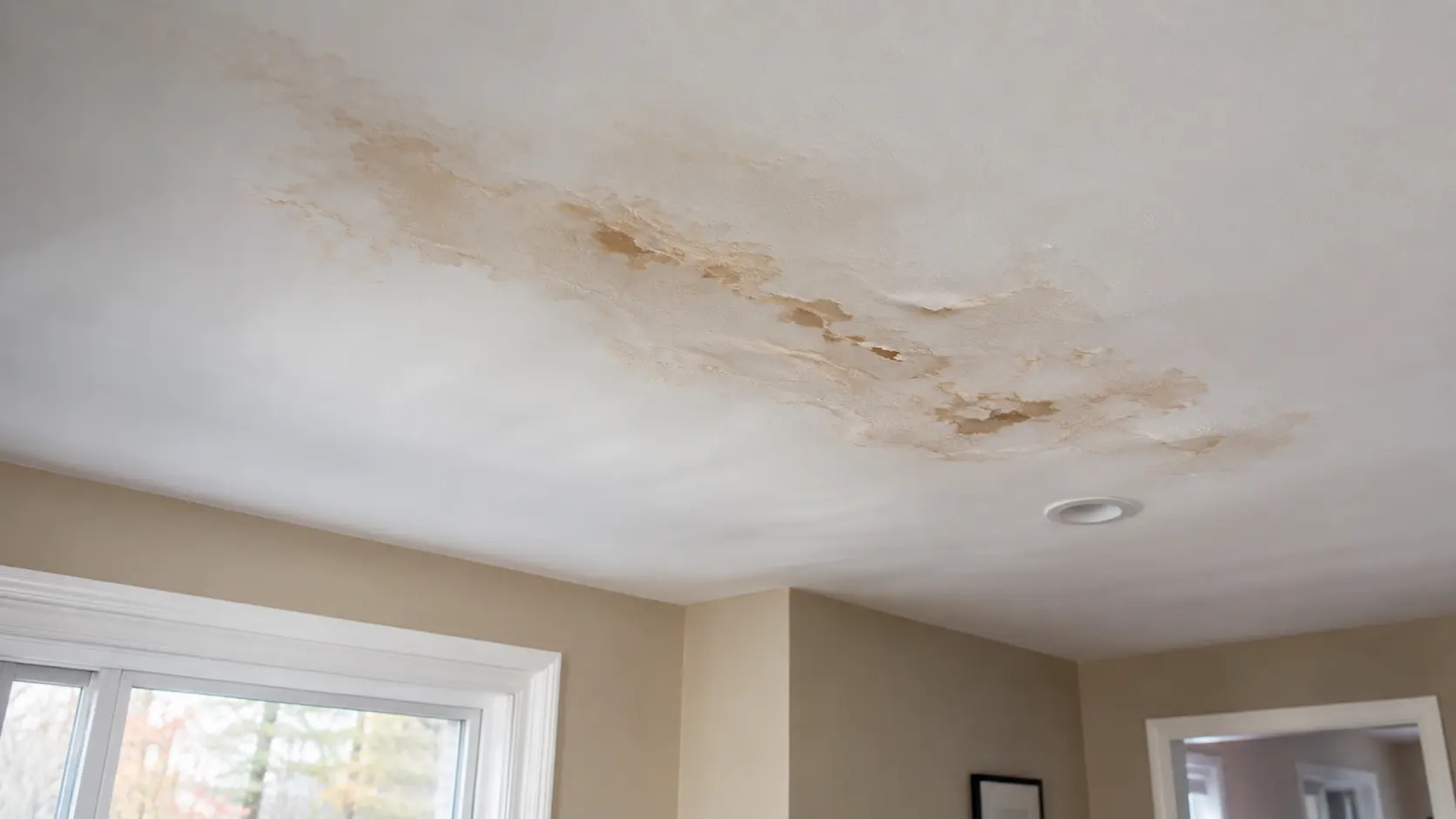
Water Damage Clean Water Vs Grey Water discussing the difference between a clean water loss, and a loss that includes grey water. The amount of building materials to replace can be drastically different.
In water-damage restoration, the difference between clean water and grey water is based on the amount of contamination present, not simply the water’s appearance. A clean water pipe dripping onto a drywall ceiling is very different from a sewage pipe leaking onto a drywall ceiling.
Clean water comes from a sanitary source and does not initially present a substantial health risk.
Common examples include:
If addressed quickly, wet drywall may sometimes be dried and saved when it remains structurally sound. Wet fiberglass insulation may also be salvageable in limited cases, although removal is often needed so the wall cavity can dry.
Grey water contains enough biological, chemical, or physical contamination that contact or consumption could cause discomfort or illness.
Common examples include:
Category 2 restoration normally requires more protective equipment, controlled removal, cleaning, and antimicrobial treatment when appropriate. Contaminated porous materials such as drywall, insulation, carpet padding, and ceiling tiles often need to be removed because they cannot always be reliably cleaned.
Black water is Category 3 and is heavily contaminated. Examples include sewage, toilet water containing feces, storm flooding, river water, and groundwater entering a basement. Drywall and insulation contacted by sewage or floodwater should generally be discarded, according to the CDC’s disaster-cleanup guidance
The category can worsen as water sits, passes through contaminated materials, or supports microbial growth. Fast extraction and drying are important because the CDC recommends drying water-damaged buildings within approximately 24 to 48 hours when possible. The professional framework commonly used for these decisions is the ANSI/IICRC S500 water-restoration standard
MrWalls Drywall & Ceilings Call Or Text Us At (413)302-0640