MrWalls helps homeowners restore drywall, ceilings, texture, and paint after water damage, with clear coordination from mitigation to repair.
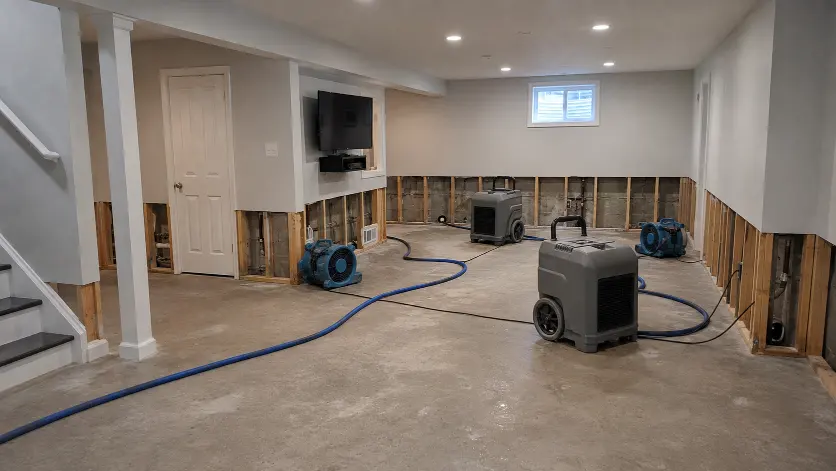
A water damage restoration company can help protect your home when wet drywall or a stained ceiling points to a leak, overflow, or storm intrusion. Fast drying and careful repairs can limit mold growth, hidden damage, and costly replacement.
Whether you are handling a small cleanup or need professional help, knowing when to call, and what to do before help arrives, can make the next steps clearer and safer.
MrWalls Drywall & Painting from Chicopee, Massachusetts, restores water-damaged drywall and ceilings with a clear process: assess hidden moisture, remove compromised materials, dry the structure, and complete repairs with seamless finishing, texture matching, and paint. Homeowners should prioritize safety around electrical hazards, sagging surfaces, and contaminated water, document damage for insurance, and contact professionals when moisture, flooding, or mold concerns require expert restoration.
When water reaches drywall or ceilings, the visible stain is often only part of the problem. MrWalls Drywall & Painting provides practical water damage restoration for homeowners who need damaged wallboard, ceiling sections, texture, and paint addressed with care. We assess the affected area, identify materials that are too compromised to retain, and recommend a clear path for water damage repair that supports a clean, lasting finish.
Our work focuses on the surfaces you see every day: soft or swollen drywall, sagging ceiling panels, peeling paint, cracked joints, and repairs around plumbing leaks or roof-related moisture. Once the source of water has been stopped and the area is properly dry, our team can complete the damage repair, from removing affected materials to installing new drywall, finishing seams, matching texture, and repainting.
A dependable water damage restoration company should make the repair process straightforward. We communicate what needs attention, protect nearby areas while we work, and aim to leave the repaired space looking cohesive rather than patched. For focused restoration services that return your walls and ceilings to a polished condition, MrWalls Drywall & Painting is ready to help.
Some water damage can be addressed with quick drying, but a water emergency often needs trained professionals. Professional water damage restoration is the right call when flooding reaches walls or ceilings, moisture may be hidden, or mold is a concern. MrWalls Drywall & Painting can help assess the damage and restore affected finishes safely.
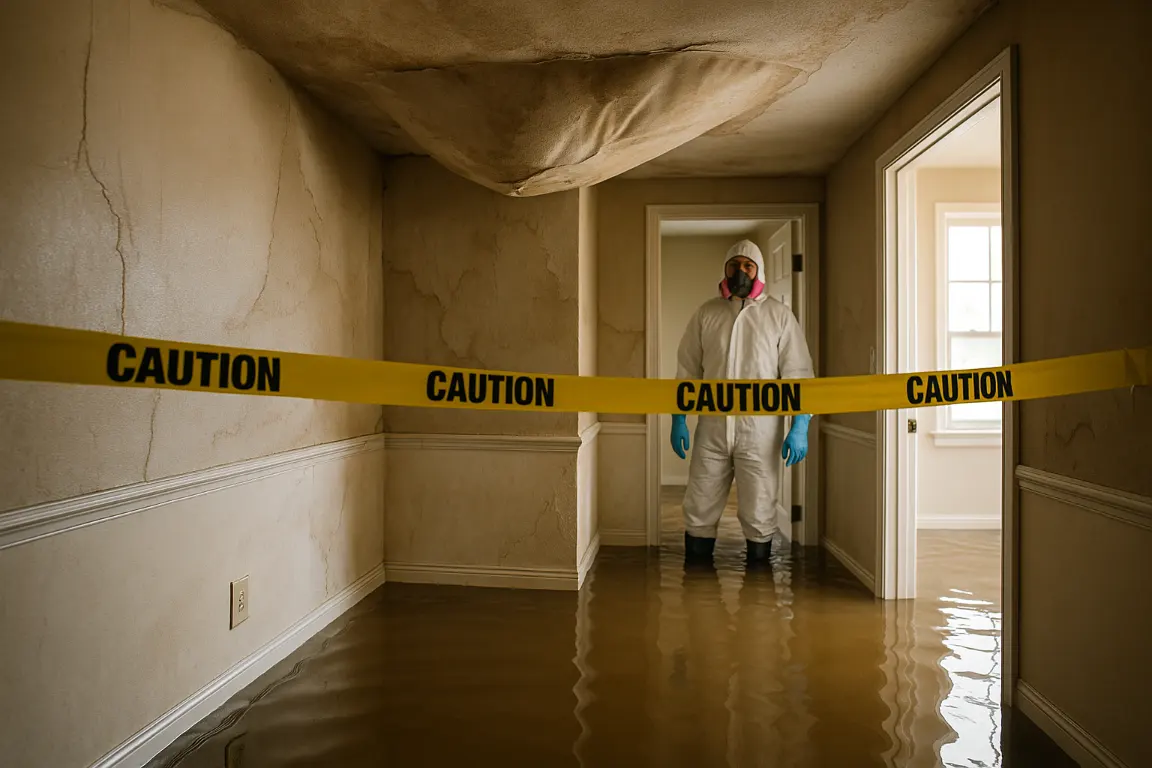
Call for help promptly if water is near outlets, light fixtures, appliances, or your electrical panel. Do not enter a wet room if the power may still be on; shut off electricity only when it is safe to do so. Sagging ceilings, bulging drywall, soft floors, and water spreading from an unknown source also require immediate attention.
Treat any water from a drain backup, toilet overflow, or outdoor flooding as potentially contaminated. Sewage can carry bacteria and other hazards, making cleanup a biohazard situation rather than a standard drying job. Keep children and pets away, avoid touching contaminated materials, and do not run fans that could spread contaminants. An emergency restoration team can remove damaged materials, dry the structure, and prepare drywall and ceilings for proper repair.
When water affects drywall or ceilings, the hours before professional help matter. Focus on safety, limit additional moisture, and preserve clear documentation for insurance. MrWalls Drywall & Painting can guide practical cleanup services and cleaning decisions once the area is stable, so you are not left guessing about the next step.
If there is standing water near outlets, appliances, or a sagging ceiling, stay clear of the area and do not enter until it is safe. Shut off the water source if a plumbing leak is accessible and you can do so without risk; otherwise, call a plumber or emergency service. Move dry furniture, rugs, and valuables away from the affected space when possible, but avoid lifting wet drywall, ceiling panels, or heavy materials that may collapse.
Take photos and short videos of the flood damage before beginning removal or moving items. Note when the leak was discovered, where the water traveled, and any visible staining or swelling. If it is safe, improve airflow with fans, but do not use household electrical equipment in wet areas. A restoration professional can assess what can be dried, cleaned, and saved, and what requires careful removal and repair.
At MrWalls Drywall & Painting, water damage restoration follows a clear, documented process designed to protect your home and return it to normal. From urgent water mitigation and controlled drying to complete recovery and reconstruction services, we explain what we find, what comes next, and why.
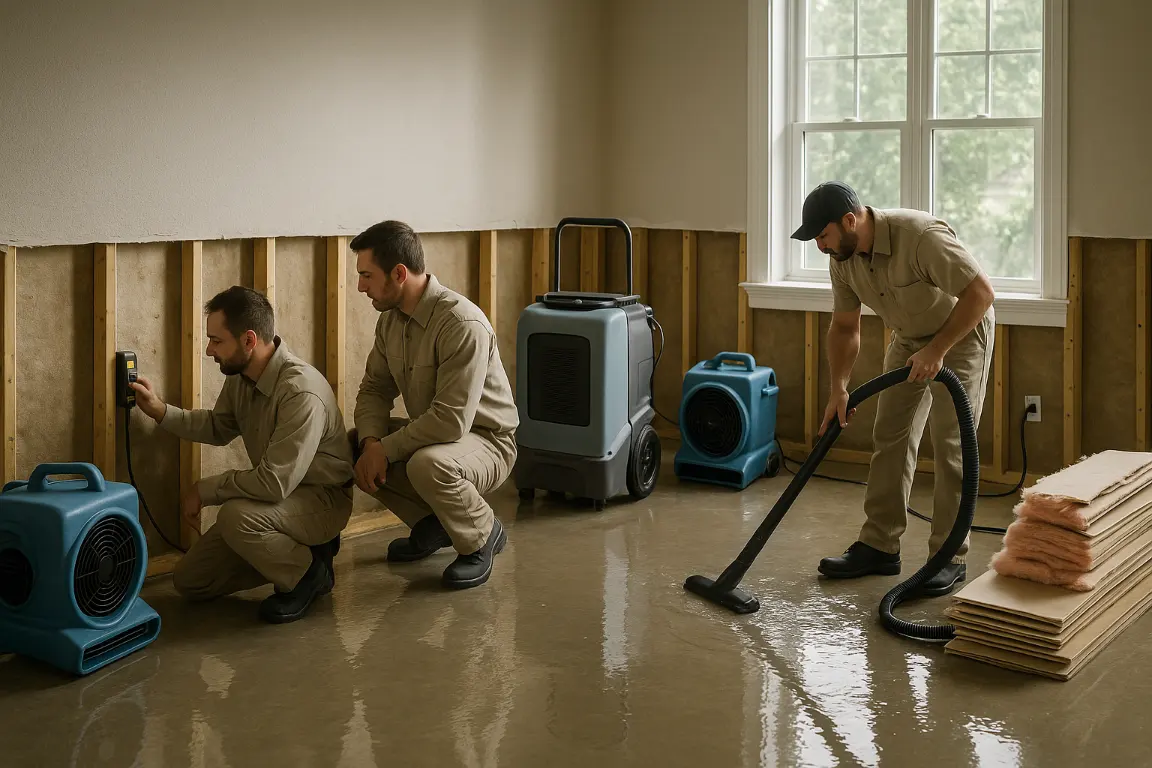
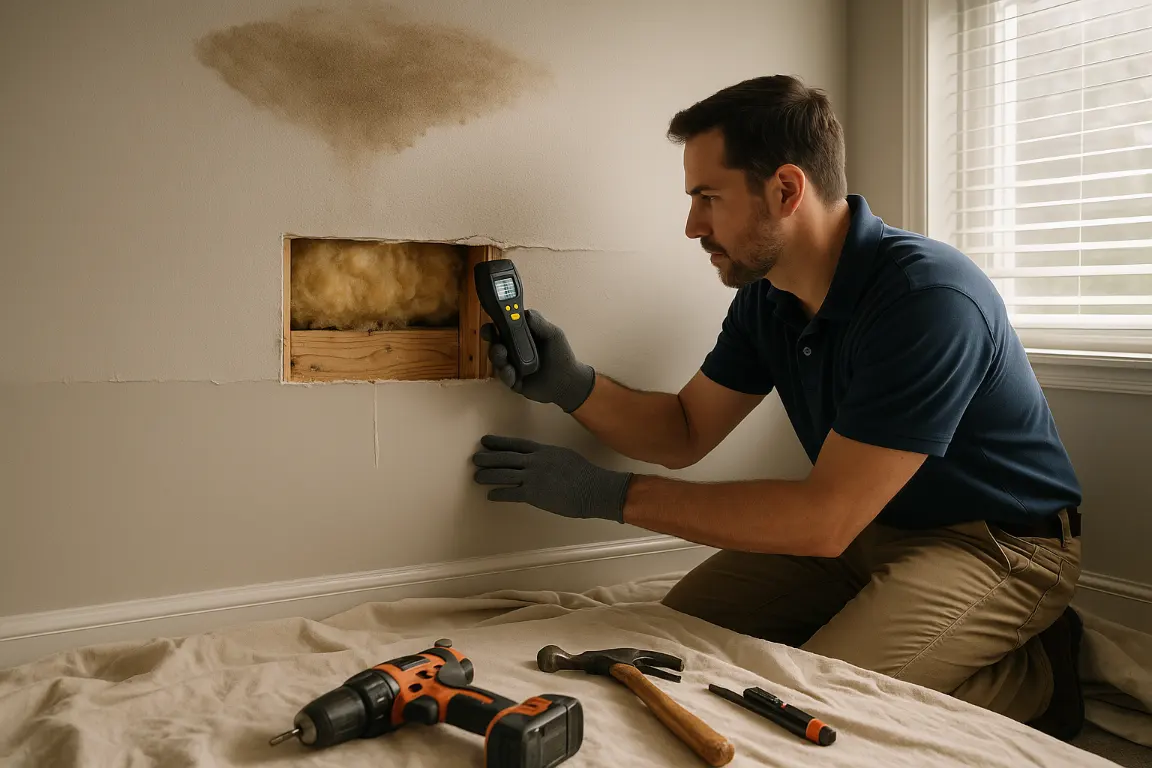
After the water source is stopped or controlled, we assess the affected rooms, identify visible and hidden moisture, and document the condition of drywall, ceilings, insulation, flooring, and framing. Effective water mitigation begins with removing standing water where needed and separating materials that cannot be safely dried from those that can. We use moisture readings to map the damage rather than relying on appearances alone.
Next, we set up the appropriate drying equipment and monitor progress until materials reach acceptable moisture levels. This step is central to responsible water restoration: repairing drywall before the structure is dry can trap moisture and create larger problems later. Once drying is complete, we develop a practical restoration plan for the necessary damage restoration work, including drywall replacement, ceiling repair, texture matching, and painting. You receive a clear scope so the repair phase can move forward with confidence.
Water can travel behind a ceiling or wall long after the visible leak stops. MrWalls Drywall & Painting provides careful water damage repair for wet drywall, including damaged-material removal, targeted repair, and reconstruction services that return affected rooms to a clean, finished condition.
Effective restoration starts with locating the full path of the water, not simply covering the stain it left behind. Moisture can collect in insulation, framing cavities, ceiling joints, and along baseboards, where unseen damage may continue to weaken drywall or encourage mold growth.
Our team assesses the affected area before repairs begin, looking for soft surfaces, discoloration, sagging seams, peeling paint, and signs that moisture has moved beyond the obvious source. When needed, we remove compromised drywall so the area can dry properly and the underlying structure can be inspected.
Once the source has been addressed and materials are dry, we rebuild only what is necessary. That careful approach helps ensure the finished wall or ceiling is stable, smooth, and ready for matching texture and paint.
Water damage rarely starts as a dramatic event. More often, it begins with a slow plumbing leak behind a wall, a worn supply line under a sink, or moisture entering through a failed roof or window seal. By the time staining, bubbling paint, soft drywall, or a musty odor appears, water may already have affected framing, insulation, ceilings, and adjacent rooms. Identifying the source quickly helps limit the repair scope and reduces the chance of lingering moisture problems.
Sudden flooding can create more visible damage, whether it comes from a burst pipe, overflowing appliance, backed-up drain, or severe weather. Even a small amount of water can travel along floor edges, inside wall cavities, and above ceiling surfaces. Flood damage may require removal of saturated drywall and insulation so the structure can dry properly. MrWalls Drywall & Painting assesses the affected surfaces carefully, then helps homeowners restore damaged walls and ceilings with repairs that blend cleanly with the surrounding finish. Prompt attention is especially important after a flood, but smaller leaks deserve the same care before they become larger repairs.
| Cause | Common warning signs | Potentially affected areas | Why prompt attention matters |
|---|---|---|---|
| Slow plumbing leak behind a wall | Staining, bubbling paint, soft drywall, or a musty odor | Wall cavities, framing, insulation, and adjacent rooms | Early identification can help limit the repair scope and reduce lingering moisture problems. |
| Worn supply line under a sink | Staining, soft drywall, or a musty odor | Floor edges, walls, insulation, and nearby rooms | Small leaks can become larger repairs if moisture continues to spread. |
| Failed roof or window seal | Staining, bubbling paint, soft drywall, or a musty odor | Ceilings, walls, framing, insulation, and adjacent rooms | Quick assessment helps address moisture before it affects more surfaces. |
| Burst pipe | Visible flooding and damage to walls or ceilings | Floor edges, wall cavities, ceiling surfaces, drywall, and insulation | Flood damage may require removal of saturated drywall and insulation so the structure can dry properly. |
| Overflowing appliance | Visible flooding or water traveling along floor edges | Floor edges, walls, drywall, insulation, and adjacent rooms | Prompt attention can help prevent water from spreading into concealed areas. |
| Backed-up drain | Visible flooding or water spreading along floor edges | Floor edges, wall cavities, drywall, insulation, and nearby rooms | Early action helps limit the affected area and supports proper drying. |
| Severe weather | Visible flooding, staining, bubbling paint, or a musty odor | Ceilings, walls, floor edges, insulation, and framing | Prompt attention is especially important after a flood to limit damage and allow proper drying. |
Contaminated water calls for more than surface cleaning. MrWalls Drywall & Painting provides practical water remediation and cleanup services for affected drywall and ceilings, including sewage cleanup situations involving sewage or other biohazard concerns. We focus on safe removal, thorough drying, and clear repair recommendations.
Sewage cleanup requires careful handling because contaminated water can affect porous materials well beyond the visible stain. Drywall, insulation, baseboards, and ceiling materials may absorb contaminants, making simple drying or painting an unreliable solution. The damaged area should be isolated, contaminated materials removed as appropriate, and adjacent framing assessed before repairs begin.
For effective damage restoration, professionals should address the source of the loss first, then document moisture conditions and determine which materials can be safely retained. Water remediation may include controlled demolition, drying, cleaning of salvageable structural surfaces, and replacement of affected drywall or ceiling sections. MrWalls Drywall & Painting helps homeowners restore finished surfaces after the cleanup phase, with repairs that blend cleanly into the surrounding room and a straightforward explanation of the work involved.
When water damages drywall or a ceiling, the repair is only one part of the process. Clear documentation helps you understand the scope of the damage and gives your insurance carrier useful information if you decide to file a claim. MrWalls Drywall & Painting can document visible conditions before work begins, including affected walls, ceilings, stains, soft materials, and areas that may need removal or repair. Photos, measurements, and a detailed repair plan can make conversations with your insurer more straightforward.
Before repairs start, it is important to address the source of the water and confirm that affected materials are dry. Covering a stain or replacing drywall before moisture issues are resolved can lead to recurring damage. Our team can explain the proposed repair process in practical terms: what needs to be removed, what can be saved, how the surface will be rebuilt, and what painting or texture work is needed for a clean finish. We do not determine insurance coverage, but we provide clear, honest repair documentation so you can make informed decisions and move forward with confidence.
When water, damaged drywall, a cracked ceiling, or smoke residue affects your home, the right response can prevent a smaller issue from becoming a larger repair. MrWalls Drywall & Painting provides restoration services for local residential properties with a practical focus on identifying visible damage, addressing affected materials, and restoring clean, finished surfaces. We understand that damage can interrupt daily life, whether it follows a plumbing leak, roof issue, appliance failure, or fire-related event. Our team evaluates the condition of drywall and ceilings, removes compromised material when needed, and completes repairs with attention to texture, seams, and paint matching. While our core work serves homeowners, we can also discuss select commercial property repair needs where drywall or ceiling restoration is required. Smoke damage can leave staining, odor, and residue that ordinary cleaning may not resolve; proper preparation and sealing are important before repainting. As a local business, we aim to provide clear communication, dependable scheduling, and workmanship that helps your space feel whole again.
MrWalls Drywall & Painting provides local water damage restoration, drywall repair and ceiling repair for property owners who need clear next steps after a leak, overflow or other interior water issue. If moisture has affected a wall or ceiling, contact our team to discuss the damage, your location and the condition of the affected area. We will help determine whether we are the right restoration company for the work and explain what information is useful before a visit, such as where the water came from, when it occurred and whether the source has been stopped. For an emergency involving active water, prioritize stopping the source and protecting people from electrical or structural hazards, then call for guidance. A water damage restoration company should address more than the visible stain: wet drywall, insulation and ceiling materials may need careful assessment to help prevent further deterioration. When you request help from MrWalls Drywall & Painting, expect practical communication about availability, the scope of repair and the steps needed to restore clean, sound finished surfaces. Photos can be helpful when requesting an appointment, especially for ceiling stains, softened drywall or areas where paint is bubbling.
Water damage can raise urgent questions, especially when walls, ceilings, or flooring are wet after a leak, overflow, or storm. MrWalls Drywall & Painting helps homeowners understand what comes next and what a thorough water damage restoration process should include. The first priority is always stopping the source of water, documenting affected areas, and drying materials before repairs begin. Drywall and ceiling surfaces may look fine initially while holding moisture behind the finish, so timely inspection matters. Professional water damage restoration can identify concealed dampness, remove unsalvageable materials, and prepare the space for safe, lasting repairs. Many customers also ask whether mold is a concern. It can become one when moisture remains trapped for too long, which is why prompt drying and appropriate removal are important. Water restoration is not simply repainting a stain or patching damaged drywall; it is a practical process of addressing moisture, restoring sound materials, and rebuilding the appearance of your home. Our team can assess visible damage, explain recommended restoration work clearly, and complete drywall and ceiling repairs with a clean, finished result.
Call promptly when drywall feels soft or swollen, ceilings sag, paint peels, water stains spread, or moisture may be hidden behind finished surfaces. Professional help is especially important after flooding, plumbing leaks, roof leaks, toilet overflows, or drain backups.
Some drywall may be saved if the water was clean, the area is addressed quickly, and moisture readings show it can dry properly. Drywall that is swollen, crumbling, mold-affected, contaminated, or structurally weakened usually needs removal and replacement.
Yes. A sagging or bulging ceiling can hold trapped water and may collapse. Keep people and pets away, avoid disturbing the area, and contact a qualified restoration professional. If water is near light fixtures or electrical equipment, treat the situation as a safety concern.
If it is safe, stop the water source, move dry belongings away from the affected area, and document damage with photos and videos. Do not use electrical equipment in wet areas, remove sagging ceiling material, or handle water from sewage backups or flooding.
The process typically includes assessing visible and hidden moisture, removing standing water when needed, drying affected materials, monitoring moisture levels, removing unsalvageable drywall or insulation, and completing drywall, ceiling, texture, and paint repairs after the structure is dry.
Yes. After damaged sections are replaced and seams are finished, the repair can include texture matching and repainting to help the wall or ceiling blend with the surrounding surfaces rather than looking like an isolated patch.
Not always, but mold can develop when materials remain damp. Fast moisture assessment, controlled drying, and removal of materials that cannot be safely dried help reduce the likelihood of mold growth and further damage.