Water damage restoration cost can range from a few hundred dollars for a small, clean-water leak to several thousand for flooding, sewage backup, or damage behind walls and under floors. The final price depends on how much water is present, how long it sat, the source of the water, and which materials need drying, cleaning, or replacement.
This guide breaks down typical restoration costs, what a professional estimate should include, and the factors that can raise or lower your bill, so you can respond quickly and make informed decisions for your home.
Answer: Water damage restoration typically costs $2,000–$7,000, but the final price depends on the water source, how long materials stayed wet, affected rooms, hidden moisture, and repairs required. Prompt extraction and professional drying can save drywall, flooring, and insulation, while contaminated water or widespread damage increases costs. A detailed moisture inspection and phased estimate help homeowners understand drying, demolition, and reconstruction needs.
As the owner of MrWalls Drywall & Painting, I know homeowners want a clear number quickly after a leak, overflow, or flood. The honest answer is that water damage restoration cost depends on how far the water traveled, how long materials stayed wet, and whether the affected area can be dried or needs to be rebuilt. A small, clean-water issue caught early may have an approximate cost of a few hundred to a couple thousand dollars. A larger loss involving wet drywall, insulation, flooring, cabinets, or multiple rooms can move into the several-thousand-dollar range. Severe damage, especially after contaminated water or a long-undetected leak, may cost substantially more.
Across many projects, the average cost for professional drying and basic repairs often falls between $2,000 and $7,000. That is a useful cost range for the type of water damage repairs we do. When looking at averages its important to realize that there are 20 percent of jobs that usually are basement flood jobs that easily exceed 20,000 including replacing the furnace, hot water tank, and all the furnishings. These really big jobs happen when the water has gotten very high in the basement. This average also doesn't include all the homes that get destroyed by flooding from natural disasters. This average is just including water damage from causes within the home, such as roof leaks, ice dams, hot water tanks, pipe breakage. When we write up a repair scope, we inspect moisture levels behind walls and under flooring before recommending work, because surface drying alone can leave hidden damage behind. The restoration cost rises when we need to remove saturated drywall, replace insulation, treat affected framing, or rebuild finished surfaces after drying is complete.
Water source matters, too. Clean water from a supply line is generally less expensive to correct than gray water from appliances or black water from sewage, which requires added safety procedures and removal of all porous materials. Fast action is the best way to control cost. If you stop the source, call for professional drying, and document the damage promptly, you are more likely to preserve walls and finishes instead of paying for a larger demolition and reconstruction once the mitigation work is done.
| Cost factor | How it can affect restoration work | Potential effect on cost |
|---|---|---|
| Extent of water spread | Water that reaches multiple rooms or travels behind walls and under flooring may require a broader inspection, drying, and repair scope. | More widespread damage can increase restoration costs. |
| Time materials remained wet | Materials that stay wet longer may develop hidden damage and may be less likely to be saved through drying alone. | Longer exposure can lead to additional removal, repairs, and reconstruction. |
| Affected materials | Wet drywall, insulation, flooring, cabinets, and finished surfaces may need drying, removal, replacement, or rebuilding. | Costs rise when saturated materials must be removed and replaced. |
| Water source | Clean water from a supply line generally requires less extensive handling than gray water from appliances or black water from sewage. | Gray or black water can increase costs because of added safety procedures and removal of porous materials. |
| Required drying or reconstruction work | Professional moisture inspection and drying may be followed by treatment of framing, drywall replacement, insulation replacement, and rebuilding of finished surfaces. | More extensive drying, demolition, and reconstruction can raise the overall cost. |
| Speed of response | Stopping the source, arranging professional drying, and documenting damage promptly can help preserve walls and finishes. | Fast action may help limit wider demolition and later reconstruction costs. |
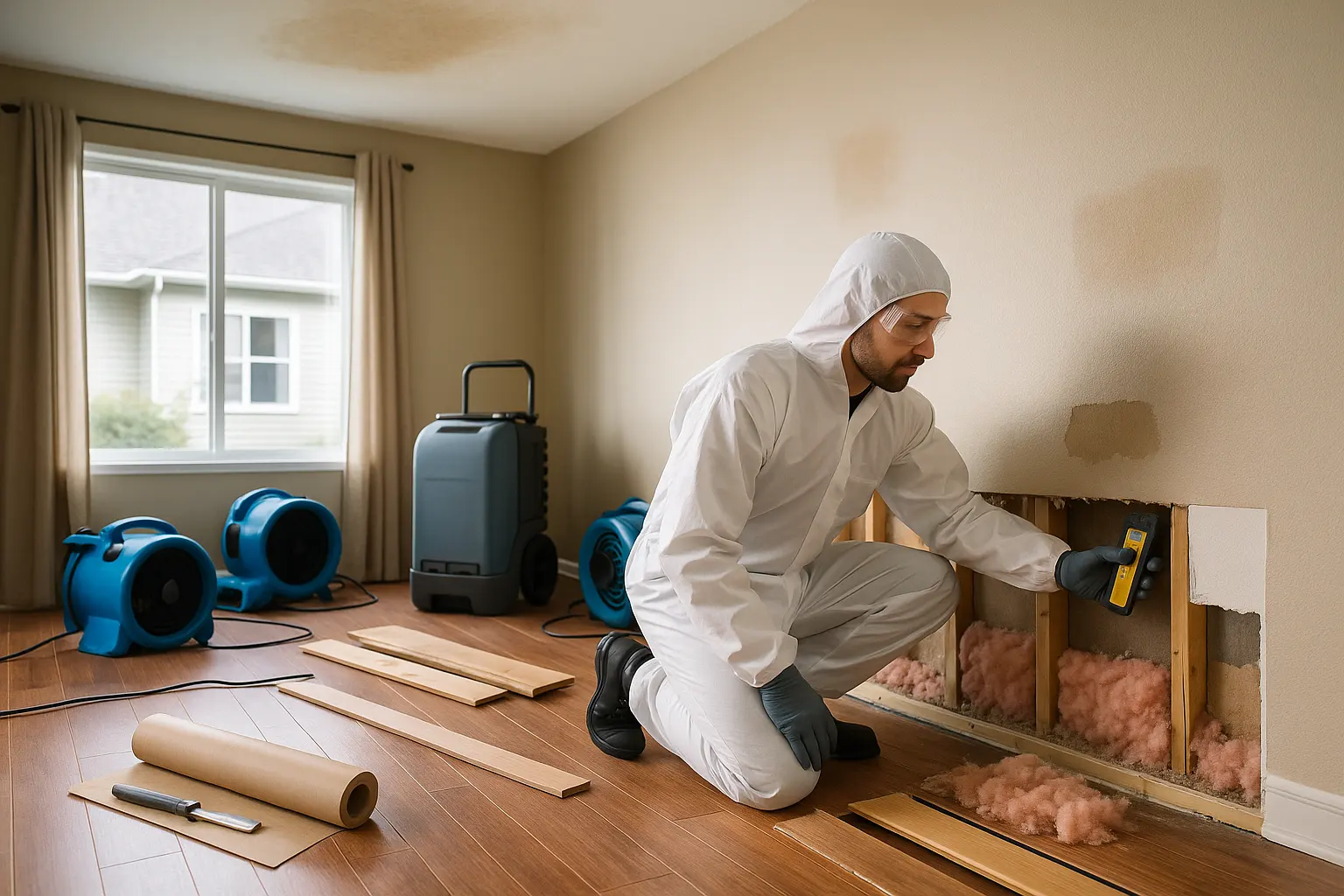
At MrWalls Drywall & Painting, we build estimates around the work your property actually needs: water extraction, controlled drying, water restoration, and the repairs that follow. A clear estimate separates emergency service from water damage repair and restoration, so you can see what our company is doing, why it matters, and what affects the final scope.
Before we price a job, I want to know where the water came from, how far it traveled, and what it touched. Our damage assessment includes visible conditions, moisture readings behind walls and under flooring, affected materials, and signs that water may have moved beyond the obvious wet area. This assessment helps us avoid a common mistake: repairing a stained ceiling or wall while leaving damp framing, insulation, or drywall behind it.
The water category also shapes the restoration plan. Clean water from a supply line may allow us to dry and save more materials if we respond quickly. Gray water, such as water from an appliance discharge, requires added precautions. Water from a sewer backup or outdoor flooding is more contaminated and may require removal of porous materials, detailed cleaning, and stricter containment. The category can change as water sits or travels through building materials.
Our written assessment explains the affected areas, recommended demolition, drying steps, and anticipated repairs. That gives you a practical record of the damage and a sound basis for deciding how to proceed.
Cost per square foot can be a useful starting point, but it is not a complete restoration cost. Two rooms with the same sq ft can require very different work. A small area with water inside a ceiling cavity, behind baseboards, and beneath flooring can take more labor and equipment than a larger open room with surface-level moisture.
In our estimates, we account for the materials affected, access to the wet area, demolition and disposal, cleaning, containment, and the drying equipment needed to bring moisture levels back to normal. Air movers, dehumidifiers, and air scrubbers are placed according to the conditions of the space, not simply by room size. We also include monitoring visits, because drying is a measured process. Equipment may run for several days, but the proper duration depends on moisture readings, humidity, material thickness, and how quickly the structure responds.
After drying is complete, the estimate can address reconstruction: drywall installation, drywall repair, texture matching, painting, or popcorn ceiling removal where needed. We explain these phases separately so the cost is easier to understand and the work is easier to manage.
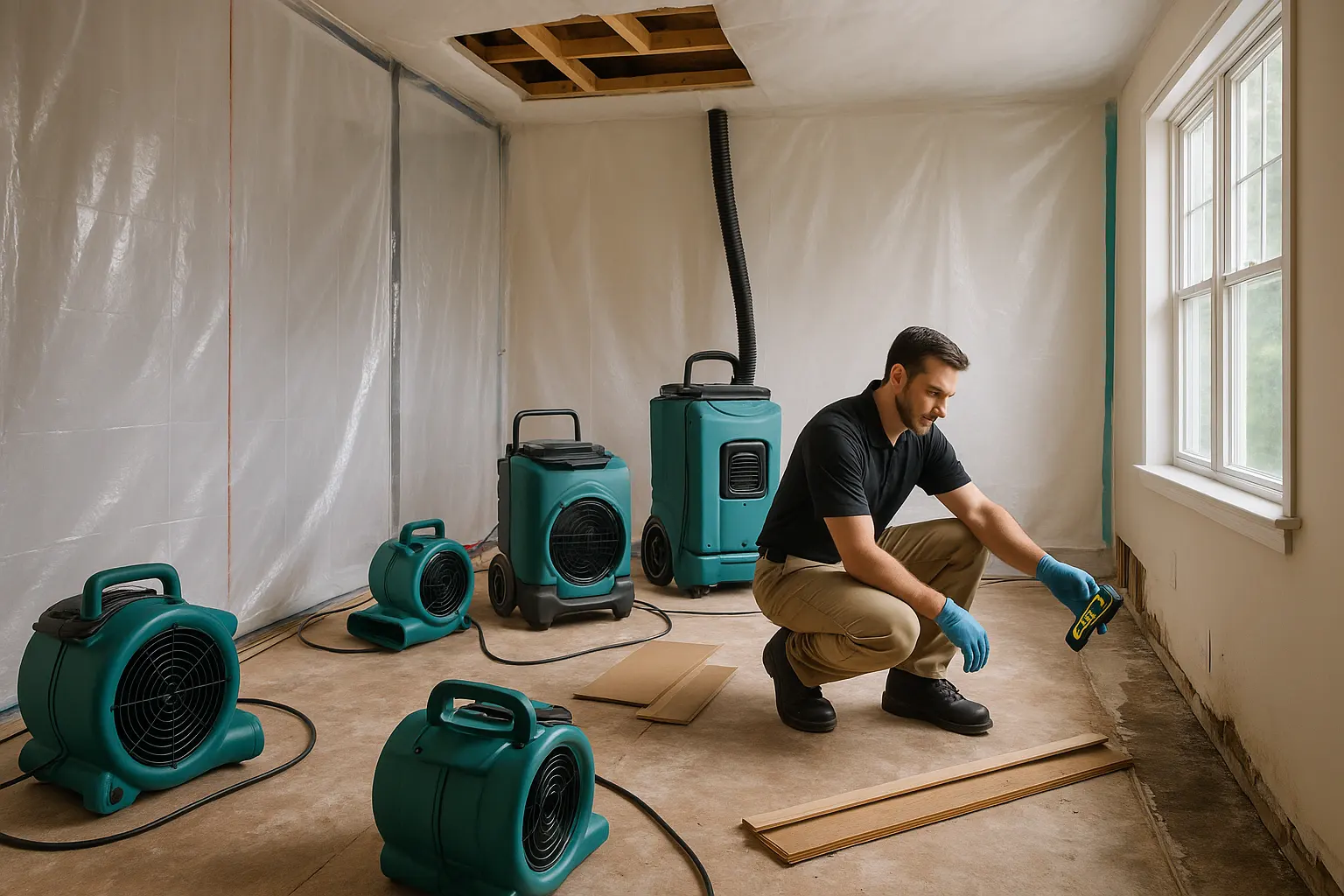
At MrWalls Drywall & Painting, we know water damage restoration costs depend on more than what is visible when we arrive. The source of the water, how long it sat, the affected room, and the materials in your home all matter. A basement flood may require different restoration work than damage in a commercial space, and each cost reflects that scope.
Water often travels farther than the stain or puddle suggests. It can move behind a wall, across subflooring, into ceiling cavities, or beneath finished flooring. That is why we begin with moisture readings and a careful inspection rather than pricing the job from surface damage alone.
If wet drywall, insulation, or wood framing is left in place, it can hold moisture long after the room looks dry. That can lead to mold growth, warped materials, and a larger repair later. In some cases, we need to remove a section of wall or ceiling to dry the structure properly and replace compromised drywall.
We also check for electrical concerns when water has reached outlets, fixtures, or wiring paths. Safety comes first, and electrical damage may require a licensed electrician before restoration can continue. The final restoration cost reflects the drying equipment, demolition, repairs, and any materials needed to return the affected area to a sound, finished condition.
At MrWalls Drywall & Painting, we see water damage repair costs change for one simple reason: water rarely affects just one surface. A small leak behind a bathroom wall may need limited drywall repairs and drying. A burst supply line in a finished basement can affect the wall, ceiling, flooring, insulation, trim, and the structure beneath them. The right estimate starts with finding where the water traveled, not just repairing the stain you can see.
Material matters. Drywall that stayed wet long enough to soften, swell, or grow mold usually needs removal and replacement. A ceiling can cost more to repair than a wall because overhead work requires more protection, access, and finishing. Flooring costs vary widely as well: a wet area of vinyl may be salvageable, while saturated carpet padding, warped hardwood, or moisture trapped under laminate may require more extensive work to restore the room safely.
Room type also shapes the repair cost. Kitchens and bathrooms often have cabinets, plumbing connections, tile, and tight access points. Bedrooms may be more straightforward, but damage can extend into closets, adjoining walls, or the ceiling below. In older homes, we also plan carefully around matching existing textures, paint, and popcorn ceiling finishes.
Finally, scope determines the total. Fast drying after a clean-water leak can keep repairs focused. Water that sits for days, comes from a drain line, or reaches multiple rooms requires more containment, removal, cleaning, and rebuilding. We assess moisture, document the damage, and explain which work is necessary now to prevent a larger problem later.
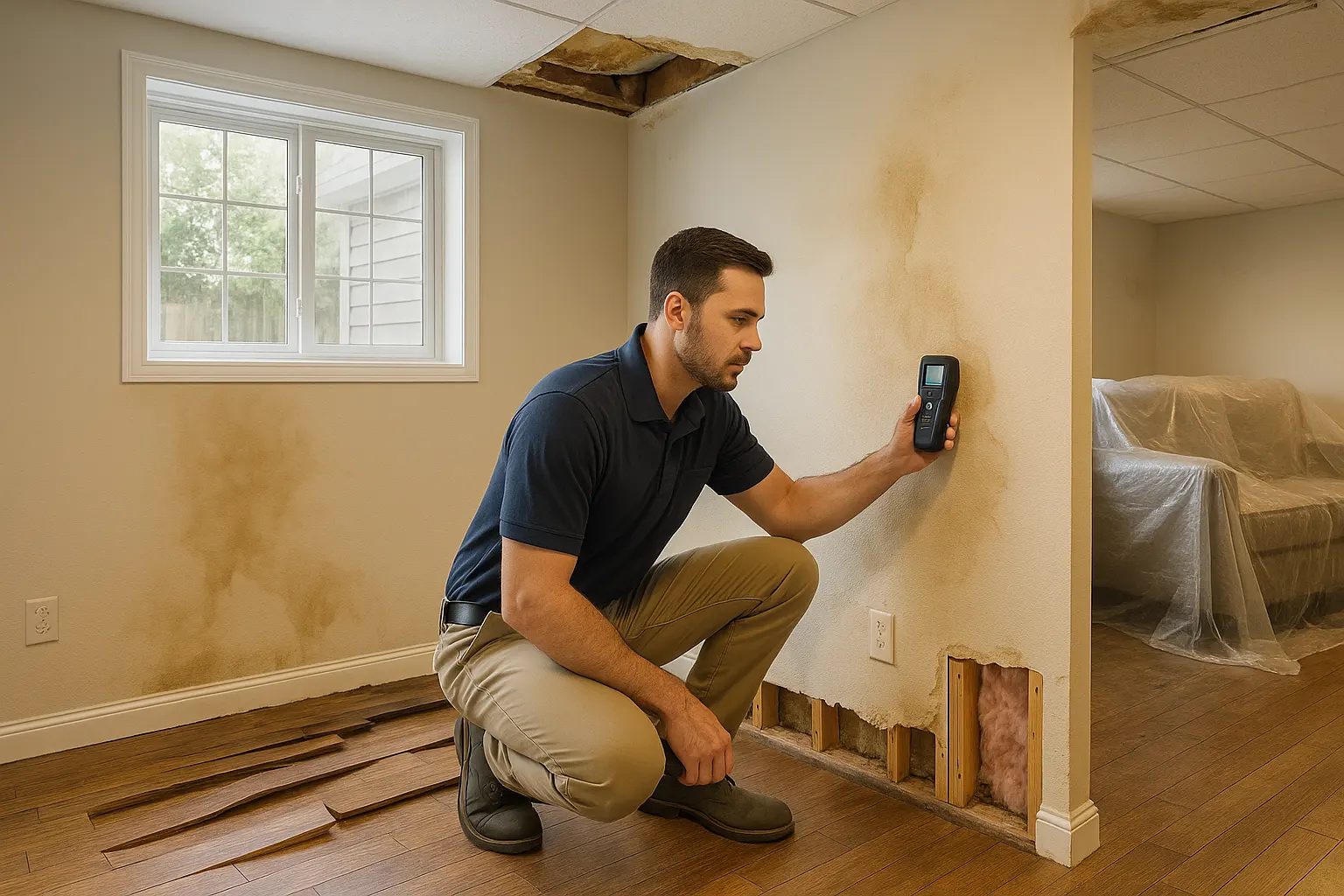
As the owner of MrWalls Drywall & Painting, I have seen how quickly a small water problem can turn into a larger repair. The final water damage cost depends less on the visible stain and more on where the water traveled, how long materials stayed wet, and the water category involved. A clean supply-line leak caught the same day may require limited drying and a drywall patch. The same leak left behind a wall for several days can damage insulation, framing, flooring, and nearby rooms.
Storm-related damage often carries a wider scope. Wind-driven rain can enter through a roof, window, siding gap, or foundation crack, then settle in wall cavities or a basement. Even when the surface looks dry, moisture can remain behind drywall and create conditions for mold growth. In these cases, professional moisture readings help us determine what can be dried in place and what needs to be removed and replaced.
Contaminated water changes both the cleanup process and the cost. Water category matters: clean water from a broken pipe is handled differently than gray water from an appliance discharge or black water from sewage backup or outdoor flooding. Higher-risk water requires careful containment, removal of affected porous materials, cleaning, and sanitizing before repairs begin.
We recommend addressing any damage promptly, especially in a finished basement where carpet, baseboards, drywall, and stored belongings can hold moisture. Our team documents the affected areas, sets drying equipment where needed, and explains the repair path clearly, from emergency drying through drywall installation, finishing, and paint, so you can make informed decisions without surprises.
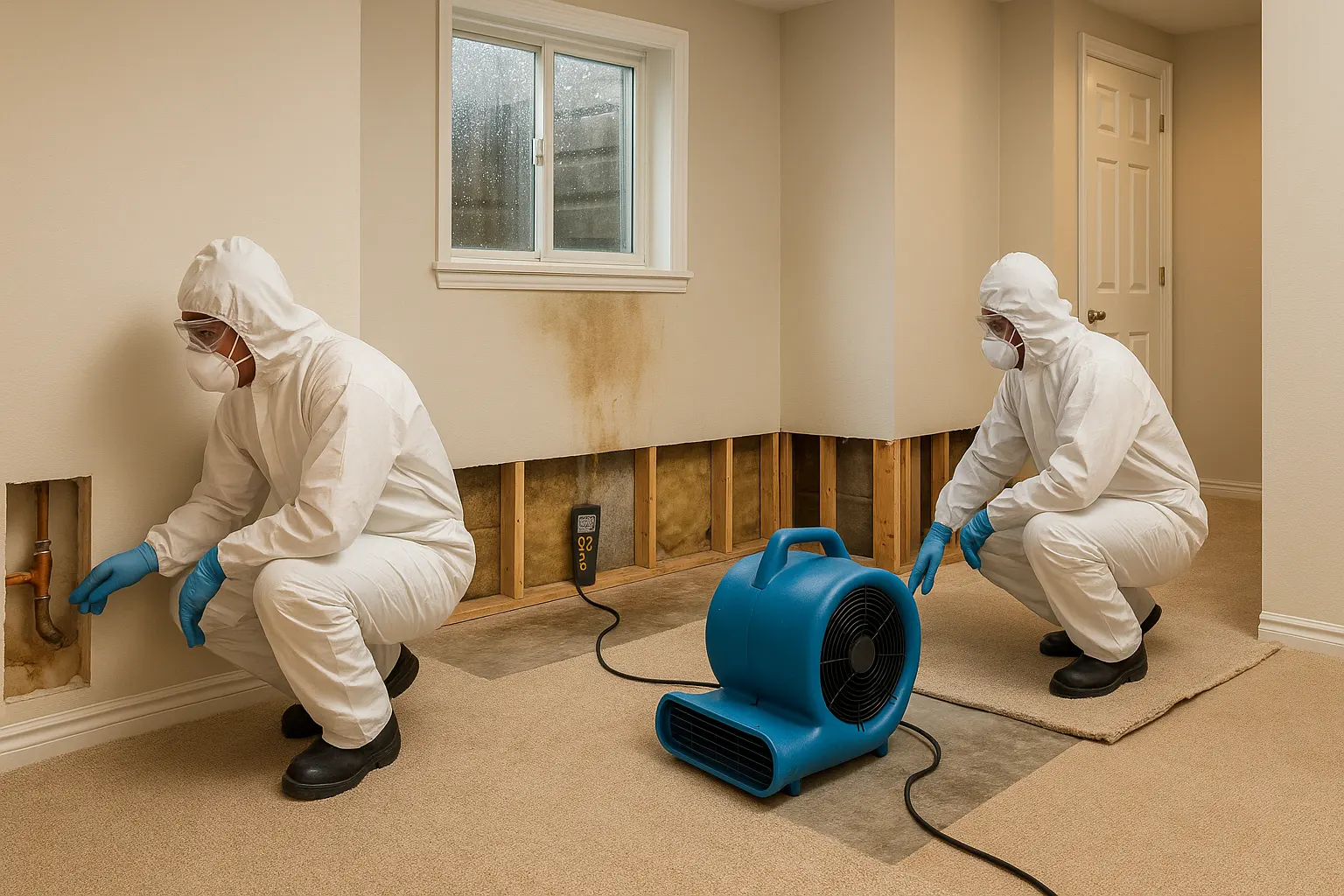
In the first 24 hours after water damage, the goal is simple: stop the source, protect people, and document what happened before conditions change. As the owner of MrWalls Drywall & Painting, I tell homeowners to take clear photos and video of affected rooms, damaged materials, and any visible water source. If there is a burst pipe, shut off the main water supply when it is safe to do so. Avoid standing water near outlets, appliances, or your electrical panel; call a qualified electrician or emergency professional if there is any concern.
Next, contact your insurance carrier to open a claim. Ask for the claim number, the adjuster’s contact information, and guidance on emergency mitigation. Most policies expect homeowners to take reasonable steps to prevent additional loss, which may include water extraction, drying, and removing unsalvageable wet drywall or insulation. Keep receipts for emergency work, hotel stays if applicable, and damaged personal property. Do not discard materials until your insurer has completed its damage assessment or confirmed that disposal is appropriate.
When comparing estimates, make sure each company is describing the same scope of work. One estimate may cover drying only, while another includes demolition, drywall installation, texture matching, painting, and final cleanup. Look beyond the lowest cost. Ask how moisture will be measured, whether equipment monitoring is included, what materials will be replaced, and who coordinates with the insurance adjuster. A clear, itemized assessment helps you understand the work, supports your claim, and reduces surprises once repairs begin.
As the owner of MrWalls Drywall & Painting, I know that the first question after a leak, flood, or burst pipe is usually about cost. Water damage restoration costs depend on how far the water traveled, how long materials stayed wet, and whether drywall, insulation, flooring, or framing must be removed. A small, clean-water leak caught early may require limited water extraction and drying. A larger loss can involve moisture testing, demolition, antimicrobial treatment, structural drying, and repairs.
What does water damage restoration cost? There is no responsible one-price answer without inspecting the affected area. We look at the water source, the category of water, the number of wet rooms, material types, and hidden moisture behind walls or ceilings. Our goal is to explain the scope clearly before restoration work moves forward.
Does insurance cover water damage? Many homeowners insurance policies cover sudden and accidental water events, such as a broken supply line or appliance failure. Coverage can be different for gradual leaks, groundwater, sewer backups, or flooding. We recommend calling your insurer promptly, documenting damage with photos, and reviewing your deductible. We can provide detailed estimates and documentation to support the claim process.
Why is fast water extraction important? Prompt water extraction lowers the chance of mold growth, swollen drywall, damaged insulation, and warped finishes. It can also reduce the overall cost by saving materials that would otherwise need replacement. If drywall cannot be dried safely, our team can remove damaged sections and complete professional drywall installation and repair once the structure is dry.
Can I wait to see if walls dry on their own? We do not recommend it. Surface dryness can hide moisture inside wall cavities and under flooring. Professional monitoring helps protect your home, your indoor air quality, and the quality of the finished repair.
Professional drying and basic water damage repairs commonly range from about $2,000 to $7,000. Small clean-water leaks caught quickly may cost less, while extensive damage involving multiple rooms, flooring, drywall, insulation, or contaminated water can cost more.
Cost depends on the water source, how long materials stayed wet, the size of the affected area, hidden moisture, access, demolition needs, drying equipment, cleaning, and reconstruction. Wet drywall, insulation, flooring, cabinets, and ceiling cavities can increase the scope.
Coverage depends on the cause of the damage and your policy. Sudden, accidental events such as a burst pipe may be covered, while gradual leaks, poor maintenance, and some flood-related losses may not be. Review your policy and contact your insurer promptly.
Drying often takes several days, but timing varies with humidity, material thickness, water volume, airflow, and hidden moisture. Professional equipment and moisture readings help confirm that walls, floors, and framing are dry before repairs begin.
Sometimes. Drywall may be saved after a clean-water leak if it is addressed quickly and remains structurally sound. Drywall that is swollen, soft, mold-affected, contaminated, or wet for an extended period generally needs removal and replacement.
Clean water from a supply line typically requires less cleanup than gray water from appliances or black water from sewage or flooding. Contaminated water requires added containment, removal of porous materials, cleaning, and sanitizing, which increases restoration cost and time.
Stop the water source if it is safe, protect people from electrical hazards, move valuables from the area, document visible damage, and arrange professional drying quickly. Fast action can limit moisture spread, preserve materials, and reduce reconstruction costs.