Water Damage Restoration Services: What to Expect
Learn what water damage restoration services involve, from immediate safety steps and assessment to drying, documentation, cleanup, and repair.
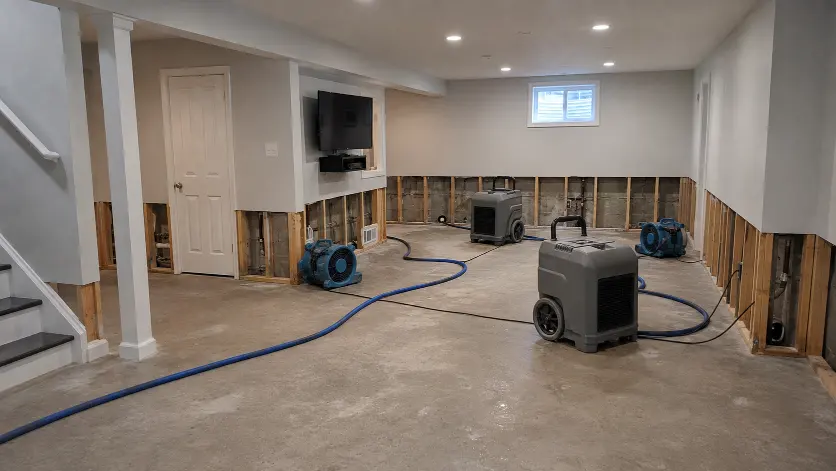
Learn what water damage restoration services involve, from immediate safety steps and assessment to drying, documentation, cleanup, and repair.
MrWalls Drywall & Painting's Water damage restoration services do more than remove standing water. They help protect your home or business from structural damage, mold growth, and costly repairs by addressing moisture quickly and thoroughly. From emergency extraction and drying to cleaning, repairs, and insurance documentation, the right response depends on the source, extent, and timing of the damage.
Professional water damage restoration services address far more than the visible puddle on a floor. A qualified local team begins by locating the source, documenting affected areas, and assessing how far moisture has traveled through flooring, walls, cabinetry, insulation, and structural materials. From there, the work may include water extraction, controlled drying, dehumidification, moisture monitoring, cleaning, odour treatment, and careful removal of materials that cannot be safely saved. The aim is to return the property to a clean, dry, stable condition, not simply make it look dry.
Timing matters because water continues moving after the initial leak or flood is stopped. It can wick behind baseboards, soak subfloors, weaken finishes, and create conditions for mould growth in as little as a day or two. Prompt water damage restoration helps limit demolition, protects belongings, and reduces the likelihood of more extensive repairs later. Whether the cause is a burst pipe, appliance failure, roof leak, or storm intrusion, fast action gives the restoration team the best chance to preserve the parts of your home or business that matter most.
A water emergency demands calm, deliberate action in the first few minutes. Before thinking about cleanup, make sure everyone is safe: avoid standing water near electrical outlets, appliances, or a sagging ceiling, and leave the area if you suspect structural instability or contaminated water. If it is safe to do so, stop the source, shut off a local supply valve, turn off the main water line, or move valuables away from an active leak. Never enter a flooded space to reach the electrical panel; call a qualified professional instead.
Once immediate hazards are addressed, protect the property from further loss. Photograph affected rooms, furnishings, and visible water lines before moving items, then notify your insurer promptly. Lift rugs, relocate artwork and electronics, and place foil or blocks beneath furniture legs where practical. Open doors and begin gentle ventilation only when outdoor humidity is low and the area is electrically safe. Fast action can limit water damage, but thorough drying and assessment remain essential: moisture can travel behind walls, beneath flooring, and into structural materials long after surfaces appear dry.
A small, contained spill can often be handled with prompt drying and basic damage cleanup. Once water reaches flooring, wall cavities, insulation, or furnishings, water mitigation becomes the safer course. Professional cleanup services can limit spread, protect materials, and address conditions that are not visible from the surface.
The source of the water matters as much as the size of the affected area. Category 1 water, such as a clean supply-line leak, may allow for straightforward cleaning if it is caught immediately and materials can be dried completely. Even then, moisture beneath a floor or behind baseboards may require targeted removal and drying.
Category 2 water may contain detergents, food residue, or other contaminants from appliances and drains. Category 3 water, including sewage backups, toilet overflows with waste, and outdoor floodwater, calls for professional water remediation. Porous items such as carpet padding, insulation, and upholstered furnishings may need to be removed rather than cleaned. A qualified team can identify the category, contain affected areas, and document conditions before repairs begin.
| Water category | Common examples | Typical contamination concern | General remediation considerations |
|---|---|---|---|
| Category 1 | Clean supply-line leak | Clean water source | May allow straightforward cleaning when caught immediately and materials can be dried completely. Moisture beneath flooring or behind baseboards may require targeted removal and drying. |
| Category 2 | Water from appliances and drains | May contain detergents, food residue, or other contaminants | Assessment of affected materials and drying needs may be necessary. |
| Category 3 | Sewage backups, toilet overflows with waste, and outdoor floodwater | Highly contaminated water | Calls for professional water remediation. Porous materials, including carpet padding, insulation, and upholstered furnishings, may need removal rather than cleaning. |
Effective water damage restoration follows a disciplined sequence, not a one-size-fits-all fix. A qualified water restoration team assesses the source, protects the property from further loss, and documents each stage of the damage restoration job. From extraction through repairs, the work is guided by moisture conditions and the materials affected.
The process begins with a detailed inspection of visible damage and hidden moisture. Technicians use moisture meters and thermal imaging to trace water behind walls, beneath flooring, and above ceilings, where a wet area may extend well beyond the obvious stain. This mapping helps determine which materials can be dried in place and which require removal.
Prompt water removal is then the priority. Pumps, extractors, and specialized tools pull standing water from carpets, pads, subfloors, and other saturated surfaces. In some cases, controlled openings in drywall or ceilings allow trapped moisture to escape and give the drying equipment access to the affected cavity. Careful extraction limits swelling, microbial growth, and avoidable demolition while creating a clear plan for the next phase.
Once extraction is complete, structural drying begins. Air movers, dehumidifiers, and carefully monitored airflow reduce moisture in framing, drywall, flooring, and contents. Readings are checked regularly; the goal is not simply to make surfaces feel dry, but to return materials to an appropriate moisture level before repairs proceed.
Cleaning follows the conditions of the loss. Salvageable belongings and surfaces may be sanitized, deodorized, or treated for residues, while unsalvageable porous materials are removed safely. Repairing the property can then include replacing insulation and drywall, restoring trim, reinstalling flooring, and repainting affected areas. A full restoration should connect this construction work to the original drying records, confirming that rebuilt spaces are clean, stable, and ready for normal use.
After a leak, burst pipe, or roof intrusion, the visible water is only part of the concern. Moisture can remain behind drywall, beneath flooring, inside insulation, and above ceilings long after surfaces feel dry to the touch. Left unaddressed, that trapped water can weaken materials, stain finishes, create odors, and allow mold to develop in places homeowners rarely see.
Proper drying is not a matter of setting out a few fans and waiting. It requires identifying where water traveled, removing moisture from affected materials, and monitoring conditions as the space returns to an appropriate level. Professional moisture readings and thermal imaging can reveal pockets of dampness that visual inspection alone may miss.
Verification matters because premature repairs can conceal an ongoing problem. Repainting damaged drywall or closing a ceiling before the structure is dry may lead to recurring stains, warped finishes, or more extensive damage later. A documented drying process helps ensure repairs are built on a stable, dry foundation, not over moisture that is still working behind the walls.
Water damage rarely arrives as one obvious event. A burst supply line may soak flooring in minutes, while a slow leak behind a vanity can quietly weaken drywall, cabinetry, and subflooring over months. In local homes, heavy rain, roof failures, backed-up drains, appliance hose leaks, and overflowing fixtures are among the most frequent causes of damage requiring professional attention. Each situation calls for more than surface drying: moisture can travel beneath finished materials, collect in wall cavities, and affect areas well beyond the visible water line. Prompt restoration helps protect the home from structural deterioration, odors, and conditions that can complicate a safe recovery. The type of water also matters. Clean water from a broken pipe is handled differently from wastewater backups or floodwater, which may introduce contaminants and require controlled removal and sanitation. Whether the affected property is a single room or several levels, a careful inspection establishes the source, identifies hidden moisture, and creates a practical plan to return the space to a clean, dry, stable condition.
In an emergency, the first priority is protecting people and limiting additional damage, not attempting a full cleanup. A few careful mitigation steps can help preserve your property and support a smoother insurance claim, provided they can be taken safely.
If the water emergency involves an active leak, shut off the nearest safe water supply valve or the home’s main valve. Keep people and pets away from standing water, especially near outlets, appliances, or a sagging ceiling. Do not enter a flooded area if electricity may be present; call your utility or an electrician first. If the source is contaminated, such as a sewer backup, avoid contact entirely.
Move dry, portable valuables from the affected area only when it is safe, and place foil or wood blocks beneath furniture legs to limit further damage. Open interior doors for airflow, but avoid running fans or HVAC through spaces that are wet or potentially contaminated. Skip DIY damage cleanup involving saturated drywall, insulation, or flooring; improper handling can spread moisture and delay professional drying.
Before removal or cleaning begins, photograph and video every affected room. Capture the source of the water if visible, the water line on walls and furniture, damaged finishes, and close-ups of personal belongings. Take wide shots as well, so each item’s location in the property is clear. Save time-stamped images, receipts, plumber invoices, and any communication related to the event in one folder for your claim.
Create a straightforward inventory of damaged contents, noting approximate age, brand, model, and replacement cost where known. Do not discard materials until your insurer has documented them or a restoration professional advises otherwise. Keep records of emergency mitigation, removal, and temporary accommodation expenses. Thorough documentation gives the adjuster a clearer picture of the damage and helps keep repairing and recovery decisions grounded in the actual condition of the home.
Every water event follows its own timetable, but prompt mitigation makes the greatest difference. In a typical home, emergency water removal and initial drying begin on the first day; moisture readings, equipment adjustments and detailed documentation continue over the following several days. Structural materials may dry quickly, while dense flooring, wall cavities or cabinetry can require more time and, in some cases, selective removal to prevent hidden water damage from becoming a larger restoration project. A qualified local team should explain what is wet, what can be saved and what the next decision point will be, not simply leave fans running without a plan. Once conditions are dry and stable, repairs can move forward, from minor finishes to more involved reconstruction. Prevention matters just as much: maintain supply lines and appliances, clear gutters, know where the main shutoff is and address small leaks before they spread. For homeowners with common questions about insurance, safety, drying equipment or return-to-home timing, clear records and professional moisture testing provide the most reliable answers.
Water damage restoration can include inspection, moisture mapping, water extraction, structural drying, de-humidification, cleaning, odor treatment, removal of un-salvageable materials, and repairs. The goal is to dry affected building materials fully and return the property to a clean, stable condition.
Call as soon as it is safe to do so, especially after a burst pipe, flood, sewage backup, roof leak, or appliance failure. Water can spread behind walls, beneath flooring, and into insulation quickly. Early extraction and drying may reduce damage and preserve more materials.
A small, clean spill may be manageable if it is contained and dried immediately. Professional water mitigation is recommended when water reaches carpet, subfloors, walls, insulation, cabinetry, or furnishings, or when the source may be contaminated.
Prioritize safety. Avoid standing water near electricity, leave areas with sagging ceilings or structural concerns, and stop the water source if it is safe. Photograph the damage, notify your insurer, move valuables away from water, and arrange a professional assessment.
Technicians use moisture meters, thermal imaging, visual inspection, and regular drying readings to identify water behind drywall, beneath flooring, above ceilings, and inside other concealed areas. This helps determine what can be dried in place and what needs removal.
Not always, but damp materials can support mold growth within a day or two under suitable conditions. Fast water removal, controlled drying, humidity management, and moisture verification help reduce the risk of mold developing after a water loss.
No. Sewage backups, toilet overflows containing waste, and outdoor floodwater may contain harmful contaminants. These losses require professional water remediation, appropriate protective measures, cleaning, and removal of porous materials that cannot be safely restored.