Get practical water mitigation guidance, from safe water extraction and drying to drywall, ceiling, and paint repair for your home.
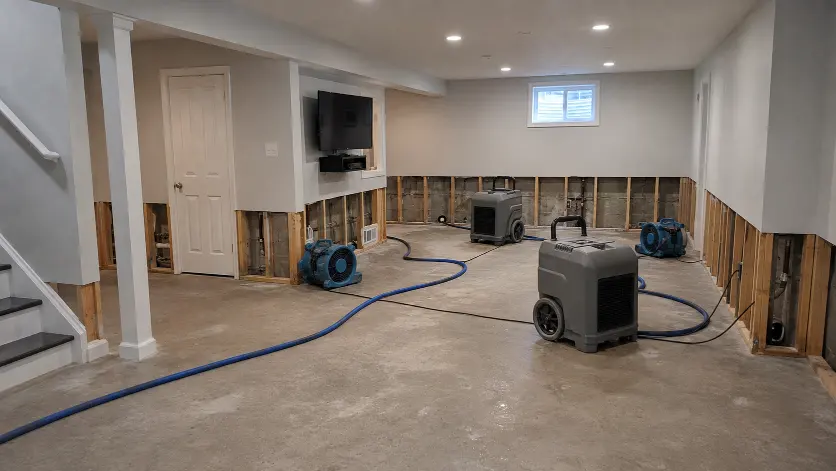
Water mitigation is the work that limits damage after a leak, overflow, or flood, before moisture spreads into drywall, flooring, insulation, and framing. For homeowners, the right response starts with safety, stopping the water source, and knowing when professional drying and drywall repair are needed. Here’s how to protect your home and make informed next steps.
Water mitigation is the immediate work that limits the effects of unwanted moisture in a home. Whether the cause is a sudden water leak, an overflowing appliance, storm-related water intrusion, or a slow leak behind a wall, the first priority is stopping the source and beginning water removal promptly. Fast, careful action can reduce property loss and help prevent moisture from moving into drywall, insulation, flooring, trim, and structural materials.
Water damage mitigation goes beyond simply drying a visible puddle. A thorough response identifies where water traveled, removes affected materials when necessary, dries the assembly to appropriate moisture levels, and addresses conditions that could support mold growth or further deterioration. Water cleanup may include extracting standing water, setting professional drying equipment, treating salvageable surfaces, and documenting the scope of damage for insurance purposes.
At MrWalls Drywall & Painting, we help homeowners understand what is beneath the surface before repairs begin. Effective damage mitigation creates a sound starting point for restoration, so drywall repair, painting, and ceiling work are completed only after the area is properly dry and stable.
Standing water after a leak, flood, or storm can quickly damage drywall and flooring. Prompt water damage mitigation helps limit mold risk, protect the structure, and determine whether targeted repairs or more extensive remediation are needed.
Not all water damage calls for the same cleanup approach. Water contamination determines what can be dried and restored safely, and what should be removed. Clean water from a supply line may allow for focused drying if addressed quickly. Gray water, such as water from appliances or sinks, carries contaminants that require more careful cleaning and evaluation of affected materials.
Black water from sewage backups, toilet overflows, or outdoor flooding requires a more controlled response. Porous materials including saturated drywall, insulation, carpet padding, and some flooring may need removal because they cannot be reliably sanitized. Proper damage mitigation includes containing the affected area, extracting water, drying structural materials, and addressing contamination before repairs begin. MrWalls Drywall & Painting can help identify damaged finishes and restore walls and ceilings once the area is dry, clean, and ready for reconstruction.
When a water leak is discovered, the first priority is safety, not a rushed cleanup. If you can safely reach the source, shut off the nearby supply valve or the home’s main water line. Avoid rooms with standing water when electrical outlets, cords, appliances, or the breaker panel may be affected; turn off power only if you can do so without entering a wet area. If there is any doubt, wait for a qualified professional.
Next, protect what you can without disturbing wet drywall, ceilings, or flooring. Move small valuables, rugs, and furniture away from the affected area, and place foil or wood blocks beneath furniture legs where practical. Take clear photos and video of the water damage before removing items, especially if an insurance claim may be involved. Do not puncture sagging ceilings, use a standard household vacuum on water, or rely on fans alone to dry materials that have already absorbed moisture.
Open interior doors for airflow, then contact MrWalls Drywall & Painting for prompt mitigation guidance. Fast, careful action can limit further damage while helping preserve the walls, ceilings, and finishes that make your home feel complete.
A sound mitigation process stops active moisture from causing further harm. At MrWalls Drywall & Painting, mitigation services move methodically from water extraction and drying to informed water restoration and damage restoration decisions.
Water extraction and water removal are urgent first steps: removing standing water, reducing moisture loads, and helping prevent further migration into adjoining rooms. But taking water out of a space does not automatically mean its materials are dry, clean, stable, or ready to keep.
The water damage restoration process continues with moisture assessment and controlled drying of affected assemblies. Drywall, insulation, trim, flooring, and framing can retain water beyond what is visible on the surface. Materials that have lost their structural integrity or cannot be properly dried may need removal before repairs begin.
That distinction matters in every damage restoration process. Restoring a room means determining what can be safely retained, what should be replaced, and how to restore clean, durable finishes without sealing in a moisture problem. Proper restoration follows verified drying, not simply the disappearance of puddles.
Wet drywall can sometimes be saved, but water damage hidden behind walls or above ceilings demands a careful assessment. MrWalls Drywall & Painting evaluates the damaged area, supports proper drying, and recommends repair or replacement that can restore affected surfaces and protect nearby flooring.
Water mitigation is the immediate work that limits further loss: stopping the source, removing standing water, setting drying equipment, and documenting moisture levels. Its purpose is to stabilize the property before wet materials foster staining, warping, or microbial growth.
Restoration follows once the area is dry and conditions are verified. In a water damage restoration project, that may mean replacing unsalvageable drywall, repairing ceiling texture, repainting, reinstalling trim, or coordinating reconstruction services for more extensive damage. The restoration process should return the space to a sound, finished condition, not simply cover evidence of the leak.
For commercial properties, clear scheduling and contained work areas matter as much as the repair itself. MrWalls Drywall & Painting helps property owners understand which finishes can be preserved, what must be removed, and the practical sequence for putting the space back in service.
| Aspect | Water Mitigation | Restoration |
|---|---|---|
| Role | Immediate work that limits further loss and stabilizes the property. | Follow-up repair and finishing work that returns the space to a sound, finished condition. |
| Timing | Performed first, before wet materials foster staining, warping, or microbial growth. | Begins once the area is dry and conditions are verified. |
| Typical Activities | Stopping the source, removing standing water, setting drying equipment, and documenting moisture levels. | Replacing unsalvageable drywall, repairing ceiling texture, repainting, reinstalling trim, and coordinating reconstruction services for extensive damage. |
| Intended Outcome | Limits additional damage and prepares the property for the next phase. | Restores the space rather than simply covering evidence of the leak. |
Thorough documentation can make a water damage claim easier to understand, process, and support. Before moving belongings or beginning water cleanup, take clear, well-lit photos and video of every affected area. Capture wide views of each room, then close-ups of stained drywall, warped trim, soaked flooring, damaged furniture, and visible signs of water intrusion. Include the source if it is safe to photograph, such as a failed supply line, overflowing appliance, or roof leak.
Keep a simple written timeline with the date and time you discovered the problem, when the water source was stopped, and every conversation with your insurer, plumber, or mitigation services provider. Save receipts for emergency repairs, temporary lodging, equipment rentals, and replaced personal items. Create an itemized inventory for damaged contents, noting approximate age, purchase price, and serial numbers where available. Do not discard damaged materials until your adjuster approves it, unless removal is necessary to prevent further damage. A professional restoration contractor can also provide moisture readings, photographs, and a detailed scope of work, documentation that helps show both the extent of the loss and the steps taken to protect your home.
When water enters a home, the visible stain is often only part of the problem. Prompt mitigation services help limit the spread of moisture before damaged drywall, insulation, trim, and ceilings require more extensive work. At MrWalls Drywall & Painting, we approach water damage mitigation with a practical eye: identify the affected materials, remove what cannot be safely saved, dry the area thoroughly, and prepare the space for lasting repairs. Effective water mitigation is not simply about covering a damaged surface. It is about addressing the conditions behind it so new drywall and finishes have a sound foundation. Once the area is dry and stable, our team can handle the restoring process with careful drywall replacement, patching, texture matching, priming, and painting. For homes with ceiling damage, we can also address popcorn textures and create a cleaner, more consistent finish. Our water damage restoration and reconstruction services are designed to bring rooms back to a finished, livable condition, rather than leave you coordinating separate trades. From a small ceiling leak to a larger affected area, we provide clear recommendations and workmanship that respects your home.
Water mitigation is the immediate response to a leak, flood, or other unwanted moisture. It includes stopping the water source, extracting standing water, assessing affected materials, and drying the area to limit further damage before repairs begin.
Mitigation stabilizes the property and limits additional loss through water removal, moisture assessment, and drying. Restoration happens after drying is verified and may include drywall replacement, ceiling repair, trim work, texture matching, and painting.
If it is safe, shut off the nearby supply valve or main water line. Stay out of wet areas where electrical hazards may be present, move valuables away from the water, photograph the damage for insurance records, and arrange prompt mitigation help.
Sometimes. Drywall may be salvageable when clean water is addressed quickly and the material has not lost strength or developed contamination. Saturated drywall, damaged insulation, or materials affected by sewage or floodwater often require removal and replacement.
Clean water from a supply line may allow focused drying and repair. Gray water from appliances or sinks needs more careful cleaning. Black water from sewage, toilet overflows, or outdoor flooding requires controlled cleanup, and porous materials may need to be removed.
Visible water can be gone while moisture remains inside walls, ceilings, insulation, flooring, and framing. Moisture assessment helps determine whether materials are dry enough to retain, repair, or paint, reducing the chance of hidden deterioration or mold growth.
No. Repairs and painting should wait until the water source is corrected, affected materials are clean, and drying has been verified. Rebuilding too soon can trap moisture behind new finishes and lead to additional repairs later.