What is so bad about popcorn ceilings?
What is so bad about popcorn ceilings?
DRYWALL INSTALLATION
What is so bad about popcorn ceilings?
1. Aesthetic Appeal: The primary concern for many homeowners is the outdated look that popcorn ceilings tend to convey. While they were trendy in the late 20th century, many modern design trends favor smoother, more polished ceilings. This can make a home with popcorn ceilings feel dated, potentially impacting its overall marketability.
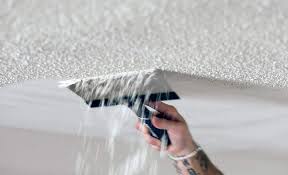
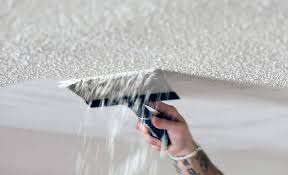
2. Difficult to Clean: One of the practical drawbacks of popcorn ceilings is their texture. The uneven surface can trap dust, cobwebs, and allergens, making them difficult to clean. Regular maintenance can become a tedious task, especially if the ceilings are high. In contrast, smoother ceilings are often easier to wipe down and keep clean.
3. Potential Health Risks: Perhaps one of the more serious issues with popcorn ceilings is the potential presence of asbestos. Many homes built before the late 1980s used asbestos in their popcorn ceiling material. Disturbing these ceilings can release asbestos fibers into the air, posing serious health risks. If you suspect your ceilings might contain asbestos, it’s crucial to consult with a professional for testing and removal.
4. Decreased Home Value: If you’re looking to sell your home, having popcorn ceilings could decrease its value. Potential buyers may see the need for immediate renovations, which could deter them from making an offer or cause them to negotiate for a lower price. Removing popcorn ceilings and replacing them with a more modern finish can significantly enhance your home's value on the market.
5. Poor Sound Quality: While popcorn ceilings were originally lauded for their sound-dampening qualities, they often do not perform as well as modern acoustic solutions. Homeowners seeking a quieter atmosphere may find that newer materials, such as acoustic tiles or flat ceilings with soundproofing layers, are more effective at sound insulation.
6. Difficult to Repair: If a popcorn ceiling becomes damaged, repairing it can be a challenge. Unlike a smooth ceiling, which can easily be patched and painted, popcorn textures can be hard to replicate. Homeowners might find that even attempting a repair can lead to an inconsistent look that draws more attention to the damage rather than hiding it.
7. Safety Concerns: Popcorn ceilings can pose safety risks, especially if they are high or in areas that require maintenance. The texture can lead to falls or accidents while cleaning, particularly for those who are not accustomed to working on ladders. This physical risk can be a deterrent for homeowners who prefer to keep their living space safe and accessible.
8. Maintenance Issues Over Time: Even if homeowners initially enjoy their popcorn ceilings, over time, the texture can yellow or become stained from smoke or water damage. These stains are often more challenging to mask with paint, which could require complete removal and replacement to restore the ceiling's original appearance.
In summary, while popcorn ceilings were once a popular choice for many homes, their drawbacks have led many homeowners to reconsider their value. From aesthetic concerns and maintenance challenges to the potential health risks associated with asbestos, the cons often outweigh the pros. For those looking to create a modern, appealing living space, removing popcorn ceilings may be a worthwhile investment. Consider consulting with a professional to explore your options and enhance your home's overall ambiance and value.
Drywall Repair | Drywall Installation | Drywall Finishing | Popcorn ceiling Removal | Painting | Contact Us | Home | Service Area | Plaster Repair
Home | Services | Contact | Offices | Faq | Service Area | Blog | Appointment | Drywall Finishing | Drywall Taping | Drywall Repair | Plaster Repair | Ceiling Repair | Wall Repair | Drywall Installation | Drywall Hanging | Popcorn Ceiling Repair | Crack Repair | Hole in Ceiling | Hole In Wall | Interior Painting | Knockdown Texture | Water Damage Repair | Drywall Bathroom | Drywall Ceiling | Soundboard | Drywall Patch | Black Mold | Ice Dam Roof Leak | Drywall over Plaster | Wallpaper Removal | Fix a Hole | Skim Coating | Popcorn Removal | Apartment Turnovers | Massachusetts | Western MA | Springfield | Chicopee | Ludlow | Wilbraham | Longmeadow | East Longmeadow | Monson | Palmer | Belchertown | Granby | Amherst | Hadley | Northampton | Easthampton | Westhampton | Holyoke | South Hadley | West Springfield | Hampden | Agawam | Westfield | Southampton | Southwick | Granville | Hatfield | Lenox | Beckett | Lee | Great Barrington | Stockbridge | Huntington | Middlefield | Pelham | Plainfield | Ware | Williamsburg | Worthington | Brimfield | Blanford | Holland | Montgomery | Tolland | Wales | Refund Policy | Privacy Policy | Terms and Conditions


600 East Main St Chicopee, MA, 01020
203 Circuit Ave n39, West Springfield, MA 01089