Why Drywall Ceilings Crack
Drywall ceilings crack for a few common reasons. Most of them have nothing to do with the age of the paint. The problem is usually movement, moisture, weak seams, or poor fastening.
At MrWalls Drywall & Painting, we repair cracked drywall ceilings in homes, apartments, basements, and rental units. Some cracks are minor. Some point to a bigger ceiling problem. The key is knowing which is which.
Ceiling Seams Are the Most Common Crack Area
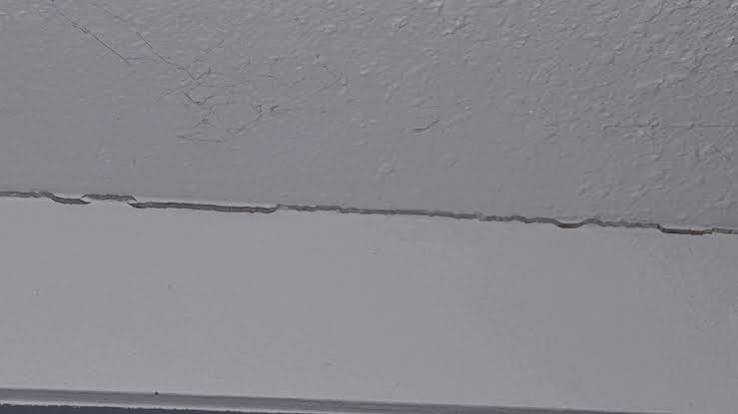
Most drywall ceiling cracks show up along taped joints. That is where two sheets meet, so it is the first place movement tends to show.
If the tape bond was weak, the compound was applied poorly, or the seam was not finished well, the crack often comes back. A ceiling seam can look fine for a while, then show a thin line once the house shifts through a few seasons.
House Movement Causes Ceiling Cracks
Houses move. Framing dries out. Temperatures change. Humidity changes. Floors settle. Roof loads shift a little through the year.
That movement often shows up in the ceiling first because the drywall spans across framing and the light overhead makes small changes easier to see. A small shift in the framing can turn into a visible crack at the ceiling joint.
Poor Fastening Can Lead to Cracks
If the drywall was not fastened well when it was installed, the sheets can move more than they should. That movement puts stress on the seams.
Loose screws, missed framing, overdriven fasteners, or weak support behind the drywall can all lead to cracking later. Sometimes you will also see popped fasteners near the crack line.
Bad Framing Shows Through the Ceiling
Drywall follows the framing under it. If the ceiling joists are uneven, twisted, or shifting, the drywall surface can crack where the stress builds.
This is one reason a crack that gets patched once may come back. The surface was repaired, but the ceiling underneath is still moving.
Water Damage Weakens the Ceiling
A leak can weaken drywall fast. Once the board gets wet, the paper face softens, the core loses strength, and the tape bond can fail. Even after the area dries, the seam may stay weak.
That is why stained ceilings often crack around the damaged section. If the drywall got soft or sagged at any point, the crack is often part of a larger repair.
Temperature and Humidity Changes Matter
Ceilings expand and contract a little as conditions change. In rooms with poor ventilation, high humidity, or big temperature swings, that movement puts extra stress on the joints.
Bathrooms, top floor ceilings, and rooms near attic spaces often show this more than a dry interior room.
Old Repairs Can Crack Again
Some ceiling cracks are not new problems. They are old repairs failing.
We often see ceilings where someone filled the crack with compound and painted over it. That may hide the line for a while, but if the seam underneath was not re-taped or secured, the crack usually comes back. A ceiling crack needs more than surface filler if the joint itself failed.
Truss Uplift and Seasonal Movement
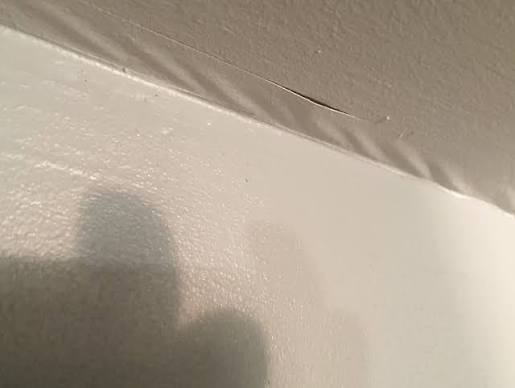
In some homes, ceiling cracks show up where walls meet ceilings, especially in winter. One cause is seasonal framing movement, including truss uplift. That can open up a line at the corner even if the drywall itself is otherwise sound.
These cracks often change with the season. They may get worse during colder months and look smaller later on.
What a Ceiling Crack Can Tell You
A thin hairline crack in one seam is different from a sagging ceiling with several open joints. The location, size, and pattern of the crack matter.
- A single fine crack may point to a seam issue.
- A crack with staining may point to moisture.
- A crack with sagging may mean the drywall has lost strength.
- Cracks that keep returning usually point to movement or a failed repair.
That is why it helps to look at the whole ceiling, not the crack by itself.
When a Crack Needs More Than a Patch
Some cracks can be repaired with seam work and finish coats. Others need a larger repair. If the drywall is soft, loose, sagging, or cracked in several places, patching one line may not solve the problem.
In those cases, part of the ceiling may need to be opened, secured, or replaced so the repair lasts.
Why Homeowners Call MrWalls Drywall & Painting
We repair drywall ceiling cracks caused by weak seams, water damage, settling, bad patches, and framing movement. We look at what caused the crack before we repair it. That matters because a clean patch is only useful if the ceiling underneath is sound.
Need Help With a Cracked Ceiling
If you are asking why drywall ceilings crack, MrWalls Drywall & Painting can help. We repair cracked seams, water damaged ceilings, sagging drywall, and old patch jobs that failed.
Send a few photos or contact us for an estimate. We will look at the ceiling and tell you the next step.