Learn when homeowners insurance may cover water damage from a plumbing leak, what to do first, and how to plan drywall and ceiling repairs.
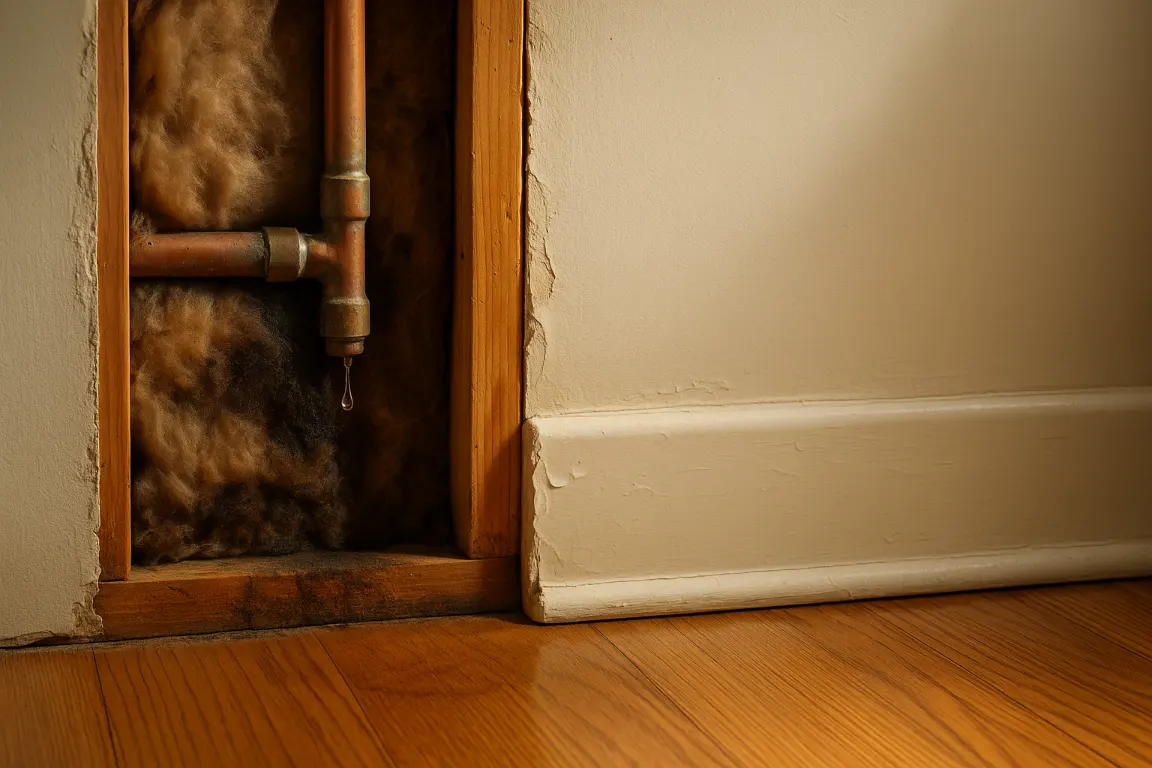
Homeowners insurance may cover water damage from a plumbing leak when the leak is sudden and accidental, but it typically will not pay to repair the worn pipe, failed fixture, or damage caused by long-term neglect. The distinction matters when you are facing wet drywall, warped flooring, or a growing repair bill. Your home insurance policy may also set specific limits, deductibles, and exclusions for water-related losses.
Act quickly: stop the water, document the damage, and call a licensed plumber. Then review your policy or speak with your insurer to understand what may be covered.
Homeowners insurance may cover water damage from a sudden, accidental plumbing failure, such as a burst pipe, but often excludes the leaking pipe itself and damage from gradual leaks, corrosion, or poor maintenance. Stop the water safely, photograph damage, notify your insurer promptly, and arrange professional drying. Coverage, deductibles, exclusions, and limits vary by policy, so review your specific terms before repairs begin.
When homeowners ask, “does insurance cover water damage from a plumbing leak?”, the answer usually depends on how, and how quickly, the leak occurred. Most homeowners insurance policies, including many home insurance plans, may provide insurance coverage for sudden, accidental water damage, such as a burst supply line behind a wall or an unexpected pipe failure under a sink. Coverage can often extend to damaged drywall, ceilings, flooring, paint, and personal belongings, subject to your deductible and policy limits.
What is less likely to be covered is the plumbing leak itself or damage caused by long-term seepage, deferred maintenance, corrosion, or a leak that developed gradually over time. Floodwater entering from outside is also typically excluded unless you carry separate flood insurance. The distinction matters: insurers generally look for evidence of a sudden event rather than an ongoing condition.
After stopping the water source, document the affected areas with photos, contact your insurer promptly, and arrange for professional drying to limit further damage. MrWalls Drywall & Painting can help restore water-damaged drywall and ceilings once the area is properly dried and the cause of the leak has been addressed.
Plumbing-related damage can be confusing because the failed part and the damage it causes are often treated differently. A standard homeowners policy may exclude the cost to repair or replace a worn, corroded, or poorly maintained leaking pipe. In other words, insurance may not pay for the plumbing repair itself if the pipe simply failed over time. However, the accidental plumbing damage that follows can be a different matter. If a pipe suddenly bursts behind a wall and water soaks drywall, insulation, flooring, or ceilings, the resulting water damage may be covered, subject to your policy, deductible, and any applicable exclusions. The distinction usually comes down to the source, timing, and condition of the plumbing issue. Document the affected areas promptly, keep photos of visible damage, and report the loss before tearing out materials whenever possible. Once the claim process is underway, MrWalls Drywall & Painting can help restore damaged drywall and ceilings with careful repairs that return the space to a clean, finished condition.
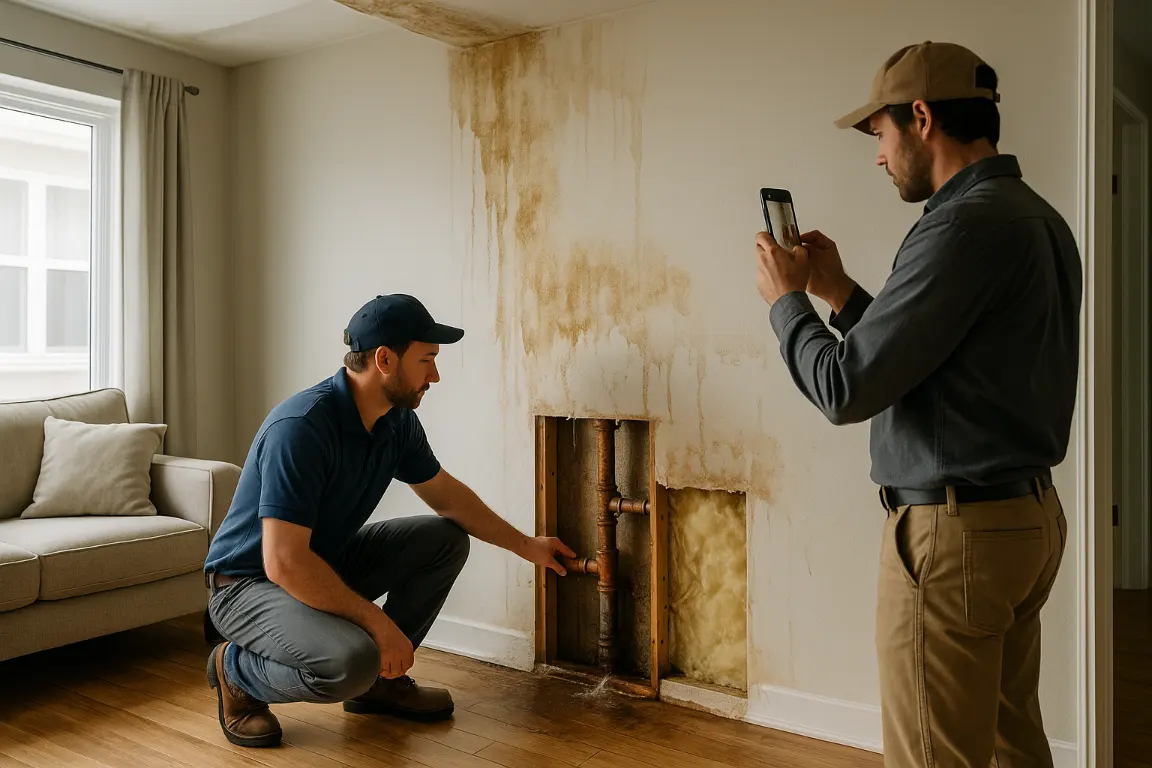
Homeowners insurance may help cover damage caused by a sudden, accidental event, not gradual wear or deferred maintenance. In many policies, homeowners insurance may cover sudden damage due to a plumbing failure and cover some water damage repairs to affected walls, ceilings, and finishes. Coverage depends on your policy and the source of the loss.
Burst pipes are among the more common covered water-loss scenarios. If a burst pipe suddenly releases water into a wall or ceiling, your homeowners insurance often will cover resulting damage to drywall, insulation, flooring, and paint, subject to your deductible and policy limits. Repairs may include removing saturated materials, drying the structure, and restoring finished surfaces once moisture levels are safe.
The distinction is important: insurers generally look for a sudden, accidental failure. A pipe that leaks slowly for months, or pipes damaged because a home was left unheated during freezing weather, may receive different treatment. Take photos, stop the water source if it is safe to do so, and report the loss promptly. MrWalls Drywall & Painting can help restore damaged drywall and ceilings after drying work is complete.
Even a legitimate plumbing leak does not guarantee full insurance payment. Most homeowners policies are designed for sudden, accidental water events, such as a burst supply line, not gradual damage from a fixture, pipe, or appliance that has been leaking for weeks or months. If an adjuster finds signs that you delay repairs, ignore repeated drips, or fail to address known maintenance problems, the insurer may reduce or deny the claim. Mold is another common complication: coverage often depends on whether it resulted directly from a covered event and how quickly the area was dried. Policy limits, exclusions, deductibles, and documentation requirements can create further issues, especially when damage is concealed behind drywall or above a ceiling. In practical terms, “your insurance won't cover water damage” is not always the full story; the cause, timeline, and condition of the home matter. Review your policies promptly, photograph damage before cleanup, and arrange professional drying and repairs to help prevent a manageable leak from becoming a larger dispute.
Plumbing damage rarely arrives with a neat, obvious answer. A slow water leak behind a vanity may stain drywall for months before it is found, while a burst supply line can soak ceilings, flooring, and insulation in a single afternoon. In both cases, the immediate priority is stopping the water, documenting the affected areas, and drying the structure properly before repairs begin.
Whether insurance cover applies depends on the source of the loss and the language in the policy. Many homeowners policies provide coverage for sudden, accidental discharge from a plumbing system, such as a failed pipe or appliance connection. They may be less likely to cover damage tied to long-term leaking plumbing, deferred maintenance, corrosion, or repeated seepage. The distinction can feel technical, but it matters when a claim is reviewed.
Take clear photos, retain invoices from the plumber and restoration team, and notify your insurer promptly. MrWalls Drywall & Painting can help restore water-damaged walls and ceilings once the moisture source is resolved, providing practical repair guidance while you confirm the coverage available for your specific situation.
| Scenario | Typical damage pattern | Coverage question to confirm | Helpful documentation |
|---|---|---|---|
| Slow leak behind a vanity | May stain drywall over months before it is discovered. | Does the policy cover damage associated with long-term leaking plumbing, repeated seepage, corrosion, or deferred maintenance? | Clear photos of affected areas, plumber invoices, restoration invoices, and prompt insurer notification. |
| Burst supply line | Can soak ceilings, flooring, and insulation in a single afternoon. | Does the policy cover sudden, accidental discharge from a plumbing system or failed pipe connection? | Clear photos of affected areas, plumber invoices, restoration invoices, and prompt insurer notification. |
| Failed appliance connection | May cause sudden, accidental water discharge from the plumbing system. | Does the policy include sudden, accidental discharge caused by an appliance connection failure? | Clear photos, invoices from the plumber and restoration team, and records showing the moisture source was resolved. |
Move quickly, but don’t rush past safety. If water is near outlets, light fixtures, or your electrical panel, turn off power to the affected area only if it is safe to do so; otherwise, keep clear and call a professional. Next, stop the source. Shut off the nearest water valve for a fixture leak, or use the home’s main shutoff if a plumbing line has failed. Place buckets under active drips and move furniture, rugs, electronics, and belongings away from wet areas.
Document the damage before cleanup changes the scene. Take clear photos and video of the leak source, standing water, damp walls, ceilings, flooring, and affected possessions. This record can support an insurance claim and helps a restoration team understand how far moisture may have traveled. Contact your insurance provider promptly to confirm your coverage and any required next steps.
Then arrange professional drying as soon as possible. Water can move behind drywall, above ceilings, and beneath baseboards long after the visible puddle is gone. MrWalls Drywall & Painting can assess damaged finishes, coordinate the necessary repairs after drying, and restore walls or ceilings with a clean, cohesive result.
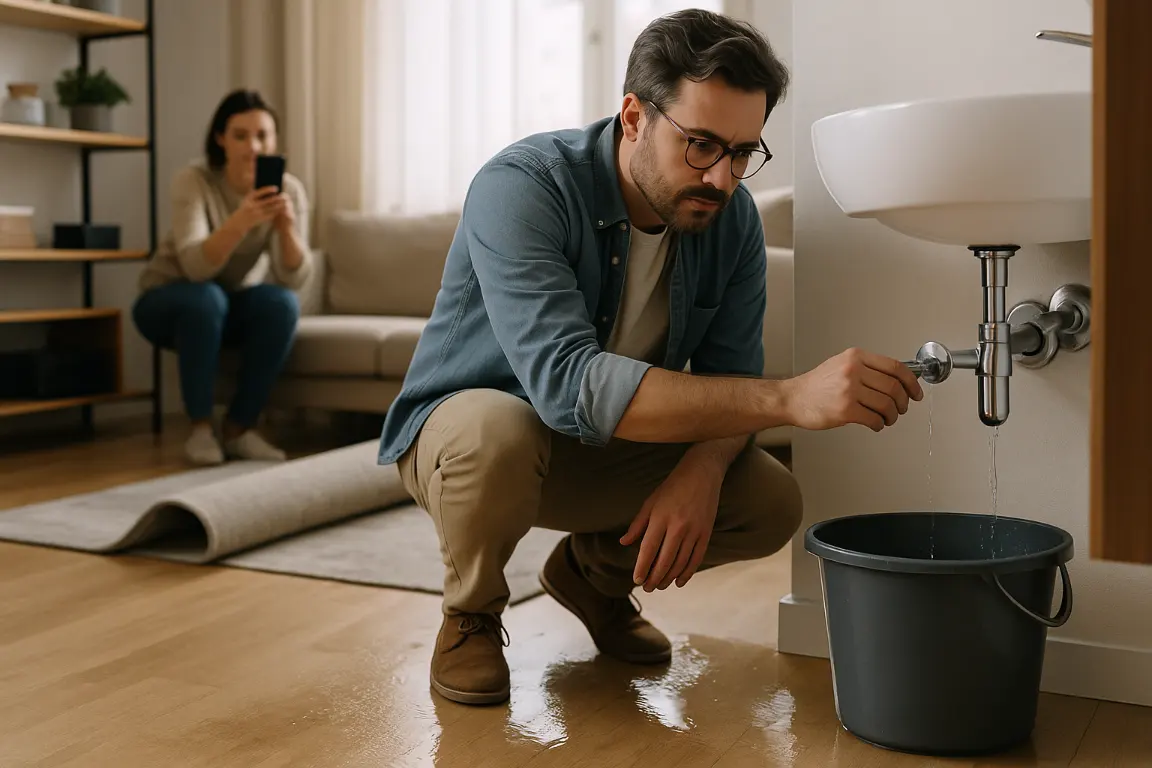
After water damage, a prompt insurance claim can help clarify the path forward. Claims processes vary among insurers, and documenting conditions can support claims while helping address questions about liability. Your policy and its terms all matter. Insurance may be able to cover restoration work when the cause and coverage align.
Before cleanup changes the scene, photograph affected rooms, damaged drywall, flooring, contents, and the apparent source of the water. Note when you first noticed the problem, whether a plumbing leak has been stopped, and what emergency mitigation was necessary. Keep invoices, receipts, contractor reports, and a simple record of calls or emails connected to the claim.
Ask the adjuster what documentation is needed, whether water damage mitigation must be approved in advance, and how repairs will be scoped. It is also useful to confirm the deadline for submitting estimates and whether your insurance coverage addresses damaged building materials, personal property, mold-related work, and temporary protective measures. Clear records help everyone evaluate the loss accurately.
Your home insurance deductible is the amount you pay before covered benefits begin, so compare it with the estimated repair cost before making decisions. Coverage limits set the maximum available for certain categories, while depreciation may reduce payment for older materials or belongings. Replacement-cost terms can work differently, often paying additional amounts after qualifying repairs or replacements are documented.
Read the declarations page and any endorsements closely. An endorsement can expand, restrict, or otherwise tailor insurance protection for issues such as sewer backup, water damage, or higher-value finishes. Standard coverage typically distinguishes between sudden, accidental events and long-term maintenance conditions. MrWalls Drywall & Painting can provide clear repair documentation and a detailed scope, helping you understand what restoration work may be presented to your insurer.
Water damage is rarely limited to the spot you can see. A stained ceiling, softened baseboard, or bubbling paint may point to moisture that has traveled behind drywall, beneath flooring, or through an adjoining room. The first priority is to stop the source: shut off the water if leaking plumbing is involved, move vulnerable belongings, and avoid using electrical fixtures near standing water. Then, document the affected areas and arrange for a prompt assessment. Fast, thorough drying helps limit mold growth, structural deterioration, and the costly problems that emerge when damp materials are simply covered over. For plumbing-related damage, it is important to coordinate the repair of the leak with restoration of the surrounding finishes; new drywall or paint will not hold up if moisture remains in the wall cavity. MrWalls Drywall & Painting helps homeowners move from disruption to a clean, finished space, with practical guidance on damaged drywall, ceilings, texture matching, and repainting once the area is fully dry and ready for repair.
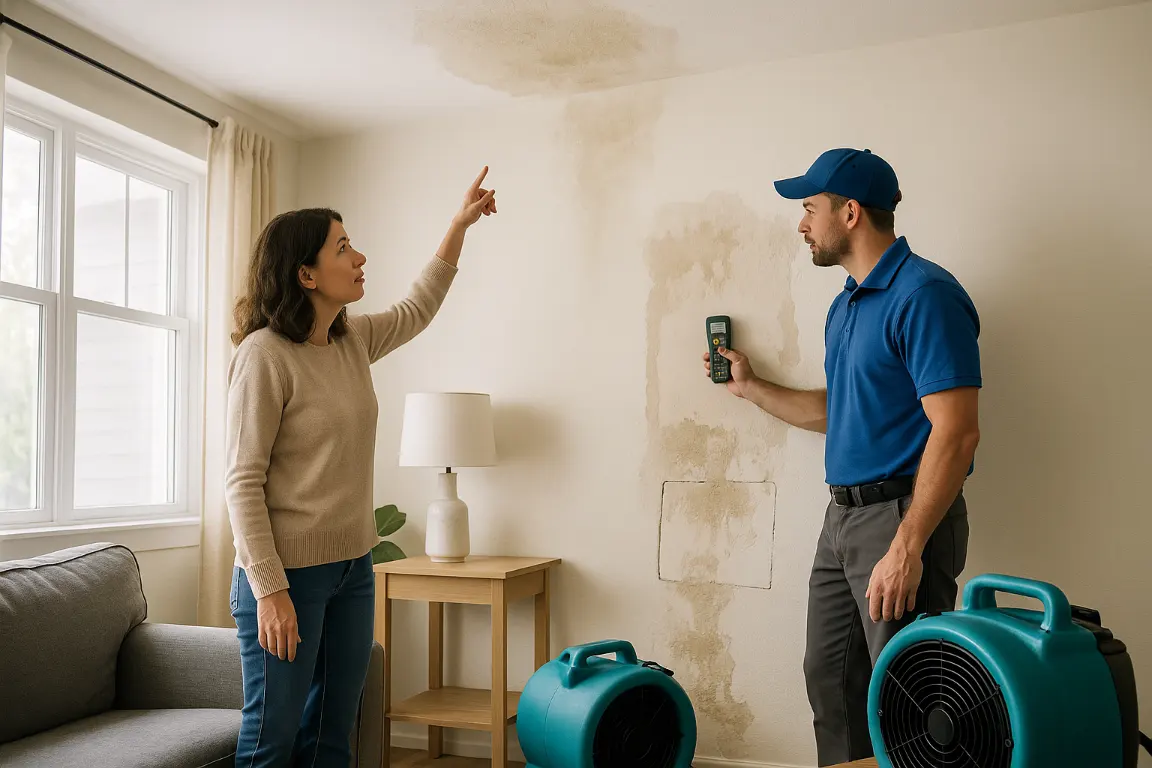
Preventing leaking plumbing is usually less complicated, and far less costly, than repairing the damage it leaves behind. A quick monthly check beneath sinks, around toilet bases, behind appliances, and near exposed pipes can reveal early warning signs: moisture, corrosion, staining, musty odors, or a water bill that has climbed without explanation. Address small drips promptly, replace worn supply hoses before they fail, and make sure everyone in the home knows where the main water shutoff valve is located. In colder weather, protect vulnerable pipes from freezing with proper insulation and maintain a consistent indoor temperature. It also helps to keep caulking in bathrooms and kitchens in good condition, since failed seals can allow water behind walls and cabinets. When a plumbing leak does occur, shut off the water source quickly and dry affected surfaces as soon as possible. Fast action limits water damage, helps protect framing and insulation, and can prevent drywall from softening, staining, or developing mold. For visible wall or ceiling damage after a leak, MrWalls Drywall & Painting can help restore the affected area with careful, clean drywall repair.
Plumbing leaks can create confusion long before the repair work begins: Is the damaged wall covered? Does a slow leak count differently than a burst pipe? And who pays to replace the plumbing itself? In many cases, homeowners insurance may help cover sudden, accidental water damage caused by a failed pipe, supply line, or appliance connection. Coverage often applies to the resulting damage, such as wet drywall, stained ceilings, damaged flooring, and affected belongings, rather than the worn or broken plumbing component that caused the problem.
The details matter. Insurers commonly distinguish between an abrupt event and water damage that developed over time, especially when there were visible warning signs or deferred maintenance. Your deductible, policy endorsements, and the source of the leak can also affect the claim. Document the area with photos, stop the water source if it is safe to do so, and contact your insurance carrier promptly. MrWalls Drywall & Painting can help restore damaged drywall and ceilings once the affected materials are dry and the scope of plumbing damage is understood.
Homeowners insurance may cover resulting water damage when a plumbing leak is sudden and accidental, such as a burst pipe or failed supply line. Coverage often depends on your policy, deductible, limits, and the cause of the leak.
Often, the policy may cover damage caused by a sudden pipe failure but not the cost to repair or replace the worn pipe, corroded fitting, or failed plumbing component itself. Review your policy and ask your insurer about the specific loss.
Slow leaks and long-term seepage are commonly excluded or limited because they may be considered maintenance-related damage. A claim may be denied if evidence shows the leak existed for weeks or months before it was discovered.
Mold coverage varies. It may be covered when it results directly from a covered sudden water event and the area was dried promptly. Policies may have mold exclusions or separate coverage limits, so confirm the details with your insurer.
Stop the water source if it is safe, protect belongings, and avoid electrical hazards. Photograph the leak and all visible damage before cleanup, contact your insurer promptly, call a plumber, and arrange professional drying before repairing drywall or ceilings.
Flood insurance generally applies to flooding from outside the home, not water discharged from indoor plumbing. A broken pipe claim is usually evaluated under a homeowners policy, while outside floodwater typically requires separate flood insurance.
Take thorough photos and video first, keep damaged materials when practical, and contact your insurer for instructions. Emergency drying and mitigation should not be delayed, but permanent repairs are often best completed after the claim has been documented.