Drywall automatic taping tools can transform a roomful of seams, corner work, flats, and fasteners into a faster, more consistent drywall finishing job, provided you begin with the right core tools. This guide helps you find the automatic drywall system that suits your work, from automatic tapers and tapetech automatic equipment to semi-automatic taping options, a flat box, angle heads, handles, extension poles, pasting tools, and essential accessories. We also cover practical tool sets, replacement parts, and when buying new, renting, or shopping used makes the most sense for your next drywall project, whether you prefer dewalt, tapetech, drywall master, or other trusted drywall taping tools. For professionals and ambitious renovators alike, the right automatic taping, drywall taping, and tools automatic setup brings a master-level finish within reach.
Automatic drywall taping tools work best as a coordinated system: tapers embed tape, angle tools finish corners, and flat boxes apply consistent coats quickly. Build a starter kit with reliable hand tools first, then rent, buy used, or invest in automatic equipment based on project volume and experience. Proper compound setup, daily cleaning, replacement parts, and effective dust control are essential for smooth finishes and dependable productivity.
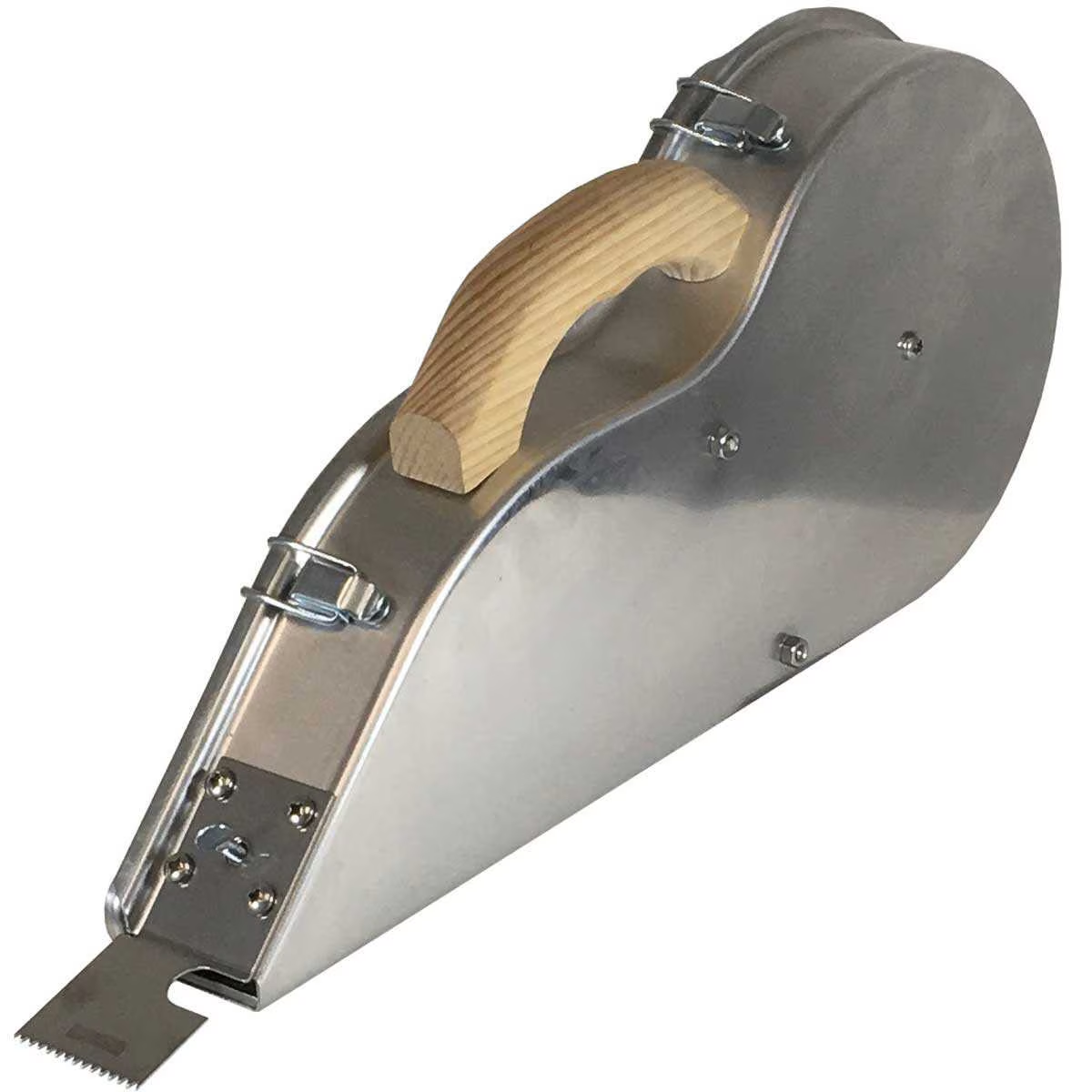
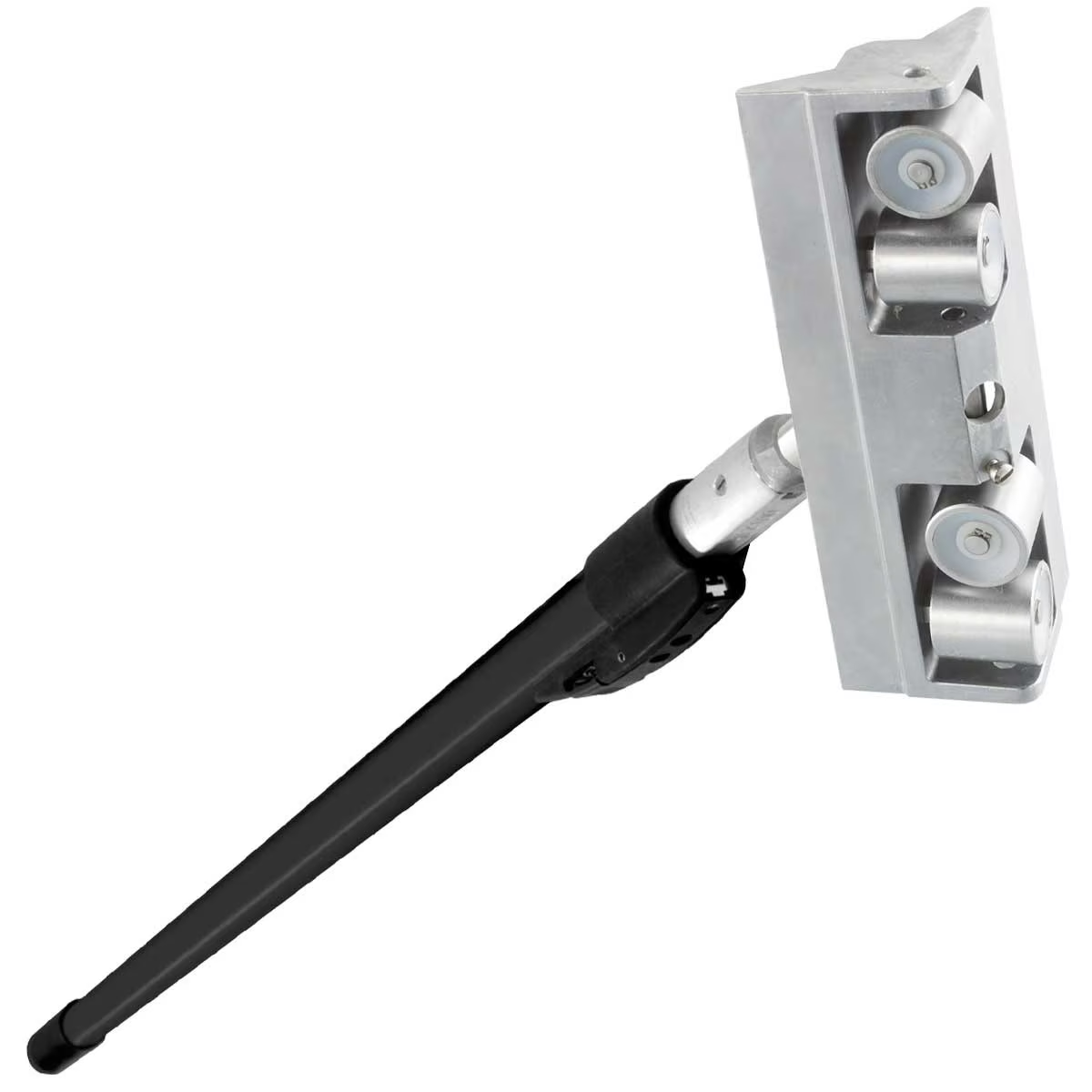
Drywall automatic taping tools are best viewed as an integrated finishing system rather than a loose collection of tools. A capable automatic drywall setup starts with automatic tapers that meter compound, apply paper tape, and bed the joint in a single pass. From there, dedicated drywall taping tools carry the work forward: an angle head refines each inside corner, a flat box delivers broad, even coats across joints and fasteners, and adjustable handles with an extension bring ceilings and high walls within reach without the constant interruption of ladder moves.
The value of automatic taping is repeatable quality at production pace. Compound flow is measured, tape stays centered, and coat widths remain consistent from one room to the next. That precision matters in larger homes, multifamily projects, and commercial interiors, where subtle inconsistencies in drywall finishing show clearly beneath paint and raking light. Well-chosen automatic taping tools reduce repetitive hand work without sacrificing the control required around openings, bulkheads, and detailed corner transitions.
Workflow matters more than the label on the tools. Before drywall taping begins, boards should be securely fastened, clean, and free of proud screws, damaged edges, or uneven seams. Load the taper with properly mixed compound, run taped joints first, then finish inside corners with the appropriate angle tool. Once the bed coat has set, use a flat box for subsequent coats, stepping up box sizes to feather each joint smoothly. Finishing heads, corner tools, and smaller accessories take care of the areas where a wide flat box cannot work cleanly. For a drywall master, the difference lies in preparation, pacing, and knowing when hand pasting remains the better choice.
Professional tapetech systems are a familiar sight on serious finishing crews because tapetech automatic tapers, boxes, handles, and replacement parts are engineered to work together. When crews compare a TapeTech setup with other tool sets, consistent component fit, serviceable parts, and readily available accessories can make a meaningful difference over long projects. Other drywall tools, including select dewalt mixing and preparation equipment, can support the process; however, crews should find compatible sets and maintain them carefully. Clean compound from moving parts after every shift, inspect seals and cables, and keep wear accessories close at hand. Whether using fully automatic or semi-automatic taping equipment, the goal is the same: flatter surfaces, cleaner angles, and a repeatable drywall taping process that leaves less sanding for the final stage. For teams searching “tools automatic” or “drywall master” solutions, the best system is the one that suits the crew’s pace, scope, and standard of finish.
A capable drywall starter kit should cover the work you can reasonably control without committing thousands of dollars to specialty equipment. Begin with the hand tools that matter on every job: a quality taping knife assortment, mud pan, sanding pole, utility knife, drywall saw, rasp, T-square, drill with a mixing paddle, and a dependable work light. A dewalt drill is a familiar choice, but reliability matters more than the badge. Add a straightedge, corner trowel, and several sanding blocks before investing heavily in elaborate tool sets. These foundational drywall tools let you hang board, manage drywall taping, address fasteners, and inspect the finish closely enough to see exactly where the next coat needs attention.
For one room or an occasional repair, buying individual pieces is usually the soundest path. Look for comfortable handles, stainless blades that clean easily, and replacement parts that remain easy to find. A modest collection of well-chosen tools will outlast cheap boxed sets, particularly when joint compound is cleaned away before it hardens. At a local drywall supplier, handle several knives and pans before purchasing; balance, grip, and control matter over a full day of drywall finishing, pasting, and sanding.
Automatic tapers, flat box systems, and their handles belong in a different class. These automatic drywall machines, including automatic taping tools, semi-automatic taping equipment, and specialized drywall taping tools, are productive and precise in practiced hands, yet they demand cleaning, adjustment, and a real learning curve. Renting can be smart for a basement, addition, or several rooms on a compressed schedule. Choose a rental shop that can demonstrate setup, explain maintenance, and supply accessories such as loading pumps, angle heads, corner tools, and extension handles. Confirm that the equipment is complete and that the shop carries the parts most likely to wear.
Buying used can be the best middle ground for serious do-it-yourselfers and small crews. You may find a drywall master set of automatic taping tools at a meaningful discount, whether it is a tapetech automatic package or another professional master collection, but inspect it in person. Check the cable action on the taper, examine flat box blades and gaskets, test the pump, and make sure fittings are neither damaged nor missing. Ask whether the seller has kept compatible accessories together. Search listings carefully, as some use broad labels such as drywall automatic taping tools or tools automatic. A used drywall master collection is only a bargain when it is fully serviceable; an incomplete set can quickly cost more than a clean rental or a new, focused selection of taping tools.
| Option | Best for | Main advantages | Key checks before committing |
|---|---|---|---|
| Buy individual starter tools | A single room or occasional repair project | Provides the hand tools needed to hang board, tape seams, address fasteners, and inspect finishes without investing heavily in specialty equipment. | Choose comfortable handles, stainless blades that clean easily, and tools with available replacement parts. Handle knives and pans to assess balance and grip. |
| Rent automatic finishing equipment | Finishing a basement, addition, or several rooms on a tight schedule | Gives access to productive, precise automatic tapers and flat box systems without purchasing equipment that may be excessive for a small project. | Select a shop that demonstrates setup and maintenance, provides needed accessories, confirms the equipment is complete, and stocks commonly worn parts. |
| Buy used automatic tools | Serious do-it-yourselfers or small crews | Can provide a drywall master set at a meaningful discount and offers a middle ground between renting and buying new. | Inspect in person: check taper cable action, box blades and gaskets, pump operation, and fittings. Confirm compatible accessories are included and that the set is serviceable. |
Automatic taping tools bring speed and consistency to drywall finishing when they are maintained as a complete system, not treated as a shortcut. Whether the crew relies on automatic tapers, semi-automatic taping equipment, or drywall automatic taping tools, begin with properly mixed compound, a clean cable and cutting mechanism, and a brief flow test before moving across finished board. That small check prevents starved joints, heavy mud buildup, and avoidable rework. The same standard applies to automatic drywall boxes, a flat box, corner rollers, finishing heads, and angle accessories: inspect moving parts, wipe threads and seals, and replace worn parts before performance suffers. Good drywall tools should feel composed and predictable. If a box chatters, leaves a ridge, or drags along the wall, find the cause, compound consistency, blade wear, pressure, or a damaged component, before blaming technique.
Cleanup is equally central to dependable drywall taping. Never allow joint compound to cure inside tapers, boxes, corner tools, or extension handles. At the end of each shift, rinse removable accessories thoroughly, brush channels and hinges, and dry metal surfaces before storage. A dedicated wash station near the work area saves time and makes proper care more likely before mud sets. Keep replacement blades, gaskets, cables, and other small parts in labeled tool sets or cases, so a minor repair does not stop the crew mid-job. From tapetech automatic systems to dewalt tools, the principle remains the same: regular maintenance protects the investment and keeps the finish moving forward.
Dust control deserves the same discipline as automatic taping. During sanding, use a vacuum-assisted pole sander or HEPA-equipped extractor, isolate adjacent rooms with sealed plastic, and protect return-air openings. Collect loose drywall debris before it travels through finished spaces, then vacuum ledges, floors, and tool cases rather than relying on dry sweeping alone. A clean site protects the crew, respects occupied homes, and prevents dust from settling into fresh compound or paint. For the drywall master, reliable drywall taping tools are not simply about pasting tape: they are the tools automatic crews use to create cleaner coats, flatter surfaces, fewer callbacks, and a finish ready for the next trade.
Automatic drywall taping tools apply paper tape and joint compound quickly and consistently. A typical system includes an automatic taper for seams, angle heads for inside corners, flat boxes for finish coats, and handles for ceilings and high walls.
For one room, patch work, or occasional repairs, hand tools are usually more practical and affordable. Automatic tapers and flat boxes are most valuable for basements, additions, multiple rooms, or recurring professional work where speed and uniform coats justify the setup time.
Renting suits a larger one-time project, especially when the rental shop provides a demonstration and support. Buying used can be a good option for serious DIY users and small crews, provided the taper, pump, cables, blades, gaskets, and fittings are complete and working properly.
A core setup commonly includes an automatic taper, loading pump, corner roller, angle head, flat boxes in multiple sizes, finishing heads, and adjustable handles. Keep hand knives, a mud pan, sanding tools, a mixing drill, and detail tools available for areas machines cannot reach.
Clean tools after every shift before joint compound hardens. Rinse removable parts, brush compound from channels, hinges, threads, and cutting mechanisms, then dry metal surfaces before storage. Regularly inspect seals, blades, cables, and gaskets for wear.
Ridges, chatter, or uneven coverage can result from compound that is too thick or thin, worn blades, incorrect pressure, dried compound in the box, or damaged gaskets. Clean the tool, check blade condition, adjust the compound, and test it on a practice surface before continuing.
Use a vacuum-assisted sanding pole or HEPA dust extractor, seal nearby rooms with plastic, and cover return-air openings. Vacuum dust from floors, ledges, and tool cases instead of dry sweeping so debris does not spread through the work area.