Owner-operated25 years of experienceClean, protected work areas
🎨Drywall Vs Plaster Which one is better for your home
Choosing between drywall vs plaster comes down to your home’s age, budget, timeline, and the finish you want. Drywall is faster and more affordable for most renovations, while plaster offers a denser, more refined surface that suits historic homes and high-end work. Understanding how each system performs helps you choose with confidence.
⚡ Key takeaways
Choose drywall for faster, lower-cost installations, straightforward renovations, and easier future modifications.
Choose plaster for historic homes, seamless custom finishes, stronger surfaces, and improved sound control.
Repair sound plaster when possible to preserve original character and avoid unnecessary replacement.
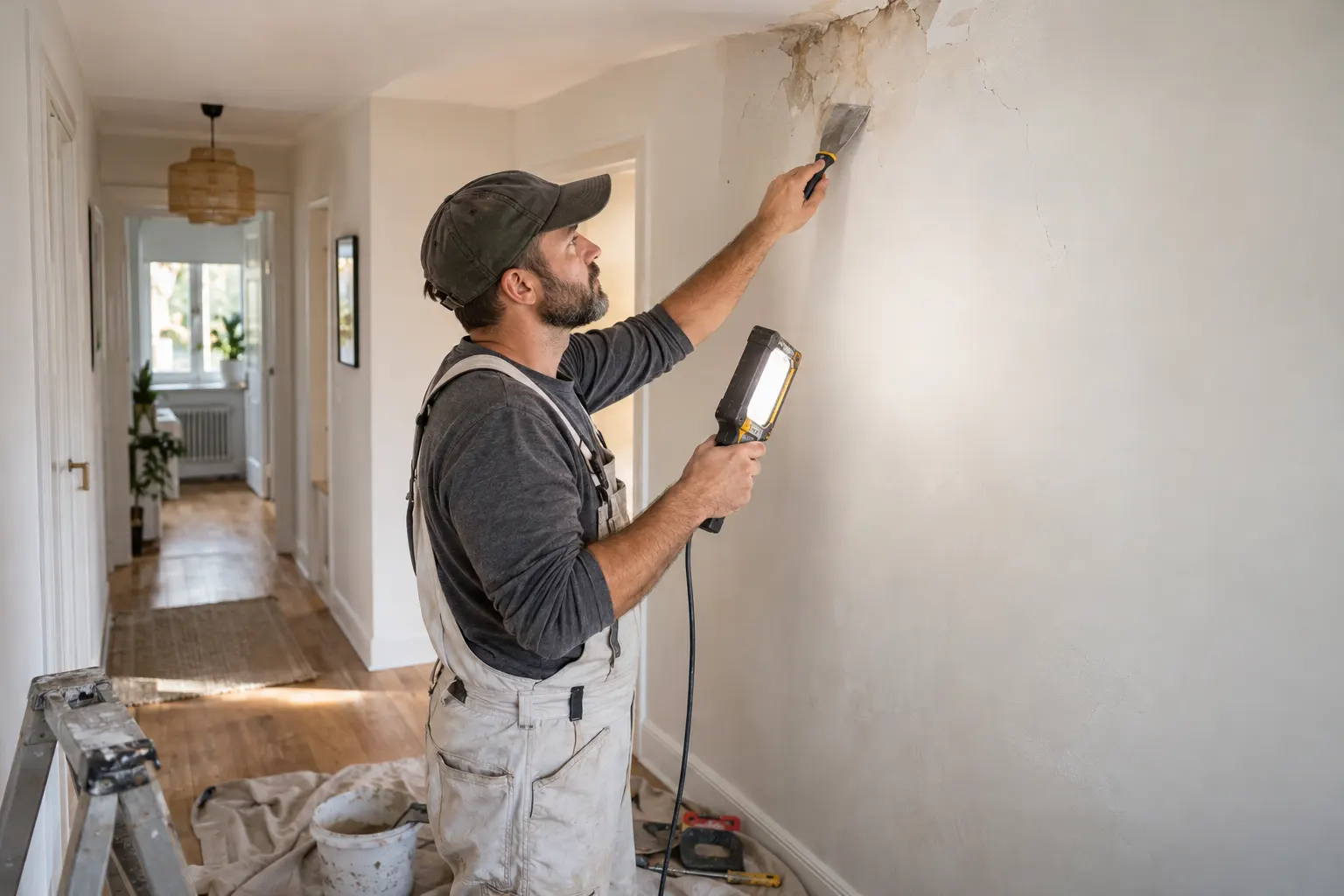
Fix leaks before repairing either material; moisture damage will return if the source remains.
Drywall is typically the faster, more affordable choice for new construction and straightforward renovations, while plaster offers a harder, quieter and more refined finish suited to older homes and custom interiors. The best option depends on your wall condition, budget, timeline and desired appearance. Address moisture issues first, and use skilled repairs to preserve sound existing plaster or create seamless drywall finishes.
Drywall vs plaster: Which wall is right for your project?
As a plastering contractor, I help homeowners make this decision based on the room, the home’s age, and the finish they want, not a one-size-fits-all rule. In the drywall vs plaster comparison, drywall is usually the practical choice for new walls, straightforward remodels, and projects where speed and budget matter. It is efficient to hang, easy to repair, and provides a clean surface for paint when properly finished.
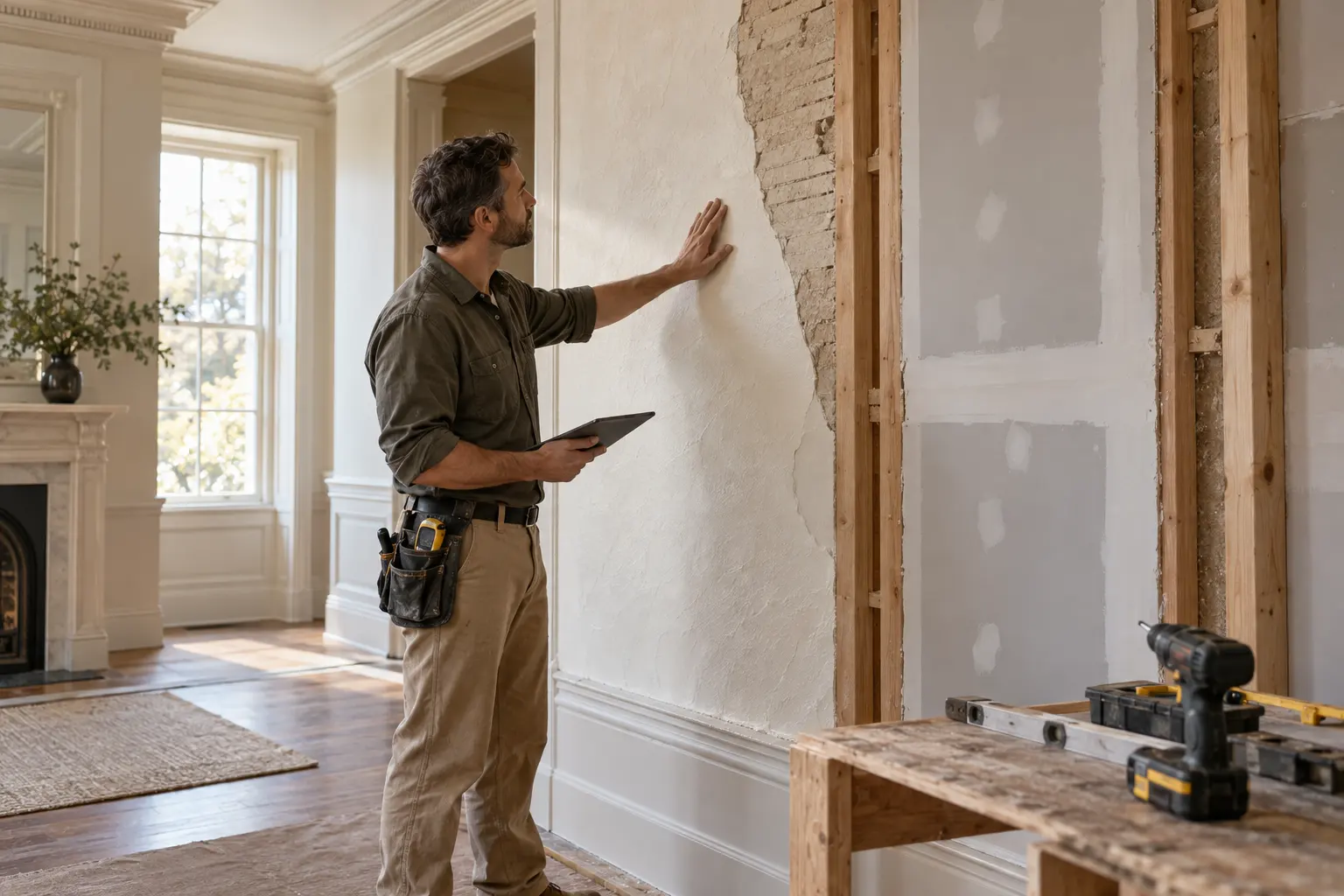
Plaster offers a different kind of value. Its dense, hand-finished surface can bring depth, durability, and a more refined character to a wall, particularly in older homes or spaces with original plaster details. Homeowners may choose plaster when matching historic work, creating a seamless custom finish, or repairing cracks without losing the home’s architectural integrity. At Mrwalls Drywall & Painting, we can assess the existing substrate and scope of work, then recommend whether to install drywall, repair plaster, or use a combination that delivers the best long-term result.
Choosing Drywall or Plaster
Choose drywall for fast installation, practical budgets, and simple paint-ready walls.
Choose plaster for historic homes, custom texture, and durable hand-finished character.
Match original plaster details to preserve architectural integrity during repairs.
Assess the existing substrate before selecting repairs, replacement, or a combined approach.
As a plastering contractor, I help homeowners make sense of a choice that affects more than a room’s appearance. Drywall and plaster can both create smooth, durable interior walls, but they differ in installation, repair methods, texture, sound control, and long-term wall cost. Drywall is a manufactured panel system, typically installed quickly over framing and finished at the seams with joint compound. It is the practical standard in most newer homes and works well for straightforward renovations, additions, and damage repair. Plaster is applied in coats over a supporting surface, producing a harder, more substantial finish that suits many older homes and higher-detail interiors. The right option depends on the existing construction, the condition of your walls, and the finish you want to live with, not simply which materials seem less expensive upfront. At Mrwalls Drywall & Painting, I assess the wall itself before recommending plaster repair, new drywall, or a finish that blends naturally with the rest of the home.
Drywall vs. Plaster: At-a-Glance Differences
Consideration
Drywall
Plaster
Installation approach
Manufactured panels installed over framing and finished at the seams with joint compound.
Applied in coats over a supporting surface.
Repair method
Well suited to straightforward damage repair.
May be recommended as plaster repair when it best matches the existing wall.
Texture and finish character
Creates smooth interior walls with a practical finish.
Produces a harder, more substantial finish suited to higher-detail interiors.
Sound control
Differs from plaster in sound-control performance.
Differs from drywall in sound-control performance.
Suitability for existing walls
Common in newer homes and works well for renovations and additions.
Often suits older homes and walls where a natural blend is important.
Long-term cost considerations
Should be evaluated beyond upfront material cost.
Should be evaluated beyond upfront material cost.
Cost, timeline and commercial considerations
As a plastering contractor, I help homeowners look beyond the first quote and understand what their wall cost actually includes. Drywall is generally more affordable than plaster, particularly for straightforward new partitions or large areas where speed matters. Material pricing, access, demolition, framing corrections and the level of finish all affect the final figure. A simple drywall installation can move quickly once the space is ready, while plaster repair or a full multi-coat plaster finish requires more drying time and skilled handwork. That added labour can be worthwhile when you are matching an older home, restoring damaged walls or want a seamless, durable surface with character. For commercial work, schedules, after-hours access, dust containment and coordination with other trades can influence both price and timing. At Mrwalls Drywall & Painting, we provide clear scopes so you know whether the estimate covers materials, preparation, repairs, finishing and painting. The right choice is not always the lowest initial price; it is the option that suits the building, the finish you expect and the timeframe you need.
Cost and timeline checklist
Compare scopes, not just quotes, including preparation, repairs, finishing and painting.
Choose drywall for faster installation and lower costs on straightforward large areas.
Allow extra time and labour for multi-coat plaster or heritage matching.
Factor in access, demolition, framing corrections and dust containment.
Balance upfront price against durability, finish quality and your required schedule.
Durability, water damage and repair needs
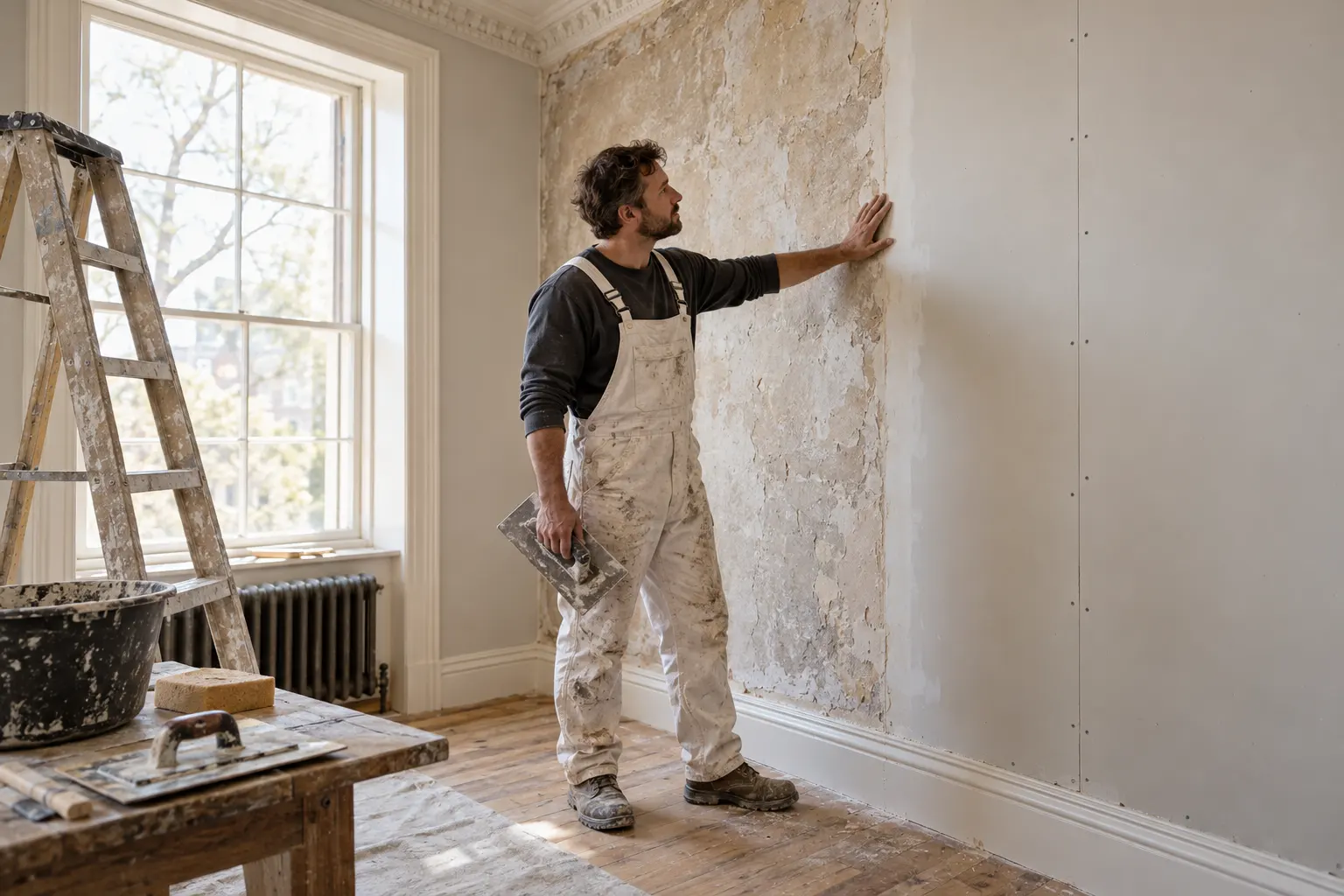
In my experience at Mrwalls Drywall & Painting, durability is one of plaster’s strongest advantages when it is installed over a sound surface. A properly finished plaster wall creates a dense, hard skin; plaster can usually handle bumps, everyday contact and minor impacts better than a standard painted board surface. That makes it a far more durable finish than plain drywall in busy homes, hallways and stairwells. Water is the important exception. Even quality plaster walls can stain, soften or detach if there is an active roof, plumbing or exterior leak behind them. The source of moisture must be corrected before any cosmetic work begins, or the damage will return. For small cracks, dents or isolated loose areas, professional drywall repair and plaster repair can often restore the surface without rebuilding an entire room. We assess what is beneath the finish, remove unstable material and blend repairs so the wall is ready for paint, not merely patched for the moment.
Homeowner FAQs: Are plaster walls better than drywall?
Homeowners often ask us, “Are plaster walls better than drywall?” The honest answer is that each has a place. Plaster is often the superior material for older homes, high-end finishes, and rooms where you value a hard, quiet, seamless surface. Properly applied plaster has depth and durability that modern wallboard does not fully replicate, and it can be an excellent choice for preserving original character. Drywall, however, is faster to install, easier to modify for electrical or plumbing work, and typically more economical for new construction and straightforward renovations. In the drywall vs plaster decision, the best option depends on your home’s construction, budget, timeline, and finish expectations. At Mrwalls Drywall & Painting, we assess the existing walls before recommending a repair or replacement approach. We can repair sound plaster rather than remove it unnecessarily, blend new plaster into historic surfaces, or install drywall where a practical, clean solution makes more sense. Good workmanship matters as much as the material.
Frequently asked questions
Is drywall or plaster better for an older home?
Plaster is often the better choice when preserving original character or matching existing historic walls. Sound plaster can frequently be repaired and blended rather than removed. Drywall may suit areas that require major rebuilding, new services, or a faster, more economical solution.
Is plaster more durable than drywall?
Properly installed plaster forms a dense, hard surface that generally withstands everyday bumps better than standard drywall. Neither material should be repaired until the cause of any leak or moisture damage has been fixed.
Can damaged plaster walls be repaired instead of replaced?
Yes. Small cracks, dents, and isolated loose areas can often be repaired without replacing the entire wall. A professional should check the substrate, remove unstable material, and blend the repair so it matches the surrounding surface before painting.