Learn what professional ice dam removal may cost, why estimates vary, when urgent service makes sense, and how prevention can reduce future risk.
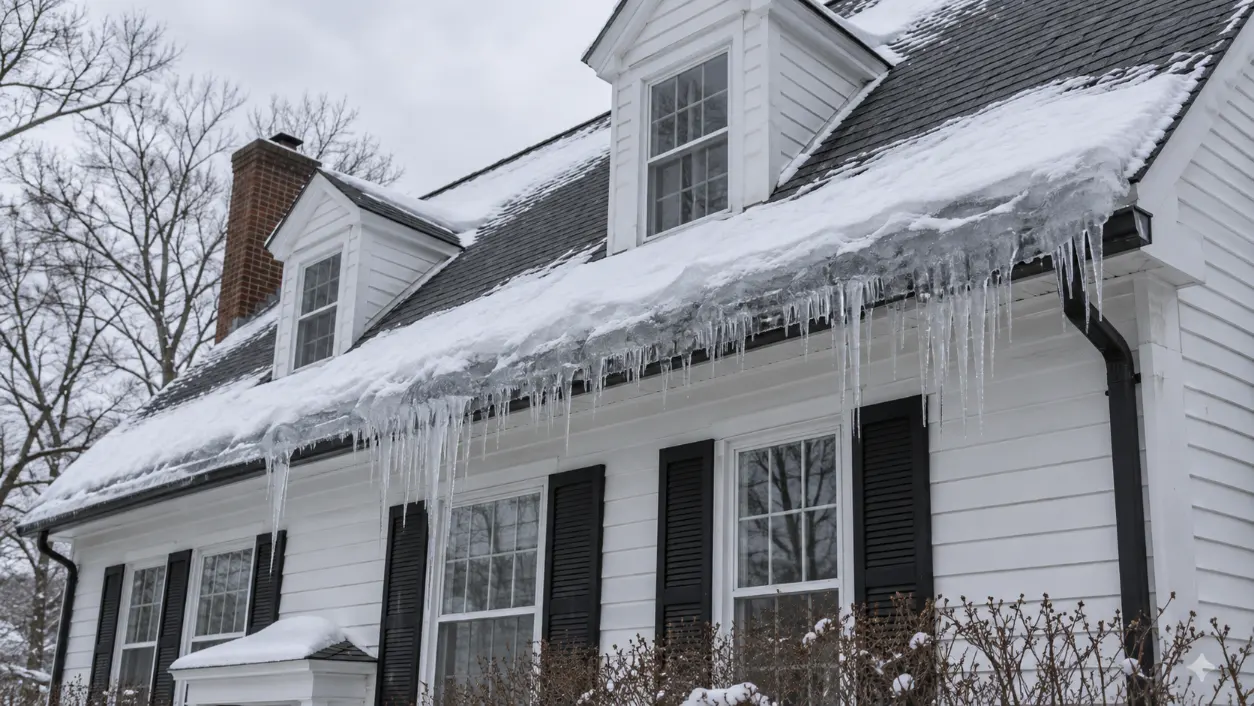
Ice dam removal cost typically ranges from a few hundred dollars for a small roof edge to well over $1,000 for extensive buildup, a large roof size, or difficult access. The average cost reflects the amount of ice present, the roof height and pitch, local weather conditions, and the removal method a contractor recommends. Roof-safe steam is often preferred because it can melt channels through ice dams without cutting into roofing materials, while manual removal may be appropriate for lighter buildup. A written estimate should separate labor, equipment, travel, and any minimum charge for removal services, particularly when a contractor must work around a gutter, multiple gutters, skylights, or steep sections of the roof.
Fast action can help limit the risk of leaks, damaged insulation, interior water stains, and ceiling home damage, but the cheapest option is not always the safest for your shingles. Key cost factors include the ice dam’s length and thickness, how much snow removal is needed before work begins, access conditions, and whether the project requires same-day service; emergency rates can raise removal costs during a major storm. Here’s what homeowners can expect to pay, which factors affect the final quote, and how common ice dam removal methods compare so they can choose a qualified contractor for safe, effective removal.
Professional ice dam removal cost typically ranges from $650 to $2,400, with an average cost of about $1,200. However, total removal costs can run from $400 to $4,000 depending on the size and thickness of the dam, roof layout, removal method, and local labor rates. A small ice dam on an accessible, single-story eave may fall near the lower end of the range, while a thick dam extending across multiple rooflines can require more time, equipment, and crew members.
Many removal services price jobs by the hour, with labor commonly costing $150 to $700 per hour. A two-hour minimum charge is common, and rates can rise during major storms, peak winter demand, or emergency and after-hours calls. Your estimate may also include an inspection, safety setup, snow clearing, equipment use, removal, and basic cleanup. Steep roofs, limited access, severe weather, and landscaping obstacles can add to the cost.
The removal method also affects pricing. Steam removal, a common professional option for large or stubborn ice dams, generally costs $800 to $2,400. Manual removal may cost $800 to $1,800, while chemical treatments for small dams may cost $200 to $400. Pressure-washer removal can range from $400 to $2,000. Each approach has different risks and may not be appropriate for every roof, so ask what method a contractor recommends and why.
When comparing estimates, confirm whether the quoted removal cost includes snow removal, damage assessment, and any necessary roof or gutter repairs. Ice dam removal itself may be only part of the expense if melting ice has already caused leaks, damaged shingles, or affected gutters. Getting help early can limit emergency fees and reduce the chance of more extensive repairs.
| Removal method | Typical cost range | Best-fit situation | Estimate considerations |
|---|---|---|---|
| Steam removal | $800 to $2,400 | A common professional option for large or stubborn ice dams. | Ask the contractor whether steam removal is appropriate for the roof and why. |
| Manual removal | $800 to $1,800 | Suitability depends on the roof and ice dam conditions. | Confirm the recommended method and whether the quote includes related services. |
| Chemical treatment | $200 to $400 | May be used for small ice dams. | Ask whether chemical treatment is appropriate for the specific roof. |
| Pressure-washer removal | $400 to $2,000 | Suitability depends on the roof and ice dam conditions. | Ask the contractor whether this method is appropriate and why. |
Ice dam removal costs vary with the size and thickness of the ice dam, the removal method, local labor rates, roof size, and conditions at the home. A straightforward project on an accessible roof generally requires less time and safety setup than work on a steep, snow-covered roofing system. Professional removal services may use steam to melt ice safely, while manual snow removal and ice clearing can take longer and may carry a minimum charge for smaller jobs. The average cost and total removal cost can also rise when ice dams extend along a gutter or multiple gutters, when crews must protect landscaping and roof surfaces, or when existing water damage requires closer inspection. Emergency scheduling often involves emergency rates, particularly after heavy snowfall or during rapid thaw conditions that increase the risk of water entering the home. A detailed estimate should explain these cost factors, including labor, equipment, access, and any repair work needed after removal. Understanding the factors behind an ice dam removal cost helps homeowners compare removal costs and arrange prompt removal before melt water creates more extensive damage.
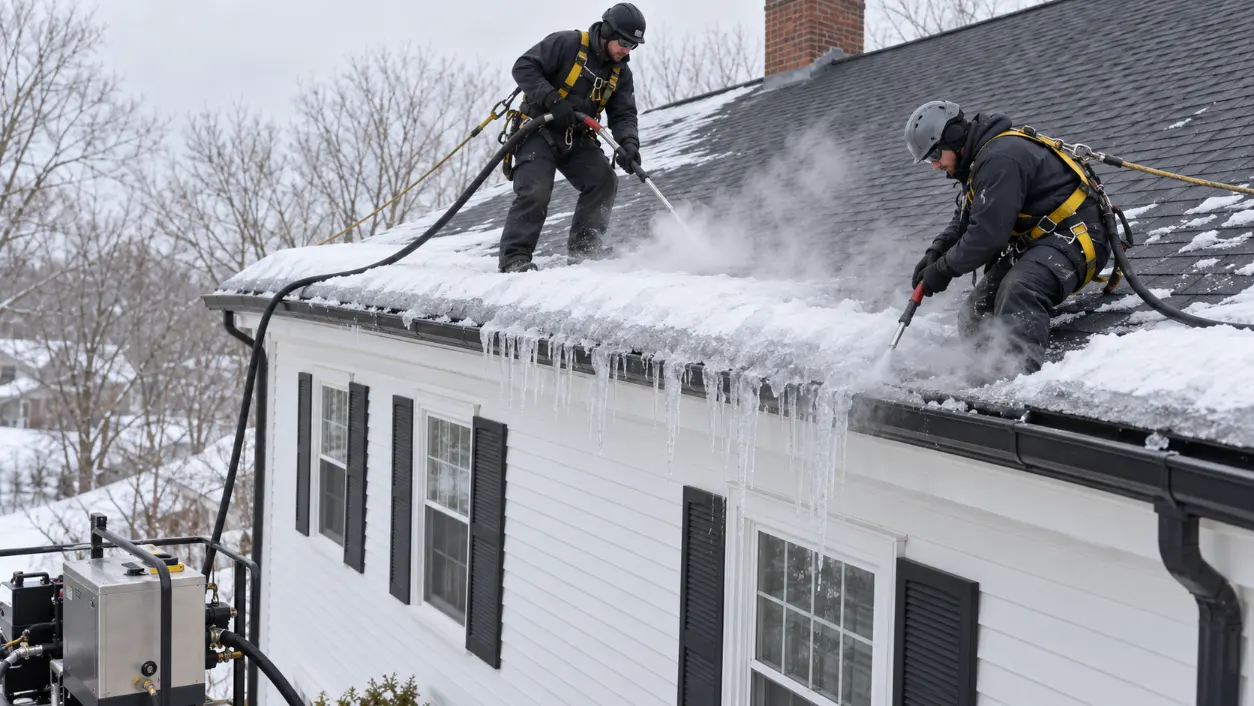
Roof size is a central factor in ice dam removal because more affected roofing area usually means more time, equipment, and labor. A small ice buildup along a single-story eave can often be addressed more quickly than ice dams that extend across several rooflines, valleys, or gutters. Larger homes may also require a crew to move equipment between sections and clear snow before removal can begin.
Thickness matters as much as coverage. Dense, multi-foot ice dams take longer to melt or remove safely than a thin layer at the roof edge. The removal method may change with the conditions: commercial steam equipment is commonly used for large or stubborn ice because it can melt the buildup without harming the roof, while smaller, accessible areas may call for a different approach. Trying to chip or chisel ice without the right tools can damage shingles, flashing, or gutters.
Access can further shape the project scope. Steep pitches, higher stories, obstructed areas, and winter weather may require added safety gear and setup time. Snow removal is often part of the preparation, particularly when snow prevents a contractor from reaching the ice dam safely. Emergency calls after a major storm can also cost more than scheduled work. A local professional can assess the roof, the extent of the ice, and any visible damage before recommending the safest removal plan for the home.
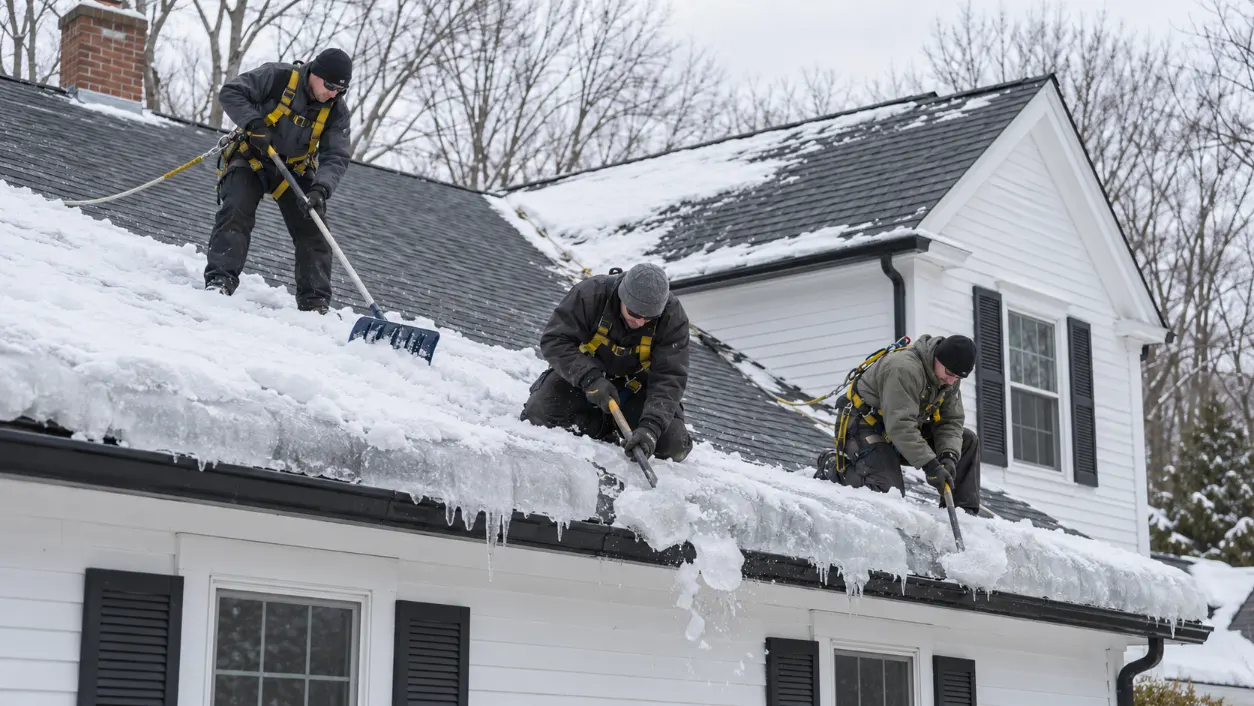
The right ice dam removal method depends on the dam’s size, thickness, location, and the condition of the roof beneath it. Professional removal costs typically range from $650 to $2,400, though prices can run from $400 to $4,000 for especially large, difficult, or urgent projects. Labor rates of $150 to $700 per hour, safety setup, inspections, snow removal, and emergency service can all affect the final cost.
Before choosing a method, consider how much snow is still on the roof, whether water has begun entering the home, and how safely the area can be reached. A local ice and snow removal professional can assess hidden roof damage, protect the work area, and determine whether the dam has affected ventilation, shingles, or gutters. Addressing the issue promptly can help avoid larger repair costs from leaks, water-soaked insulation, or damaged roofing.
Ice dam removal cost typically ranges from $650 to $2,400, with an average of about $1,200. Smaller jobs may start around $400, while large, difficult projects can reach $4,000. Your estimate will depend on cost factors including the size and thickness of the ice dam, roof access, removal method, local labor rates, and whether the crew must clear snow or set up additional safety equipment first.
Method matters:
The right approach depends on the roof, the location of the ice, and the risk of causing further damage to shingles, gutters, or surrounding areas.
Labor commonly runs from $150 to $700 per hour, often with a two-hour minimum. Steep roofs, difficult access, severe weather, and multi-story homes can raise the total. Emergency rates may also apply after major storms, during peak winter demand, or for after-hours removal services. If water is entering the home, ceiling stains are appearing, or gutters are sagging under ice, prompt removal may help limit more costly repairs.
Ask for a written estimate that identifies the removal method, expected labor, safety setup, snow clearing, cleanup, and any emergency fees. It is also worth asking whether the contractor will inspect for water damage, ventilation concerns, and roof or gutter damage once the ice is cleared. A professional crew has the equipment and insurance needed to work safely in freezing conditions, where falling ice and damaged roofing create real hazards.
Prevention can reduce future removal services and repair bills. Clear snow with a roof rake from the ground or a ladder rather than climbing onto a snowy roof. Keep gutters clean, address attic insulation and ventilation issues, and consider preventive options such as heat cables or snow guards where appropriate. Scheduling service early, comparing estimates, and dealing with a developing ice dam before it becomes an emergency can help protect your roof, water-sensitive interior spaces, and winter budget.
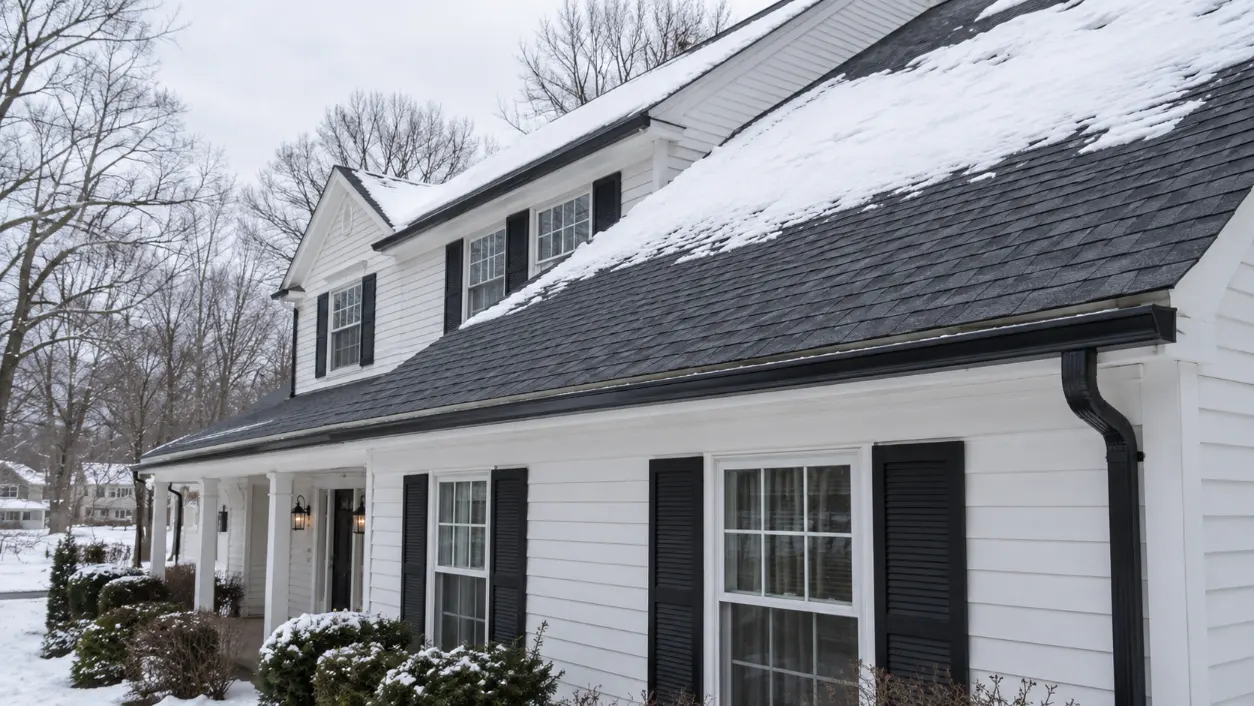
At MrWalls Drywall & Painting we handle insurance restoration after water damage. We don't do exterior work like ice dam removal but if you contact us be can refer you to someone that does that work. (413)302-0640