Not all water damage carries the same health risk. The IICRC S500 breaks down water damage into three categories and describes standard procedures for treating each. Category 1, 2 and 3 water contamination describes where the water came from, what it may contain, and how carefully your home needs to be cleaned and dried. A burst supply line is very different from a backed-up drain or basement flood, and each category is treated differently.
Knowing the category helps homeowners make safer decisions quickly. Here’s how clean, gray and contaminated water are classified, and why early action can protect your home, belongings and family. The three levels are not set in stone. A category 1 water loss can become a 2 or 3 if action isn't taken and the water sits for a period of time, or comes into contact with hazardous substances. That is why quick action is important when you have a leak or a flood. The quicker mitigation and drying begins, better the chance of minimizing the amount of damage that needs to be removed and rebuilt.
Water damage is classified by contamination level: Category 1 clean water, Category 2 gray water, and Category 3 black water from sewage or flooding. The category affects safe cleanup, drying, and which materials can be saved. Because clean water can become contaminated over time, its important to act quickly: stop the source of water if it's safe, avoid electrical hazards, document damage, and call a qualified restoration professional for widespread or contaminated water.
At MrWalls Drywall & Painting, we treat category 1 2 and 3 water contamination as more than labels. Water categories describe the likely health risk, the source, and the cleaning required before repairs begin. Proper categorization, guided by the IICRC S500 standard guidelines, protects the affected structure and helps us plan safe, lasting work for many different situations.
Water categorization identifies the condition of the water itself. Category 1 is generally clean water from a sanitary source, such as a supply line. Category 2 contains a level of contamination that can cause discomfort or illness, while Category 3 involves grossly contaminated water, including sewage or floodwater. That distinction determines which materials can be dried and saved, and which need to be removed.
Damage categories, often discussed as damage classes, describe the extent of the water damage rather than its cleanliness. They account for how much moisture entered the space, how far it traveled, what materials absorbed it, and how difficult drying will be. A small leak beneath a vanity may have limited damage, while the same Category 1 water can create major damage after soaking drywall, insulation, and subflooring for days.
In practice, we assess both. The water category informs safe handling and cleaning methods; the amount of damage guides our drying plan, repairs, and restoration timeline.
| Factor | Water Categories | Damage Categories (Classes) |
|---|---|---|
| What they measure | The condition and cleanliness of the water. | The extent of water damage within the affected space. |
| Factors considered | Contamination level, from generally clean sanitary-source water to grossly contaminated sewage or floodwater. | Amount of moisture, how far it traveled, materials that absorbed it, and drying difficulty. |
| Restoration decisions | Guides safe handling, cleaning, and which materials may be dried and saved or need removal. | Guides the drying plan, repairs, and restoration timeline. |
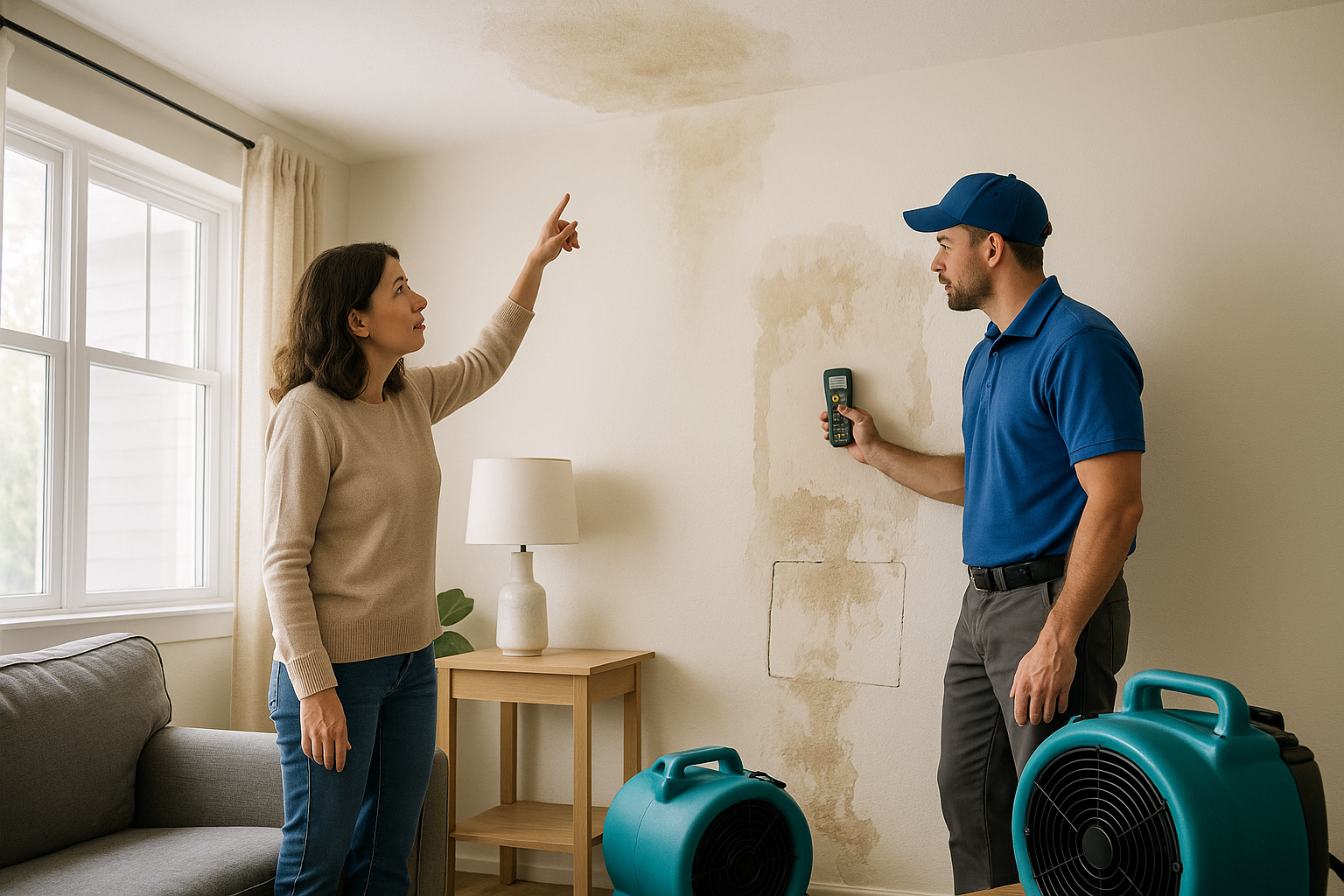
As the owner of MrWalls Drywall & Painting, I often explain that Category 1 water damage is the least contaminated classification, not the least urgent. This is water from sanitary sources: a broken supply line, an overflowing sink fed by a sanitary source, or a leak from clean plumbing pipes. In restoration terms, water is considered clean when it has not contacted waste, chemicals, soil, or other contaminants. It may be the cleanest water involved in a property loss, but it can still move quickly beneath flooring, into wall cavities, and through drywall seams.
The real issue is time. A small leak can saturate insulation, soften drywall, swell baseboards, and create conditions where microbial mold growth becomes a concern. What begins as clean water can also deteriorate after sitting in a building or passing through affected materials. That is why we treat early extraction and controlled drying as essential, even when the sources appear straightforward.
Our team identifies the moisture path, removes standing water, and uses professional drying equipment to bring affected materials back to an appropriate moisture level. We also assess whether drywall can be saved or whether a clean, precise repair is the wiser choice. Acting promptly protects the home, limits disruption, and helps keep a Category 1 loss from becoming a larger restoration project.
At MrWalls we treat Category 2 water damage with the urgency it deserves. Often called gray water, this is contaminated water from sources such as washing machines, dishwashers, showers, or overflowing toilets without solid waste. It may not look alarming at first, but it can carry bacteria, detergents, and other residues, making a simple mop-up the wrong approach. Materials that absorb water, drywall, insulation, carpet padding, baseboards, and some flooring, can quickly become unsuitable to save if moisture remains trapped inside them. Our work begins with identifying the source, stopping the intrusion, and assessing every affected surface with moisture-detection equipment. From there, we create a contained drying plan that prioritizes safe cleaning and thorough cleanup, not cosmetic shortcuts. Depending on how long the water sat and how far it traveled, selective removal of wet drywall and insulation may be necessary to prevent odors, microbial growth, and further deterioration behind the walls. When there is significant contamination, we explain clearly what can be cleaned, what should be removed, and how we will restore the area with new drywall and a finished surface that belongs in your home.
Black water is the category we never advise a homeowner to handle alone. It is contaminated water that may contain sewage, bacteria, chemicals, or other harmful pollutants, often from a toilet overflow, sewer backup, flooding, or a failed drain line. The visible water is only part of the problem; contamination can travel into flooring, wall cavities, insulation, and belongings before it is obvious.
As the owner of MrWalls Drywall & Painting, I recommend calling a professional restoration team immediately when black water is involved. A IICRC certified, licensed crew has the training, protective equipment, containment methods, and commercial drying tools needed to clean the area safely. This is not simply a matter of extracting water and running fans. Materials that cannot be properly disinfected may need to be removed, while affected surfaces must be cleaned, treated, and dried according to established IICRC safety practices.
Because this is an emergency, quick action matters, but so does avoiding unnecessary exposure. Keep people and pets out of the affected area, avoid touching wet materials, and do not attempt to vacuum or mop the water yourself. Once the space is safe and dry, our restoration work can include repairing damaged drywall, replacing compromised sections, and restoring the room back to a clean, finished appearance like it never happened.
As the owner of MrWalls Drywall & Painting, I often explain that “clean water” is only clean at the moment it enters your home. A supply-line leak, overflowing tub, or rain intrusion may begin as relatively clean water, but it can quickly collect contaminants as it moves through a property. Once it travels across dirty flooring, through insulation, behind baseboards, or into drywall cavities, the situation changes.
Time is the deciding factor. Within hours, wet drywall, carpet backing, wood framing, and dust-filled wall spaces create conditions that support mold growth. The water can also pick up bacteria, household residues, and debris that were not present at the source. What looked like a straightforward leak can become a larger contamination concern if materials stay damp or the affected area is sealed off without proper drying.
That is why we do more than remove visible water. We inspect where moisture traveled, using moisture meters and thermal cameras, dry structural materials to appropriate levels, and identify drywall or insulation that cannot be safely saved. Fast, thorough restoration helps prevent mold, protect indoor air quality, and limit unnecessary repairs. Clean water does not have to become a major property problem, but it needs the right response before hidden moisture has time to spread.
At the start of water damage, fast, calm decisions protect both people and property. I recommend stopping the water source when it is safe, keeping clear of electrical hazards, and documenting visible damage before cleanup begins. Then bring in the right help to prevent a manageable emergency from becoming a larger repair. Whether that is MrWalls or a company your insurance suggest, its important that they are trained in the standard procedures in dealing with a water damage job.
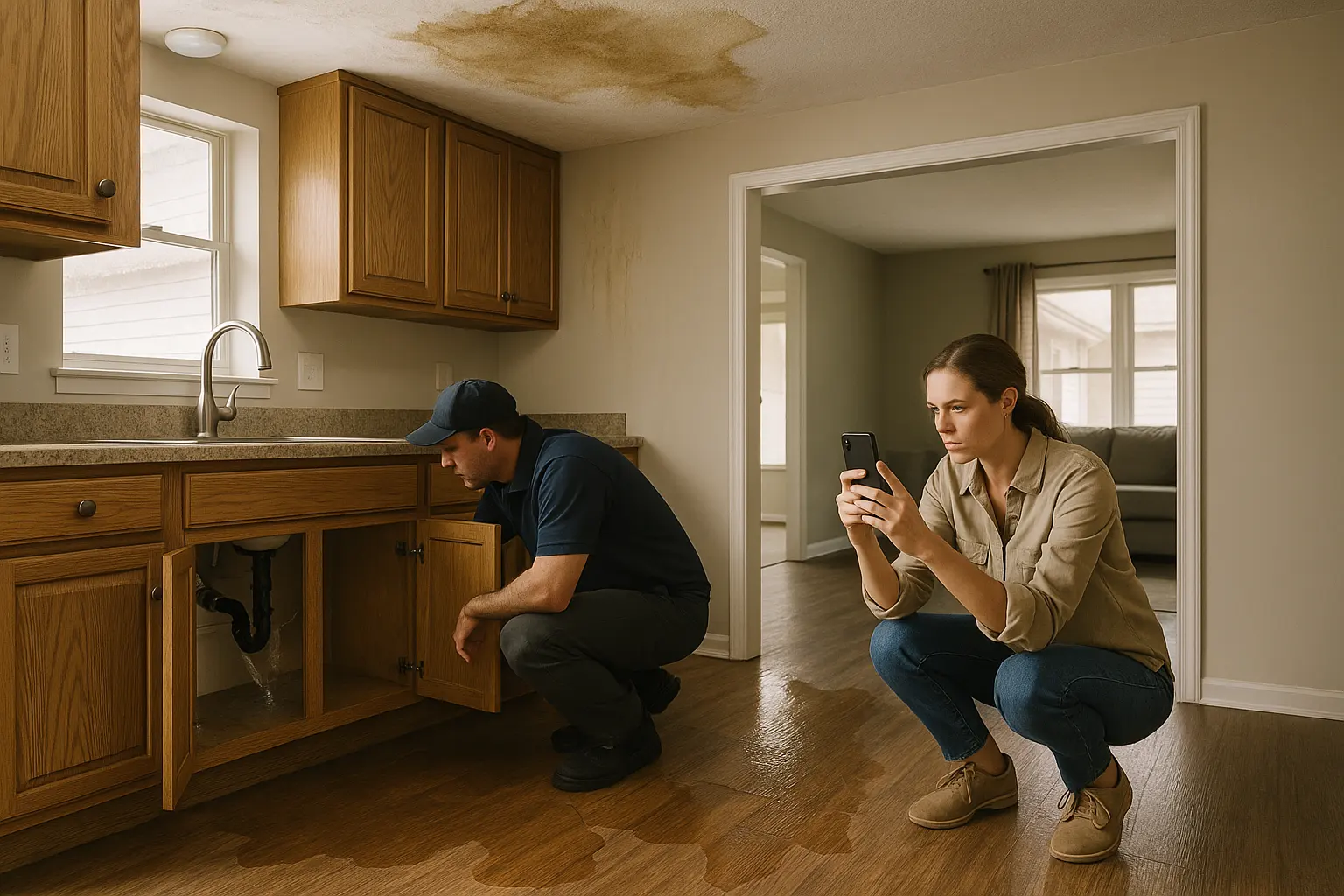
I advise calling a restoration professional immediately when water has spread beyond a small, contained area. Standing water, a wet ceiling, soaked drywall, buckled flooring, or moisture inside walls can quickly compromise the affected structure, even when the surface looks mostly dry.
Immediate professional restoration is especially important after a burst pipe, roof leak, appliance overflow, or flooding involving significant contamination, including sewage or outdoor water. A IICRC certified team has the moisture-detection equipment, commercial drying capacity, and containment practices needed to address hidden wet materials safely. Ask whether the company is properly IICRC trained for water damage work and experienced with structural drying. Prompt action can preserve more of your home, reduce mold risk, and create a clear path to drywall repair once drying is complete.
At MrWalls Drywall & Painting, we know that water can leave surfaces looking better than they truly are. A stained wall or swollen baseboard may be the visible clue, but the real question is whether moisture has reached the cavity behind it. Our job is to assess the affected structure, control the source, and make a clear recommendation based on material condition, not guesswork.
Drywall can sometimes be saved when clean water exposure is limited, drying begins promptly, and moisture readings return to an acceptable range. Once it has softened, separated at seams, or been exposed to contaminated water, removal is usually the safer choice. Insulation is less forgiving: wet fiberglass, cellulose, and similar materials often hold moisture against framing and may require replacement.
Ceilings deserve particular caution because sagging drywall can become a safety concern. Baseboards may be carefully removed for drying and reinstalled if they remain straight and sound; MDF trim commonly needs replacement after prolonged exposure. Thorough cleaning and cleanup matter as much as the repair itself. If mold is present or materials cannot be fully dried, we remove compromised sections, treat the area appropriately, and restore the finish so the repair blends naturally with the rest of your home.
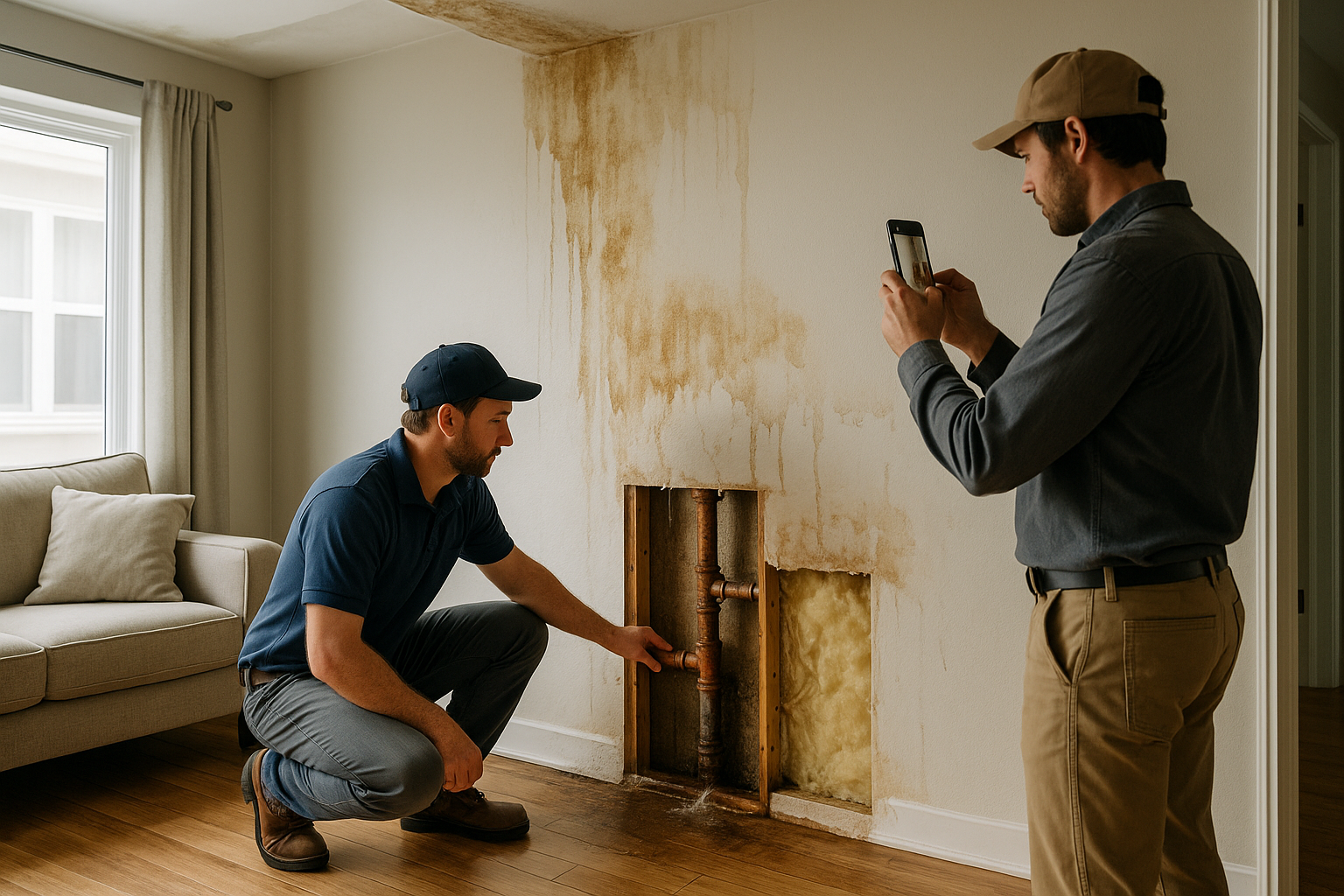
When water enters a home, the first hours matter for both drying and insurance claims. As the owner of MrWalls Drywall & Painting, I advise homeowners to document the situation before cleanup begins, when it is safe to do so. Take wide photos of each affected room, then close-ups of damaged drywall, ceilings, flooring, baseboards, belongings, and any visible staining or swelling. Short videos can also help show the full extent of the water damage.
Make notes about when you discovered the issue, where you believe the water came from, and which areas were affected. If there are several possible sources, such as a burst supply line, roof leak, appliance failure, or overflowing fixture, photograph those as well. Save plumber reports, invoices, emergency mitigation receipts, and all communication related to the claim.
Our restoration team documents moisture readings, affected materials, drying equipment, and the work required to return the space to a sound condition. That professional record can give an insurer a clearer picture of damage that may not be obvious in photographs, including wet insulation, compromised drywall, or moisture behind walls. Keep copies of every estimate and report, and avoid discarding damaged materials until your insurance representative confirms they are no longer needed. Clear, timely documentation helps support a smoother claim and a more complete restoration plan.
As the owner of MrWalls Drywall & Painting, I’m often asked whether all water damage can be handled the same way. It cannot. Water categories describe the contamination level of the water that entered a home or business, and that distinction guides everything from drying methods to which building materials must be removed. Proper categorization protects the people in the space as well as the structure itself.
What is category 1 water? Category 1 is clean water from a sanitary source, such as a supply-line leak, an overflowing tub without contaminants, or rainwater that has not contacted unsanitary materials. Even clean water needs prompt extraction and drying; after sitting in walls, flooring, or insulation, its condition can change.
What is gray water? Gray water, commonly called category 2 water, contains a level of contamination that may cause illness. It can come from washing machines, dishwashers, or toilet overflows containing urine but no feces. Porous materials affected by gray water often require more careful evaluation.
What is black water? Black water is category 3 water, the most hazardous classification. Sewage backups, flooding from waterways, and toilet overflows with fecal matter fall here. These losses require controlled cleanup, removal of contaminated porous materials, and thorough disinfection. A water category can worsen quickly, which is why we assess the source, affected materials, and elapsed time before recommending repairs.
Category 1 is clean water from a sanitary source, such as a broken supply line. Category 2, often called gray water, contains contaminants from sources such as appliances, showers, or toilet overflows without solid waste. Category 3, or black water, is grossly contaminated water from sewage backups, flooding, or similar sources and requires professional cleanup.
Water categories describe the level of contamination and related health risk. Water damage classes describe the scope of moisture damage, including how much water was absorbed, how far it spread, and how difficult the affected materials will be to dry. A clean-water leak can still create extensive damage if it remains undiscovered.
Yes. Category 1 water begins as clean, but wet drywall, insulation, flooring, and framing can support microbial growth when drying is delayed. Fast extraction, moisture testing, and controlled drying help limit hidden moisture and reduce the chance of further damage.
It depends on the water category, the length of exposure, and how deeply moisture entered the material. Some drywall affected by clean water may be dried and repaired when addressed promptly. Drywall exposed to contaminated water, or drywall that has softened, swelled, or remained wet, may need removal and replacement.
Keep people and pets away from the affected area, avoid contact with wet materials, and do not mop or vacuum the water. If safe, stop the source and avoid electrical hazards. Contact a qualified restoration professional promptly for containment, removal, cleaning, drying, and repair planning.
Call promptly when there is standing water, a burst pipe, soaked drywall, wet ceilings, buckled flooring, moisture inside walls, sewage, or floodwater. Professional moisture detection and drying equipment can identify hidden water, help prevent additional deterioration, and prepare the space for proper repairs.