Understand water mitigation vs remediation, what to do after water damage, and when to call qualified help for repairs.
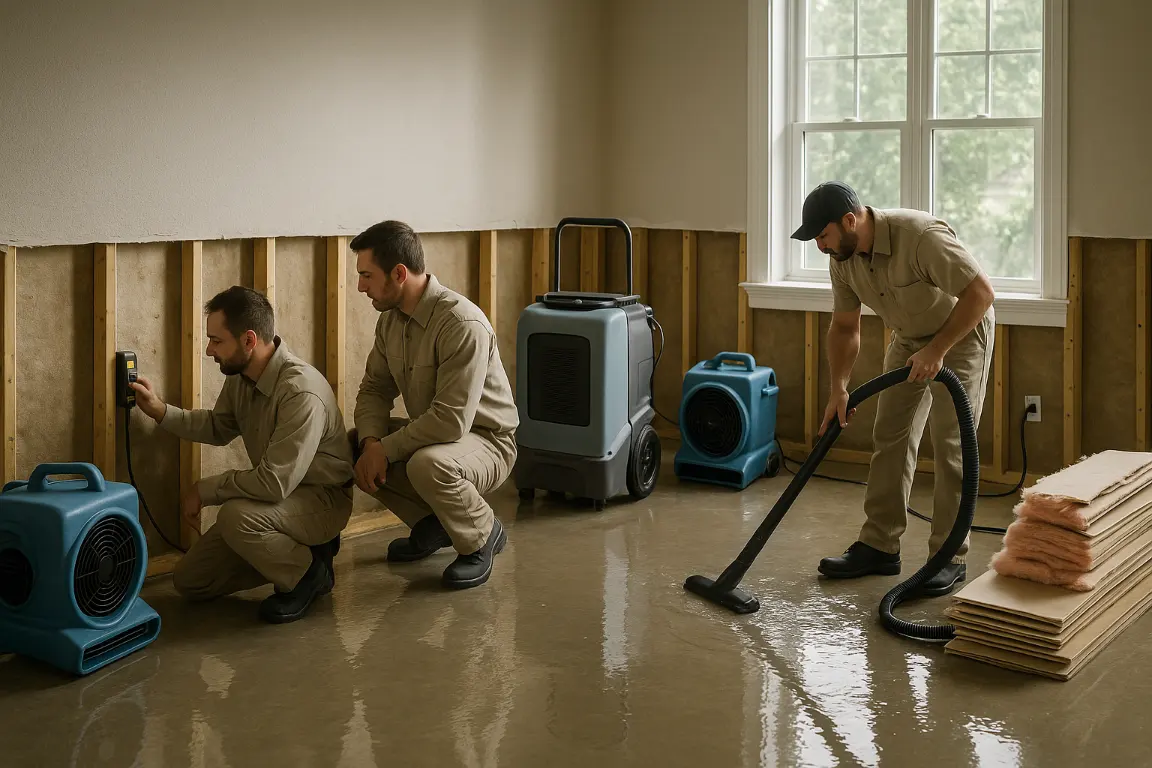
Water mitigation vs remediation comes down to timing and scope: mitigation stops water from causing further damage, while remediation addresses the damage left behind, including mold or contaminated materials. Knowing the difference helps homeowners act quickly, make safer DIY decisions, and hire the right restoration professional when the job calls for it.
Water mitigation is the urgent work of stopping a leak, extracting water, and thoroughly drying your home to prevent further damage; remediation addresses contamination, mold, and materials that cannot be safely saved. After water damage, prioritize safety, document the loss, and seek professional help for hidden moisture or widespread damage. Verified drying before repairs helps protect walls, ceilings, floors, and your final restoration investment.
Understanding water mitigation vs remediation helps homeowners make confident decisions in the first hours after a leak, overflow, or storm intrusion. Water mitigation is the urgent response: stopping the source, extracting standing water, drying affected materials, and protecting the home from escalation. In practical terms, water mitigation focuses on reducing immediate damage and preventing further problems such as mold growth, warped flooring, weakened drywall, and lingering moisture behind walls. Water mitigation stops the situation from getting worse; it is the work performed to minimize loss before repairs begin. Remediation, by contrast, addresses the conditions left behind, removing contaminated or damaged materials, treating mold when present, and restoring safe, stable surfaces. Damage mitigation and remediation often overlap on a project, but they serve different purposes and timelines. At MrWalls Drywall & Painting, we help homeowners understand what requires immediate action and what belongs in the broader water damage restoration plan, including careful drywall repair once the area is fully dry.
| Aspect | Water Mitigation | Remediation |
|---|---|---|
| Primary goal | Reduce immediate damage and prevent the situation from getting worse. | Address damaged or contaminated conditions left behind. |
| Timing | Urgent response in the first hours after a leak, overflow, or storm intrusion. | Follow-up work within the broader water damage restoration plan. |
| Typical activities | Stopping the source, extracting standing water, drying materials, and protecting the home from escalation. | Removing contaminated or damaged materials, treating mold when present, and restoring safe, stable surfaces. |
| Role in restoration | Minimizes loss before repairs begin. | Prepares the area for restoration, including drywall repair once it is fully dry. |
The mitigation process begins with stopping further loss, not rushing into cosmetic repairs. MrWalls Drywall & Painting assesses the affected areas, identifies the moisture source, and establishes a clear scope for water damage mitigation. Prompt water extraction and controlled drying help protect framing, insulation, drywall, flooring, and finishes from additional deterioration.
From there, damage remediation is planned around what can be safely saved and what must be removed. Our restoration services address damaged wallboard, compromised ceilings, texture concerns, and the careful preparation required before repairs begin. Clear communication matters throughout the full process: you should understand the condition of your property, the work being performed, and the path ahead.
Water restoration and damage restoration are ultimately about more than drying a room. They are about helping restore your property back toward its pre-loss condition through sound repairs, thoughtful rebuild work, and finishes that belong in your home. The restoration process is complete only when the space feels secure, functional, and properly finished again.
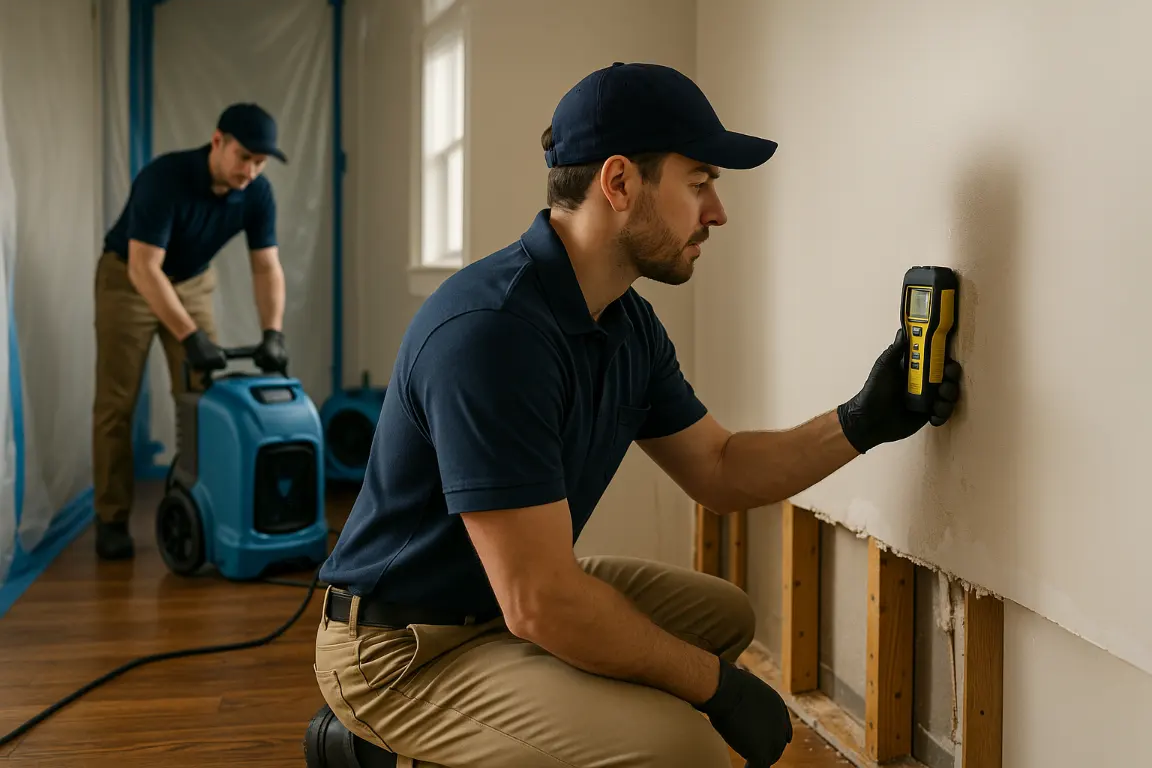
When water enters your home, the first priority is stopping the source and preventing the loss from getting worse. Shut off the main water supply if a burst pipe or hidden leak is involved; if the issue follows a storm or flood, avoid entering areas where water may be contaminated. Keep clear of standing water near outlets, appliances, or your electrical panel, and turn off power only if you can do so safely. Move dry belongings, furniture, and rugs away from the affected area, but do not disturb saturated drywall or ceilings that may be unstable. Take clear photos of the damage for your insurer before major cleaning begins. Then contact a qualified restoration professional to assess moisture behind walls, under flooring, and in ceiling cavities. Fast action matters: even a small leak can lead to staining, swelling, mold growth, and more extensive repairs if left untreated.
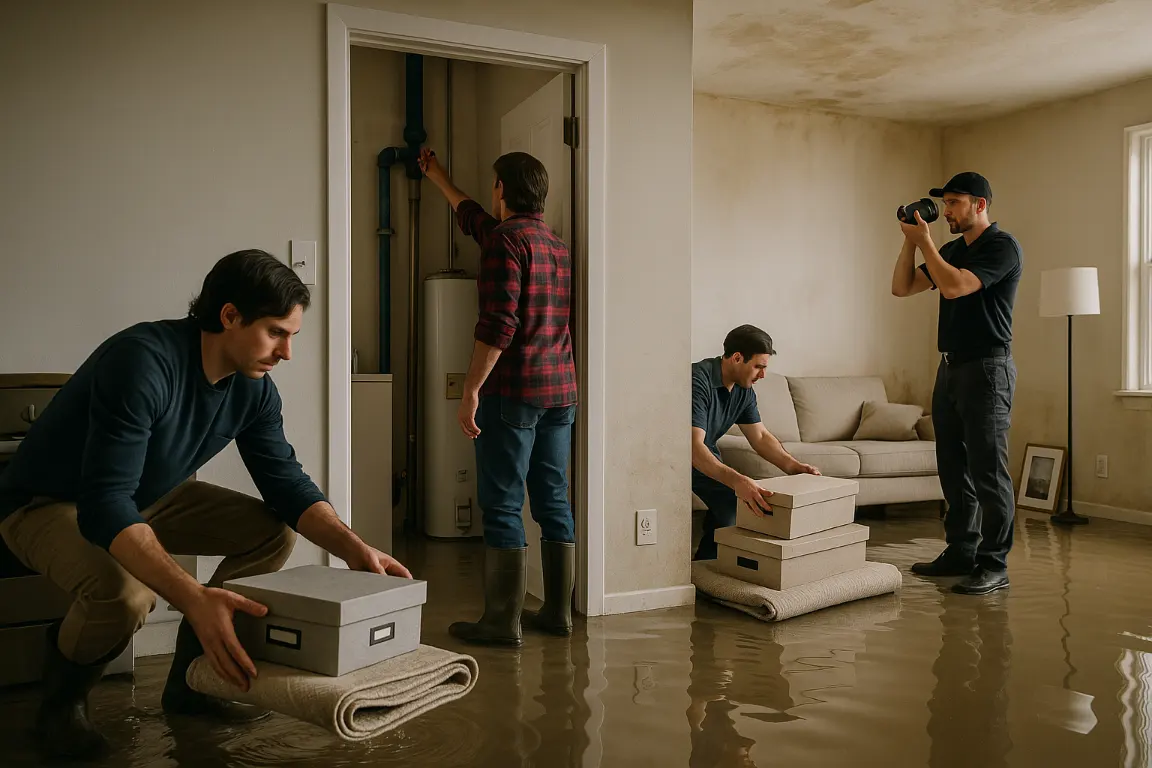
Fast action matters after water damage, but the right response depends on what is wet, how long it has been affected, and whether moisture has moved behind finished surfaces. Small, clean spills on an easily accessible residential floor may be manageable with prompt drying and careful monitoring. Larger leaks, contaminated water, soaked drywall, or damage affecting a commercial building or other commercial property call for professional water mitigation and restoration services. Effective damage mitigation is more than removing visible water: it means locating hidden moisture, drying structural materials correctly, and addressing conditions that can lead to mold. MrWalls Drywall & Painting helps property owners make informed decisions about damaged walls, ceilings, and finishes, including the repair work needed once the space is dry. If water has spread through insulation, ceiling cavities, or multiple rooms, or followed a fire suppression event, professional water restoration protects the building and helps prevent costly repairs later.
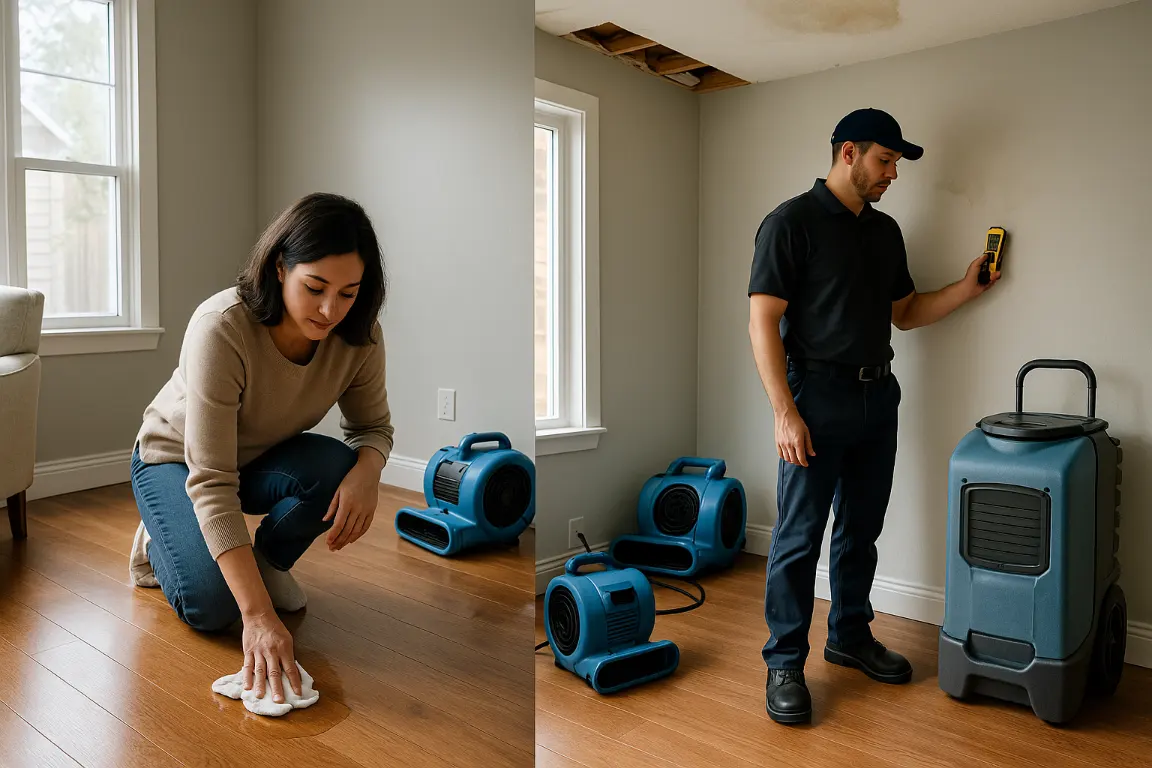
Water mitigation is the immediate work to stop the source, remove water, and dry affected areas. Remediation addresses remaining hazards or damage, such as contaminated materials, mold conditions, and unsafe drywall, before final repairs and restoration.
Call promptly after a major leak, overflow, storm intrusion, soaked drywall, ceiling damage, or suspected hidden moisture. Fast assessment and drying can limit staining, swelling, mold growth, and the need to remove additional materials later.
No. Drywall repair, painting, and refinishing should wait until moisture levels are verified. Repairing too early can trap moisture behind finished surfaces, leading to peeling paint, odors, warping, staining, or further remediation work.
After water damage, visible surfaces can look dry long before the structure behind them is ready for repair. Moisture can remain inside drywall cavities, beneath flooring, along framing, and above ceilings, where it continues to weaken materials and creates conditions mold needs to grow. That is why professional mitigation is more than removing wet items and running fans. It includes measuring moisture levels, controlling humidity, and confirming that affected materials are truly dry before reconstruction begins.
At MrWalls Drywall & Painting, we view verified drying as the foundation of a sound restoration process. Repairing drywall, refinishing ceilings, or installing new flooring too early can trap moisture behind a finished surface. The result may be staining, peeling paint, warping, odors, or a need for additional remediation later. Proper cleaning and drying protect the repair itself, preserve healthy indoor conditions, and help ensure the finished space looks as good as it performs. A careful assessment first allows the right damage repairs to last.
Once the immediate damage is documented and the water source is controlled, the work shifts from emergency response to a clear, supportable repair plan. Keep photos, videos, invoices, moisture readings, and a written timeline of the loss in one place; these records help your insurer understand what happened and help your contractor build an accurate scope. Ask whether the proposed work addresses water mitigation vs remediation: mitigation stops further damage and dries affected materials, while remediation addresses contamination or mold conditions when present. MrWalls Drywall & Painting can explain which damaged drywall, insulation, texture, and finishes should be removed, what can be saved, and how the restoration sequence protects the surrounding home. Before approving a rebuild, review the scope line by line, including preparation, material matching, repairs, painting, and final cleanup. A thoughtful plan avoids cosmetic shortcuts and provides a practical path to getting your property back to a clean, finished condition.