Learn how an average insurance payout for water damage may vary by deductible, damage scope, mitigation, and drywall or paint repair needs.
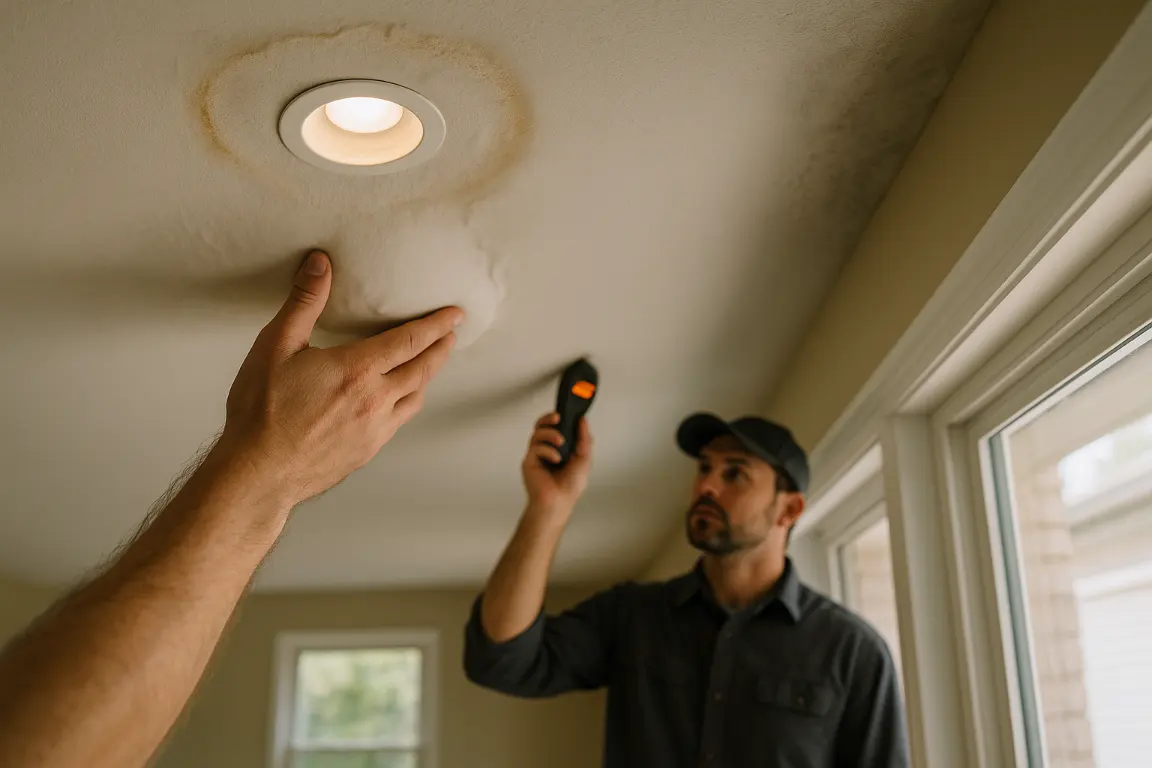
The average payout for water damage insurance claim offers a useful benchmark, but it rarely predicts the claim amount that reaches your account. Your insurance payout depends on the source of the water damage, the scope of the damage, your deductible, policy limits, and whether the insurer covers replacement cost or actual cash value. Before you begin drying, demolition, or water restoration, review your home insurance policy, document the damage, and understand how insurance companies assess claims and restoration costs.
The average water-damage insurance payout was $15,400 for 2019–2023, but every claim depends on the cause, scope, deductible, policy limits, and documentation. Sudden plumbing failures may be covered, while flood, sewer backup, slow leaks, and neglect can be excluded or require separate coverage. Act quickly: stop the water safely, photograph everything, notify your insurer, preserve records, and compare repair estimates carefully.
The average payout for water damage insurance claim is a useful benchmark, not a quote for your home or a guarantee from insurance companies. From 2019 through 2023, statistics show that average claim severity for homeowners multiple-peril policies in the “water damage and freezing” category was $15,400. This average insurance payout reflects the claim amount paid per claim, excluding loss-adjustment expenses; the category may also include covered mold damage. [1]
In practice, an insurance payout can encompass everything from a contained supply-line leak to a frozen pipe that damages ceilings, flooring, insulation, built-ins, and personal property. Water damage costs vary with the source of the damage water, the speed of discovery, the materials affected, policy limits, deductible, and available endorsements. Homeowners insurance commonly provides insurance coverage for the structure, fixtures, and built-in appliances, while contents coverage and additional living expense coverage may apply when included in the policy. Commercial claims can follow a different coverage framework and may involve substantially different restoration costs. [2]
Whether insurance cover applies often depends on whether the event was sudden and accidental. A burst frozen pipe, for example, may be covered when homeowners took reasonable steps to maintain plumbing and prevent freezing; neglect can alter the outcome. Review the policy with an agent before a loss whenever possible, particularly if flood, sewer backup, or drain backup is a concern. Flood damage is generally addressed through separate coverage, while sewer or drain backup protection may be required as an added endorsement. [2]
For homeowners, the value of this benchmark lies in preparing for the restoration conversation, not in setting expectations before the scope is known. Document affected rooms, belongings, and visible damage before cleanup, then proceed step by step from the property’s actual drying, repair, replacement, and water restoration needs. A careful review of the insurance claim can also help clarify liability, legal obligations, and the support available from home insurance companies once the full extent of the damage is established. [4]
After a water loss, the estimate and the insurance claim are closely connected, yet they are rarely the same figure. Restoration costs can include emergency drying, removal of damaged drywall or insulation, treatment of affected materials, and the work required to return ceilings and walls to a finished condition. If water reached a popcorn ceiling, for example, the scope may shift depending on whether the material can be stabilized or must be removed and replaced.
Your claim amount is the portion of covered damage the carrier recognizes under your policy after reviewing the cause of loss, documentation, limits and exclusions. A sudden, accidental plumbing discharge is commonly covered, while a slow leak, maintenance issue or preventable frozen-pipe situation may be handled differently. Homeowners policies often cover resulting damage from a burst frozen pipe when the homeowner took reasonable steps to maintain the plumbing and prevent freezing. [3] Flood damage, however, is generally covered through a separate flood policy rather than a standard homeowners policy. [2]
The deductible is the amount you pay before an insurance payout applies. If approved repairs total $12,000 and your deductible is $2,500, the expected payout may be $9,500, subject to the policy’s terms and the carrier’s final valuation. Not every listed cost is automatically approved, which is why clear photos, moisture documentation and a detailed repair scope matter. The CDC advises documenting the home and belongings before cleanup begins. [4]
At MrWalls Drywall & Painting, we help homeowners understand the restoration scope behind the numbers: what must be removed, what can be repaired, and what is required for a clean, lasting finish. Water damage and freezing represented 22.6% of homeowners insurance losses by cause in 2023, underscoring how often these details shape real repair decisions. [1]
| Item | What It Means | Effect on Your Out-of-Pocket Cost or Payout |
|---|---|---|
| Restoration scope | The repair estimate may include emergency drying, removal of damaged drywall or insulation, treatment of affected materials, and finishing ceilings and walls. A popcorn ceiling may require stabilization or removal and replacement. | The restoration estimate reflects the work needed to repair the damage, but it is not automatically the same as the approved claim amount. |
| Covered damage determination | The carrier reviews the cause of loss, documentation, policy limits and exclusions to determine the portion of damage covered under the policy. | Coverage decisions affect how much of the repair cost may qualify for payment. Sudden accidental plumbing discharges may be treated differently from slow leaks, maintenance issues, preventable frozen-pipe situations, or flood damage. |
| Deductible | The deductible is the amount the homeowner pays before an insurance payout applies. | If approved repairs total $12,000 and the deductible is $2,500, the expected payout may be $9,500, subject to policy terms and the carrier’s final valuation. |
| Insurer valuation | The carrier makes a final valuation after reviewing the repair scope, cause of loss, documentation, limits and exclusions. | Not every listed restoration cost is automatically approved, so the final payout can differ from the original estimate. |
| Supporting documentation | Clear photos, moisture documentation, a detailed repair scope, and records of the home and belongings before cleanup begins support the claim review. | Complete documentation helps show the damage and the work required, supporting consideration of covered repair costs. |
A water-damage claim is not priced from a single number. Insurance companies look at the source of the water, how suddenly the event occurred, the parts of the home and belongings affected, the policy’s limits and deductible, and the documentation available before repairs begin. A burst supply line and a slow, long-running leak can produce similar visible damage water conditions, yet receive very different claim decisions. Most homeowners policies cover sudden and accidental discharge from a plumbing system; coverage for a frozen, burst pipe can depend on whether the owner took reasonable steps to prevent freezing. [3]
The scope also matters. A carrier may evaluate drying, demolition, water restoration, drywall replacement, insulation, flooring, cabinets, and personal property separately, then apply exclusions or sublimits. Standard homeowners coverage generally includes the home’s structure, fixtures, and built-in appliances, while sewer or drain backup coverage may require a separate endorsement. Flood-related water damage is typically handled under a separate flood policy. [2]
Protect the claim record from the start: photograph rooms, damaged materials, and affected belongings before cleanup, and keep invoices, moisture reports, and repair estimates organized. The CDC similarly advises contacting the insurer and taking photos before cleanup. [4] At MrWalls Drywall & Painting, we help homeowners define the visible repair scope after drying, so damaged drywall, ceilings, and finishes can be restored with a clear, itemized plan.
Water damage claims often turn on one important distinction: whether the loss was sudden and accidental or the result of a long-term issue. A homeowners insurance policy commonly provides insurance coverage for the home’s structure, attached features, fixtures, and built-in appliances, with contents coverage included in many policies as well. [2] A burst supply line, appliance failure, or frozen pipe that breaks may be a covered accident when the resulting damage is sudden. Policies often cover water damage from a burst frozen pipe when the homeowner took reasonable precautions to maintain the plumbing and prevent freezing. [3]
That does not mean home insurance will cover every wet wall, stained ceiling, or damaged floor. An insurer may deny or limit a claim when it finds that plumbing was neglected or that required precautions were not taken in a vacant home, such as maintaining adequate heat or shutting off the water supply. [3] Coverage details, deductibles, exclusions, and endorsements vary, so read the specific policy rather than relying on a general rule.
A flood is typically treated differently from water that originates inside the house. Standard homeowners insurance generally does not provide flood protection; flood-related damage to the house and belongings requires a separate flood insurance policy. [2] Likewise, sewer or drain backup may require a dedicated water-backup endorsement. [2]
When damage occurs, document the affected rooms and belongings with photos before cleanup and contact your insurer promptly. [4] Then focus on limiting further damage safely. MrWalls Drywall & Painting can assess compromised drywall and ceilings and help restore affected interior finishes after the scope of work is established.
In the first day after water enters your home, the priorities are safety, containment and a clear record of what happened. If water is still flowing, shut it off at the nearest safe valve or the main supply. Avoid rooms with standing water near electrical outlets, appliances or a compromised ceiling, and do not walk beneath sagging drywall. A wet ceiling can lose strength quickly; protecting people comes before protecting finishes.
Before moving furniture, removing materials or beginning cleanup, photograph and video every affected area. Capture the source of the leak if visible, water lines on walls, damaged flooring, ceilings, cabinetry and personal belongings. Keep a simple timeline: when you discovered the problem, when the water was stopped and every call or emergency service visit that followed. This documentation gives homeowners a stronger starting point when filing claims and helps a restoration team identify the full scope of moisture damage.
Contact your insurer promptly, then ask what information is required before permanent repairs begin. Many homeowners policies cover sudden, accidental plumbing discharges, while coverage can depend on maintenance and the circumstances surrounding a burst pipe. [3] Flood damage is generally handled through a separate flood policy, and sewer or drain backup coverage may be an optional endorsement. [2] Save receipts for reasonable emergency mitigation, such as extraction or temporary protection, and retain damaged materials until the adjuster advises otherwise. The next step is controlled drying: removing wet drywall or insulation where necessary, documenting conditions and preventing hidden moisture from becoming a larger repair.
A small, contained spill on a hard floor may be a reasonable DIY cleanup: stop the source, document the area, remove standing water, and dry what you can safely reach. The decision changes when water has traveled beneath flooring, soaked drywall or insulation, affected a ceiling, or sat long enough to leave uncertainty behind the finished surface. Water damage is rarely limited to what is visible, and a cosmetic patch can conceal damp materials that need more deliberate attention.
Start by photographing the affected rooms and belongings before cleanup. That record helps with an insurance conversation, particularly after a sudden plumbing failure; homeowners policies often cover resulting damage from a sudden and accidental plumbing discharge, though coverage depends on the policy and the circumstances. [3] Flood damage generally requires separate flood insurance, while sewer or drain backup may require a specific endorsement. [2]
DIY is best reserved for situations you can fully access, clean, and dry without disturbing compromised materials. Use appropriate protective gear if mold is present or suspected: CDC guidance calls for, at minimum, an N95 respirator, goggles, and protective gloves for mold cleanup. [5] If drywall feels soft, paint is blistering, a popcorn ceiling is sagging, or there is a persistent musty odor, call water restoration companies rather than opening walls at random.
Professional help is also the more measured choice when the affected area is extensive, the source involved contaminated water, or documentation and a clear scope of repairs matter. Restoration costs should reflect the actual drying, removal, repair, and finish work required, not a rushed surface-level fix. At MrWalls Drywall & Painting, we help homeowners move from water-affected drywall and ceilings to clean, well-finished repairs that make the room feel whole again.
Before approving repairs, compare the insurance estimate line by line with the conditions actually present in your home. An insurance claim estimate should identify the affected rooms, demolition and drying work, drywall replacement, texture matching, priming, painting, and any necessary specialty work such as popcorn ceiling removal. It should also distinguish between repairable materials and materials that must be removed because moisture, staining, or damage has compromised them.
Pay close attention to quantities and scope. A small allowance for patching may not reflect continuous drywall damage behind baseboards, across a ceiling seam, or within a wall cavity. Likewise, restoring a painted surface properly can require more than touching up a single spot; sheen, color, and texture often need to blend across a larger plane. Photograph visible conditions, retain moisture or mitigation documentation, and ask your restoration contractor for a detailed comparison when the carrier’s scope appears incomplete. The CDC advises documenting the home and belongings with photos before cleanup begins. [4]
If newly discovered damage or omitted work affects the original scope, your contractor can prepare supporting documentation for a supplement request. This is a normal part of many claims, not a demand for an inflated insurance payout. Send the itemized information to the assigned claims representative or agent, ask what documentation is required, and keep copies of all correspondence. Coverage still depends on the policy and cause of loss: homeowners policies commonly cover sudden, accidental plumbing discharges, while flood damage generally requires separate flood insurance. [2][3] For disagreements about coverage, deadlines, or your legal rights, consult your insurer and, if needed, a qualified legal professional.
Whether to file an insurance claim comes down to more than comparing a repair estimate with your deductible. Start by confirming what caused the damage, what your policy covers, and whether the work involves the home’s structure, contents, or a potential liability issue. Standard homeowners insurance commonly covers the structure, attached fixtures, and built-in appliances, while contents and personal liability may also be included for covered events. [2]
For a sudden pipe break or accidental plumbing discharge, resulting water damage is often covered, but maintenance matters. Insurers may deny a burst-pipe loss when they determine a homeowner failed to take reasonable precautions, such as maintaining adequate heat or shutting off water in a vacant home. [3] Flood damage, meanwhile, generally requires a separate flood insurance policy, and sewer or drain backup protection may be an optional endorsement rather than automatic coverage. [2]
Before authorizing demolition, photograph affected rooms, ceilings, flooring, and belongings, then document estimates for water damage restoration and drywall repair. If covered repair costs only slightly exceed the deductible, paying directly may be the simpler route. When moisture has traveled behind walls, affected a ceiling system, or created a much larger restoration scope, a claim may be worth pursuing. Water damage and freezing represented 22.6% of homeowners insurance losses by cause in 2023, and the average claim severity for that category was $15,400 from 2019 through 2023. [1] Review the policy carefully and speak with your insurer before making the final call.
Water damage claims can move quickly, but the details matter: where the water came from, how suddenly the loss occurred, what was damaged, and how promptly the issue was documented. For homeowners, a burst pipe or sudden plumbing discharge is often treated differently from a long-running leak, floodwater, or a sewer backup. Standard homeowners policies commonly protect the home’s structure, fixtures, built-in appliances, and, in many cases, personal belongings for covered events; flood insurance and sewer-backup protection are generally separate coverage considerations. [2] If frozen pipes burst, coverage may depend on whether reasonable precautions were taken to maintain the plumbing and prevent freezing, particularly in a vacant property. [3]
Before removing wet drywall, flooring, furniture, or ceiling material, photograph the affected rooms and belongings and contact the insurer. The CDC specifically recommends documenting damage before cleanup begins. [4] Keep notes on the date the water was discovered, the apparent source, emergency mitigation work, and conversations with the adjuster. A restoration estimate should distinguish drying and removal work from the repairs needed to return walls and ceilings to their finished condition.
Clients often ask about the average insurance payout. From 2019 through 2023, the average claim severity for homeowners multiple-peril water damage and freezing claims was $15,400, though that figure is an average amount paid per claim, not a promise for any individual loss. [1] Scope, deductible, policy limits, exclusions, and the condition of the affected materials all influence the final payment. Commercial properties should review their own policy language with equal care, since insurance coverage, business-property provisions, and restoration needs can differ substantially from a residential claim. MrWalls Drywall & Painting can provide clear repair documentation for damaged drywall, ceilings, and finishing work after the mitigation phase is complete.
For 2019 through 2023, the average claim severity for homeowners water damage and freezing losses was $15,400. Your payment can be much lower or higher depending on the source of water, affected materials, policy limits, deductible, exclusions, and documented repair scope.
Homeowners insurance commonly covers resulting damage from a sudden, accidental burst pipe or plumbing discharge. Coverage may depend on the policy and whether reasonable precautions were taken to maintain plumbing and prevent freezing.
Slow leaks, long-term seepage, wear, and maintenance-related damage are often excluded or limited. Insurers generally distinguish these conditions from sudden accidental events, so review your policy and report the damage promptly.
Standard homeowners policies generally do not cover flood damage; separate flood insurance is usually required. Sewer or drain backup may also require a water-backup endorsement. Check your declarations page and policy wording for the coverage available to your home.
Your deductible is subtracted from the approved covered amount. For example, if covered repairs total $12,000 and your deductible is $2,500, the payout could be $9,500, subject to the insurer’s final scope, valuation, limits, and exclusions.
Stop the water source if it is safe, avoid electrical hazards and sagging ceilings, and photograph the damage before cleanup. Contact your insurer, save emergency mitigation receipts, document a timeline, and retain damaged materials until the adjuster provides direction.
Yes. If drying, demolition, drywall replacement, texture matching, painting, or newly discovered damage was omitted, submit photos, moisture records, invoices, and an itemized contractor scope to the claims representative. Supplements address necessary work not included in the original estimate.
Professional assessment is appropriate when drywall feels soft, ceilings sag, insulation is wet, flooring traps moisture, mold is suspected, contaminated water is involved, or damage extends beyond a small accessible area. Proper drying and removal help prevent hidden moisture and finish failures.