Learn what affects water damage repair costs, from drying and removal to drywall, ceilings, texture matching, trim, and painting after mitigation.
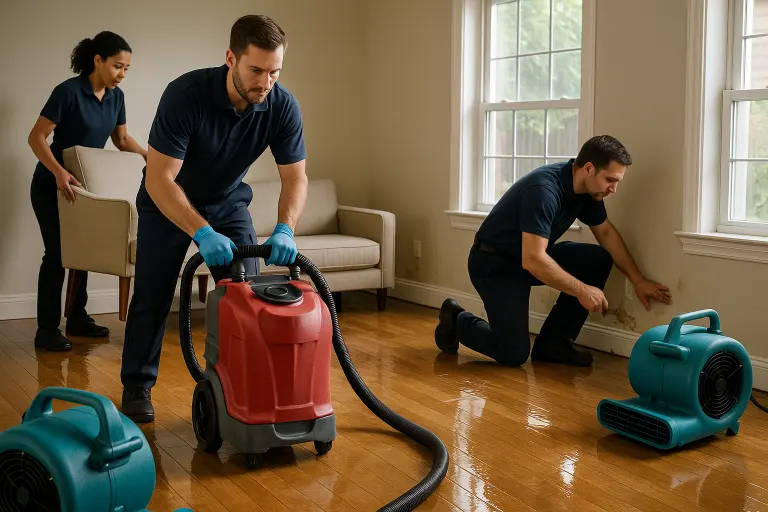
Wondering how much it is to repair water damage? Costs can range from a relatively small cleanup to a major restoration project, depending on the source, how long water sat, and which materials were affected. This guide breaks down typical pricing, what restoration work includes, and when it makes sense to call a professional.
Water damage repair costs vary widely based on the water source, affected materials, contamination level, and how quickly drying begins. Professional restoration may include water removal, moisture inspection, drying, damaged drywall or insulation removal, mold prevention, rebuilding, texture matching, and painting. Prompt assessment helps limit hidden damage and supports an accurate repair plan, from a small ceiling stain to extensive multi-room restoration. A flooded basement could cost $5,000 up to $25,000 for restoration. If the water is stopped fast and equipment is used quick enough it can be a much smaller job repairing the damage. A basement that floods to 12" of water will need new heating equipment, a full flood cut to all the walls, hot water heater, flooring, trim, painting, drywall. So the cost of restoration is directly affected by the amount of damage that occurs.
If you’re asking how much is it to repair water damage, the honest answer depends on the source, how long moisture was present, and which materials need to be removed or restored. Water damage restoration costs can be modest for a small, quickly addressed drywall stain, while average costs range much higher when water has reached insulation, ceilings, flooring, or framing. Professional water damage repair typically begins with an inspection to identify hidden moisture and confirm the scope of the project. Repair costs should account for drying, damaged-material removal, mold-prevention measures where needed, and careful rebuilding, not simply covering a visible mark. MrWalls Drywall & Painting provides clear, practical estimates for restoration and repair services, so homeowners can understand what the work involves before moving forward.
| Cost factor | What it can involve | Why it may affect the repair scope |
|---|---|---|
| Water source | Identifying where the water came from | The source helps determine the restoration needs and overall project scope. |
| Duration of moisture exposure | How long materials remained wet | Longer exposure can allow water to reach additional areas and materials. |
| Affected materials | Drywall, insulation, ceilings, flooring, and framing | More extensive material involvement can require additional restoration or replacement work. |
| Hidden moisture inspection | Professional inspection to locate moisture not visible on the surface | Finding concealed moisture helps confirm the full scope of the repair. |
| Drying | Drying wet areas and materials | Drying is part of restoration work and may be needed beyond the visibly damaged area. |
| Damaged-material removal | Removing materials that cannot be restored | Removal may be necessary before repairs and rebuilding can begin. |
| Mold-prevention measures | Preventive work where needed | Additional measures may be required when moisture conditions create a need for prevention. |
| Careful rebuilding | Restoring removed or damaged areas after drying and removal | Rebuilding requirements vary based on the materials and areas affected. |
Professional water restoration addresses the full path from water extraction and water removal through cleaning, drying, and lasting damage repair. Effective water damage restoration protects the home’s finishes, structure, and indoor conditions.
The first priority is stopping the source, removing standing water, and identifying how far moisture has traveled behind walls, beneath flooring, or into ceiling cavities. Prompt mitigation limits secondary damage and helps prevent a wet area from becoming a larger restoration project.
At MrWalls Drywall & Painting, the work is coordinated around thorough drying before finishes are repaired. IICRC-guided practices help restoration professionals measure moisture, set drying equipment appropriately, and confirm that affected assemblies are ready for rebuilding, not simply dry to the touch.
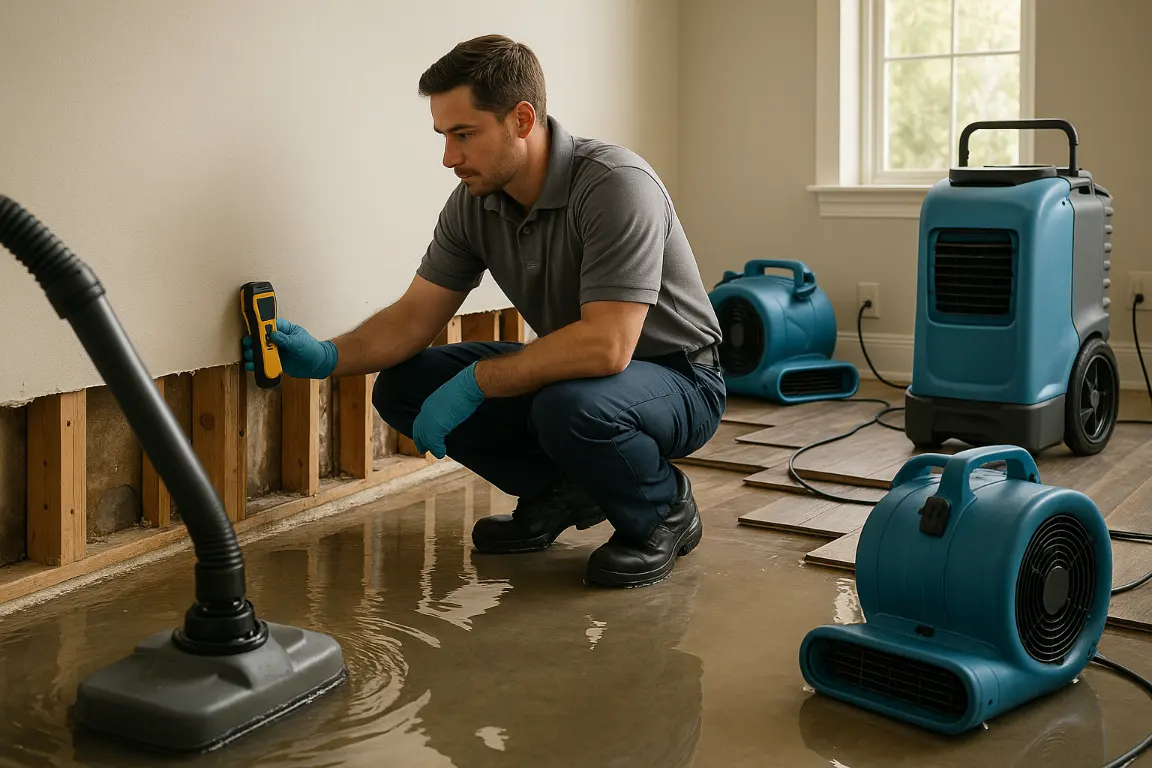
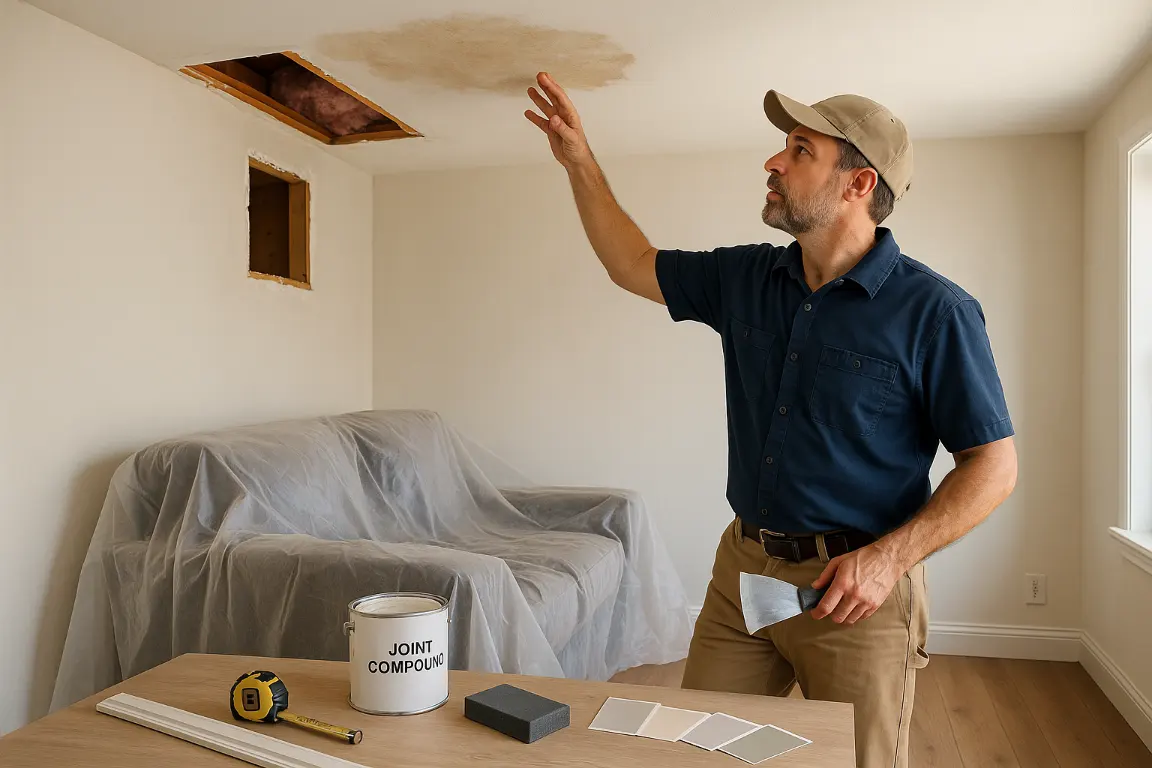
Once the affected area is dry and stable, rebuilding can begin. The scope may include replacing damaged drywall, insulation, trim, texture, or ceiling sections, then preparing surfaces for a seamless paint finish. Matching existing materials and textures matters as much as completing the visible repair.
Construction work should also address any necessary structural repairs before cosmetic finishes are installed. Clear planning helps homeowners understand the materials required, the labor involved, and the sequence of work, from demolition and patching through final painting. The result is a repaired space that looks intentional, not merely covered over.
Water damage cost depends on the extent of wet materials, the source of moisture, and how quickly drying begins. Damage restoration costs rise when repairs move beyond one surface into insulation, framing, flooring, or adjacent rooms.
A small ceiling stain from a short-lived leak may require localized drywall replacement, stain blocking, and repainting. Costs increase when a plumbing failure wets wall cavities or several rooms, since crews may need to remove saturated drywall, dry structural materials, and replace insulation or flooring.
Mold is another important dividing line. If moisture has been present long enough for growth to develop, containment and careful removal may be needed before repairs can begin. Contaminated water from a drain backup or similar source also requires more extensive cleaning and disposal than clean-water damage. A prompt assessment helps define the damage clearly and prevents a manageable repair from becoming a larger restoration project.
Repair costs depend on where the damage sits, the materials affected and how much construction is needed to return the surface to a finished, paint-ready condition. A careful assessment keeps damage repair scoped accurately from the start.
Drywall restoration cost typically reflects the size and depth of the affected area, whether insulation or framing has been compromised, and the level of finish required to blend the repair into the room. Water damage in a ceiling often requires more investigation than a wall, since moisture can travel above the visible stain and weaken seams, texture or adjacent materials.
Trim, baseboards and painted finishes may be repairable when addressed promptly; prolonged moisture can require replacement. Labor also varies with access, matching existing texture, protecting furnished spaces and completing careful priming and repainting. MrWalls Drywall & Painting scopes these details clearly so the recommended work aligns with the actual condition of each surface.
Final damage cost reflects the extent of the problem, not just the visible stain. When drywall stays wet, trapped moisture from a slow leak can expand the scope of the project quickly.
A surface stain may be minor, but an inspection can reveal moisture behind drywall, above ceilings, or beneath flooring. The source must be corrected before repairs begin; otherwise, new materials can fail. Drying needs vary with the affected area, material type, and how long water has been present.
Access matters, too. Reaching a ceiling cavity, plumbing wall, or layered finish may require careful removal and replacement. If mold is present or materials have deteriorated, the work may include containment, treatment, and structural repairs to framing or subflooring. MrWalls Drywall & Painting explains the findings clearly, so the recommended work matches the actual condition of your home.
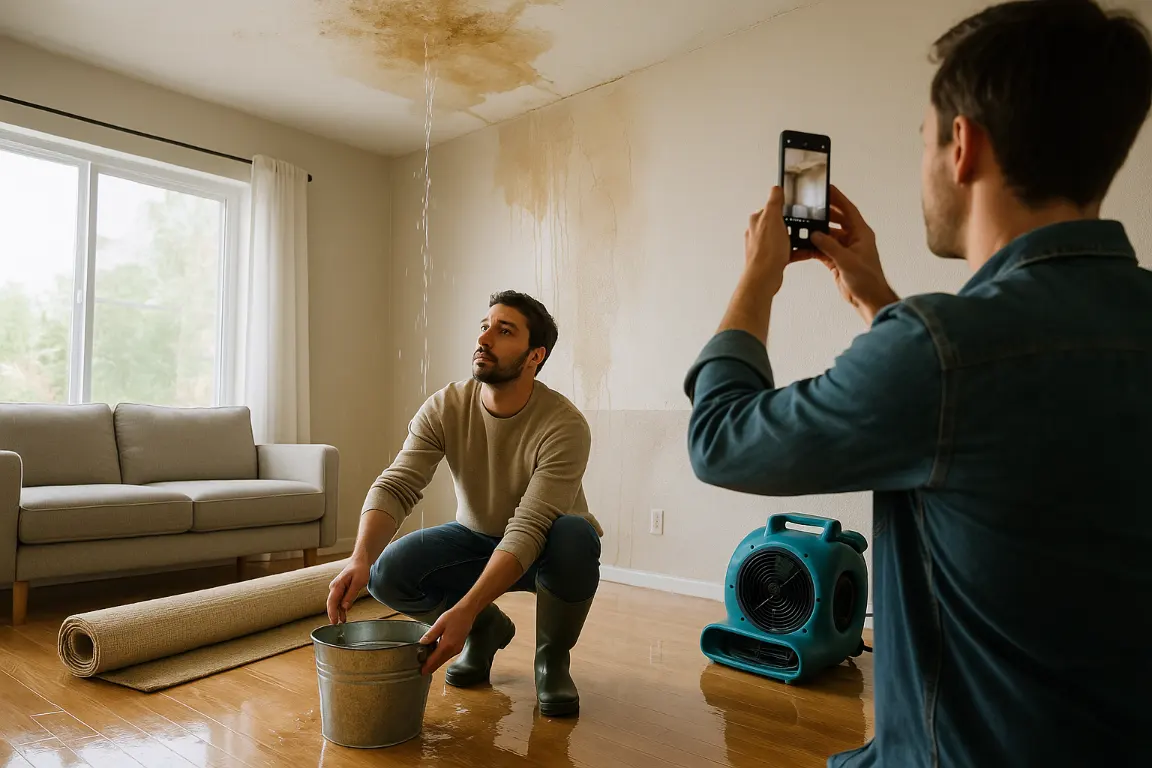
Act quickly, but do not put safety at risk. If water is near outlets, fixtures, or your electrical panel, turn off power to the affected area only if it is safe to do so. Stop the source when possible, shut off a supply valve, place a container beneath a leak, or contact a plumber for an active pipe failure. Move furniture, rugs, and valuables out of the wet area, then photograph the damage before beginning cleanup for your insurance claim. Prompt water removal and professional water extraction help limit swelling drywall, stained ceilings, and hidden moisture behind walls. Contact your insurance provider early to understand your coverage, and arrange restoration services that can document conditions, dry the structure properly, and identify materials that need repair or replacement.
Minor, fully dried damage can sometimes be repaired at home. But wet drywall, hidden moisture, or signs of mold call for professional water damage repair before cosmetic damage repair begins.
A careful inspection is the first step. A small stain from a resolved leak may be a manageable repair if the drywall is firm, the area is dry, and a moisture meter confirms there is no remaining moisture behind the surface. Cut out softened material, allow the cavity to dry completely, then patch, tape, and finish it.
Call a water damage restoration professional when water affected a large area, came from a contaminated source, or left drywall sagging, crumbling, or musty. Hidden moisture can support mold growth and compromise insulation, framing, and electrical components. MrWalls Drywall & Painting can assess the extent of the issue and coordinate the appropriate drying and structural repairs before restoring a clean, durable wall finish.
Insurance may help with water damage when the cause is sudden and accidental, but coverage depends on your policy, the source of the problem, and how promptly you file a claim. Plumbing-related damage is often treated differently from flooding or neglected maintenance.
A burst supply line or an unexpected appliance leak is commonly covered, including reasonable drywall repair and related damage restoration. Insurers generally distinguish these events from a slow leak that has stained ceilings or softened walls over months; gradual deterioration is often excluded as maintenance-related damage.
Sewer or drain backups may require a separate policy endorsement, and water entering from a storm surge, overflowing river, or surface flooding usually needs dedicated flood insurance. Before authorizing major work, document the affected rooms, save photos, and contact your carrier. A restoration professional can provide a detailed scope and estimate, helping clarify the restoration cost for your claim.
Use a calculator as a starting point, then compare repair costs line by line. A clear estimate separates labor, materials, and services, making it easier to see what is included and select a qualified local team.
Call MrWalls Drywall & Painting when damage repair involves more than a simple patch, particularly after a leak, overflow, or plumbing issue. Early assessment can help determine whether drywall has absorbed moisture, insulation needs attention, or the affected area requires coordinated water restoration before finishes are replaced.
Our team can explain the scope in practical terms: what can be repaired, what should be removed, and how the work will be rebuilt for a clean result. From targeted drywall repair to larger construction-related restoration, the goal is a well-defined plan, durable workmanship, and surfaces ready for painting or refinishing.
Water damage repair costs vary based on the water source, how long materials stayed wet, and the areas affected. A small, promptly treated drywall or ceiling stain may need limited repairs, while damage involving insulation, flooring, framing, multiple rooms, mold, or contaminated water requires a broader restoration scope.
Professional restoration can include stopping the water source, water extraction, moisture inspection, drying, removal of damaged materials, cleaning, mold-prevention steps, drywall and insulation replacement, texture matching, priming, and painting. The goal is to repair the full affected area rather than conceal visible staining.
Drywall may be repairable if the water exposure was limited, the board remains solid, and drying begins quickly. Soft, swollen, crumbling, stained, or mold-affected drywall usually needs removal and replacement. Moisture behind the wall must also be addressed before new finishes are installed.
Ceiling stains can indicate moisture traveling through an attic, floor cavity, plumbing line, or roof assembly. Water may spread beyond the visible mark and affect insulation, seams, framing, or adjacent ceiling sections. Inspection helps determine whether localized repair is appropriate or a larger section needs restoration.
Coverage depends on the policy and the cause of the damage. Sudden, accidental events such as a burst pipe may be covered, while gradual leaks, maintenance-related damage, or flooding may be excluded. Review your policy and contact your insurer promptly to understand documentation and claim requirements.
Water damage should be assessed and dried as soon as possible. Fast water removal and moisture control can reduce damage to drywall, insulation, trim, flooring, and structural materials. It also lowers the chance that mold growth or hidden deterioration will expand the repair scope.