Learn how policies often treat sudden leaks, gradual damage, flooding, and backups, and what to do next to protect your home and repairs.
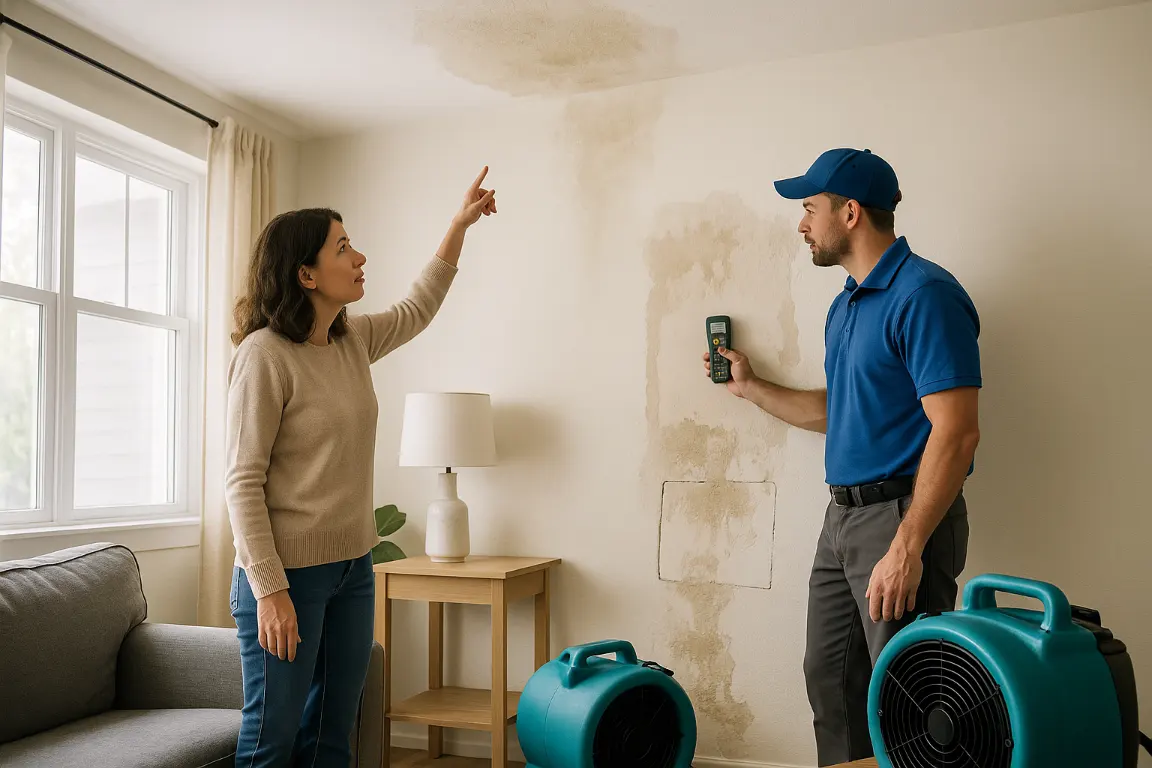
Homeowners insurance often covers water damage from sudden, accidental leaks, such as a burst pipe or failed appliance, but usually not damage tied to neglect, gradual seepage, or flooding. The source, timing, and condition of your plumbing all matter. Here’s how insurers typically evaluate a leak claim and what to do next.
Homeowners insurance may cover water damage from sudden, accidental events like burst pipes, failed appliance hoses, or plumbing overflows, but usually excludes gradual leaks, neglected maintenance, groundwater, and floods. Sewer or sump-pump backups often need separate endorsements. Document damage, stop the water safely, notify your insurer promptly, and arrange professional drying and repairs to prevent mold and further damage.
When homeowners ask what kind of water leaks are covered by insurance, the answer usually comes down to cause, timing, and the details of the policy. A standard homeowners insurance policy may cover sudden, accidental water damage, such as a burst supply line, a failed appliance hose, or an overflow from indoor plumbing. In these situations, coverage can often include the damaged drywall, flooring, paint, and other affected finishes, subject to the deductible and policy limits.
Home insurance generally does not cover water leaks caused by long-term wear, neglected maintenance, or a known problem left unresolved. For example, insurance may deny a claim for damage from a slow leak behind a wall that developed over months. Floodwater and sewer backup also commonly require separate coverage. After a water leak, document the damage, stop the source if it is safe, and contact your insurer promptly. MrWalls Drywall & Painting can help restore water-damaged walls and ceilings once the affected area is properly dried.
Damage coverage for your home often depends on the cause, the property coverage selected, and the type of water involved. Before filing claims, review your homeowners policy and speak with your agent about the protection available.
A pipe that bursts overnight, freezes during a cold spell, or suddenly fails behind a wall can create extensive leak damage before anyone notices. In many cases, homeowners insurance may help cover damage caused by burst or frozen pipes, including affected drywall, flooring, insulation, and personal belongings. The policy may also provide for reasonable emergency steps to limit further damage.
The distinction matters: insurance cover is generally tied to the resulting accidental damage, not necessarily the repair or replacement of the worn pipe itself. Photograph the affected areas, save invoices for mitigation work, and report sudden leaks promptly. A restoration professional can document visible conditions while your insurer reviews the claim.
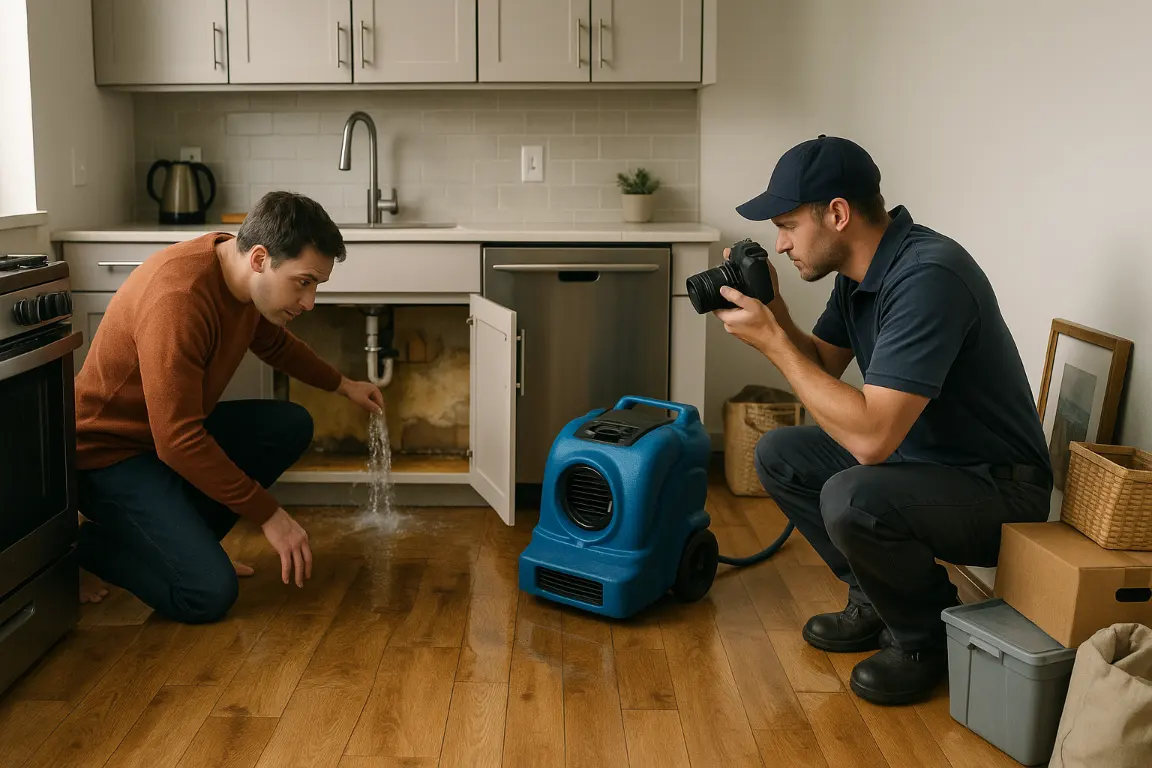
Gradual leaks or seepage are typically handled differently from a sudden plumbing failure. A slow drip beneath a sink, recurring staining around a shower, or moisture entering over time may point to deferred maintenance rather than a covered event. Insurers often review how long the issue was present, whether warning signs were visible, and what action was taken once the problem was discovered.
Long-term moisture can also lead to mold damage, damaged drywall, and odors that require specialized cleaning. Mold coverage varies widely, and mold connected to gradual leaks may have limited protection under a homeowners policy. Regular inspections, prompt repairs, and attention to discoloration or soft wall surfaces remain the most reliable way to prevent a small issue from becoming a larger restoration project.
| What you notice | Why it may matter | Recommended next step |
|---|---|---|
| Slow drip beneath a sink | May indicate a gradual leak that can worsen over time. | Arrange a prompt repair and check the surrounding area for moisture damage. |
| Recurring staining around a shower | May signal ongoing moisture exposure rather than a sudden plumbing failure. | Inspect the area and address the source of the moisture promptly. |
| Moisture entering over time | Long-term moisture can contribute to damaged drywall, odors, and mold damage. | Identify the source, make repairs, and monitor affected materials. |
| Discoloration | Can be a visible warning sign of an underlying water issue. | Inspect the affected area and take action before damage expands. |
| Soft wall surfaces | May indicate moisture has affected materials behind or beneath the surface. | Have the area evaluated and repair the moisture source promptly. |
Water damage coverage often depends less on the visible damage than on where the water came from, how quickly it was discovered, and whether the event was sudden or ongoing. Many homeowners policies may cover water leaks caused by a sudden plumbing failure, such as a burst supply line or failed appliance hose, along with reasonable restoration work for affected drywall, ceilings, and finishes. Roof leaks can be more complicated, damage from a sudden storm-related opening may be covered, while leaks tied to worn shingles, deferred maintenance, or long-term deterioration often are not. Coverage for water entering from outside, sewer backups, or groundwater may require separate endorsements. Documentation matters. Photograph the source and affected rooms, retain invoices, and report the loss promptly. After the insurer has documented the claim, MrWalls Drywall & Painting can help restore damaged wallboard and ceilings with repairs that bring the space back to a clean, finished condition.
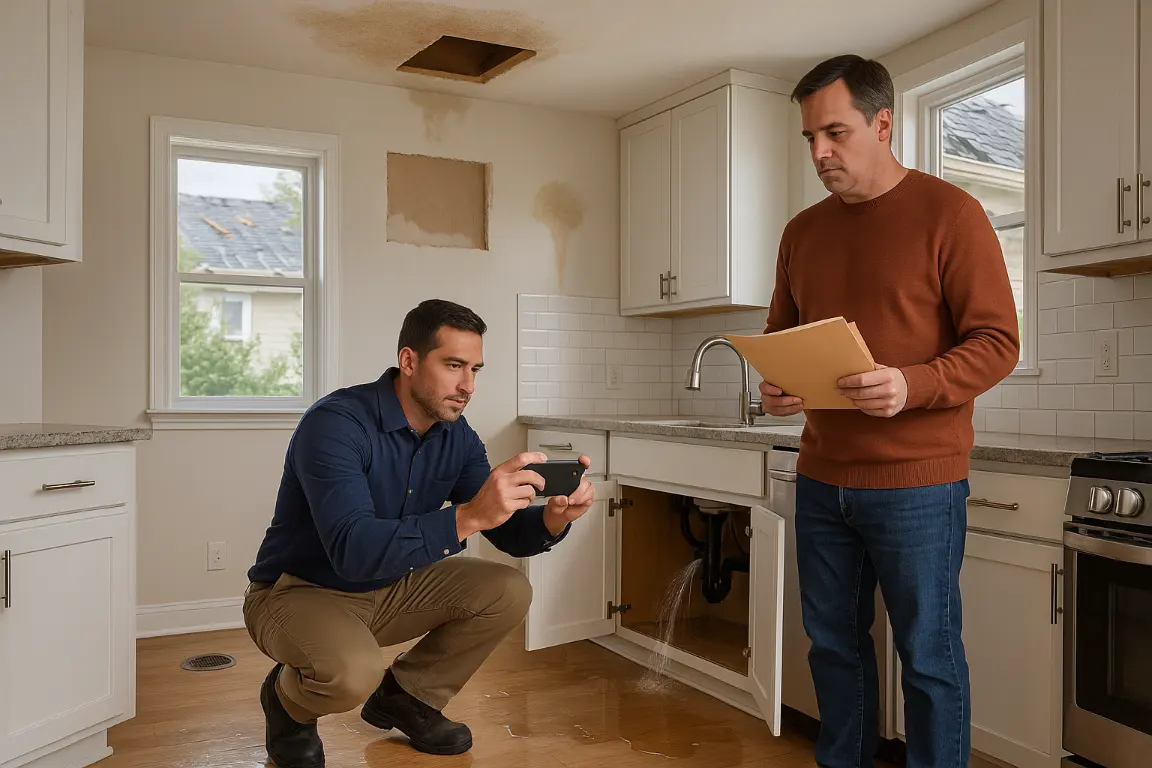
When water reaches a finished room, the source matters as much as the damage. A standard homeowner’s policy may offer limited protection for sudden plumbing failures, but water back-up from a drain, sewer or sump pump often requires a separate endorsement with its own limit. Groundwater seepage is different again: when moisture or water enters through foundation walls, floors or below-grade openings, the ground isn’t covered by most standard policies. Flood insurance addresses another specific risk, typically water from outside the home that inundates normally dry land. In practical terms, any water that flows across the ground from heavy rain, overflowing waterways or storm surge may be treated as a flood, not a backup claim. Review your policy before a storm, especially if you have a basement, and confirm the coverage, deductible and exclusions in writing. Knowing these distinctions helps you arrange the right protection, and make better decisions when restoration work is needed.
Property coverage may help pay for restoration when water damage comes from a sudden, accidental event, such as a burst supply line, overflowing appliance,ice dam leaking water backup, or storm-related opening in the home. In many homeowners insurance policies, damage coverage can include removing wet drywall, drying affected areas, and repairing finishes after a covered loss. Renters insurance typically protects personal belongings and may address certain interior damage, while the building owner’s policy handles the structure.
The source and timing of the leak damage matter. Gradual seepage, long-standing plumbing issues, neglected maintenance, and some backup events are often excluded or subject to separate endorsements. Mold damage may be covered when it directly results from a covered water event, but policies commonly set lower limits or require prompt mitigation. Document the damage, stop the water if it is safe to do so, and contact your insurer before major repairs. A detailed restoration assessment can clarify the work needed and support your claim.
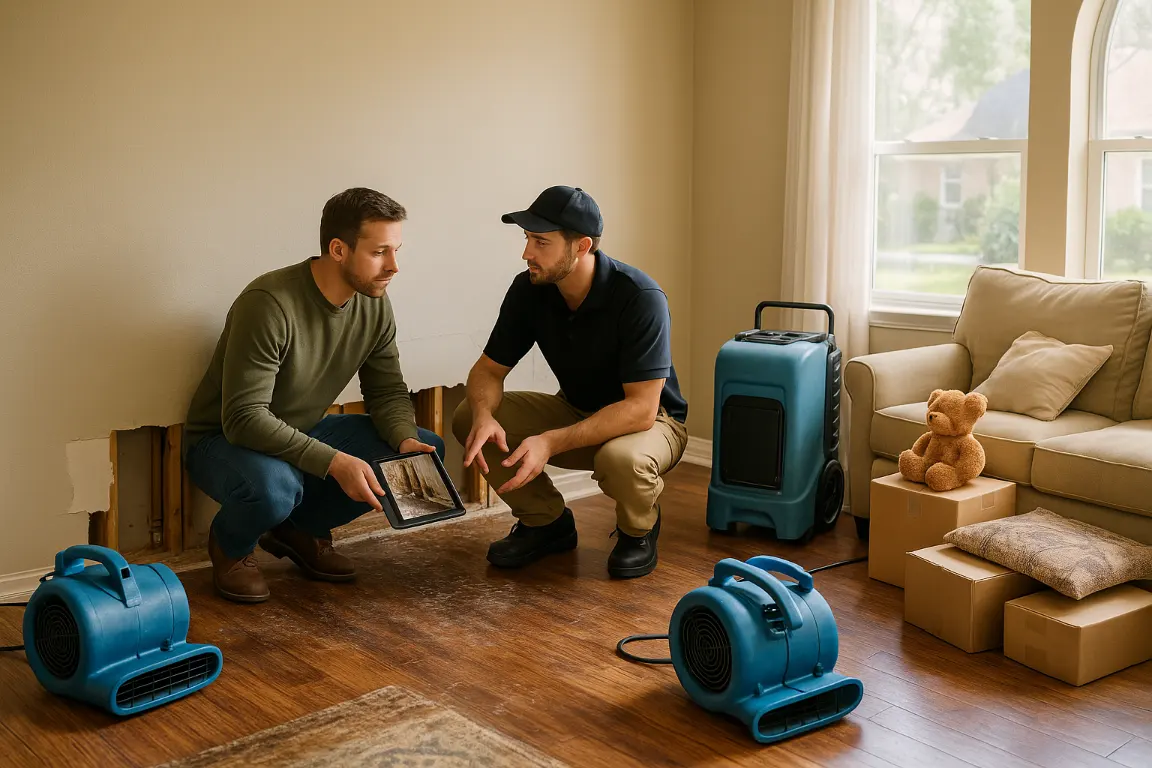
Act quickly, but do not rush past the basics. First, stop the water at the nearest shutoff valve or your home’s main supply, then move furnishings, rugs, and valuables away from the affected area. Photograph the water leak, damaged materials, and any visible source before cleaning begins; clear records can make filing insurance claims much easier. If water has reached drywall, ceilings, insulation, or flooring, contact a qualified restoration professional promptly. Hidden moisture can continue causing water damage long after surfaces feel dry. Use fans only when it is safe to do so, and avoid opening electrical panels or entering rooms with standing water near outlets. A professional assessment helps determine whether drying, cleaning, drywall repair, or material removal is needed. Prompt protection for your home also limits the chance of staining, mold growth, and more extensive repairs later.
A small, contained spill can often be handled with prompt cleaning, ventilation, and careful drying. The line changes when water has moved behind walls, under flooring, or into ceiling cavities, places where damage can continue out of sight. At MrWalls Drywall & Painting, we recommend professional restoration when materials are saturated, drywall is soft or stained, or there is any concern about mold. Mold damage is not simply a surface issue; it may point to moisture trapped within your home. The same is true of recurring leaks from leaking plumbing, which should be corrected before repairs begin. A qualified team can identify the moisture source, remove compromised materials where needed, and restore the affected area with repairs that look intentional rather than patched. Calling early can limit the scope of work, protect indoor air quality, and help preserve the finishes you value most.
Before scheduling drywall repair, popcorn ceiling removal, or water damage restoration, call your insurance agent with a clear description of the issue and photos if available. Ask whether your homeowners policy provides coverage for the cause of the damage, not just the visible repair. A sudden pipe leak, for example, may be treated differently from long-term moisture, wear, or deferred maintenance. Confirm your deductible, whether opening walls to locate a leak is included, and how coverage applies to matching paint, texture, or adjacent materials. It is also wise to ask whether filing claims could affect future premiums and whether the repair estimate should be submitted before work begins. Request a written explanation of any limits or exclusions, then compare it with your policy documents. If damage coverage is available, ask what documentation the insurer needs and whether you may choose your own contractor. A detailed quote from MrWalls Drywall & Painting can help you discuss the scope accurately.
Homeowners insurance may cover damage caused by a sudden and accidental pipe leak, such as a burst pipe or failed supply line. Coverage often applies to damaged drywall, flooring, ceilings, and belongings, but may not pay to replace the worn pipe itself. Deductibles and policy limits apply.
Slow leaks are often excluded when they result from wear, deterioration, deferred maintenance, or a problem that developed over time. Insurers may review staining, visible warning signs, and how long moisture was present before deciding whether the damage qualifies for coverage.
A sudden leak from a washing machine hose, dishwasher, refrigerator line, or water heater may be covered if it causes accidental interior damage. The policy may cover resulting repairs, while coverage for repairing or replacing the failed appliance can be limited.
Coverage may apply when a storm suddenly damages the roof and allows water inside. Leaks caused by aging shingles, poor maintenance, deterioration, or long-term roof issues are commonly excluded. Document the roof damage and interior water damage before repairs begin.
Sewer, drain, and sump pump backup are commonly excluded from standard homeowners policies unless you add a water backup endorsement. This optional coverage usually has its own limit and deductible, so review the details with your insurer.
Standard homeowners insurance usually does not cover flooding or groundwater entering through a foundation. Flood insurance may cover water that inundates normally dry land from heavy rain, overflowing waterways, or storm surge. Groundwater seepage and flood losses are handled differently by policy type.
Stop the water source if it is safe, protect valuables, and photograph the source and all affected materials. Contact your insurer promptly and keep receipts for emergency mitigation. Professional drying and assessment can help prevent hidden moisture, mold growth, and additional drywall or ceiling damage.