Learn the first steps for documenting water damage, starting a claim, and planning repairs after mitigation. Coverage depends on your policy.
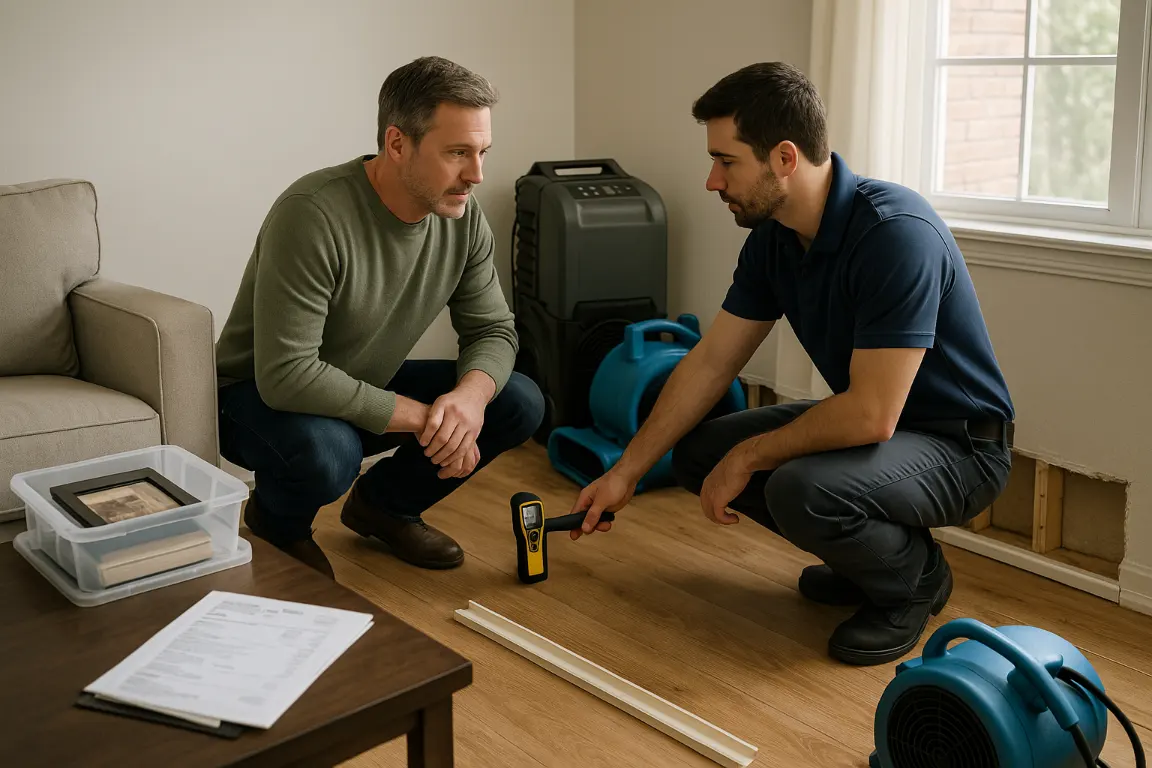
Knowing how to file a water damage insurance claim can make a leak, burst pipe, or flooded room feel more manageable. If it is safe, stop the water source and protect your home from further damage. Notify your insurer promptly, then document everything before major cleanup begins.
Your policy, the cause of the water damage, and the quality of your records can influence your claim. This guide gives homeowners a practical path through coverage checks, photos and inventories, working with a professional restoration contractor, and the essential steps that keep the claims process moving with confidence.
After water damage, act quickly and safely: stop the source, protect the home from further harm, document every affected area and item, and notify your insurer promptly. Review coverage, deductible, and claim requirements; save receipts and keep a timeline of communications. Allow necessary drying and mitigation, but preserve evidence for the adjuster. Compare repair estimates carefully and address hidden damage before restoring finishes.
When water damage affects your home, the first few hours matter. Knowing how to file a water damage insurance claim helps homeowners need a clear plan: protect the property, stop the source if it is safe, and document the damage. Give prompt notice, call your insurance agent, and report the damage before major repairs begin. You can also file your claim online, then file photos, videos, receipts, and a detailed document of affected items. Take reasonable steps for water mitigation and damage restoration, but speak with a professional before extensive remediation or restoration work, especially if mold is present. Your home insurance or homeowners insurance policy explains what is covered, what insurance coverage applies, and how a property claim or damage claim moves through the claims process. Keep records of every conversation, estimate, and repair decision. Make time for the insurance adjuster or adjuster to inspect the property. Clear records can help prevent disputes and support damage claims, claims, and questions about insurance, repairs, coverage, or how the insurance company will determine your claim.
First, stop the source of water if it is safe. For a plumbing leak, shut off the local supply valve or your home’s main water valve. For a roof leak or storm intrusion, move belongings away from the affected area. Place containers only when conditions permit. Never enter standing water near electrical outlets, appliances, or a compromised ceiling. Call a plumber, restoration professional, or emergency service when immediate expertise is needed.
Before extensive cleanup begins, document the damage carefully. Start with wide photos of each affected room. Then take close images of wet drywall, flooring, ceilings, furnishings, and visible contents. Record video if it helps show the full scope of the loss. Create a clear list of damaged items, including their age, approximate value, and any available receipts or serial numbers. Save invoices for emergency mitigation, plumbing work, dehumidifiers, temporary lodging, and other necessary expenses.
Then file the damage claim with your insurer or agent as soon as possible. Ask for a claim number, confirm the next steps, and record the name of every representative you speak with. Your insurer may send an adjuster and explain which work to authorize. Take reasonable steps to prevent further harm, but avoid discarding materials or completing major repairs before the damage is documented and the insurer has had an opportunity to inspect. MrWalls Drywall & Painting can help assess affected drywall and ceilings once the claim process is underway.

Before you authorize repairs or discard damaged materials, determine what your homeowners insurance actually covers. Coverage can depend on the source of the water, where the loss occurred, your maintenance history, and any policy endorsements. A sudden pipe break may be covered, while long-term seepage or mold may be limited. Review your policy and home insurance deductible before filing a claim. This helps you make each next step informed and deliberate.
After you stop the water source and take reasonable steps to protect the property, call your insurance agent right away. Prompt notice helps start the claims process and creates a clear record for your claim. You can also contact the insurance company directly, file your claim online, or ask for a claim number. Whether you have home insurance or homeowners insurance, knowing how to file a water damage insurance claim can make the next steps less stressful. Report the loss promptly, then file any requested information.
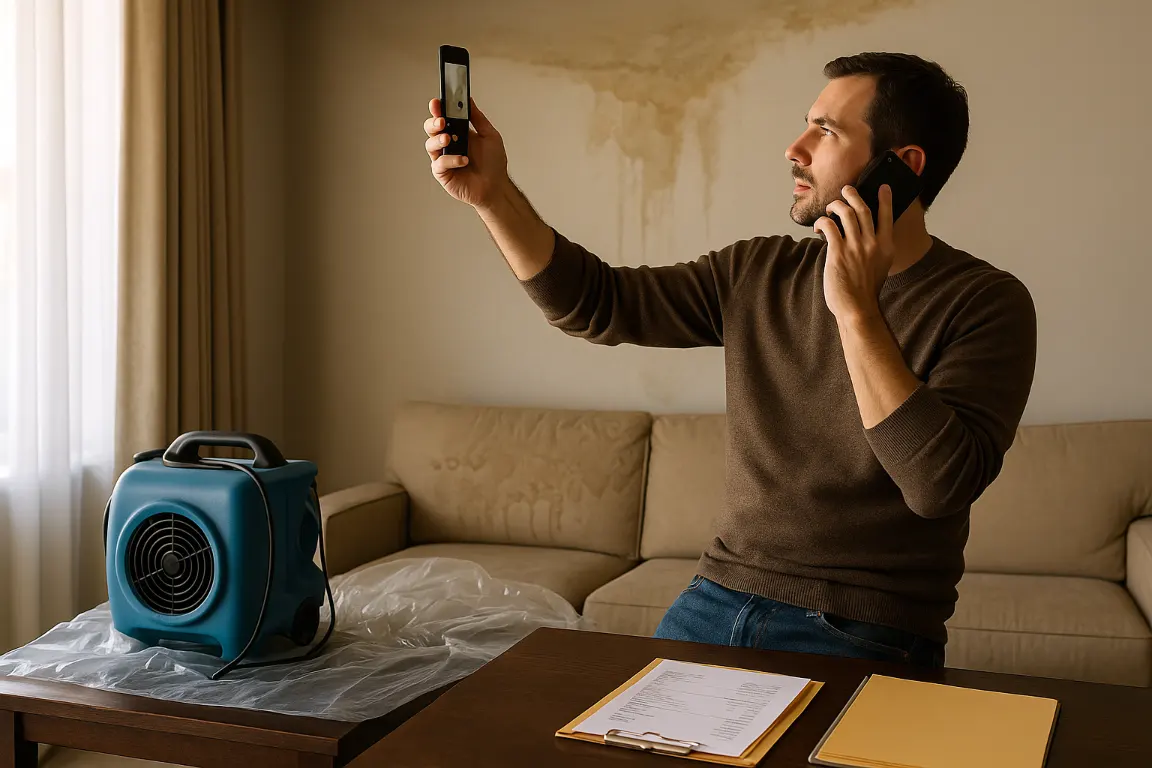
When discussing a damage claim, keep the details simple. Note when you found the problem, where the water came from, which rooms were affected, and what water mitigation was needed. Document the damage with dated photos and video before materials are removed, if it is safe. Save receipts for emergency plumbing, extraction, temporary protection, and other necessary services. Make a list of damaged items as well.
Your insurer may send an adjuster or insurance adjuster to review the property claim, determine whether the loss is covered, and explain your insurance coverage, policy, and deductible. Ask about approved repairs, remediation, restoration, damage restoration, and whether emergency work needs authorization. Do not delay drying while waiting for an inspection; preventing mold and further damage is important. This is what homeowners need to know to avoid unnecessary disputes during an insurance claim. MrWalls Drywall & Painting can provide professional documentation of visible drywall damage and practical recommendations for repairs once the affected areas are dry.
| Action | What to record or ask | Why it matters |
|---|---|---|
| Report the damage promptly | Call your insurance agent after stopping the water source and protecting the property. If unavailable, contact the insurer’s claims line and request a claim number. | Early notice starts the claims process and creates a clear record of when the loss was reported. |
| Provide factual claim details | State when you discovered the issue, where the water came from, which rooms were affected, and what immediate mitigation was needed. | Gives the insurer a clear description of the damage and initial response. |
| Photograph and record video of damage | Take dated photos and video before materials are removed, when it is safe to do so. | Documents visible conditions before cleanup or repairs change the affected areas. |
| Save emergency-service receipts | Keep receipts for emergency plumbing, water extraction, temporary protection, and other necessary services. | Preserves records of services used to address the water damage. |
| Ask about claim requirements | Ask the adjuster or insurer about documentation requirements, the deductible, approved repair procedures, and next steps. | Helps you understand the information and procedures requested for the property claim. |
| Confirm emergency-work authorization | Ask whether emergency work needs authorization before it is performed. | Clarifies insurer requirements for emergency services. |
| Continue drying and mitigation | Do not wait for an inspection to dry the affected areas and prevent additional damage. | Taking reasonable steps to protect the property is part of responsible ownership. |
Before removing wet materials, moving furniture, or starting repairs, document the damage carefully. A clear record strengthens your claim, gives restoration professionals a dependable starting point, and preserves details that may disappear once cleanup begins. Start with wide photos and video of each affected room. Then take close-ups of visible water damage, including stained ceilings, swollen baseboards, damaged drywall, warped flooring, peeling paint, and damp insulation. When it is safe, photograph the apparent source of the water, whether it is a supply line, roof leak, appliance, or overflow. This early report can help determine the right damage restoration, water mitigation, remediation, and repairs.
Photograph affected items in place before disposing of anything. Include furniture, rugs, electronics, cabinetry, artwork, clothing, and personal belongings. Create a simple written inventory for each item with its condition, approximate age, and estimated replacement cost when possible. Save receipts, serial numbers, purchase records, and photos showing the item before the loss. If you need emergency purchases, such as fans, dehumidifiers, tarps, or temporary lodging, keep those receipts too. These details can clarify what is covered under your policy and support a property claim or damage claim involving mold, damaged property, or other losses.
Contact your insurance company promptly, call your insurance agent, and record the claim number, adjuster’s name, insurance adjuster contact information, and date of every conversation. Prompt notice matters throughout the claims process, whether you file your claim online or speak directly with your carrier. Ask what documentation is required before authorizing major cleanup or demolition. Review your home insurance or homeowners insurance policy to understand insurance coverage, coverage limits, and potential disputes. Emergency mitigation may be needed to stop further damage, but avoid discarding materials until they have been photographed and your insurance company has advised you. Then file any required report and then file supporting records for your insurance claim. For homeowners need guidance on how to file a water damage insurance claim, a qualified professional can help prepare clear documentation for damage claims. MrWalls Drywall & Painting can identify damaged drywall and ceiling materials, prepare a clear repair scope, and restore finished surfaces after the affected area has been properly dried and addressed.
When water enters your home, protect people first and limit further damage to the property. If water is near outlets, appliances, electrical panels, or ceiling fixtures, stay clear. Shut off power only when it is safe to do so. Stop the source whenever possible: close the main water valve after a plumbing failure, place a container beneath an active drip, and move dry items away from the affected area. Never enter standing water when electrical hazards or contamination may be present.
Effective water mitigation involves more than removing visible water. Drywall, insulation, flooring, trim, and cabinetry can retain moisture long after a room looks dry. Prompt extraction, controlled drying, and measured moisture checks can help prevent warped finishes, compromised wall systems, and mold behind surfaces. Photograph affected areas, document damaged belongings, and keep receipts for emergency expenses to support a future claim.
For a small clean-water spill addressed right away, towels, fans, and ventilation may be enough. Larger leaks, saturated ceilings, sewage backups, stormwater, or water damage left for more than a day require professional remediation. A qualified damage restoration team can find hidden moisture, safely remove unsalvageable materials, and document drying before repairs begin. If you expect to use homeowners insurance or home insurance, call your insurance agent and provide prompt notice. Review your policy to determine what is covered, what insurance coverage may apply, and how the insurance company manages the claims process. An insurance adjuster or adjuster may inspect the property, review your report, and assess a damage claim, property claim, insurance claim, or other damage claims. For guidance on how to file a water damage insurance claim, ask whether you can file your claim online, then file requested forms, keep records for your claim and claims, and address coverage disputes promptly. These are the practical steps homeowners need to protect their insurance coverage and move forward with confidence.
MrWalls Drywall & Painting helps homeowners move from the emergency phase into thoughtful restoration, including drywall repair and finish work once the area is fully dry. The goal is not simply to conceal the evidence of water damage, but to restore the affected space with sound materials, clean lines, and confidence in what is behind the walls.
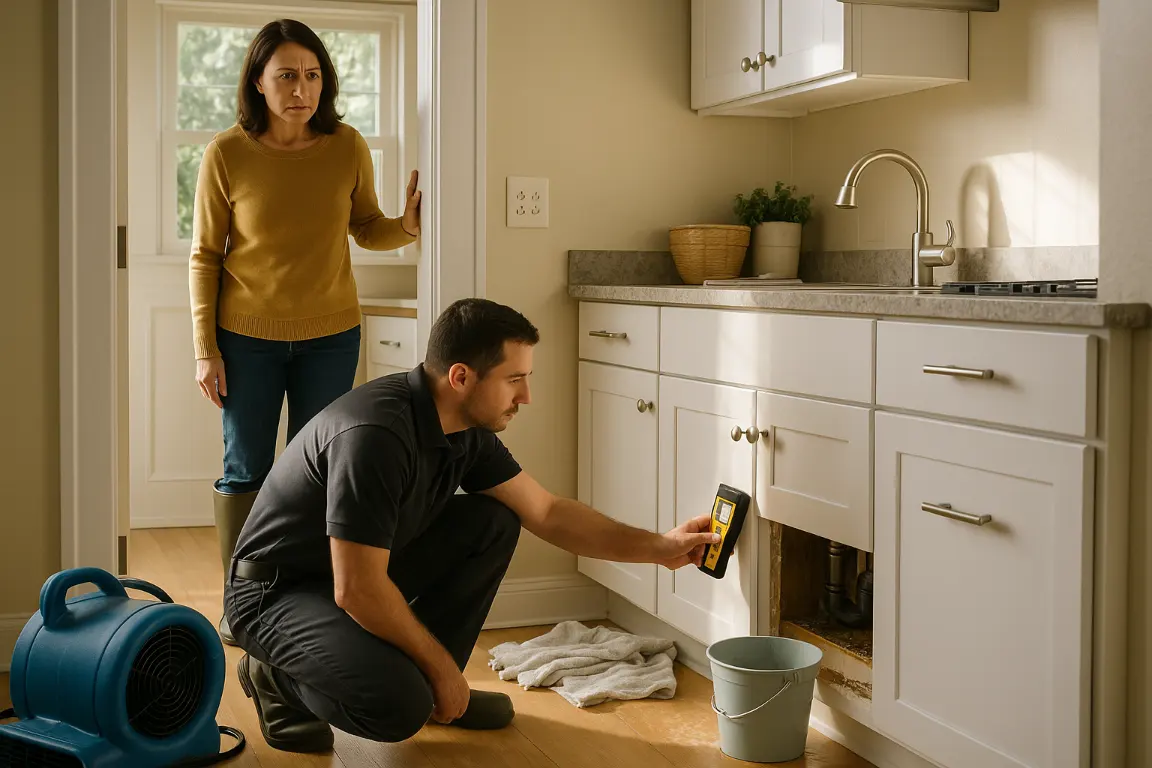
Once the water source is controlled and the area is safe, prepare for a clear, productive inspection. Good documentation helps the insurance adjuster understand the full scope of the damage and supports your claim. The aim is simple: provide a credible record of what happened, what was affected, and what repairs may be needed to restore the property to its pre-loss condition.
Before the adjuster arrives, document the property thoroughly. Take dated photos and video of wet drywall, stained ceilings, damaged baseboards, flooring transitions, insulation, personal belongings, and other visible signs of water damage. Begin with wide shots that show each room in context. Then take close-ups of bubbling paint, swollen materials, softened gypsum board, and discoloration. If the leak came from a pipe, appliance, roof, or neighboring unit, photograph that source as well when possible.
Keep a brief written timeline. Note when you discovered the issue, when the water was stopped, who you contacted, and what emergency mitigation was performed. Save invoices, drying-equipment records, plumbing reports, contractor estimates, and receipts for reasonable protective measures. Do not discard damaged materials until your insurance company confirms they are no longer needed. The adjuster may want to inspect them.
During the visit, walk through every affected area together. Point out concerns that may be easy to miss, including dampness behind walls or above ceilings. Ask how to submit additional documentation and whether supplemental damage can be added if it becomes apparent during repairs. MrWalls Drywall & Painting can provide detailed observations and repair estimates for drywall, ceiling, and finish restoration, giving your claim file a practical, well-defined picture of the work ahead.
An insurance estimate may look straightforward until you compare it with the work your home actually needs. Start with the basics: affected rooms, listed materials, demolition, drying, drywall replacement, texture matching, painting and finish work. A line item may cover only part of the visible damage, especially when water has traveled behind walls, above ceilings or beneath flooring. Keep photographs, moisture documentation, invoices and written notes organized throughout the claims process.
Your deductible is the amount you pay before insurance contributes to covered repairs. It is not usually an additional contractor charge. It is your share of a covered damage claim under the policy. For example, if approved work totals $12,000 and your deductible is $2,000, the insurance payment may be $10,000. Also review whether prior payments for emergency mitigation or temporary protection are included in that total, as they may affect the funds remaining for reconstruction.
Review depreciation, too. It may be listed as recoverable depreciation or withheld depreciation. Some policies release those funds only after repairs are complete and final documentation is submitted. Ask the insurance company what it requires, when materials are due and whether supplements are available when concealed damage or necessary work was omitted from the first estimate. A reputable restoration contractor can provide a clear repair scope and explain site conditions in practical terms, but your insurer will determine coverage. MrWalls Drywall & Painting helps homeowners understand the construction side of the claims process, compare the approved scope with conditions on site, and plan quality repairs that restore the room rather than simply covering evidence of water damage.
Water damage can make every decision feel urgent, but restoration and repairs serve different purposes. Before hiring a contractor, ask for a written scope that separates immediate damage restoration from the work needed to return your property to its finished condition. A professional restoration scope should identify the source of moisture, stop further intrusion, extract water, dry affected materials, document moisture readings, remove unsalvageable items, clean the area, and reduce mold risk. Repairs begin once the area is dry and stable. They may include drywall replacement, taping, texture matching, popcorn ceiling removal, priming, and painting.
This distinction matters when comparing estimates. One proposal may cost less because it covers drying equipment only. Another may include demolition, drywall repairs, and repainting. Neither is automatically the better value. The right choice clearly defines what is included, what is excluded, and who is responsible for each phase. At MrWalls Drywall & Painting, we believe homeowners deserve a clear understanding of where restoration ends and finish repairs begin before work starts.
If you plan to file an insurance claim, retain photos, invoices, moisture documentation, and the contractor’s itemized scope. For guidance on how to file a water damage insurance claim, call your insurance agent promptly, provide prompt notice, report the damage, and then file your claim online if your insurance company offers that option. Your insurance adjuster may determine whether water mitigation, remediation, emergency work, and permanent repairs are covered under your home insurance or homeowners insurance policy. Clear records can support a property claim or damage claim, clarify insurance coverage and coverage limits, and help prevent avoidable disputes during the claims process. Ask whether the estimate accounts for matching existing wall texture, ceiling finishes, trim, and paint sheen, not simply closing the opening. A well-defined plan helps homeowners need fewer surprises, protects the condition of your property, and supports a realistic timeline and intentional final result.
A low settlement or denial may not reflect the full scope of water damage. An initial estimate can miss moisture behind drywall, compromised insulation, damaged ceiling texture, mold, or the repairs needed to return a room to its pre-loss condition. Ask the insurance company for its decision in writing, including the estimate, the policy language used to determine coverage, and a clear report explaining every exclusion or reduction. This gives you a defined record instead of broad or inconclusive conversations.
For guidance on how to file a water damage insurance claim, give prompt notice, stop the source when it is safe to do so, and then file your insurance claim. You may call your insurance agent or file your claim online, depending on your home insurance or homeowners insurance policy. What homeowners need most is a clear understanding of the claims process, what is covered, and how the insurance adjuster will review the property claim.
Compare the insurer’s estimate with detailed documentation from damage restoration, water mitigation, remediation, or restoration work. Photos, moisture readings, itemized invoices, and notes can document concealed damage found during demolition. These items can support damage claims or a damage claim when conditions were not visible during the original inspection. Keep a dated record of calls, emails, adjuster visits, and every document submitted with the claim.
If you believe the estimate is incomplete, request a reinspection and identify the line items in question: drywall replacement, texture matching, painting, baseboards, insulation, or necessary access work. Be factual and direct. Explain what the estimate omits, provide supporting evidence, and ask how the insurer will address it under your insurance coverage. Many disputes move forward more productively when a professional request is organized around the actual repair scope. MrWalls Drywall & Painting can provide clear, itemized repair information for affected walls and ceilings, helping homeowners understand the work required after a leak or flood. While we do not interpret policies or decide claims, thorough repair documentation can help you communicate the condition of the property and pursue a fair review.
Protect people first, then stop the water source if it is safe. Avoid standing water near electricity or a sagging ceiling. Take photos and video, move dry belongings away from the area, and arrange emergency plumbing or water mitigation when needed.
Report the damage to your insurance agent or carrier as soon as practical after taking emergency steps. Prompt notice starts the claim process, provides a claim number, and lets you ask about inspections, documentation, deductible, and authorization for emergency work.
Provide dated wide and close-up photos, video, a list of affected belongings, receipts, plumbing reports, mitigation invoices, and a timeline of events. Record the source of the water when possible and keep notes with the claim number, adjuster name, and dates of conversations.
Do not delay reasonable drying and protective measures, since preventing additional damage is important. Document conditions before cleanup, save damaged materials when possible, and avoid major demolition or permanent repairs until the insurer has had an opportunity to inspect or provide direction.
Coverage depends on the policy, cause of loss, endorsements, and maintenance history. Sudden and accidental pipe breaks may be covered, while gradual leaks, long-term seepage, mold limitations, and flooding often have different coverage rules. Review your policy and ask your carrier directly.
Your deductible is generally the amount you are responsible for before insurance pays covered repair costs. If approved repairs total $12,000 and the deductible is $2,000, the insurer may pay $10,000, subject to policy terms and any depreciation or prior mitigation payments.
Wet drywall may need removal when it is softened, swollen, contaminated, mold-affected, or unable to dry fully. A restoration professional can check for hidden moisture in walls and ceilings before drywall repair, texture matching, and painting begin.