Learn how to estimate sump pump capacity using water inflow, vertical lift, and discharge conditions, and when to call for an on-site assessment.
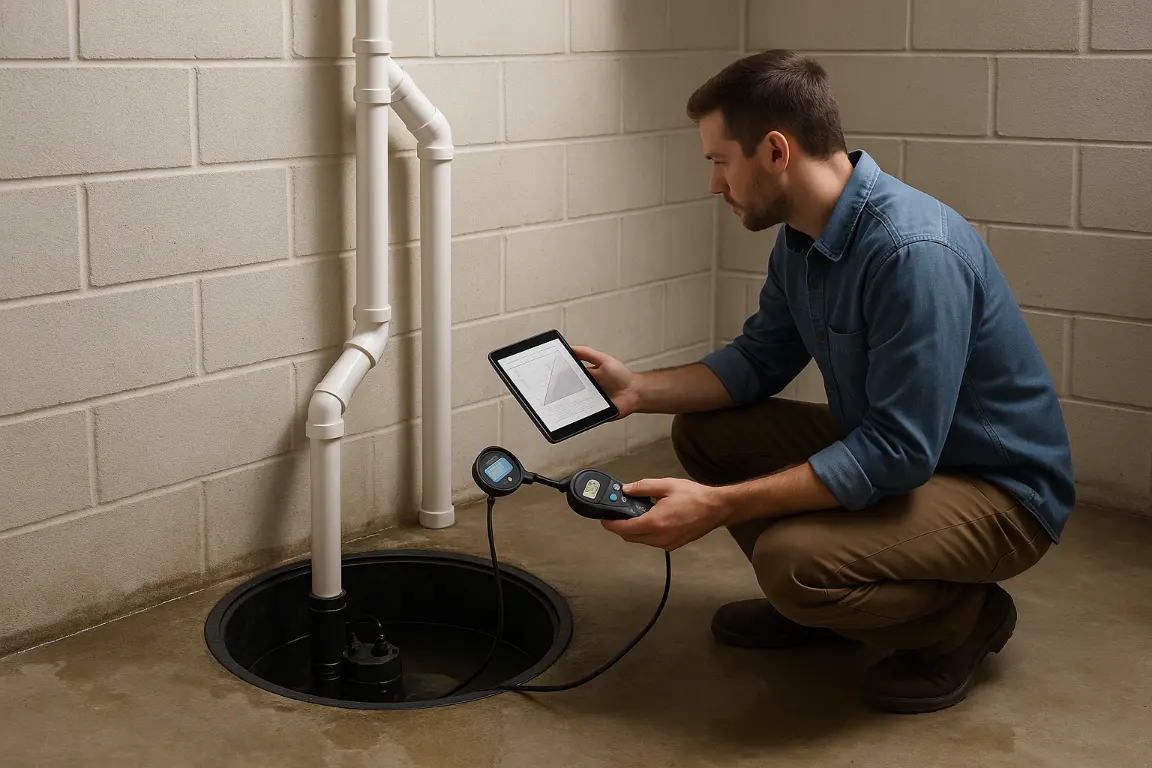
Proper sump pump sizing keeps your basement protected when heavy rain, snowmelt, or a high water table puts pressure on your foundation. The right pump depends on how quickly water enters the pit, how far it must travel, and the resistance in your discharge line, not simply horsepower.
Choose a sump pump by evaluating your pit size, water inflow, vertical lift, pipe length, and fittings, not horsepower alone. Use manufacturer performance curves to confirm capacity at your system’s actual head height, and avoid pumps that are too small or prone to short-cycling. Match submersible or pedestal models to your space, then ensure proper pit, check valve, and discharge installation for dependable protection.
Proper sump pump sizing begins with the realities below your floor: the pit, incoming water volume, discharge path, and your home’s drainage conditions. An appropriate pump size protects without overspending on an oversized pump system.
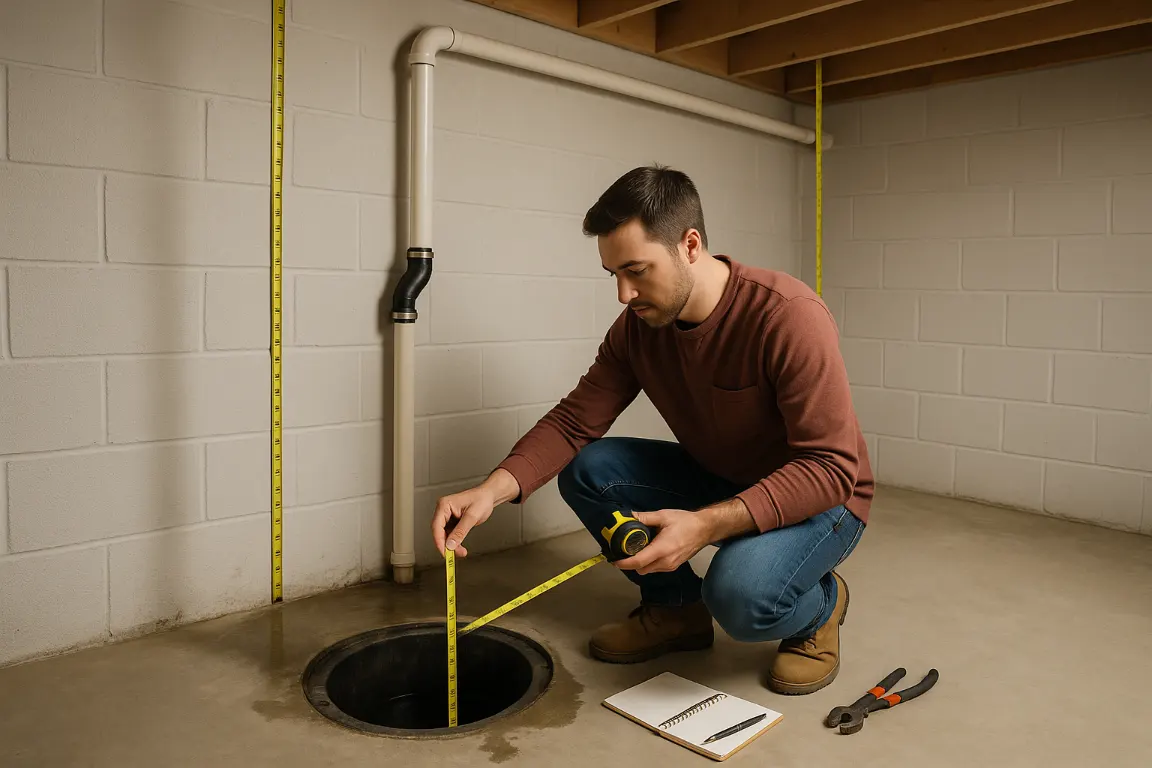
Before determining capacity or horsepower, inspect the sump pit itself. Measure its diameter and depth, and note how quickly water enters during heavy rain or when the drain tile is active. A pit that is too small can cause frequent cycling, while a correctly sized basin gives the sump pump room to operate efficiently and reduces wear on the float switch.
Then trace the full discharge route from the pit to its outlet. Measure the vertical lift from the sump waterline to the highest point of the pipe, plus the horizontal run and any elbows, check valves, or narrow fittings. These details affect the pump’s actual output. For installation, the best pump sizing is based on the system’s total resistance, not simply the largest sump pumps on the shelf.
Before selecting equipment, determine how quickly water is actually entering the space. Measure the water level over a set period, note the footprint of the affected area, and account for whether the source is a steady seep, a broken line, storm runoff, or groundwater pressure. Those details indicate the gallons per minute a removal setup must handle, not just the amount of water visible on the floor. Pump sizing based on a realistic inflow estimate gives the equipment enough capacity to lower the water level while allowing a margin for surges. In larger or repeatedly flooded areas, two pumps or a backup unit may be more dependable than one oversized machine. The discharge route matters as well: a long hose run, vertical lift, or restricted drain can reduce real-world performance. MrWalls Drywall & Painting recommends having a professional assess the source and the condition of affected drywall, insulation, and surrounding systems before restoration begins.
| Detail to record | How to measure or identify it | Why it affects equipment sizing |
|---|---|---|
| Water-level change over time | Measure the water level over a set period. | Helps determine how quickly water is entering the space. |
| Affected-area footprint | Note the size and extent of the area containing water. | Provides context for the volume of water involved, beyond what is visible on the floor. |
| Water source | Identify whether the water comes from a steady seep, broken line, storm runoff, or groundwater pressure. | Different sources can produce different inflow patterns and surge conditions. |
| Estimated inflow rate | Use water-level measurements, area footprint, and source details to estimate gallons per minute. | The removal setup must handle incoming water while lowering the existing water level. |
| Surge potential | Consider whether inflow may increase beyond the observed rate. | Equipment needs a capacity margin for surges. |
| Flooding frequency and area size | Identify whether the area is large or has flooded repeatedly. | Two pumps or a backup unit may be more dependable than one oversized machine. |
| Discharge route | Assess hose length, vertical lift, and any restricted drains. | These conditions can reduce real-world pump performance. |
A sump pump must move water up and out, not simply switch on. During installation, account for vertical lift, discharge distance, bends, and a properly placed check valve so the pump system performs reliably.
Horsepower is an easy number to compare, but it does not tell you how much water a pump can deliver once it is working against your home’s actual discharge path. Pump sizing should begin with the manufacturer’s performance curve, which shows gallons per hour at varying head heights. A primary pump may move impressive volume at a five-foot lift, then deliver far less when water must travel vertically from a deep basement and through a long exterior run.
To select the appropriate pump size, total the vertical rise and consider friction from narrow pipe, elbows, and fittings. Larger pumps are not automatically better; an oversized unit can short-cycle, while an undersized one may fall behind during a hard storm. The goal is a dependable match among the basin, plumbing layout, and expected groundwater load.
The right pump type depends on your sump pit, typical water volume, available space, and cost. Submersible pumps and pedestal pumps each offer practical advantages when matched to the conditions beneath your home.
Your primary pump should be selected for the heaviest conditions your basement is likely to face, not simply for ordinary rainfall. A submersible model sits inside the basin, runs quietly, and is often the best fit for finished basements or tight utility areas. Because its motor is enclosed, it also tends to offer a cleaner, less obtrusive installation.
Pedestal sump pumps place the motor above the pit, making them easier to inspect and service. They can be a sensible choice where the basin is narrow or where homeowners want straightforward access to the switch and motor. The best pump system has enough capacity to keep pace with groundwater during a sustained storm, with a properly sized discharge line carrying water safely away from the home. MrWalls Drywall & Painting regularly sees the costly interior damage that follows when this basic protection falls behind.
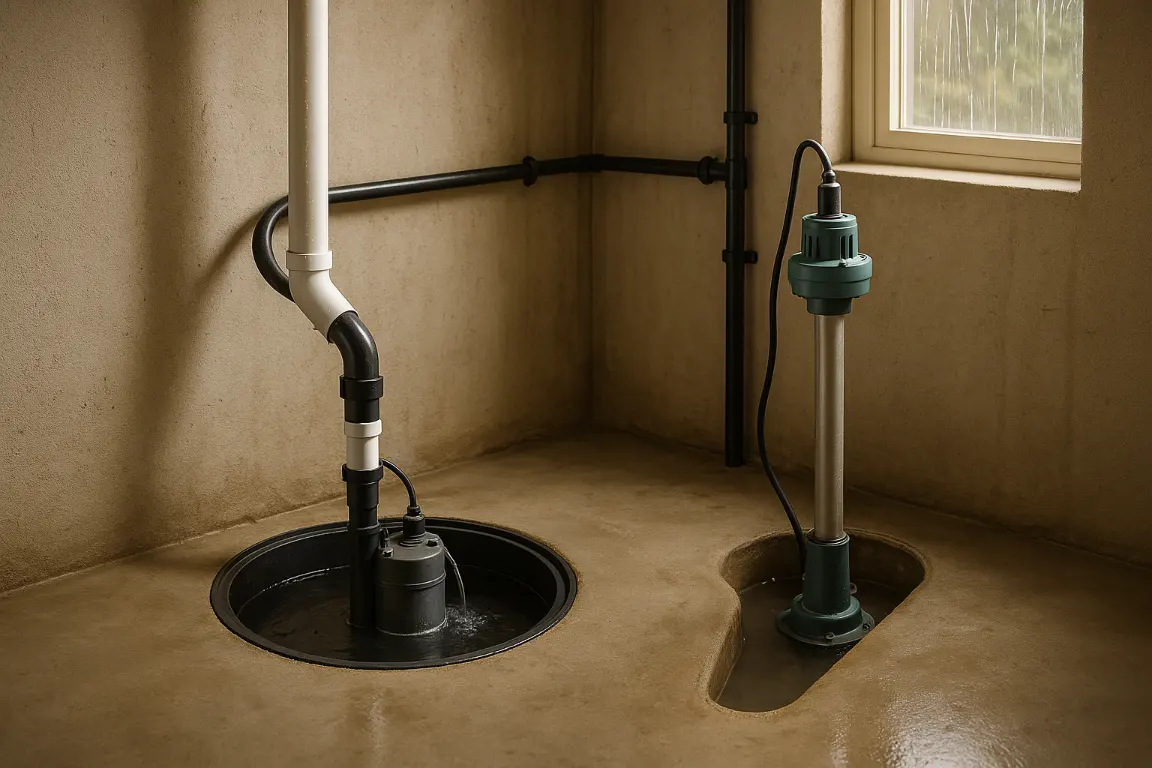
A dependable sump system does more than remove water when a storm arrives, it directs it safely away from the foundation before moisture can compromise finished walls, flooring, or stored belongings. The sump pit should be sized and positioned to collect groundwater efficiently, with a secure lid that keeps debris out and helps limit humidity in the lower level. From there, proper installation of the pump, piping, and check valve matters just as much as the equipment itself. A correctly placed check valve prevents discharged water from running back into the pit after each pump cycle, reducing unnecessary wear and short cycling. The discharge line should carry water well away from the home, avoid areas that may freeze or drain back toward the foundation, and comply with local requirements. For older homes or recurring water issues, professional inspection can identify undersized components, poor grading, or discharge problems that basic maintenance may miss. Reliable systems protect the structure, and help prevent the repairs that follow preventable water damage.
A primary pump is the workhorse of a basement drainage setup, but it cannot solve every failure scenario. During a severe storm, heavy groundwater may exceed its capacity; a clogged discharge line, failed switch, or power outage can stop the pump system at exactly the wrong time. That is when backup pumps earn their place. A secondary unit can engage when water rises above the primary pump’s normal operating level, providing a crucial extra layer of protection for finished basements, drywall, flooring, and stored belongings. A battery backup is especially valuable in neighborhoods where storms regularly interrupt power, allowing the backup to keep moving water even when the main electrical supply is down. The right battery capacity depends on how often the pump cycles, the volume of incoming water, and the expected outage length. Rather than choosing from generic packages, homeowners should assess the pit size, discharge route, local drainage conditions, and maintenance needs. A well-matched backup arrangement will not prevent every flood, but it can substantially reduce the risk of water damage that leads to costly restoration and drywall repair.
A sump pump should operate quietly in the background, but changes in your basement or crawl space often signal that it is time for a closer look. Persistent dampness, a musty odor, peeling paint, stained drywall, or water collecting near the sump are all reasons to schedule professional services before a small moisture issue becomes a larger repair. If the pump runs constantly, cycles on and off without clearing water, makes unusual noises, or fails during a storm, do not wait for the next heavy rainfall.
Sump pump sizing is especially important when a home has been finished, renovated, or affected by repeated water intrusion. A unit that is too small may not keep pace with groundwater; one that is improperly installed can leave vulnerable areas exposed. An on-site assessment allows a professional to inspect the sump, drainage conditions, discharge line, and signs of hidden water damage. MrWalls Drywall & Painting can help identify affected wall and ceiling materials once the moisture source is addressed, so your home can be restored with lasting results.
Choose a sump pump based on peak water inflow, the pit size, and the total head height of the discharge route. Compare the pump’s manufacturer performance curve at your actual lift and pipe resistance rather than choosing by horsepower alone.
Measure the vertical distance from the water level in the sump pit to the highest point of the discharge pipe. Also account for resistance from long horizontal runs, elbows, narrow pipe, fittings, and the check valve.
A 1/3 HP pump may suit moderate groundwater conditions and a short discharge path. A 1/2 HP pump can provide more capacity for greater inflow or higher head height. The best choice depends on gallons per minute needed at the system’s actual operating conditions.
Submersible pumps are quiet, compact, and commonly preferred for finished basements. Pedestal pumps keep the motor above the basin, making service access easier and helping them fit narrow pits. Either can work well when properly matched to the pit and drainage demands.
Frequent cycling may result from a small sump pit, a poorly adjusted float switch, a failed check valve, heavy groundwater inflow, or water draining back into the basin. Inspect the discharge setup and have recurring issues evaluated before water damage develops.
A backup pump is valuable in homes with recurring flooding, high groundwater, finished basements, or frequent power outages. A battery-powered backup can continue removing water when the primary pump fails or electricity is unavailable.
The discharge line should release water far enough from the foundation that it cannot flow back toward the home. Avoid routes that freeze, create drainage problems, or violate local requirements. Proper grading and an adequately sized pipe support reliable drainage.