Learn the common causes of water damage in Western Mass homes, early warning signs to watch for, and practical next steps for homeowners. Written by a Water Damage Restoration Professional with 25 years of experience.
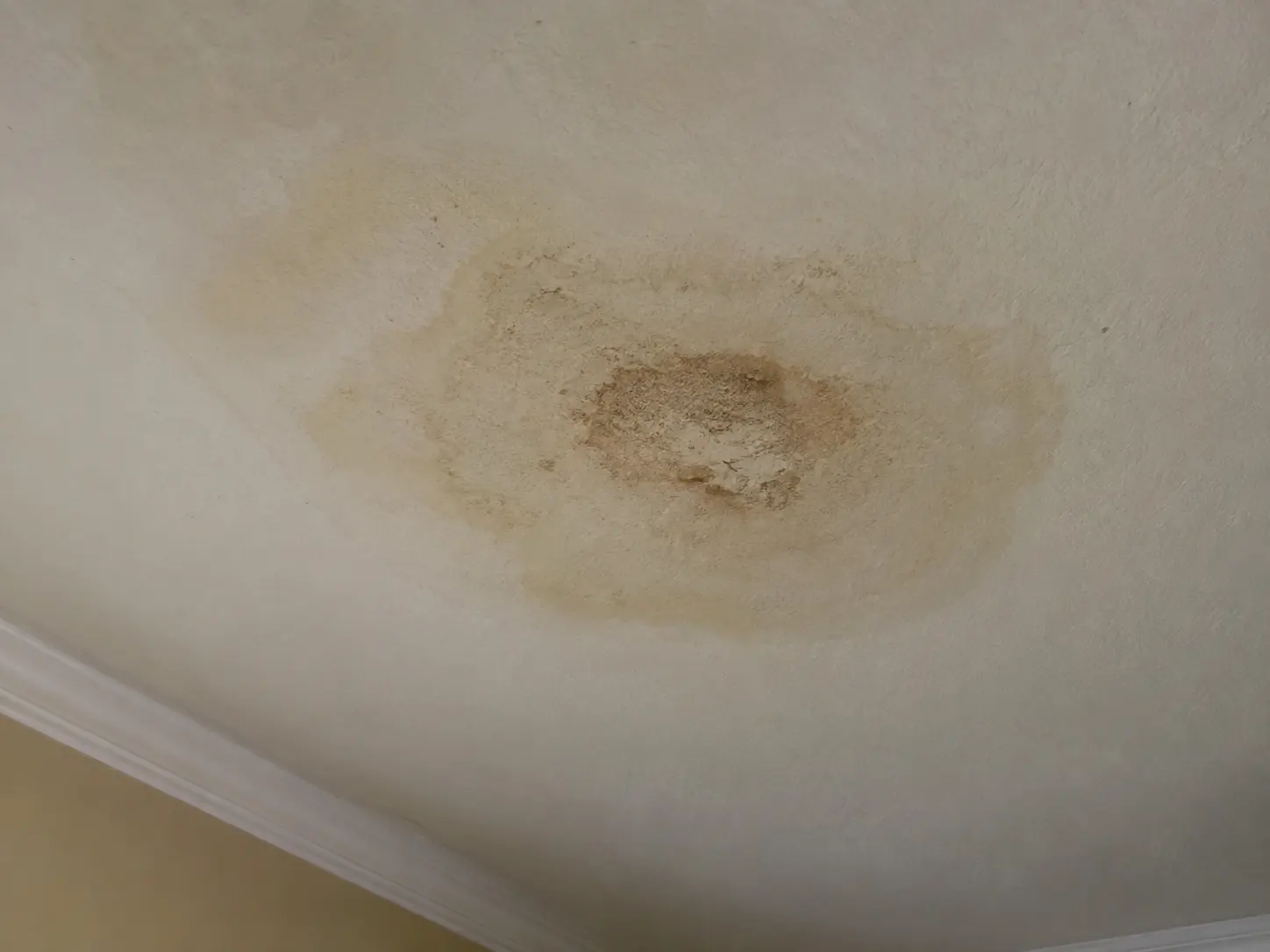
Understanding the most common causes of water damage in Chicopee MA can help homeowners spot trouble before a small leak becomes a major repair. From aging plumbing and burst pipes to heavy rain, roof leaks, and wet basements, local homes face several familiar risks.
Water damage in Chicopee homes often starts with leaking pipes, clogged gutters, roof leaks, appliance failures, ice dams, or basement water after heavy rain and snowmelt. Watch for damp spots, peeling paint, musty odors, and mold, which can indicate hidden moisture. Act quickly to stop the source, protect belongings, document damage, and thoroughly dry affected areas to limit costly repairs.
Water damage can quickly turn from a small concern into a costly repair for Chicopee properties. Understanding the most common causes of water damage in Chicopee MA can help homeowners spot trouble early and reduce the risk of mold, peeling paint, damaged drywall, and other issues.
Clogged gutters are a frequent source of damage. During heavy rain, blocked gutters can allow water to pool near the foundation, where it may seep into walls or lower levels of the home. Leaking or burst pipes are another common cause, especially in older plumbing systems or where pressure and failed seals create hidden leaks behind walls.
Roof leaks can let rainwater enter ceilings and wall cavities as roofing materials age or become damaged. Appliances such as dishwashers and washing machines may also leak through worn fittings or seals, leaving water on floors or behind nearby walls.
In late winter, ice dams can create another risk. When snow melts during a warm spell, water may back up behind ice at the roof edge and work beneath shingles. Keeping gutters clear, checking plumbing and appliances, and removing roof-edge snow can help Chicopee homeowners catch water problems before they spread.
| Cause | Where Water Damage May Appear | Early Warning Sign | Preventive Check |
|---|---|---|---|
| Clogged gutters | Near the foundation, walls, or lower levels of the home | Water pooling near the foundation during heavy rain | Keep gutters clear |
| Leaking or burst pipes | Behind walls | Hidden leaks caused by pressure or failed seals | Check plumbing |
| Roof leaks | Ceilings and wall cavities | Rainwater entering through aging or damaged roofing materials | Check roofing materials for age or damage |
| Appliance leaks | Floors or behind nearby walls | Leaks from worn fittings or seals on dishwashers and washing machines | Check appliances and their fittings or seals |
| Ice dams | Beneath shingles at the roof edge | Water backing up behind ice after snow melts during a warm spell | Remove roof-edge snow |
Burst or leaking pipes are a common source of water damage in Chicopee homes. Excess pressure, poorly sealed connections, and aging pipes can all lead to a water leak that worsens over time or causes a pipe to burst. Some plumbing leaks are easy to spot, while a hidden leak behind a wall, beneath flooring, or near a water main may show up first as mold, dark spots, peeling paint, or damp materials. Early leak detection can help limit the spread of moisture and reduce the need for extensive repair and water damage restoration. If you notice signs of a leak, address the source promptly before the damage reaches surrounding walls, ceilings, or floors.
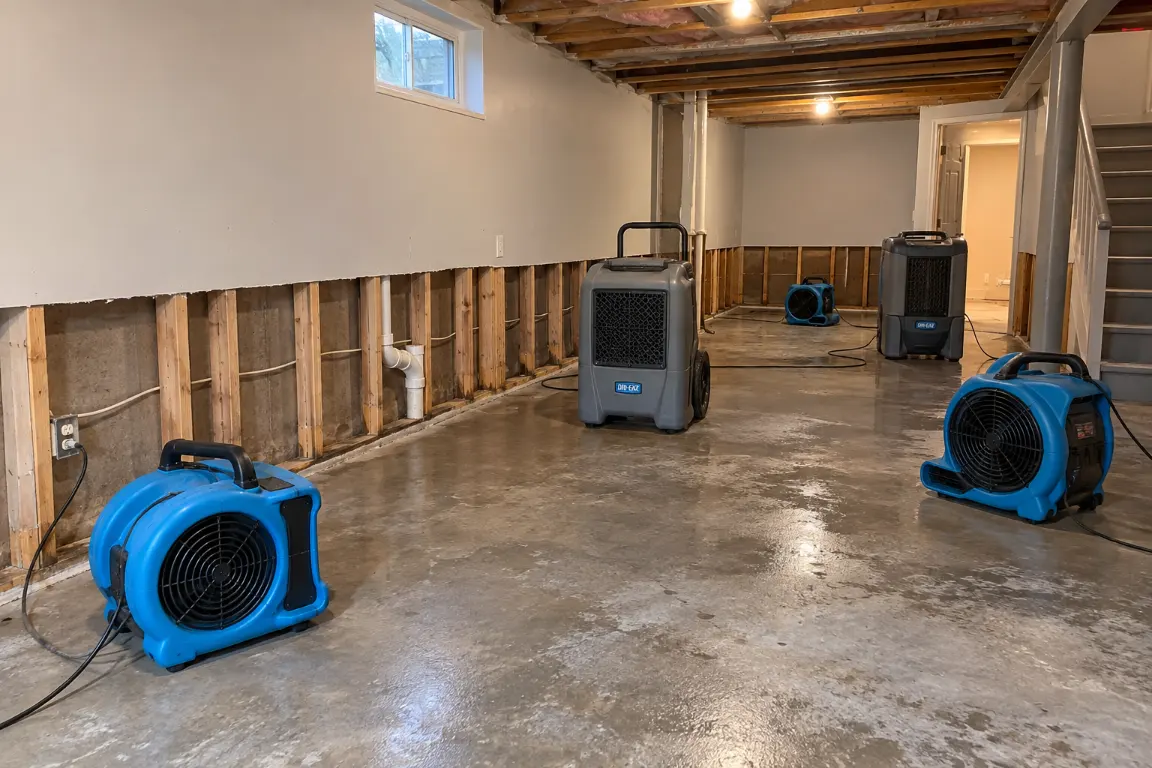
Severe weather in Chicopee, Massachusetts can expose small weaknesses around a home before they become obvious. Heavy rain, snowmelt, and ice dams may lead to storm damage when water works beneath roofing materials, through cracks near the foundation, or along exterior walls. A leaky roof can allow water intrusion into ceilings and wall cavities, while clogged gutters can direct runoff toward the home instead of away from it.
Basement water is another common concern after prolonged rain or rapid snowmelt. Water pooling near the foundation may seep into lower-level walls and floors, increasing the risk of flooding, peeling paint, and moisture-related damage. Ice dam backup can also send melted snow beneath shingles and into the home.
Prompt drying is important whenever water enters a property. Addressing the source, removing moisture, and beginning appropriate remediation early can help limit further damage. Mrwalls Drywall & Painting can help Chicopee homeowners assess visible water damage and restore affected drywall, ceilings, and painted surfaces after the area has been properly dried.
| Potential source | What homeowners may notice | Area to inspect |
|---|---|---|
| Heavy rain or snowmelt | Water pooling near the foundation, basement water, or flooding | Foundation area, lower-level walls, and floors |
| Leaky roof | Water intrusion into ceilings and wall cavities | Roofing materials, ceilings, and wall cavities |
| Clogged gutters | Runoff directed toward the home rather than away from it | Gutters and the ground near the foundation |
| Cracks near the foundation or along exterior walls | Water seeping into lower-level walls and floors | Foundation cracks and exterior walls |
| Ice dam backup | Melted snow entering beneath shingles and into the home | Roof shingles and interior areas below the roof |
Water damage in a Chicopee home can follow heavy rain, a plumbing failure, a sewer backup, or an appliance overflow. Clogged gutters may allow water to collect near the foundation, while aging or poorly sealed pipes can leak inside walls and ceilings. Roof leaks and ice dam backups can also let water enter after snowmelt or rain.
Act quickly when you notice standing water, dark spots, peeling paint, damp drywall, or musty odors. Start with safety: avoid electrical hazards, stop the water source if possible, and do not use affected fixtures until the cause is clear. Prompt cleanup can help limit damage to drywall, flooring, and belongings. Document visible damage with photos and keep records that may support insurance claims. For larger leaks, sewage-related water, or hidden moisture, professional assessment can help identify the source and determine what needs repair.
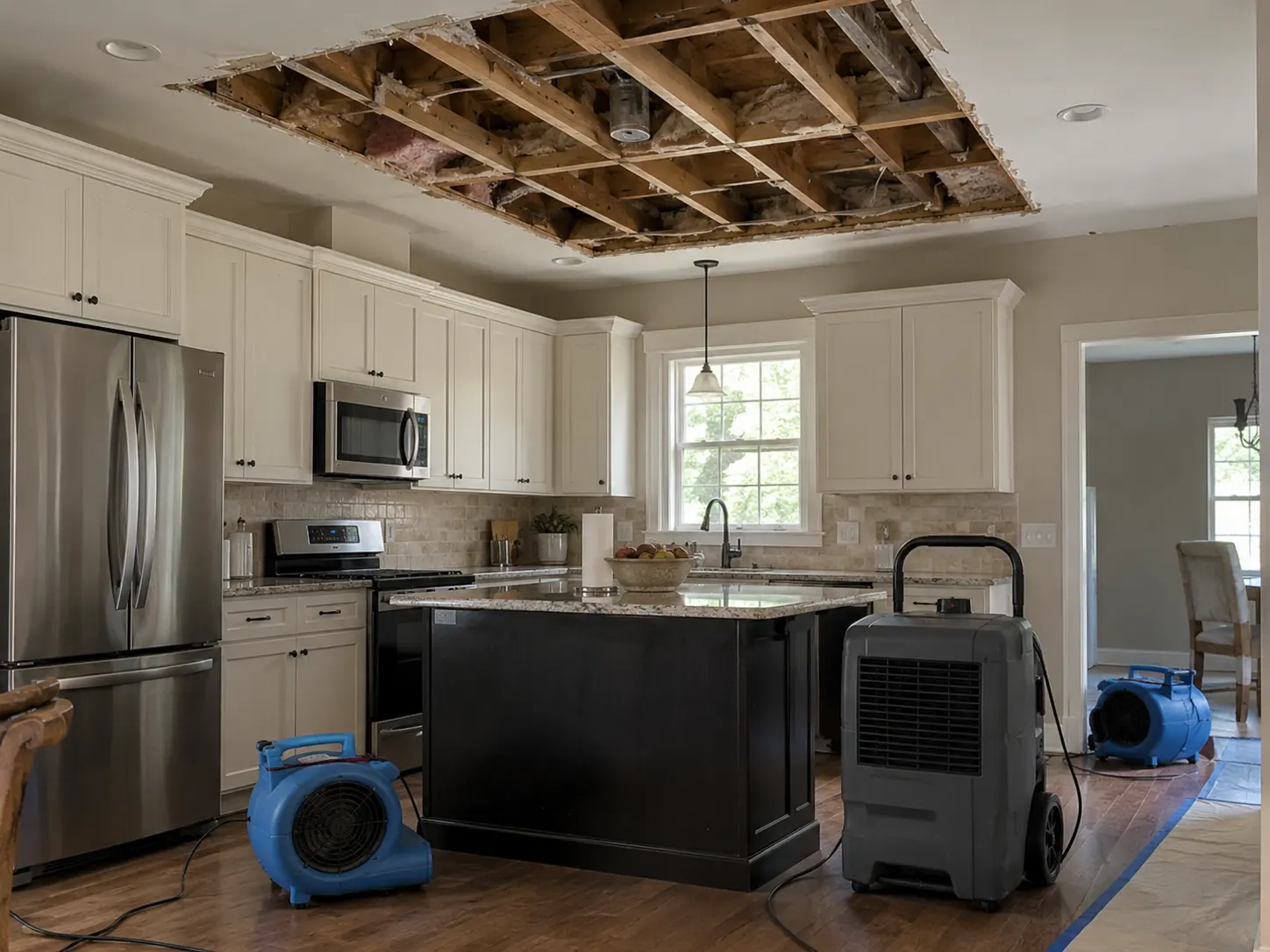
Hidden water damage can develop behind walls, beneath floors, or above ceilings long before it becomes obvious. In Chicopee homes, a hidden leak may come from aging pipes, a roof leak, clogged gutters, appliances, or water backing up behind an ice dam. Watch for dark spots, peeling paint, musty odors, unexplained dampness, or mold growth. These signs can point to water where it does not belong and may affect indoor air quality if left unaddressed.
Start by checking the areas around dishwashers, washing machines, ceilings, exterior walls, and plumbing fixtures. Keep gutters clear so rainwater drains away from the foundation, and inspect older pipes and appliance connections for signs of a leak. In winter, removing snow from the roof edge with a roof rake and using heat tape can help with ice-dam prevention. Acting quickly helps limit damage, protect your home’s finishes, and reduce the chance that a small water issue turns into a larger repair.
Act quickly after a leak, water intrusion, or overflow to limit damage and protect your home. First, prioritize safety: avoid standing water near electrical outlets, appliances, or your electrical panel, and shut off the water source if you can do so safely. Move belongings away from the affected area, then photograph visible damage for insurance documentation before beginning cleanup. Remove excess water where practical and start drying the space with ventilation and fans; damp drywall, flooring, and insulation can hold moisture out of sight. If water has entered walls or ceilings, the source is unknown, or the area cannot be thoroughly dried, professional water damage restoration may be needed. A careful assessment can determine whether cleanup, remediation, restoration, or repair is appropriate and help prevent lingering moisture from causing further damage. Mrwalls Drywall & Painting can help restore affected wall and ceiling surfaces once the area is dry and ready for repair.
Common causes include leaking or burst pipes, roof leaks, clogged gutters, appliance hose failures, basement seepage, fixture overflows, sewer backups, heavy rain, snowmelt, and ice dams. Water can also enter through foundation cracks or poorly sealed exterior areas.
Watch for dark or yellow stains, peeling paint, bubbling drywall, soft spots, musty odors, visible mold, warped trim, or unexplained dampness. A higher water bill may also point to a concealed plumbing leak.
Stop the water source and keep clear of water near outlets, appliances, or the electrical panel. Move belongings from the area, photograph the damage, remove excess water, and begin drying with ventilation and fans. Contact a qualified professional if water entered walls, ceilings, or flooring. Don't walk in a flooded basement because of electrical hazards.
Yes. When gutters or downspouts are blocked, rainwater can overflow and collect near the foundation. This increases the chance of water seeping into basement walls, floors, and lower-level spaces. Regular gutter cleaning helps direct runoff away from the home.
An ice dam forms when melting snow refreezes along the roof edge. Water can then back up behind the ice and work beneath shingles, entering ceilings and wall cavities. Clearing roof-edge snow carefully and addressing heat loss can help reduce this risk.
Drywall should be repaired only after the leak source has been corrected and the affected area is thoroughly dry. Wet or moisture-damaged drywall may need removal, especially if it has softened, crumbled, stained heavily, or developed mold. Once drying is complete, damaged walls and ceilings can be restored.