Learn how structural drying works, when wet drywall can be repaired, and when to call a qualified restoration professional.
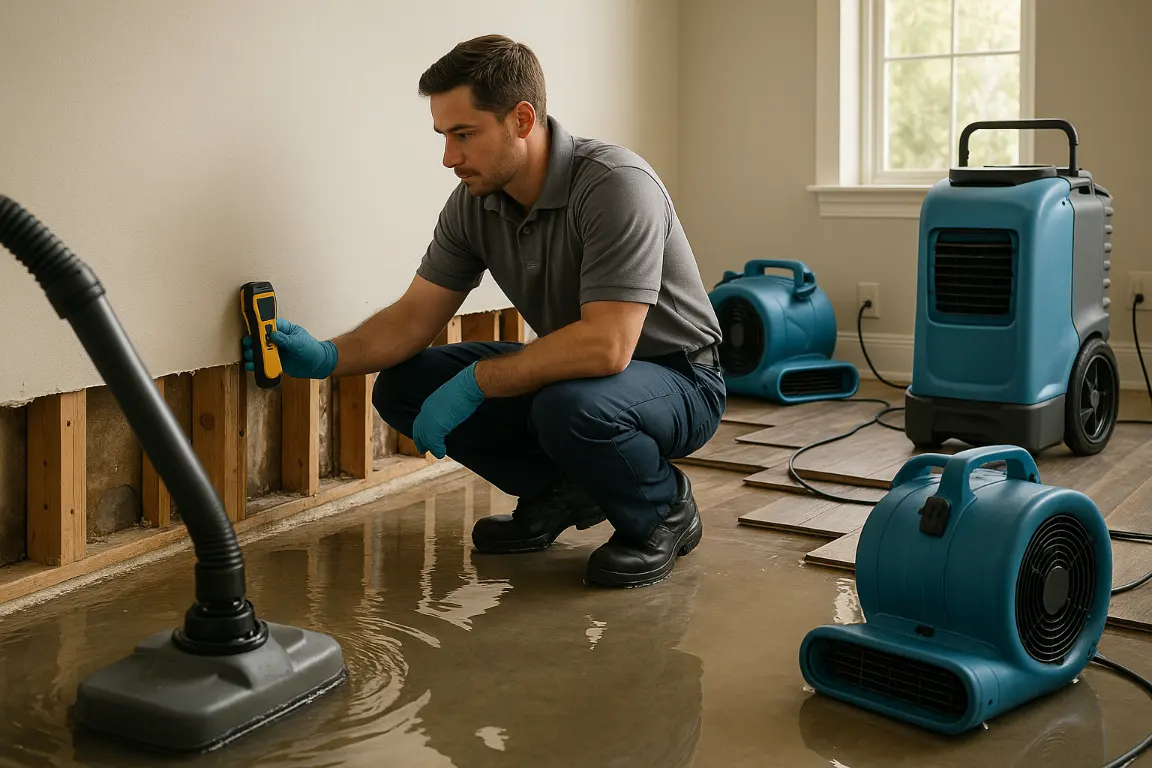
Understanding the science of structural drying means looking beyond visible water after a leak or flood. Water can move through building materials, drywall, flooring, insulation, and framing. This can leave structural moisture hidden beneath the surface, causing damage, swelling, odors, or mold. Effective structural drying starts with accurate moisture readings from moisture meters. A professional uses calibrated equipment to move air, manage moisture content, and guide the drying process toward a verified dry standard. Surface drying can make materials appear dry, but professional drying addresses what remains hidden. Learn when a DIY response may be enough and when restoration services from a professional are the better choice for water damage.
Structural drying removes hidden moisture from walls, ceilings, flooring, insulation, and framing, not just visible wetness. Effective restoration combines assessment, moisture readings, air movement, dehumidification, and selective material removal when needed. Acting quickly after water damage helps prevent mold, odors, weakened materials, and failed finishes. Professional monitoring confirms your home is truly dry and ready for durable repairs.
After water damage, a room can look dry long before it is ready for repair. The science of structural drying involves finding and removing moisture hidden in walls, ceilings, subfloors, insulation, and framing. It goes beyond surface drying to address what cannot be seen. A dry surface does not confirm that building materials have reached an acceptable moisture content or dry standard.
This distinction matters. Drywall may feel dry while its paper facing, wall cavity, or wood framing still holds structural moisture. If left unaddressed, that moisture can damage materials, cause paint failure, create lingering odors, and support mold. A professional drying process starts with a careful assessment of the damage. Using moisture meters, professionals compare moisture readings in affected and unaffected areas. These readings establish a reliable baseline and guide the equipment, air movement, and professional drying needed to restore balance.
At MrWalls Drywall & Painting, we approach water damage restoration with the final finish in mind. Proper structural drying protects every repair that follows, from replacing damaged drywall and restoring texture to repainting a room or repairing a ceiling affected by a leak. To learn more about our restoration services, contact our team. By confirming that materials have dried to appropriate levels before walls are closed or coatings are applied, we help prevent a clean-looking repair from becoming a repeat problem.
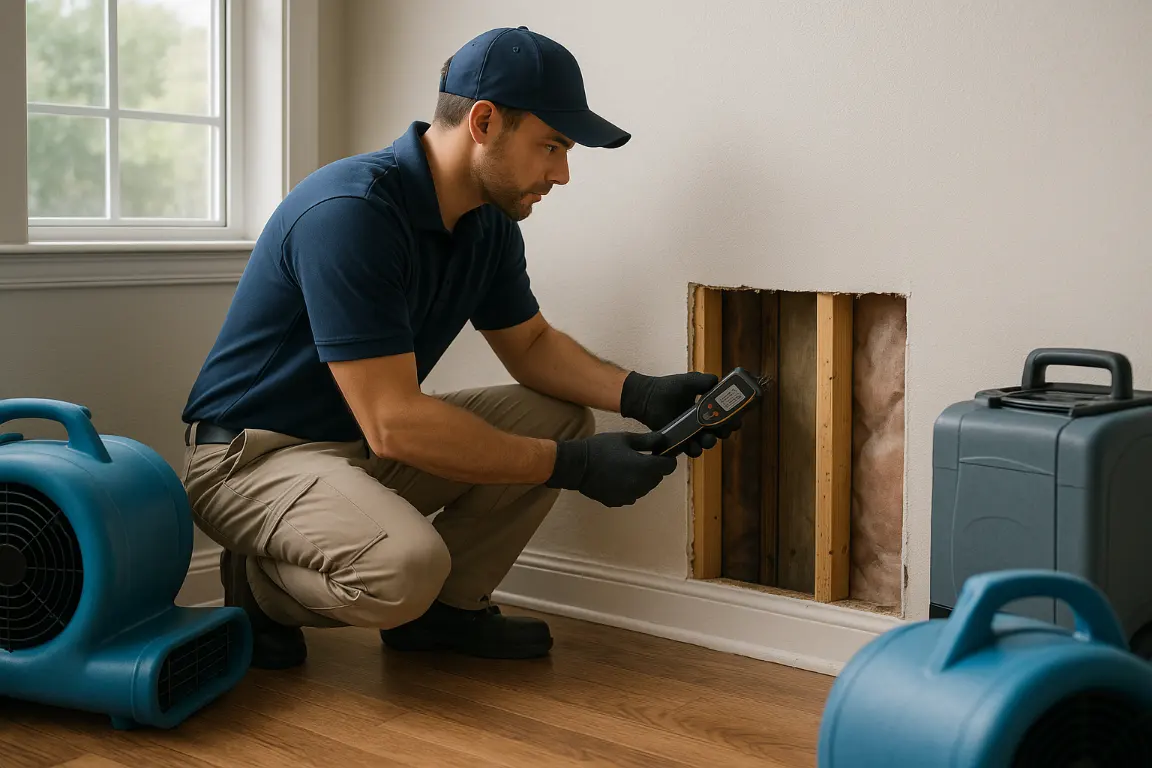
Effective drying involves more than placing fans in a wet room. It is a controlled process based on the science of structural drying: moving water from saturated building materials into the air, then directing that humid air out of the space. The goal is to return each affected area to the right moisture content and dry standard before restoration and repairs begin.
After a leak, flood, or plumbing failure, water damage can extend far beyond a visible stain. Drywall, insulation, framing, flooring, and trim absorb or trap moisture at different rates. A professional structural drying plan identifies where water has traveled, how deeply it has penetrated, and which materials can be dried in place or need removal.
MrWalls Drywall & Painting starts by identifying the full extent of the damage and documenting structural moisture throughout the affected area. Using professional equipment, including moisture meters, the team takes moisture readings that guide the drying process. Air movement helps moisture evaporate from wet surfaces, while dehumidification lowers humidity by pulling the evaporated water out of the air so moisture can continue leaving the materials. Having a warm temperature also increases the pace of drying, and containment may also be adjusted to support stable, efficient drying conditions.
This balance matters. Too little air movement can leave damp pockets behind, while surface drying without proper moisture control can shift humidity elsewhere in the home. Careful monitoring helps confirm that concealed cavities and finished surfaces dry evenly, reducing the risk of lingering odors, weakened drywall, mold, and preventable structural damage. To learn which professional drying services are right for your property, start with a clear plan before restoration work moves forward.
| Material or area | How moisture may be retained | Drying-plan consideration |
|---|---|---|
| Drywall | Can absorb moisture beyond the visible stain and may be weakened by prolonged dampness. | Measure moisture content and determine whether it can dry in place or requires removal. |
| Insulation | Can absorb or trap water within wall or ceiling assemblies. | Assess the extent and depth of water migration before selecting drying or removal methods. |
| Framing | May retain moisture within concealed structural areas. | Monitor conditions in hidden spaces to confirm moisture is drying evenly. |
| Flooring | Can absorb moisture at a different rate than surrounding materials. | Evaluate moisture penetration and use controlled air movement and dehumidification. |
| Trim | Can absorb or trap moisture near affected walls and floors. | Check for retained moisture before repairs begin. |
| Wall cavities and other concealed areas | Can hold damp pockets that are not visible from the room surface. | Use careful monitoring to verify concealed cavities are drying and to help prevent odors, mold growth, and structural damage. |
Effective water damage restoration takes more than placing a few fans in a room. Professional drying depends on purpose-built equipment, a disciplined drying process, and clear proof that building materials are returning to an appropriate condition. At MrWalls Drywall & Painting, we assess affected drywall, framing, flooring, insulation, and other structural elements before repairs begin, not just the damage visible on the surface.
Commercial air movers, dehumidifiers, and air-scrubbing equipment each have a specific role. Air movers pull moisture away from wet surfaces. Dehumidifiers remove that moisture from the air, allowing the drying process to continue efficiently. This balance helps prevent surface drying from hiding elevated structural moisture deeper within the assembly. When water reaches wall cavities or ceiling spaces, controlled heat and specialized structural drying methods can address concealed moisture without unnecessary demolition. This helps limit further damage and reduce conditions that can support mold.
Moisture meters are central to the science of structural drying. Initial moisture readings identify the extent of water migration and moisture content, including moisture hidden behind paint, baseboards, or drywall. Follow-up moisture readings track progress and confirm when materials have reached a dry standard comparable to unaffected areas. This documentation supports sound restoration decisions: whether materials can remain in place, need targeted repair, or should be removed. Clients learn that professional services should provide more than a dry-looking room. They should provide confidence that the structure is ready for lasting repairs and finishes.
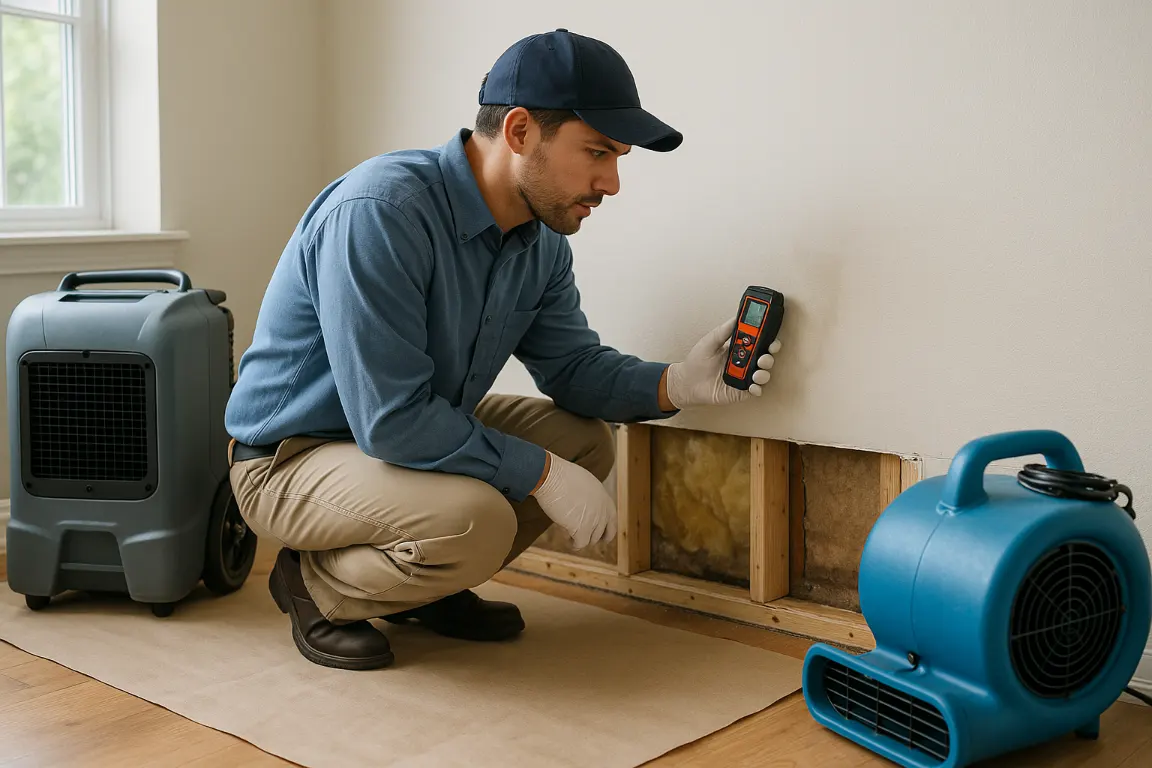
After water damage, the visible surface rarely tells the whole story. Drywall, insulation, baseboards, subfloors, and framing can hold water behind a small stain or beneath paint that still looks intact. Before deciding whether materials can be dried in place or need removal, MrWalls Drywall & Painting uses moisture meters for precise moisture readings and moisture content testing. This professional assessment considers the affected building materials, the duration of exposure, and whether the assembly can be cleaned and returned to a reliable dry standard.
Structural drying is more than placing fans in a room. The science of structural drying uses controlled air movement, dehumidification, temperature, and properly selected equipment to remove structural moisture from within the assembly, not just achieve surface drying. Non-porous materials may respond well to the right drying process. Porous materials, especially wet insulation or swollen drywall, can retain moisture long after the room feels dry. When materials cannot be thoroughly dried, they may lose strength, develop odors, or create conditions favorable to mold.
Selective removal is often the most responsible restoration approach when damage is contained but hidden. Removing only compromised sections helps surrounding structural components continue drying while preserving sound materials whenever possible. Professional drying services help homeowners learn when targeted removal offers better protection than drying alone. Once the area is dry and stable, repairs can restore clean lines, solid walls, and a finish that blends seamlessly with the rest of the space.
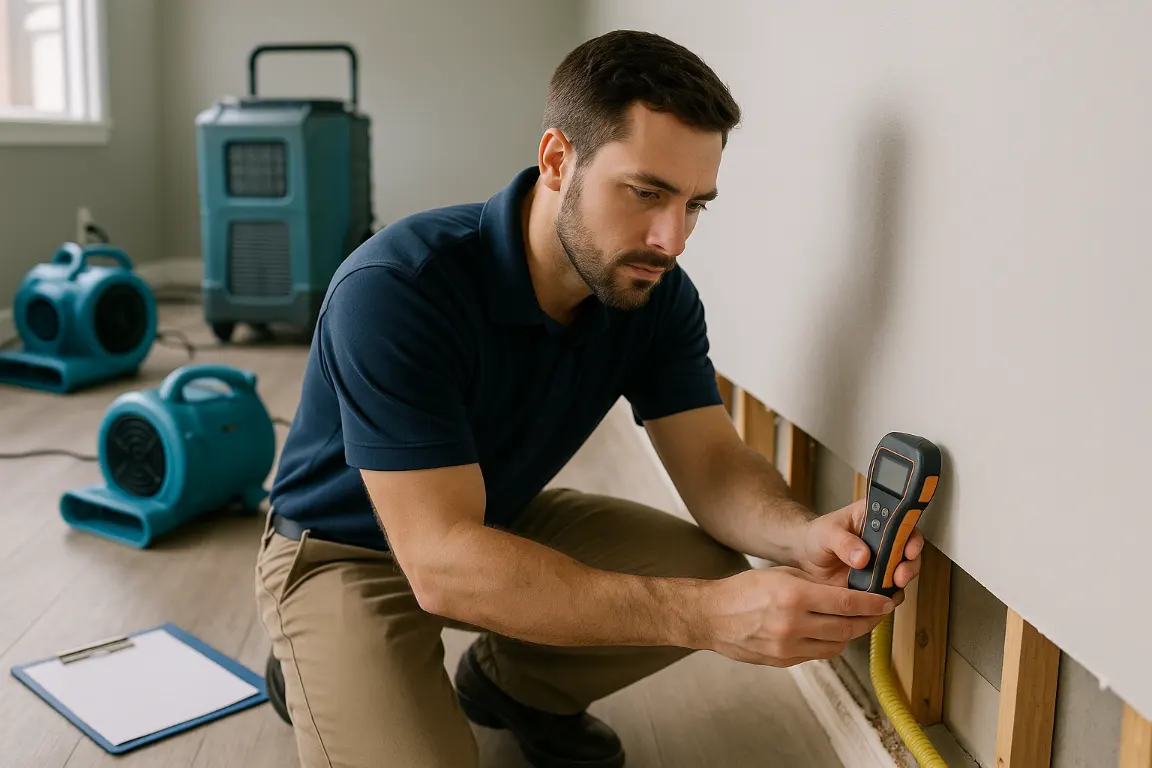
When water enters your home, safety comes first. Stop the source if you can do so safely, turn off electricity to affected areas when appropriate, and move valuables away from the wet space. Photograph the damage before cleanup begins, especially if you may file an insurance claim. Remove standing water with towels, a wet vacuum, or professional equipment. Avoid disturbing saturated drywall, ceilings, insulation, or other building materials, as they may be unstable.
Act quickly. Moisture can travel behind walls, beneath flooring, and into framing long before water damage looks severe. Introduce air circulation when it is safe, but do not rely on a fan as a complete drying process. MrWalls Drywall & Painting recommends calling restoration services promptly when water has reached drywall, ceilings, cabinetry, flooring, or more than a small, contained area. A professional can use moisture meters for accurate moisture readings, evaluate moisture content and structural moisture, identify concealed wet materials, and create a documented restoration plan. This is the science of structural drying: moving beyond surface drying to professional drying that brings affected areas to an appropriate dry standard.
You can learn a great deal from staining, swelling, peeling paint, soft drywall, or a musty odor. Still, hidden damage is common, and mold can develop when damp conditions remain. For clean water from a minor spill, careful drying may be enough. For sewage, stormwater, recurring leaks, or extensive saturation, professional services are the safer choice. Thorough restoration addresses the source, structural drying, repairs, and the finishes that help your home feel whole again.
Structural drying is the measured removal of moisture from building materials such as drywall, framing, insulation, ceilings, subfloors, and trim. It goes beyond making surfaces feel dry by confirming that concealed materials have returned to an appropriate moisture level before repairs begin.
Professionals use moisture meters to compare affected materials with unaffected areas of the home. Repeat readings track drying progress and help confirm when drywall, wood framing, and other materials are ready for repairs, texture, paint, or wall closure.
Sometimes. Drywall may be dried in place when moisture is limited, the material remains structurally sound, and the wall cavity can be dried reliably. Swollen, soft, contaminated, or extensively saturated drywall and insulation often require targeted removal and replacement.
Fans increase airflow and help moisture evaporate, but that moisture must also be removed from the air. Dehumidifiers lower humidity so evaporation can continue, while monitoring helps ensure moisture is not simply moving into another part of the home.
Common signs include stains, bubbling or peeling paint, warped baseboards, soft drywall, ceiling sagging, swelling, persistent humidity, and musty odors. Hidden moisture can be present even without obvious surface damage, which is why moisture readings are important after a leak.
Call promptly when water reaches drywall, ceilings, flooring, cabinetry, insulation, or a large area; when the source is unknown or recurring; or when sewage or stormwater is involved. Professional assessment can identify concealed water migration and guide drying, removal, and repair decisions.
Painting should wait until affected materials are verified dry and any damaged drywall or stains have been properly addressed. Applying primer or paint over residual moisture can lead to peeling, discoloration, odor, and a repair that fails prematurely.