
How to Test for Asbestos in Popcorn Ceilings Safely Looking
Looking to remove the popcorn texture on your ceilings? If your home was built before 1980, the texture may contain asbestos. Learn how to test for asbestos safely and protect your home and health with these essential tips.
POPCORN TEXTURECOMMON QUESTIONS
Jason Lebeau MrWalls Drywall & Paintig
3/8/20268 min read
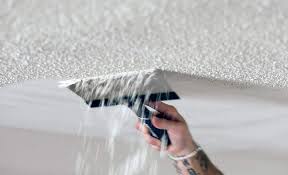
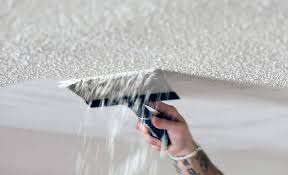
How to Test for Asbestos in Popcorn Ceilings Safely
Looking to remove the popcorn texture on your ceilings? If your home was built before 1980, the texture may contain asbestos. Learn how to test for asbestos safely and protect your home and health with these essential tips.
Understanding Asbestos and its Risks
Asbestos is a naturally occurring mineral known for its heat resistance, strength, and insulating properties. It was widely used in various construction materials throughout the 20th century. However, the health risks associated with asbestos exposure have led to a significant decline in its use. When asbestos-containing materials are disturbed, tiny fibers can become airborne and, if inhaled, can lodge in the lungs and other tissues. This can lead to serious health issues including lung cancer, mesothelioma, and asbestosis, a chronic lung disease.
The danger of asbestos lies in its microscopic fibers, which are not visible to the naked eye. Once inhaled, these fibers can cause inflammation and scarring, leading to respiratory problems that may not manifest until decades later. This delayed onset makes asbestos-related diseases particularly insidious, as individuals may not realize they were exposed until many years after the fact. Therefore, understanding the risks and taking proper precautions when dealing with asbestos is crucial.
Homeowners must be particularly vigilant if their house was built before the 1980s, as many building materials from that era contain asbestos. This includes insulation, floor tiles, roofing, and, notably, popcorn ceilings. Recognizing the potential presence of asbestos and knowing how to safely test for it can protect your health and ensure your home remains a safe environment.
What are Popcorn Ceilings?
Popcorn ceilings, also known as acoustic ceilings or stucco ceilings, became popular in residential construction during the mid-20th century. These textured ceilings were favored for their ability to hide imperfections, absorb sound, and provide a certain aesthetic appeal. The texture, created by spraying or painting a mixture containing materials like vermiculite, polystyrene, or, in many cases, asbestos, gives the ceiling its characteristic "popcorn" appearance.
The appeal of popcorn ceilings began to wane in the 1980s, partly due to changing design preferences and partly due to the growing awareness of asbestos hazards. While modern popcorn ceiling textures no longer contain asbestos, many homes built before the 1980s still have this potentially hazardous material. It's essential for homeowners to determine whether their popcorn ceilings contain asbestos before undertaking any renovation or removal projects.
Despite their decline in popularity, popcorn ceilings still exist in many older homes. If you plan to remove or alter these ceilings, it's crucial to test for asbestos first. Disturbing asbestos-containing materials without proper precautions can release dangerous fibers into the air, putting you and your family at risk. By understanding the nature of popcorn ceilings and the potential for asbestos, you can take the necessary steps to protect your health and home.
Signs Your Popcorn Ceiling May Contain Asbestos
Determining whether your popcorn ceiling contains asbestos can be challenging without professional testing. However, there are some signs that can indicate the potential presence of asbestos. First and foremost, the age of your home is a significant factor. If your house was built or renovated before the 1980s, there's a higher likelihood that asbestos was used in the construction materials, including popcorn ceilings.
Another indication is the appearance and texture of the ceiling. Asbestos-containing popcorn ceilings often have a more uniform and fine texture compared to those made with modern, asbestos-free materials. The color can also provide a clue; asbestos popcorn ceilings typically have a slight off-white or grayish hue, although this is not a definitive indicator. If you notice these characteristics, it's prudent to proceed with caution and consider testing for asbestos.
Finally, if you have access to records or documentation about your home’s construction or past renovations, review them for any mention of asbestos. Builders and contractors may have noted the use of asbestos-containing materials in permits or other construction documents. While these signs can help you assess the likelihood of asbestos in your popcorn ceiling, the only way to be certain is through proper testing. Taking these preliminary steps can help you decide whether professional testing is necessary.
Legal Regulations Surrounding Asbestos Testing
Asbestos regulations vary by country and region, but they generally aim to protect public health by controlling exposure to asbestos fibers. In the United States, the Environmental Protection Agency (EPA) and the Occupational Safety and Health Administration (OSHA) have established guidelines and regulations for asbestos testing, removal, and disposal. These regulations are crucial for ensuring that asbestos is handled safely and responsibly.
Under EPA regulations, homeowners are not legally required to test for asbestos before undertaking minor renovations on their own property. However, if a renovation involves a significant disturbance of potential asbestos-containing materials, it’s highly recommended to test for asbestos first. For larger renovation projects or demolition, federal law requires an inspection by a certified asbestos professional. This ensures that any asbestos present is identified and managed appropriately to prevent exposure.
OSHA regulations primarily apply to workers and contractors who may come into contact with asbestos during their work. These regulations mandate training, protective equipment, and specific work practices to minimize asbestos exposure. Homeowners hiring contractors for renovations or asbestos removal should ensure that the contractors comply with OSHA standards. Understanding these legal regulations can help homeowners navigate the complexities of asbestos testing and ensure that safety remains a top priority.
DIY Testing Methods for Asbestos
Testing for asbestos in your popcorn ceiling can be done using a do-it-yourself (DIY) method, but it requires careful attention to detail and adherence to safety protocols. The first step in DIY asbestos testing is to gather the necessary materials, including protective gear like gloves, a mask, and disposable coveralls, as well as tools such as a spray bottle filled with water, a plastic bag, a utility knife, and a resealable container.
Before beginning the sampling process, it's crucial to turn off any heating, ventilation, and air conditioning (HVAC) systems to prevent the spread of asbestos fibers. Wet the area you plan to sample with a spray bottle to minimize the release of fibers into the air. Carefully cut a small section of the popcorn ceiling, approximately 1 square inch, using the utility knife. Place the sample into the resealable container, ensuring it’s securely sealed to prevent contamination.
Once you have collected the sample, label the container with the location and date of sampling. Send the sample to an accredited laboratory for analysis. Many labs offer mail-in services for asbestos testing, providing results within a few days. While DIY testing can be cost-effective, it’s essential to follow safety precautions meticulously to avoid exposure. If you’re unsure or uncomfortable with the process, consider hiring a professional for peace of mind.
Professional Asbestos Testing Services
Hiring a professional asbestos testing service is often the safest and most reliable method for determining the presence of asbestos in your popcorn ceiling. Certified asbestos professionals have the training and equipment necessary to conduct thorough inspections and collect samples safely. They adhere to strict protocols to minimize the risk of asbestos fiber release, ensuring that your home remains a safe environment throughout the testing process.
When selecting a professional asbestos testing service, it’s important to verify their credentials and experience. Look for companies that are certified by recognized organizations such as the EPA or the National Institute for Occupational Safety and Health (NIOSH). Reputable companies should also provide references and have a track record of satisfied customers. A thorough inspection by a qualified professional can provide you with definitive answers about the presence of asbestos in your popcorn ceiling.
Professional testing services typically include a comprehensive report detailing the findings and recommendations for next steps if asbestos is detected. This report can be invaluable for planning any necessary remediation or removal work. While professional testing may come at a higher cost compared to DIY methods, the peace of mind and assurance of accurate results often make it a worthwhile investment. By choosing a reputable service, you can ensure that your home and health are protected from asbestos hazards.
Safety Precautions When Testing for Asbestos
Whether you choose to test for asbestos yourself or hire a professional, safety should always be your top priority. Asbestos fibers pose significant health risks, so taking appropriate precautions is essential. If you're conducting a DIY test, start by wearing protective gear, including a high-efficiency particulate air (HEPA) filter mask, disposable gloves, and coveralls. This protective clothing helps prevent asbestos fibers from coming into contact with your skin or being inhaled.
Before collecting a sample, ensure the area is well-ventilated but free from drafts that could spread fibers. Wetting the sample area with a spray bottle helps reduce the risk of fibers becoming airborne. Use tools carefully to avoid creating dust, and place the sample in a sealed container immediately after collection. Dispose of any protective gear and cleaning materials used during the process in a sealed bag to prevent contamination.
For those opting to hire a professional, ensure that the service provider follows stringent safety protocols. Professionals should use appropriate protective equipment and employ methods to minimize fiber release. It’s also important to keep children and pets away from the testing area until it has been thoroughly cleaned. By adhering to these safety precautions, you can significantly reduce the risk of asbestos exposure during the testing process.
What to Do If Asbestos is Detected
Discovering that your popcorn ceiling contains asbestos can be alarming, but it's important to stay calm and consider your options. The first step is to consult with a certified asbestos professional to discuss the findings and determine the best course of action. Depending on the condition of the ceiling and the extent of the asbestos, you may choose to either encapsulate or remove the asbestos-containing material.
Encapsulation involves sealing the asbestos-containing material with a specialized coating that prevents fibers from becoming airborne. This method is often less invasive and can be a cost-effective solution if the ceiling is in good condition and unlikely to be disturbed. However, encapsulation is not a permanent fix and may require periodic inspection and maintenance.
If removal is necessary, it’s essential to hire a licensed asbestos abatement contractor. Attempting to remove asbestos yourself can be extremely hazardous and is not recommended. Professional abatement contractors have the expertise and equipment to safely remove and dispose of asbestos materials, ensuring that your home is free from contamination. They will also conduct air quality tests post-removal to confirm that the area is safe for reoccupation. By taking appropriate action and working with professionals, you can effectively manage the risks associated with asbestos in your home.
Alternatives to Asbestos Remediation
If asbestos is detected in your popcorn ceiling, and you’re considering alternatives to traditional remediation methods, there are several options available. One approach is to cover the existing ceiling with a new layer of drywall or ceiling tiles. This method, known as encapsulation, involves sealing the asbestos-containing material beneath a new, non-asbestos surface. It can be a cost-effective and less disruptive alternative to full removal, provided the original ceiling is in stable condition.
Another option is to apply a specialized asbestos encapsulation paint. These paints are designed to adhere to asbestos-containing surfaces, sealing in the fibers and preventing them from becoming airborne. This method is particularly useful for ceilings that are in good condition and unlikely to be disturbed. However, it’s essential to use a product specifically designed for asbestos encapsulation and follow the manufacturer’s instructions carefully.
For those seeking a more aesthetic update, installing a drop ceiling or suspended ceiling can be an effective solution. This involves creating a new ceiling below the existing one, effectively sealing off the asbestos-containing material. While this option can be more expensive, it offers the added benefit of updating the look of your room while ensuring safety. By exploring these alternatives, homeowners can find a solution that best fits their needs and budget while effectively managing asbestos risks.
Conclusion and Final Thoughts on Asbestos Safety
Navigating the complexities of asbestos in your home, particularly in popcorn ceilings, can be daunting. However, by understanding the risks associated with asbestos and taking the appropriate steps to test for its presence, you can protect your health and the safety of your home. Whether you choose DIY testing or hire a professional, adhering to safety precautions is crucial to minimize exposure to harmful fibers.
If asbestos is detected, it's important to evaluate your options carefully. From professional abatement to encapsulation and alternative solutions, there are various methods to manage and mitigate asbestos risks. Consulting with certified professionals can provide you with the guidance and expertise needed to make informed decisions. Ensuring that any remediation work is conducted safely and in compliance with legal regulations is essential for maintaining a healthy living environment.
In conclusion, while the presence of asbestos in popcorn ceilings poses significant health risks, proactive and informed actions can effectively manage those risks. By staying informed, taking necessary precautions, and seeking professional assistance when needed, you can ensure that your home remains a safe and healthy place for you and your family. Remember, the key to asbestos safety lies in awareness, preparation, and proper handling.
Home | Services | Contact | Offices | Faq | Service Area | Blog | Appointment | Drywall Finishing | Drywall Taping | Drywall Repair | Plaster Repair | Ceiling Repair | Wall Repair | Drywall Installation | Drywall Hanging | Popcorn Ceiling Repair | Crack Repair | Hole in Ceiling | Hole In Wall | Interior Painting | Knockdown Texture | Water Damage Repair | Drywall Bathroom | Drywall Ceiling | Soundboard | Drywall Patch | Black Mold | Ice Dam Roof Leak | Drywall over Plaster | Wallpaper Removal | Fix a Hole | Skim Coating | Popcorn Removal | Apartment Turnovers | Massachusetts | Western MA | Springfield | Chicopee | Ludlow | Wilbraham | Longmeadow | East Longmeadow | Monson | Palmer | Belchertown | Granby | Amherst | Hadley | Northampton | Easthampton | Westhampton | Holyoke | South Hadley | West Springfield | Hampden | Agawam | Westfield | Southampton | Southwick | Granville | Hatfield | Lenox | Beckett | Lee | Great Barrington | Stockbridge | Huntington | Middlefield | Pelham | Plainfield | Ware | Williamsburg | Worthington | Brimfield | Blanford | Holland | Montgomery | Tolland | Wales | Refund Policy | Privacy Policy | Terms and Conditions


600 East Main St Chicopee, MA, 01020
203 Circuit Ave n39, West Springfield, MA 01089