


Drywall Tools And Supplies: Tools & Kits You Need
Ready to tackle your drywall repairs? Discover the tools and supplies you need for good results. Whether you are repairing smooth walls or popcorn texture ceilings, these are the supplies you need to get the job done. Transform your space with confidence!
Essential Tools for Drywall Repair
When it comes to drywall repair, having the right tools can make the difference between a flawless finish and an amateurish job. The first tool you will need is a utility knife, which is indispensable for cutting out damaged sections of drywall. A high-quality utility knife should feel comfortable in your hand and have replaceable blades to ensure it's always sharp. Alongside this, a drywall saw will help you cut out larger damaged areas more efficiently. This small, handheld saw is designed to make precise cuts without damaging the surrounding drywall.
After cutting out the damaged areas, you'll need to smooth out the edges with a sanding sponge or sandpaper. Sanding sponges are versatile, as they can be used wet or dry, and they come in various grits. It's advisable to have a range of grits on hand, from coarse to fine, to handle different stages of your repair. A drywall rasp, another essential tool, can help you fine-tune the edges of your cuts, ensuring they fit seamlessly with the new drywall patches.
A key tool in the repair process is the taping knife. This tool is used to apply joint compound smoothly over seams and screw holes. They come in various widths, from six inches to twelve inches or more, allowing you to choose the right size for the job at hand. Larger taping knives are ideal for feathering out joint compound, which helps create a smooth transition between the old and new drywall. For smaller patches, you might find a putty knife more effective. Having these essential tools and supplies at your disposal will set you up for success in any drywall repair project.
Types of Drywall Repair Kits
Drywall repair kits come in a variety of types, each designed to address specific kinds of damage. One of the most common types is the small hole repair kit, which is perfect for patching holes up to two inches in diameter. These kits typically include a self-adhesive patch, a small container of joint compound, and a putty knife. They are straightforward to use and provide all the essentials for minor repairs, making them perfect for DIY enthusiasts.
For medium-sized holes, up to six inches in diameter, you might need a more comprehensive kit. These kits usually include a metal or mesh patch, which adds extra support to the repair area. Some kits also come with a piece of drywall to cut and fit into the hole. Along with the patch and drywall, you'll get joint compound, a taping knife, and sandpaper. These kits are designed to provide everything you need, simplifying the repair process and ensuring a durable, long-lasting fix.
For large holes or extensive damage, such as those caused by plumbing repairs or electrical work, you may need a professional-grade kit. These kits often include a larger piece of drywall, a metal or mesh patch, joint tape, and a more substantial amount of joint compound. They may also come with additional tools like a drywall saw or a rasp. Professional-grade kits are designed to handle more complex repairs, providing all the materials and tools necessary to restore your walls to their original condition. Choosing the right kit for your repair needs will ensure a smooth and efficient process.
Essential Kits for Popcorn Texture Repair and Removal
Popcorn texture ceilings, also known as acoustic ceilings, were popular in the mid-20th century but have since fallen out of favor due to their dated appearance and being hard to repair. If you have a damaged popcorn ceiling or simply want to remove the texture altogether, you'll need specific drywall tools and supplies designed for this purpose. Popcorn ceiling repair kits typically include a spray texture that mimics the original finish, joint compound, and a sanding sponge. These kits are ideal for small repairs or touch-ups, allowing you to blend the new texture seamlessly with the existing ceiling. Make sure to get the correct popcorn texture size, as it comes in fine, medium, and coarse. Using the wrong size results in a ceiling repair that looks like road salt was used.
For more extensive popcorn ceiling repairs, you might need a larger kit of drywall tools and supplies that includes a scraper tool, protective gear, and a more substantial amount of spray texture. These kits are designed to handle larger damaged areas or even entire rooms. The scraper tool is essential for removing the old texture without damaging the underlying drywall. Protective gear, such as goggles and a dust mask, is crucial for safety, as the removal process can generate a significant amount of dust and debris. Having a comprehensive kit ensures you have everything you need to complete the job safely and effectively.
If you’re looking to remove the popcorn texture entirely, there are kits available specifically for this purpose. These kits often include a specialized spray solution that softens the texture, making it easier to scrape off. They may also include a wide scraper, a putty knife, and a sanding sponge. Some kits even come with a plastic drop cloth to protect your floors and furniture from the falling debris. By investing in a complete popcorn ceiling removal kit, you can transform your ceiling from outdated to modern with minimal hassle.
Drywall Material And Supplies for Drywall Repair
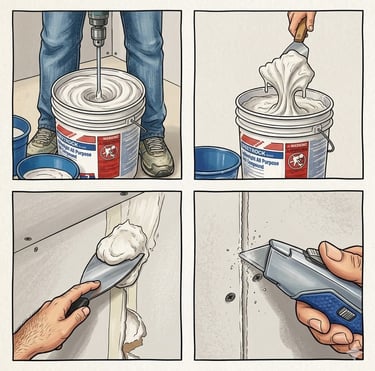
In addition to the essential drywall tools and supplies, there are several drywall materials and supplies you'll need for a successful drywall repair. Joint compound, also known as mud or spackle, is one of the most critical materials. It is used to fill in seams, cover screw holes, and smooth out the surface of the drywall. There are different types of joint compounds available, including all-purpose, lightweight, and quick-setting. Choosing the right type depends on the scope of your project and your level of experience.
Drywall tape is another necessary material for repairing seams and cracks. There are two main types of drywall tape: paper and mesh. Paper tape is less expensive and provides a smooth finish, but it can be challenging to work with for beginners. Mesh tape, on the other hand, is self-adhesive and easier to apply, making it a popular choice for DIY projects. Regardless of the type you choose, drywall tape reinforces the seams and helps prevent future cracking.
Sanding materials are essential for achieving a smooth, professional finish. Sanding sponges and sandpaper in various grits are necessary for smoothing out the joint compound and blending it with the surrounding drywall. It's a good idea to start with a coarser grit to remove excess compound and then switch to a finer grit for the final pass. Additionally, a vacuum or dust extractor can help keep the work area clean and free of dust, which is crucial for achieving a smooth finish and ensuring the joint compound adheres properly.
Essential Tools for Popcorn Texture Repair and Removal
Repairing or removing popcorn texture requires a specific set of tools to ensure a smooth and efficient process. One of the most important tools for this task is a texture sprayer, which is used to apply the new popcorn texture to the repaired area. These sprayers come in various sizes and styles, from handheld cans for small repairs to larger, compressor-powered sprayers for extensive projects. Having the right sprayer ensures an even application, which is crucial for blending the new texture with the existing ceiling.
A wide scraper is another essential tool for removing popcorn texture. This tool allows you to scrape off the old texture without damaging the underlying drywall. Scrapers with replaceable blades are particularly useful, as they allow you to maintain a sharp edge for efficient removal. For larger areas, you might find it helpful to use a joint knife or a putty knife in conjunction with the scraper to tackle stubborn spots and ensure a smooth surface.
Protective gear is crucial when working with popcorn texture, especially if it contains asbestos. A dust mask or respirator, safety goggles, and gloves are essential for protecting yourself from dust and debris. Additionally, a plastic drop cloth can help protect your floors and furniture from falling texture. By investing in the right tools and protective gear, you can ensure a safe and efficient repair or removal process.
Choosing the Right Drywall Compound
Selecting the right drywall compound is crucial for achieving a professional finish on your repair project. There are three main types of drywall compound: all-purpose, lightweight, and quick-setting. All-purpose joint compound is versatile and can be used for all stages of the repair process, from embedding drywall tape to finishing the final coat. It is easy to work with and provides a durable finish, making it a popular choice for both professionals and DIY enthusiasts.
Lightweight joint compound, as the name suggests, is lighter than all-purpose compound and easier to sand. This type of compound is ideal for finishing coats, as it dries to a smooth, even finish with minimal effort. It is also less likely to shrink or crack, making it a great option for larger repairs. However, it may not be as durable as all-purpose compound, so it is best used in combination with other types of compound for the best results.
Quick-setting joint compound, also known as hot mud, is designed to set and dry rapidly, making it ideal for time-sensitive projects. This type of compound is particularly useful for patching small holes or cracks, as it allows you to complete the repair in a single day. However, quick-setting compound can be more challenging to work with, as it hardens quickly and requires precise application. It is best suited for experienced DIYers or professionals who are comfortable working with fast-setting materials. By choosing the right drywall compound for your project, you can ensure a smooth and durable repair.
Understanding Drywall Repair: An Overview
Drywall repair is an essential skill for homeowners, as it allows you to maintain and improve the appearance and integrity of your walls and ceilings. Understanding the basics of drywall repair can help you tackle a variety of issues, from small nail holes to large cracks and water damage. The first step in any drywall repair project is to assess the extent of the damage and determine the best approach for fixing it. This may involve cutting out the damaged area, applying joint compound, and sanding the surface to achieve a smooth finish.
One common issue that homeowners face is small holes or dents in the drywall, which can be caused by nails, screws, or accidental impacts. These small repairs are relatively easy to fix with a patching kit and some joint compound. For larger holes, you may need to cut out the damaged area and replace it with a new piece of drywall, using joint tape and compound to blend the new patch with the existing wall. This process requires more time and effort but can achieve seamless results with the right tools and materials.
Water damage is another common issue that can affect drywall. If you notice discoloration, swelling, or a soft texture, it's essential to address the underlying cause of the water damage before repairing the drywall. This may involve fixing a leaky roof, plumbing issue, or poor ventilation. Once the source of the water damage has been resolved, you can cut out the affected area and replace it with new drywall. Applying joint compound and sanding the surface will help blend the repair with the surrounding wall, restoring the appearance and integrity of your drywall.
Needed Materials & Supplies for Popcorn Ceiling Repair and Removal
Popcorn ceiling repair and removal require a specific set of materials and supplies to ensure a smooth and successful process. One of the most important materials you'll need is a popcorn texture spray, which is used to apply the new texture to the repaired area. These sprays come in various formulations, allowing you to match the existing texture as closely as possible. It's essential to choose a high-quality spray that provides even coverage and a durable finish.
For removal projects, a popcorn ceiling removal solution is necessary to soften the texture and make it easier to scrape off. These solutions are typically sprayed onto the ceiling and allowed to sit for a specified amount of time before scraping. It's important to follow the manufacturer's instructions to ensure the best results. In addition to the removal solution, you'll need a wide scraper or putty knife to remove the softened texture. Scrapers with replaceable blades are particularly useful, as they allow you to maintain a sharp edge for efficient removal.
Protective gear is crucial for both repair and removal projects, as the process can generate a significant amount of dust and debris. A dust mask or respirator, safety goggles, and gloves are essential for protecting yourself from inhaling or coming into contact with harmful particles. Additionally, a plastic drop cloth can help protect your floors and furniture from falling debris. By investing in the right materials and supplies, you can ensure a safe and successful popcorn ceiling repair or removal project.
Where to Buy Quality Drywall Repair Supplies
Finding quality drywall repair supplies is essential for achieving professional results. Many home improvement stores, such as Home Depot and Lowe's, offer a wide range of drywall repair tools, kits, and materials. These stores often have knowledgeable staff who can help you find the right products for your specific needs. Additionally, they frequently offer workshops and demonstrations on drywall repair techniques, providing valuable hands-on experience.
Online retailers, such as Amazon and eBay, also offer a vast selection of drywall repair supplies. Shopping online allows you to compare prices and read customer reviews, helping you make informed decisions about the products you purchase. Many online retailers also offer fast shipping and convenient return policies, making it easy to get the supplies you need quickly. Be sure to check for reputable sellers and high-quality products to ensure the best results for your repair project.
Specialty stores, such as drywall supply companies and contractor supply stores, can also be a valuable resource for finding high-quality drywall repair supplies. These stores often carry professional-grade products that may not be available at general home improvement stores. Additionally, the staff at specialty stores are typically well-versed in drywall repair techniques and can offer expert advice on the best tools and materials for your project. By exploring various options and investing in quality supplies, you can ensure a successful and long-lasting drywall repair.
Conclusion: Investing in the Right Tools for Long-lasting Repairs
Investing in the right tools and materials for drywall repair is essential for achieving long-lasting, professional results. Whether you're tackling small holes, large cracks, or textured ceilings, having the appropriate tools and supplies on hand will make the process smoother and more efficient. From utility knives and taping knives to joint compound and sanding materials, each tool and material plays a crucial role in the repair process.
Choosing the right drywall repair kits and compounds for your specific needs can help ensure a seamless and durable finish. Understanding the different types of kits and compounds available allows you to make informed decisions and select the best products for your project. Additionally, investing in protective gear and following proper safety precautions is crucial for ensuring a safe and successful repair process.
By sourcing quality drywall repair supplies from reputable retailers, you can feel confident in the durability and appearance of your repairs. Whether you choose to shop at home improvement stores, online retailers, or specialty stores, investing in high-quality tools and materials is a wise decision that will pay off in the long run. With the right supplies and a bit of know-how, you can transform your space with confidence and achieve professional-grade results. If you need help contact us at MrWalls Drywall & Painting (413)302-0640

Home | Contact | Offices | Faq | Service Area | Blog | Drywall Finishing | Drywall Taping | Drywall Repair | Plaster Repair | Ceiling Repair | Wall Repair | Drywall Installation | Drywall Hanging | Popcorn Ceiling Repair | Hole in Ceiling | Fix Hole In The Wall | Interior Painting | Knockdown Texture | Water Damage Repair | Drywall Bathroom | Drywall Ceiling | Soundboard | Drywall Patch | Ice Dam Roof Leak | Drywall over Plaster | Drywall Over Popcorn | Skim Coat Level 5 | Popcorn Texture Removal | Drywall Finish Levels | | Refund Policy | Privacy Policy | Terms and Conditions


600 East Main St Chicopee, MA, 01020
203 Circuit Ave n39, West Springfield, MA 01089