We Will be celebrating 25 years in business July 2026

Choosing the Right Basement Drywall: Types and Benefits Explained

Choosing the right basement drywall can make all the difference in durability and comfort. Discover the types and benefits to elevate your space today!

COMMON QUESTIONSPOPCORN TEXTURE
MrWalls Drywall & Painting

3/16/20269 min read

drywall installation basement

Choosing the Right Basement Drywall: Types and Benefits Explained

Choosing the right basement drywall can make all the difference in durability and comfort. Discover the types and benefits to elevate your space today!

Understanding Basement Drywall: An Overview

Choosing the right materials for your basement is crucial, not just for aesthetic appeal but for the functional longevity of the space. The walls of your basement, often below ground level, are subjected to unique conditions that differ markedly from the rest of your home. Therefore, selecting the appropriate type of drywall is essential to ensure your basement remains dry, safe, and comfortable. Drywall, also known as gypsum board or plasterboard, serves as the canvas for your interior walls. However, not all drywalls are created equal, especially when it comes to basement environments.

Basements are prone to moisture, temperature fluctuations, and even the occasional flooding, all of which necessitate a thoughtful choice of materials. Using standard drywall in a basement might lead to issues such as mold, mildew, and structural damage over time. This is why it's critical to understand the different types of drywall available, particularly those designed to withstand the unique challenges of basement environments.

In this article, we will delve into the various types of drywall suitable for basements, exploring their features, benefits, and the reasons why they might be the best choice for your project. From moisture-resistant options to fireproof and soundproof varieties, understanding the characteristics of each type will empower you to make an informed decision. This knowledge will not only enhance the durability of your basement but also contribute to the overall comfort and value of your home.

Importance of Choosing the Right Drywall for Basements

Selecting the right drywall for your basement is more than a matter of preference; it’s a decision that impacts the structural integrity and usability of the space. Basements are often used for various purposes, such as storage, living areas, or even as entertainment zones. Each of these uses requires a different consideration when it comes to the type of drywall installed. The right choice can help mitigate issues like dampness, fire hazards, and noise pollution, making your basement a more functional and enjoyable part of your home.

One of the primary concerns in basements is moisture. Basements are inherently more humid than other parts of the house, and this moisture can seep into the walls, causing significant damage over time. Using moisture-resistant drywall can prevent the growth of mold and mildew, which not only damages the walls but also poses health risks to the inhabitants. Moreover, in the unfortunate event of a flood, moisture-resistant drywall can help minimize damage, making cleanup easier and less costly.

Furthermore, safety is another critical factor to consider. Fire-resistant drywall can provide an extra layer of protection, giving you and your family more time to evacuate in case of a fire. Similarly, soundproof drywall can improve the quality of life by reducing noise transmission between the basement and the rest of the house. Whether you’re using your basement as a home theater, a gym, or a quiet office space, soundproof drywall can make a significant difference. Understanding these considerations underscores the importance of making an informed choice when it comes to basement drywall.

Types of Drywall Suitable for Basements

When it comes to choosing drywall for your basement, there are several types to consider, each with its own set of features and benefits. The most common types suitable for basements include moisture-resistant drywall, fire-resistant drywall, and soundproof drywall. Each type is designed to address specific challenges, making it easier to maintain a safe and comfortable environment in your basement.

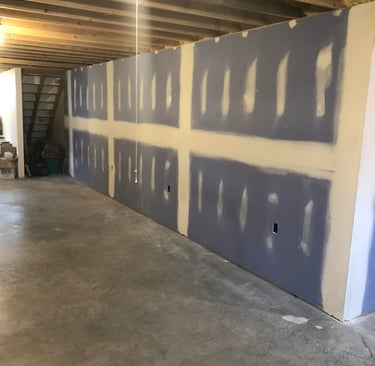
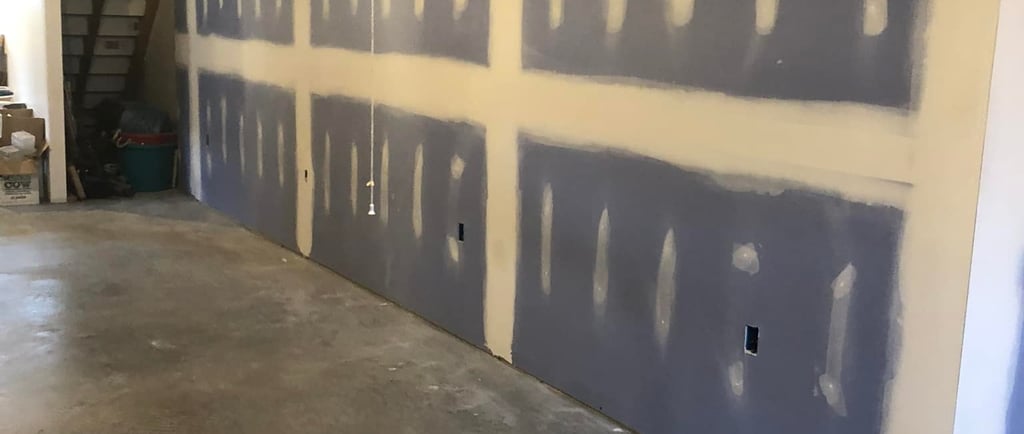
Moisture-resistant drywall, often referred to as green board or blue board, is specifically designed to withstand high humidity levels. This type of drywall is treated with a water-repellent coating that helps prevent moisture from seeping into the material. It’s an excellent choice for basements, particularly in areas prone to dampness or minor water intrusion. The added moisture resistance can also help prevent the growth of mold and mildew, which can cause health problems and structural damage.

Fire-resistant drywall, also known as Type X drywall, is another important option to consider. This type of drywall is designed to slow down the spread of fire, providing an additional layer of safety. It contains non-combustible fibers that help it withstand high temperatures for a longer period compared to standard drywall. This makes it an ideal choice for basements, especially if you plan to use the space for activities involving electrical equipment or heating devices.

Soundproof drywall is designed to reduce noise transmission between rooms. This type of drywall is typically denser and may include additional sound-dampening layers to enhance its effectiveness. It’s particularly useful if you plan to use your basement as a home theater, music room, or office. By reducing noise transmission, soundproof drywall can help create a quieter, more peaceful environment, enhancing the overall comfort of your basement.

Moisture-Resistant Drywall: Features and Benefits

Moisture-resistant drywall, commonly known as green board or blue board due to its distinctive color, is specifically engineered to handle the damp conditions often found in basements. One of the primary features of this type of drywall is its water-repellent surface. Unlike regular drywall, which can absorb moisture and become a breeding ground for mold and mildew, moisture-resistant drywall has a special coating that helps keep water out.

The benefits of using moisture-resistant drywall in your basement are numerous. First and foremost, it helps prevent the growth of mold and mildew. Mold not only damages the walls but can also cause serious health problems, including respiratory issues and allergic reactions. By using moisture-resistant drywall, you can significantly reduce the risk of mold growth, creating a healthier living environment for you and your family.

Another advantage of moisture-resistant drywall is its durability. Basements are more prone to minor water intrusions, whether from condensation, leaks, or even minor flooding. Moisture-resistant drywall can withstand these conditions better than standard drywall, reducing the likelihood of damage and the need for costly repairs. This durability makes it a cost-effective choice in the long run, as it helps maintain the structural integrity of your basement walls over time.

Fire-Resistant Drywall: Why It Matters in Basements

Fire-resistant drywall, often referred to as Type X drywall, plays a crucial role in enhancing the safety of your basement. This type of drywall is manufactured with special non-combustible fibers, which help it withstand high temperatures for a longer period compared to standard drywall. In the unfortunate event of a fire, these qualities can provide you and your family with valuable extra minutes to evacuate and for firefighters to contain the blaze.

The importance of using fire-resistant drywall in basements cannot be overstated. Basements often house electrical panels, heating systems, and other equipment that can pose fire hazards. Installing fire-resistant drywall adds an extra layer of protection, helping to contain the spread of fire and minimize damage to your home. This is particularly important in finished basements, where additional living spaces, furniture, and personal belongings are at risk.

Another significant benefit of fire-resistant drywall is its potential to lower insurance premiums. Many insurance companies offer discounts for homes with added fire protection measures, including the use of fire-resistant materials. By choosing fire-resistant drywall for your basement, you not only enhance the safety of your home but also potentially reduce your insurance costs. This makes it a wise investment for any homeowner looking to improve the safety and overall value of their property.

Soundproof Drywall: Enhancing Comfort in Your Basement

Soundproof drywall is an excellent choice for homeowners looking to enhance the comfort and functionality of their basement. This type of drywall is designed to reduce noise transmission between rooms, making it particularly useful for basements that serve as home theaters, music rooms, or offices. Soundproof drywall typically features additional layers of gypsum and other sound-dampening materials that help block and absorb sound waves.

One of the primary benefits of soundproof drywall is its ability to create a quieter, more peaceful environment. Basements often serve as multi-purpose spaces, and controlling noise levels can significantly improve their usability. Whether you’re watching a movie, playing music, or working from home, soundproof drywall helps keep the noise contained, allowing you to enjoy your activities without disturbing others in the house.

In addition to enhancing comfort, soundproof drywall can also contribute to better sleep quality. Noise pollution is a common issue in many homes, and reducing noise transmission can lead to a more restful night’s sleep. This is particularly beneficial if your basement is used as a guest room or bedroom, as it ensures a quiet and comfortable sleeping environment. By investing in soundproof drywall, you can create a more serene and enjoyable living space for everyone in your home.

Installation Considerations for Basement Drywall

Installing drywall in a basement requires careful planning and consideration to ensure a successful outcome. One of the first steps is to assess the condition of the basement walls and address any existing moisture issues. This may involve sealing cracks, applying waterproofing treatments, or installing a dehumidifier to reduce humidity levels. Taking these steps before installation can help prevent future problems and extend the lifespan of your drywall.

Proper insulation is another important consideration when installing basement drywall. Basements are often colder than the rest of the house, and adding insulation can help regulate the temperature and improve energy efficiency. Insulation materials such as foam board or fiberglass can be installed between the wall studs before the drywall is hung. This not only helps keep the basement warm but also enhances the effectiveness of soundproof and fire-resistant drywall.

The installation process itself involves measuring and cutting the drywall to fit the dimensions of your basement walls. It’s important to use the appropriate type of drywall screws and to ensure that the panels are securely fastened to the wall studs. Once the drywall is in place, the seams and joints should be taped and covered with joint compound to create a smooth, finished surface. Proper finishing techniques, such as sanding and priming, are essential to achieve a professional-looking result.

Cost Comparison: Different Types of Basement Drywall

When it comes to choosing the right drywall for your basement, cost is an important factor to consider. The price of drywall can vary significantly depending on the type and its specific features. Standard drywall is typically the least expensive option, but it may not provide the necessary protection against moisture, fire, or noise. Investing in specialized drywall can be more cost-effective in the long run, as it can prevent damage and reduce maintenance costs.

Moisture-resistant drywall, for example, is generally more expensive than standard drywall, but its benefits far outweigh the additional cost. The price difference is often justified by the added protection against mold and mildew, as well as the increased durability in damp conditions. Similarly, fire-resistant drywall tends to be more costly, but the enhanced safety it provides can be invaluable. In some cases, the use of fire-resistant materials can also lower insurance premiums, helping to offset the initial investment.

Soundproof drywall is typically the most expensive option, but it offers unique benefits that can significantly enhance the comfort and functionality of your basement. The higher cost is due to the additional layers and materials used to achieve superior sound-dampening properties. For homeowners who plan to use their basement as a home theater, music room, or office, the investment in soundproof drywall can greatly improve the quality of the space. When comparing costs, it’s important to consider the long-term benefits and potential savings that specialized drywall can provide.

Maintenance Tips for Basement Drywall

Maintaining your basement drywall is essential to ensure its longevity and keep your basement in good condition. One of the most important maintenance tips is to regularly inspect the walls for signs of moisture or damage. Look for discoloration, peeling paint, or soft spots, which can indicate water intrusion or mold growth. Addressing these issues promptly can prevent further damage and protect the structural integrity of your walls.

Regular cleaning is also important to keep your basement drywall looking its best. Use a mild detergent and a soft cloth to remove dirt and dust from the surface. Avoid using harsh chemicals or abrasive materials, as they can damage the drywall. If you notice any scratches or dents, these can be filled with a small amount of joint compound and sanded smooth. Touching up the paint as needed can also help maintain a fresh, clean appearance.

In addition to regular cleaning and inspections, it’s important to control the humidity levels in your basement. Using a dehumidifier can help reduce moisture in the air, preventing mold and mildew growth. Make sure to keep the basement well-ventilated, especially during humid weather. If you experience any water leaks or flooding, it’s crucial to address the source of the water and thoroughly dry the affected areas as quickly as possible to prevent damage to the drywall.

Conclusion: Making an Informed Decision on Basement Drywall

Choosing the right basement drywall is a crucial decision that can significantly impact the durability, safety, and comfort of your space. By understanding the different types of drywall available and their specific benefits, you can make an informed choice that meets your needs and enhances the functionality of your basement. Whether you prioritize moisture resistance, fire safety, or soundproofing, there is a drywall option that can address your unique requirements.

Moisture-resistant drywall, with its water-repellent properties, is an excellent choice for basements prone to dampness or minor water intrusion. Fire-resistant drywall offers added protection against fire hazards, providing peace of mind and potentially lowering insurance costs. Soundproof drywall can create a quieter and more enjoyable environment, making it ideal for basements used as living spaces or entertainment areas. Each type of drywall offers distinct advantages, and selecting the right one can greatly improve the quality of your basement.

Ultimately, the key to a successful basement renovation lies in careful planning and consideration of the specific challenges and requirements of the space. By investing in the appropriate type of drywall and taking the necessary steps to ensure proper installation and maintenance, you can create a safe, durable, and comfortable basement that enhances the overall value and enjoyment of your home. Make an informed decision today and transform your basement into a space that meets your needs and exceeds your expectations.