
Drywall Vs Plaster Wall
Drywall Vs Plaster Wall looks into the differences between a wall that is plastered and one with a drywall board and finish. At MrWalls Drywall & Painting, we offer both methods.
COMMON QUESTIONS
Drywall vs Plaster Wall
If you are standing in an old house, you are likely looking at plaster. It's a thick and heavy material that feels like stone when you knock on it. Modern homes use drywall because it's faster to install. Choosing between them usually comes down to whether you value character or convenience.
Plaster is made by layering wet mix over thin wooden strips called lath. It's an art form that has mostly died out. Because the walls are so thick, they block sound better than almost any other material.
Your house will feel solid and quiet. The downside is the cost. You'll need a specialist to install it and the material takes a long time to dry
The Case for Drywall
Drywall is a factory-made product. This material is just gypsum plaster pressed between two sheets of heavy paper. It comes in large panels that builders screw directly into the studs.
It's the reason we can build houses so quickly in 2026. It's also much easier to repair. If you put a hole in drywall, you can patch it in an hour
Plaster doesn't handle house settling very well. As the ground shifts under your foundation, plaster walls tend to crack. These cracks are a pain to fix because the material is so hard. Drywall is more flexible. It might show a small seam or a nail pop, but it won't shatter like a ceramic plate
Sound and Insulation
If you live near a busy road, you'll want plaster. The density acts as a natural sound barrier. Drywall is much lighter and allows noise to travel through the walls. You can buy specialized "quiet" drywall, but it still won't match the heavy feel of a traditional three-coat plaster job.
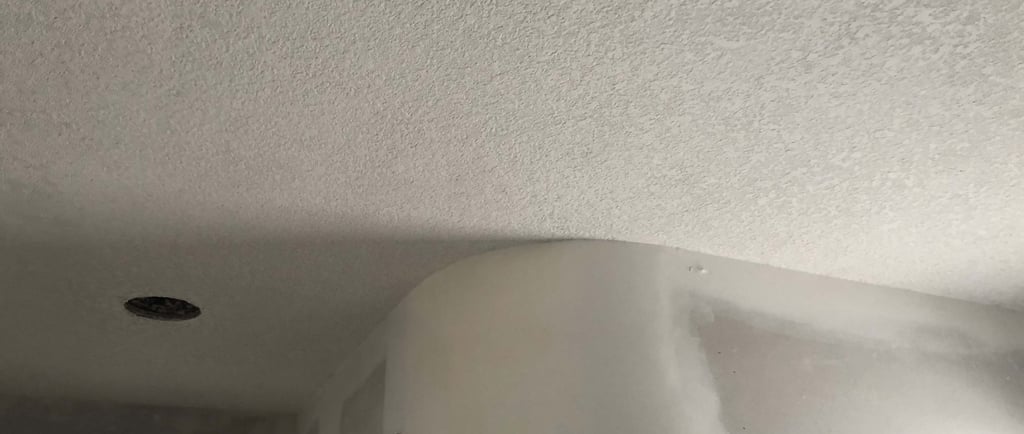
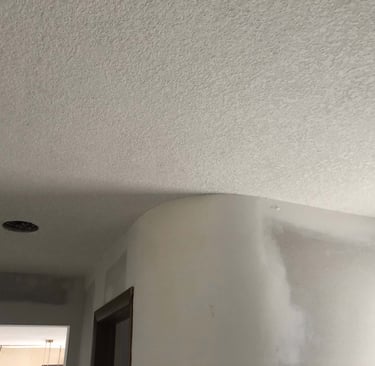
Plaster is also better at following curves. If your house has arched doorways or round corners, drywall is a nightmare to use. You have to wet it and score it to make it bend. Plaster goes on wet, so it follows any shape the builder creates.
The Final Verdict
Most people choose drywall because it's cheaper and easier to find contractors who can do the work. If you're renovating an old home, try to save the original plaster. It provides a level of insulation and soundproofing that you can't get from a home center. But if you're building from scratch, drywall is the only practical choice for a modern budget.
Home | Contact | Offices | Faq | Service Area | Blog | Drywall Finishing | Drywall Taping | Drywall Repair | Plaster Repair | Ceiling Repair | Wall Repair | Drywall Installation | Drywall Hanging | Popcorn Ceiling Repair | Hole in Ceiling | Fix Hole In The Wall | Interior Painting | Knockdown Texture | Water Damage Repair | Drywall Bathroom | Drywall Ceiling | Soundboard | Drywall Patch | Ice Dam Roof Leak | Drywall over Plaster | Drywall Over Popcorn | Skim Coat Level 5 | Popcorn Texture Removal | Drywall Finish Levels | | Refund Policy | Privacy Policy | Terms and Conditions


600 East Main St Chicopee, MA, 01020
203 Circuit Ave n39, West Springfield, MA 01089