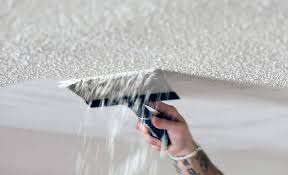
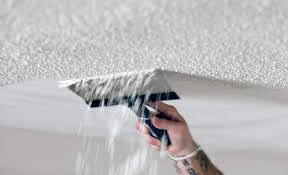
How to Fix Popcorn Ceilings: An Easy Step-by-Step Guide
Update your ceilings with our easy step-by-step guide on fixing popcorn ceilings. Say goodbye to damaged textures and hello to a modern finish!
POPCORN TEXTURECEILING REPAIRCOMMON QUESTIONS
Jason Lebeau MrWalls Drywall & Painting
3/7/202611 min read


Understanding Popcorn Ceilings: What They Are and Why They Were Popular
Popcorn ceilings, also known as acoustic ceilings, are a type of ceiling treatment that was widely popular from the 1950s through the 1980s. Characterized by their bumpy, textured appearance, popcorn ceilings were originally favored for their ability to hide imperfections and provide sound insulation. The texture is created by spraying or painting a mixture of drywall compound and polystyrene onto the ceiling, giving it a distinctive, uneven look that resembles popcorn or cottage cheese.
During their heyday, popcorn ceilings were considered a cost-effective solution for finishing ceilings in residential and commercial properties. Builders and contractors appreciated the ease of application and the ability to cover up unsightly flaws such as cracks, stains, and uneven surfaces. Additionally, the textured surface helped to reduce echoes and dampen noise, making it a practical choice for homes with high ceilings or open floor plans.
However, as design trends evolved and homeowners began to favor sleek, modern interiors, the popularity of popcorn ceilings waned. Today, many people find the textured look to be outdated and unattractive, prompting a surge in demand for ceiling renovations. In some cases, popcorn ceilings may also contain asbestos, a hazardous material that poses serious health risks when disturbed. As a result, removing or repairing popcorn ceilings has become a common home improvement project for those looking to update their living spaces and ensure a safe environment.
Assessing the Condition of Your Popcorn Ceiling
Before diving into the process of fixing your popcorn ceiling, it's crucial to assess its current condition. Begin by conducting a thorough visual inspection of the ceiling, looking for signs of damage such as cracks, stains, peeling, or sagging. These issues can indicate underlying problems that may need to be addressed before you proceed with any repairs or removal efforts.
If your home was built before the 1980s, there's a possibility that your popcorn ceiling contains asbestos. Asbestos was commonly used in construction materials for its fire-resistant properties, but it has since been linked to serious health issues, including lung cancer and mesothelioma. To determine whether your ceiling contains asbestos, you can purchase a testing kit from a hardware store or hire a professional to perform an inspection. If asbestos is present, it's essential to follow proper safety protocols and consider hiring a licensed abatement contractor to handle the removal.
In addition to checking for asbestos, you'll also want to assess the overall stability of the ceiling. Lightly press on the textured surface with your hand or a soft-bristled brush to see if any areas feel loose or unstable. If you notice significant movement or large sections of the texture flaking off, it may be necessary to remove the entire ceiling and start from scratch. On the other hand, if the damage is localized and the majority of the ceiling remains intact, you may be able to complete a partial repair or touch-up.
Tools and Materials Needed for the Job
Embarking on a popcorn ceiling repair or removal project requires the right tools and materials to ensure a smooth and successful outcome. Having everything on hand before you start will save you time and frustration. Here is a comprehensive list of what you'll need:
Protective Gear: Safety should always be your top priority. Invest in a high-quality dust mask or respirator, safety goggles, and disposable coveralls to protect yourself from dust, debris, and potential asbestos exposure.
Plastic Sheeting and Drop Cloths: Cover floors, walls, and furniture with plastic sheeting and drop cloths to protect them from dust and debris. Tape the edges securely to ensure complete coverage.
Ladder or Scaffold: Depending on the height of your ceiling, you'll need a sturdy ladder or scaffold to reach the surface comfortably and safely.
Spray Bottle: A spray bottle filled with water will help soften the popcorn texture, making it easier to scrape off.
Scraper or Putty Knife: A wide, flat scraper or putty knife is essential for removing the textured material from the ceiling. Look for one with a comfortable handle and a straight edge.
Drywall Compound: Also known as joint compound or spackle, this material is used to smooth out any imperfections and create a seamless surface after the popcorn texture is removed.
Sandpaper and Sanding Block: A sanding block with medium and fine-grit sandpaper will help you achieve a smooth finish on the repaired ceiling.
Primer and Paint: Choose a high-quality primer and paint that are suitable for ceilings. A flat or matte finish is often preferred for a smooth, modern look.
Paint Roller and Brushes: A paint roller with an extension pole and a variety of brushes will make it easier to apply primer and paint evenly.
By gathering these tools and materials in advance, you'll be well-prepared to tackle your popcorn ceiling project with confidence.
Safety Precautions: What You Need to Know
When working on a popcorn ceiling project, safety should be your top priority. The process of removing or repairing a popcorn ceiling can generate a significant amount of dust and debris, which can pose health risks if not properly managed. Additionally, if your ceiling contains asbestos, taking appropriate safety precautions is absolutely essential.
First and foremost, always wear protective gear to shield yourself from dust and potential asbestos exposure. A high-quality dust mask or respirator will help filter out harmful particles, while safety goggles will protect your eyes from debris. Disposable coveralls are also recommended to keep your clothing free from dust and contaminants.
If your popcorn ceiling contains asbestos, it's crucial to follow strict safety protocols to prevent the release of asbestos fibers into the air. Wetting the ceiling with a spray bottle filled with water can help reduce dust and minimize the risk of airborne asbestos. However, due to the serious health risks associated with asbestos exposure, it's often best to hire a licensed abatement contractor to handle the removal process. These professionals have the expertise and equipment needed to safely remove and dispose of asbestos-containing materials.
In addition to protecting yourself, it's important to safeguard your home and belongings. Cover floors, walls, and furniture with plastic sheeting and drop cloths to prevent dust and debris from spreading. Seal off doorways and vents with plastic sheeting to contain the mess and protect other areas of your home. Proper ventilation is also key, so open windows and use fans to help circulate fresh air and reduce dust accumulation.
Step-by-Step Guide to Removing Popcorn Ceilings
Removing a popcorn ceiling can be a messy and time-consuming task, but with careful planning and execution, you can achieve a smooth, modern finish. Follow these step-by-step instructions to remove your popcorn ceiling:
Prepare the Room: Start by clearing the room of furniture, fixtures, and any other items that could get in the way. Cover the floors and walls with plastic sheeting and drop cloths, and tape the edges securely to ensure complete coverage. Seal off doorways and vents with plastic sheeting to contain the dust and debris.
Protect Yourself: Put on your protective gear, including a dust mask or respirator, safety goggles, and disposable coveralls. This will help shield you from dust and potential asbestos exposure.
Test for Asbestos: If your home was built before the 1980s, there's a chance that your popcorn ceiling may contain asbestos. Use a testing kit or hire a professional to check for asbestos before proceeding. If asbestos is present, consider hiring a licensed abatement contractor to handle the removal or opt to install drywall over the texture to avoid disturbing it.
Wet the Ceiling: Fill a spray bottle with water and lightly mist a small section of the ceiling. Allow the water to soak in for about 15 minutes to soften the texture. Working in small sections will help you manage the mess and ensure that the texture remains moist and easy to scrape off.
Scrape the Texture: Using a wide, flat scraper or putty knife, gently scrape off the softened texture. Hold the scraper at a slight angle to avoid gouging the drywall beneath. Be patient and take your time to avoid damaging the ceiling.
Smooth the Surface: Once the texture is removed, inspect the ceiling for any remaining imperfections. Use drywall compound to fill in any cracks, holes, or uneven areas. Apply the compound with a putty knife, and smooth it out as much as possible. Allow it to dry completely before proceeding.
Sand the Ceiling: After the drywall compound has dried, use a sanding block with medium-grit sandpaper to smooth the surface. Follow up with fine-grit sandpaper to create a seamless finish. Be sure to wear your dust mask or respirator during this step to protect yourself from dust.
Clean Up: Carefully remove the plastic sheeting and drop cloths, and dispose of them properly. Use a vacuum with a HEPA filter to clean up any remaining dust and debris.
By following these steps, you'll be well on your way to a smooth, modern ceiling that enhances the overall look of your home.
Preparing the Ceiling for Repair or Replacement
Once you've successfully removed the popcorn texture from your ceiling, it's important to properly prepare the surface for repair or replacement. This step is crucial to achieving a flawless finish and ensuring that your new ceiling looks as smooth and professional as possible.
Start by thoroughly inspecting the ceiling for any remaining imperfections. Look for cracks, holes, or uneven areas that may need to be addressed before you proceed. Use a putty knife to apply drywall compound to these areas, smoothing it out as much as possible. Apply multiple thin layers if necessary, allowing each layer to dry completely before adding the next. This will help create a seamless surface that is ready for sanding.
Once the drywall compound has dried, use a sanding block with medium-grit sandpaper to smooth out the repaired areas. Follow up with fine-grit sandpaper to create an ultra-smooth finish. Be sure to wear your dust mask or respirator during this step to protect yourself from dust. After sanding, use a damp cloth or sponge to wipe down the ceiling and remove any remaining dust or debris.
With the ceiling now smooth and clean, it's time to apply a coat of primer. Primer helps to seal the surface and provides a uniform base for paint or other finishes. Choose a high-quality primer that is suitable for ceilings, and use a paint roller with an extension pole to apply it evenly. Allow the primer to dry completely before moving on to the next step.
Alternative Finishes: Options After Removal
After removing your popcorn ceiling, you'll have a variety of options for finishing the newly smoothed surface. The choice of finish will depend on your personal style, the overall aesthetic of your home, and the level of maintenance you're willing to commit to. Here are some popular options to consider:
Smooth Finish: A smooth, flat ceiling is a classic and timeless choice that complements a wide range of interior design styles. This finish requires meticulous preparation and sanding to achieve a flawless surface, but the end result is a clean and modern look that enhances the overall appearance of your home.
Textured Finish: If you prefer a bit of texture but want to avoid the dated look of popcorn ceilings, consider applying a modern textured finish. Options include knockdown, orange peel, and skip trowel textures, which can add visual interest and depth to your ceiling without overwhelming the space. These textures are typically applied using a special spray gun or trowel and can be customized to suit your preferences.
Beadboard or Plank Ceiling: For a more rustic or cottage-inspired look, consider installing beadboard or wood planks on your ceiling. Beadboard panels or tongue-and-groove planks can be painted or stained to match your décor and add a charming, architectural element to your home. This option also works well for covering any remaining imperfections on the ceiling surface.
Coffered or Tray Ceiling: For a more dramatic and upscale look, consider adding a coffered or tray ceiling. These architectural features create depth and dimension by incorporating recessed or raised sections into the ceiling design. While this option may require more advanced carpentry skills and a higher budget, the result is a stunning focal point that adds value and sophistication to your home.
By exploring these alternative finishes, you can find the perfect solution to suit your style and enhance the overall look of your newly updated ceiling.
Tips for Painting and Maintaining Your New Ceiling
Once you've chosen and applied your desired finish, painting and maintaining your new ceiling will help ensure it looks great for years to come. Follow these tips for a professional-looking paint job and long-lasting results:
Choose the Right Paint: Select a high-quality paint that is specifically designed for ceilings. Ceiling paints typically have a flat or matte finish, which helps to hide imperfections and reduce glare. If your ceiling is in a high-traffic area or prone to moisture, consider using a paint with mildew-resistant properties.
Use the Right Tools: Invest in a good-quality paint roller with an extension pole to make the job easier and more efficient. Use a roller cover with a low nap for smooth finishes or a medium nap for textured surfaces. Have a variety of brushes on hand for cutting in around edges and corners.
Apply Primer: Before painting, apply a coat of primer to the ceiling. Primer helps to seal the surface, improve paint adhesion, and ensure a uniform finish. Allow the primer to dry completely before applying the topcoat.
Paint in Sections: To achieve an even finish, paint the ceiling in manageable sections. Start by cutting in around the edges and corners with a brush, then use the roller to fill in the larger areas. Work in small sections and use overlapping strokes to ensure even coverage.
Maintain Your Ceiling: Regular maintenance will help keep your new ceiling looking fresh and clean. Dust the ceiling periodically using a microfiber duster or a vacuum with a brush attachment. For any stains or spots, use a mild detergent and a damp cloth to gently clean the affected area. Avoid using harsh chemicals or abrasive cleaners, as they can damage the paint and finish.
By following these tips, you can achieve a professional-looking paint job and maintain the beauty of your new ceiling for years to come.
Common Mistakes to Avoid When Fixing Popcorn Ceilings
Tackling a popcorn ceiling project can be challenging, and there are several common mistakes that homeowners often make. By being aware of these pitfalls, you can avoid them and ensure a successful and smooth outcome:
Skipping the Asbestos Test: One of the biggest mistakes you can make is skipping the asbestos test. If your home was built before the 1980s, there's a chance that your popcorn ceiling contains asbestos. Disturbing asbestos can release harmful fibers into the air, posing serious health risks. Always test for asbestos before starting the removal process, and if asbestos is present, hire a licensed abatement contractor to handle the job safely.
Not Using Enough Water: Wetting the ceiling is essential for softening the popcorn texture and making it easier to scrape off. Some homeowners make the mistake of not using enough water, which can result in a more difficult and time-consuming removal process. Be sure to thoroughly mist the ceiling with water and allow it to soak in for about 15 minutes before scraping.
Rushing the Job: Removing popcorn ceilings can be a messy and time-consuming task, and rushing the job can lead to mistakes and a poor finish. Take your time and work in small sections to ensure that the texture is properly softened and removed without damaging the underlying drywall.
Neglecting Safety Precautions: Failing to take proper safety precautions can put you at risk of injury or exposure to harmful materials. Always wear protective gear, including a dust mask or respirator, safety goggles, and disposable coveralls. Additionally, cover floors, walls, and furniture with plastic sheeting and drop cloths to contain the mess and protect your belongings.
Improper Surface Preparation: Properly preparing the ceiling surface is crucial for achieving a smooth and professional finish. Neglecting to fill in cracks, holes, or uneven areas with drywall compound can result in a less-than-perfect final result. Take the time to thoroughly inspect and repair the ceiling before proceeding with sanding, priming, and painting.
By avoiding these common mistakes, you can ensure a successful popcorn ceiling project and achieve the modern, updated look you desire.
Conclusion: Enjoying Your Updated Ceiling
Fixing and updating your popcorn ceiling may seem like a daunting task, but with the right tools, materials, and techniques, it's a project that can significantly enhance the look and feel of your home. By understanding the history and characteristics of popcorn ceilings, assessing their condition, and following a step-by-step removal and repair process, you can achieve a smooth, modern finish that adds value and beauty to your living space.
Whether you choose a smooth finish, a textured alternative, or a more architectural option like beadboard or a coffered ceiling, the key is to take your time and pay attention to detail. Proper preparation, safety precautions, and careful execution will ensure a successful outcome and a ceiling that you can be proud of.
Once your new ceiling is complete, be sure to follow best practices for painting and maintenance to keep it looking fresh and clean. With regular upkeep and a little care, you can enjoy the benefits of your updated ceiling for years to come. So roll up your sleeves, gather your supplies, and get ready to transform your popcorn ceiling into a stunning feature that enhances the overall aesthetic of your home.
Home | Services | Contact | Offices | Faq | Service Area | Blog | Appointment | Drywall Finishing | Drywall Taping | Drywall Repair | Plaster Repair | Ceiling Repair | Wall Repair | Drywall Installation | Drywall Hanging | Popcorn Ceiling Repair | Crack Repair | Hole in Ceiling | Hole In Wall | Interior Painting | Knockdown Texture | Water Damage Repair | Drywall Bathroom | Drywall Ceiling | Soundboard | Drywall Patch | Black Mold | Ice Dam Roof Leak | Drywall over Plaster | Wallpaper Removal | Fix a Hole | Skim Coating | Popcorn Removal | Apartment Turnovers | Massachusetts | Western MA | Springfield | Chicopee | Ludlow | Wilbraham | Longmeadow | East Longmeadow | Monson | Palmer | Belchertown | Granby | Amherst | Hadley | Northampton | Easthampton | Westhampton | Holyoke | South Hadley | West Springfield | Hampden | Agawam | Westfield | Southampton | Southwick | Granville | Hatfield | Lenox | Beckett | Lee | Great Barrington | Stockbridge | Huntington | Middlefield | Pelham | Plainfield | Ware | Williamsburg | Worthington | Brimfield | Blanford | Holland | Montgomery | Tolland | Wales | Refund Policy | Privacy Policy | Terms and Conditions


600 East Main St Chicopee, MA, 01020
203 Circuit Ave n39, West Springfield, MA 01089