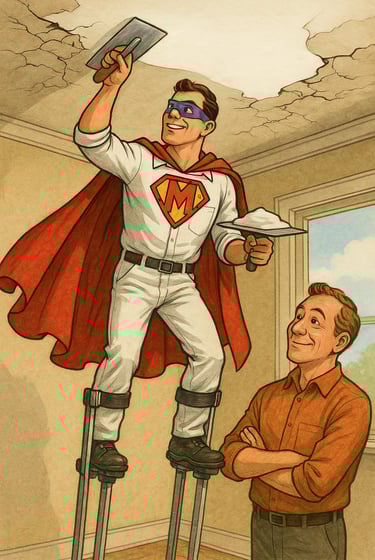
How To Paint a Stucco Ceiling
At MrWalls Drywall & Painting, we paint stucco ceilings after we clean them, repair weak spots, and use the right primer and paint. The goal is simple. Get solid coverage without flattening the texture or making a mess.
COMMON QUESTIONSINTERIOR PAINTINGPOPCORN TEXTURE
How to Paint Stucco Ceiling Text
Painting a stucco ceiling takes more work than painting a flat ceiling. The surface is rough. It holds dust. It soaks up paint unevenly. If you rush it, the finish looks patchy and the texture can start to break loose. How to paint stucco ceiling texture right
At MrWalls Drywall & Painting, we paint stucco ceilings after we clean them, repair weak spots, and use the right primer and paint. The goal is simple. Get solid coverage without flattening the texture or making a mess.
What Is a Stucco Ceiling
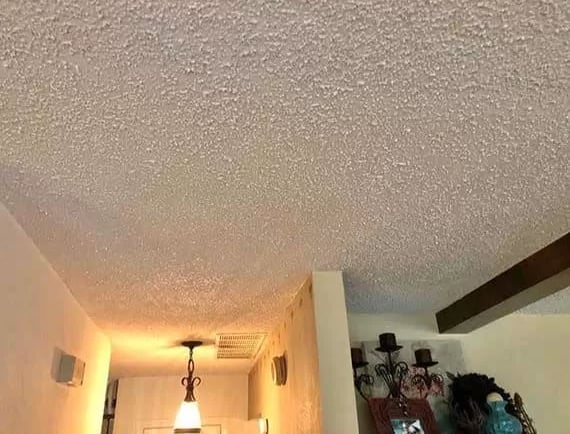
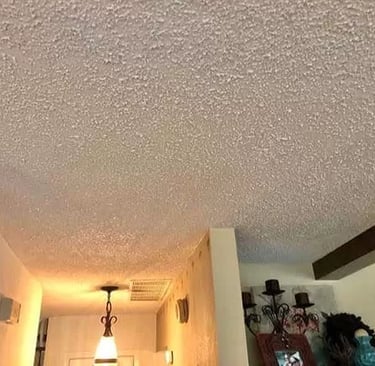
A stucco ceiling has a heavy textured finish. In some homes the texture is sand based. In others it is a hand applied plaster or drywall texture with raised high spots. People often call any rough ceiling stucco, even when it is a painted texture over drywall.
The surface matters because rough ceilings need a different prep and paint method than smooth drywall.
Start With the Condition of the Ceiling
Before you paint, check the ceiling closely.
Look for stains, cracks, peeling paint, loose texture, water damage, smoke residue, and old repairs. A stucco ceiling hides damage well from the floor. Up close, the weak spots show up fast.
If the ceiling has water stains or soft areas, fix that first. Paint will not solve a damaged ceiling. If the texture is loose, scrape the bad material off and patch the area before priming.
Clean the Surface First
Stucco ceilings collect dust in every low spot. Kitchen ceilings also hold grease. Bathroom ceilings hold soap film and moisture.
If you paint over dust, the new paint will not bond well. The finish can dry uneven and the roller will drag debris across the texture.
Use a soft brush, vacuum with a brush attachment, or a light wipe down where needed. Do not soak the ceiling. Too much water can soften old paint or damage weak texture.
Repair Before You Paint
Small cracks, nail pops, and broken texture spots should be repaired first. On older ceilings, some areas need patching and retexturing before paint.
This step matters more on stucco ceilings because the surface already has a lot of visual movement. A bad patch stands out fast after the new paint goes on.
If the ceiling has peeling layers or large damaged sections, repair the surface before you think about finish paint.
Use Primer When Needed
A primer helps in three common situations.
First, when the ceiling has water stains.
Second, when repairs were made.
Third, when the old finish is chalky, uneven, or hard to bond to.
Without primer, stains can bleed through. Patches can flash through the finish. Rough surfaces can absorb paint at different rates and leave a blotchy look.
Choose the Right Paint
Flat ceiling paint usually works best on a stucco ceiling. It hides uneven spots better than paint with shine. A shinier finish tends to catch light on every raised edge and low spot.
For bathrooms, use a ceiling paint made for higher moisture areas. For kitchens, make sure the ceiling is cleaned well before paint goes on.
A thick paint with good hiding power helps, but it still needs the right application. Heavy paint alone will not fix poor prep.
Use the Right Roller
A smooth roller will miss the low spots in the texture. A thicker nap roller works better because it reaches deeper into the surface.
Even with the right roller, rough ceilings take more paint than flat ceilings. Expect slower work and more splatter.
Keep the roller loaded, but do not flood the surface. Too much paint can build up on the high points and start to drip.
Cut In Carefully
Brush work around the ceiling edges should be light and controlled. If you push too hard, the brush leaves heavy paint lines against the wall or crown.
A clean cut line matters because textured ceilings already draw the eye. Sloppy edges make the whole job look rough.
Roll in Small Sections
Work in small sections and keep a wet edge. Roll in different directions so the paint reaches all sides of the texture.
Do not overwork one spot after the paint starts to dry. That can pull texture loose or leave roller marks in the finish.
Most stucco ceilings need two coats for even coverage. One coat often leaves light spots on the raised areas and deep pockets.
Watch for Splatter
Stucco ceiling paint jobs throw more splatter than wall painting or smooth ceiling painting. Cover floors, furniture, light fixtures, and wall tops before you start.
This is one reason many homeowners call out this job after trying one room on their own. The cleanup gets old fast.
Common Problems When Painting a Stucco Ceiling
The most common problems are missed low spots, heavy buildup on the high spots, uneven color, roller lint, bleed through stains, and loose texture coming off during painting.
Most of these problems start before the paint itself. Bad prep, weak surface material, or the wrong roller usually causes the trouble.
When to Call a Pro
Some stucco ceilings paint well after simple prep. Others do not.
If the ceiling has old water damage, peeling paint, repaired cracks, patched texture, smoke staining, or loose areas, the job gets harder fast. In those cases, repair work matters as much as the paint.
At MrWalls Drywall & Painting, we handle the prep, patching, priming, and finish painting. We work on textured drywall ceilings, plaster ceilings, and stucco style ceiling finishes.
Need Help Painting a Stucco Ceiling
If you need help with how to paint a stucco ceiling, MrWalls Drywall & Painting can take a look. We repair damaged ceilings, patch texture, stain block problem areas, and apply finish coats that cover evenly. (413)302-0640
Send over a few photos or contact us for an estimate. We will tell you if the ceiling needs repair first or if it is ready for paint.
Home | Contact | Offices | Faq | Service Area | Blog | Drywall Finishing | Drywall Taping | Drywall Repair | Plaster Repair | Ceiling Repair | Wall Repair | Drywall Installation | Drywall Hanging | Popcorn Ceiling Repair | Hole in Ceiling | Fix Hole In The Wall | Interior Painting | Knockdown Texture | Water Damage Repair | Drywall Bathroom | Drywall Ceiling | Soundboard | Drywall Patch | Ice Dam Roof Leak | Drywall over Plaster | Drywall Over Popcorn | Skim Coat Level 5 | Popcorn Texture Removal | Drywall Finish Levels | | Refund Policy | Privacy Policy | Terms and Conditions


600 East Main St Chicopee, MA, 01020
203 Circuit Ave n39, West Springfield, MA 01089