
Moisture resistant sheetrock in bathroom renovations
When remodeling your bathroom, always use mold and moisture-resistant sheetrock. It's the key to a durable, long-lasting bathroom while safeguarding against mold and moisture damage. We will go into why it is important, and the differences between regular drywall and mold and moisture-resistant board.
SHEETROCKCOMMON QUESTIONS

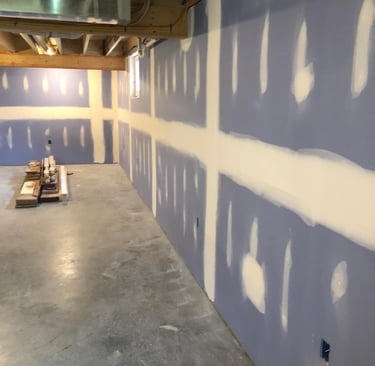
Moisture resistant sheetrock in bathroom renovations
When remodeling your bathroom, always use mold and moisture-resistant sheetrock. It's the key to a durable, long-lasting bathroom while safeguarding against mold and moisture damage. We will go into why it is important, and the differences between regular drywall and mold and moisture-resistant board.
Understanding Moisture Resistant Sheetrock
When it comes to bathroom renovations, one of the essential considerations is the choice of materials that can withstand the high-moisture environment. Enter moisture-resistant sheetrock, often referred to as green board or mold-resistant drywall. This special type of sheetrock is engineered specifically to resist moisture and prevent mold growth, making it an ideal choice for bathroom walls and ceilings.
Moisture-resistant sheetrock is manufactured with a water-resistant core and covered with a thick, non-organic face paper that wards off moisture. This design helps to reduce the risk of mold and mildew, which thrive in damp conditions. Unlike regular drywall, which can become a breeding ground for mold when exposed to moisture, moisture-resistant sheetrock provides a barrier that helps to keep your walls dry and healthy.
The importance of using moisture-resistant sheetrock in bathrooms cannot be overstated. Bathrooms are typically the most humid areas in a home, with constant exposure to water from showers, baths, and sinks. Without the right type of wallboard, this moisture can seep into the walls, leading to structural damage and health hazards. By choosing moisture-resistant sheetrock, you are investing in the longevity and safety of your bathroom.
Benefits of Using Moisture Resistant Sheetrock in Bathrooms
One of the most significant benefits of using moisture-resistant sheetrock in bathrooms is its ability to prevent mold growth. Mold can cause a range of health issues, including respiratory problems, allergic reactions, and even more severe conditions in individuals with compromised immune systems. By using a material that is designed to resist moisture, you greatly reduce the likelihood of mold developing behind your walls.
Another advantage of moisture-resistant sheetrock is its durability. Bathrooms are high-traffic areas that experience a lot of wear and tear. Traditional drywall can easily become damaged by water, leading to crumbling and weakening over time. Moisture-resistant sheetrock, on the other hand, is designed to withstand these conditions, providing a more durable and long-lasting solution for your bathroom walls.
Additionally, using moisture-resistant sheetrock can enhance the overall value of your home. Potential buyers are often looking for homes with modern, well-maintained bathrooms. By investing in high-quality materials that resist moisture and mold, you are not only improving the functionality of your bathroom but also increasing the appeal and value of your home to future buyers.
Comparing Moisture Resistant Sheetrock to Regular Drywall
When comparing moisture-resistant sheetrock to regular drywall, several key differences become apparent. Standard drywall is made from a gypsum core sandwiched between two layers of paper. This paper can absorb moisture, which can cause the gypsum to break down and mold to grow. In contrast, moisture-resistant sheetrock has a specially treated core and a non-organic face paper that resists moisture and mold.
Another difference is in the weight and thickness of the materials. Moisture-resistant sheetrock is typically denser and heavier than standard drywall. This added density provides extra strength and durability, making it better suited for high-moisture environments like bathrooms. While this can make installation slightly more challenging, the benefits of increased durability and moisture resistance far outweigh the drawbacks.
Cost is another factor to consider when comparing the two materials. Moisture-resistant sheetrock tends to be more expensive than regular drywall. However, the initial investment can save you money in the long run by preventing costly repairs and health issues related to mold and water damage. When planning a bathroom renovation, it’s essential to weigh the upfront costs against the long-term benefits of using moisture-resistant sheetrock.
Key Features to Look for in Moisture Resistant Sheetrock
When selecting moisture-resistant sheetrock for your bathroom renovation, there are several key features to look for to ensure you are getting a high-quality product. One of the most important features is mold resistance. Look for sheetrock that has been treated with mold inhibitors to provide an additional layer of protection against mold growth.
Another crucial feature is the water-resistant core. The core of the sheetrock should be treated to resist water absorption, which helps to prevent the breakdown of the material and maintain its structural integrity. Additionally, the face paper should be non-organic and designed to repel moisture. This combination of a water-resistant core and moisture-repellent face paper provides the best protection against water damage.
Fire resistance is another feature to consider, especially in areas where electrical wiring and fixtures are present. Some moisture-resistant sheetrock products are also fire-rated, providing an added layer of safety for your home. Check the product specifications to ensure that the sheetrock meets the necessary fire safety standards for your bathroom renovation.
Installation Tips for Moisture Resistant Sheetrock
Installing moisture-resistant sheetrock requires some specific techniques to ensure it performs effectively. First, ensure that the framing in your bathroom is dry and free of any existing mold or mildew before installing the sheetrock. Any existing moisture issues should be addressed to prevent future problems.
When cutting moisture-resistant sheetrock, use a utility knife to score the paper and then snap the sheet along the scored line. This method helps to maintain the integrity of the moisture-resistant properties. Be sure to wear appropriate safety gear, such as gloves and a dust mask, to protect yourself from dust and debris during the cutting process.
Proper sealing is crucial when installing moisture-resistant sheetrock. Use mold-resistant joint compound and tape to seal the seams between sheets. Apply a primer and paint that are designed for high-moisture environments to provide an additional layer of protection. Ensuring that all seams and edges are properly sealed will help to prevent moisture from seeping behind the sheetrock and causing damage.
Common Mistakes to Avoid When Using Moisture Resistant Sheetrock
One common mistake when using moisture-resistant sheetrock is failing to properly seal the edges and seams. Even the best moisture-resistant sheetrock can be compromised if water is allowed to penetrate through unsealed joints. Be meticulous in sealing all seams and edges with mold-resistant tape and joint compound to ensure a watertight installation.
Another mistake is neglecting to address existing moisture issues before installation. If there is already mold or moisture present in the bathroom, installing moisture-resistant sheetrock will not solve the problem. It is essential to identify and fix any leaks, ventilation issues, or water damage before proceeding with the installation of the new sheetrock.
Finally, using the wrong type of fasteners can compromise the effectiveness of moisture-resistant sheetrock. Standard drywall screws may not provide the necessary hold in wet conditions. Instead, use corrosion-resistant screws specifically designed for use with moisture-resistant sheetrock. This will ensure that the sheetrock stays securely in place, even in a humid bathroom environment.
Cost Analysis: Moisture Resistant Sheetrock vs. Traditional Options
When considering the cost of moisture-resistant sheetrock compared to traditional options, it’s important to look beyond the initial price per sheet. While moisture-resistant sheetrock is typically more expensive upfront, it offers long-term savings by preventing costly repairs and health issues associated with mold and water damage. Investing in moisture-resistant sheetrock can save homeowners money in the long run by reducing the need for frequent repairs and replacements.
The cost of traditional drywall may be lower initially, but it can quickly add up if water damage occurs. Water-damaged drywall often needs to be replaced entirely, which can be a significant expense. Additionally, the presence of mold can require professional remediation, which can be costly and time-consuming. By choosing moisture-resistant sheetrock, homeowners can avoid these potential expenses and the hassle of dealing with water damage and mold remediation.
Labor costs should also be considered in the cost analysis. While moisture-resistant sheetrock may be slightly more challenging to install due to its increased weight and density, the installation process is similar to that of regular drywall. The additional cost of labor is often minimal compared to the long-term benefits of using a more durable and moisture-resistant material.
Maintenance and Care for Moisture Resistant Sheetrock
Proper maintenance and care are essential to ensure the longevity and effectiveness of moisture-resistant sheetrock in your bathroom. Regularly inspect the walls and ceilings for any signs of water damage or mold growth. Address any issues promptly to prevent them from becoming more severe. If you notice any discoloration, swelling, or mold, take immediate action to identify and fix the source of the moisture.
Cleaning the surfaces of moisture-resistant sheetrock is relatively simple. Use a mild detergent and water to clean the walls, and avoid using harsh chemicals that can damage the surface. Regular cleaning helps to remove any dirt and grime that can contribute to mold growth. Ensure that the bathroom is well-ventilated to reduce humidity levels and prevent moisture buildup.
Repainting the walls periodically can also help to maintain the moisture-resistant properties of the sheetrock. Use a high-quality, mold-resistant primer and paint designed for high-moisture environments. This additional layer of protection can help to seal the surface and prevent moisture from penetrating the sheetrock. Regular maintenance and care will extend the life of your moisture-resistant sheetrock and keep your bathroom looking and functioning at its best.
Real-Life Case Studies: Successful Bathroom Renovations
To illustrate the effectiveness of moisture-resistant sheetrock, let’s look at some real-life case studies of successful bathroom renovations. In one case, a homeowner in a humid climate decided to renovate their outdated bathroom. They opted for moisture-resistant sheetrock to prevent the recurring mold issues they had experienced with regular drywall. The result was a mold-free bathroom that remained in excellent condition for years, despite the high humidity levels.
Another example is a family who decided to remodel their small guest bathroom. They chose moisture-resistant sheetrock to ensure the durability and longevity of the renovation. Despite frequent use by guests and family members, the bathroom walls remained in excellent condition, with no signs of water damage or mold growth. The family was pleased with the investment and the peace of mind it provided.
In a commercial setting, a hotel decided to renovate its guest bathrooms using moisture-resistant sheetrock. The hotel management was concerned about the high turnover of guests and the constant exposure to water. By choosing moisture-resistant sheetrock, they were able to create a more durable and low-maintenance bathroom environment. The hotel experienced fewer maintenance issues and received positive feedback from guests about the clean and well-maintained bathrooms.
Conclusion: Making the Right Choice for Your Bathroom Renovation
When it comes to bathroom renovations, choosing the right materials is crucial for ensuring the durability, functionality, and safety of the space. Moisture-resistant sheetrock offers numerous benefits, including mold resistance, durability, and long-term cost savings. By investing in moisture-resistant sheetrock, homeowners can create a bathroom that not only looks great but also stands up to the challenges of a high-moisture environment.
Understanding the differences between moisture-resistant sheetrock and regular drywall, and knowing what features to look for, can help you make an informed decision for your renovation project. Proper installation and maintenance are essential for maximizing the benefits of moisture-resistant sheetrock and ensuring its longevity.
Real-life case studies demonstrate the effectiveness of moisture-resistant sheetrock in creating durable, low-maintenance bathrooms that can withstand the test of time. Whether you are renovating your bathroom for personal use or preparing your home for sale, moisture-resistant sheetrock is a wise investment that provides peace of mind and long-term value.
In conclusion, moisture-resistant sheetrock is an essential component of any bathroom renovation. By choosing this specialized material, you can protect your bathroom from the damaging effects of moisture and mold, ensuring a safe and healthy environment for you and your family. Make the right choice for your bathroom renovation and enjoy the benefits of moisture-resistant sheetrock for years to come.
Home | Contact | Offices | Faq | Service Area | Blog | Drywall Finishing | Drywall Taping | Drywall Repair | Plaster Repair | Ceiling Repair | Wall Repair | Drywall Installation | Drywall Hanging | Popcorn Ceiling Repair | Hole in Ceiling | Fix Hole In The Wall | Interior Painting | Knockdown Texture | Water Damage Repair | Drywall Bathroom | Drywall Ceiling | Soundboard | Drywall Patch | Ice Dam Roof Leak | Drywall over Plaster | Drywall Over Popcorn | Skim Coat Level 5 | Popcorn Texture Removal | Drywall Finish Levels | | Refund Policy | Privacy Policy | Terms and Conditions


600 East Main St Chicopee, MA, 01020
203 Circuit Ave n39, West Springfield, MA 01089