
How to Repair Water Stains on Popcorn Ceilings
Water stains on popcorn ceilings can be unsightly and frustrating. Discover effective methods we use to repair these blemishes and restore your ceiling’s charm.
POPCORN TEXTURESKIM COATINGCEILING WATER DAMAGE
How to Effectively Repair Water Stains on Popcorn Ceilings
Water stains on popcorn ceilings can be unsightly and frustrating. Discover effective methods twe use to repair these blemishes and restore your ceiling’s charm.
Understanding Popcorn Ceilings and Water Stains
Popcorn ceilings, also known as acoustic ceilings, were a popular choice in homes built between the 1950s and 1980s. They are characterized by their bumpy, textured appearance, achieved by spraying or painting on a special mixture that usually includes materials like Styrofoam or vermiculite. The primary appeal of popcorn ceilings was their ability to hide imperfections, provide sound insulation, and add a unique aesthetic to living spaces. Despite falling out of favor in contemporary interior design, many older homes still feature these ceilings.
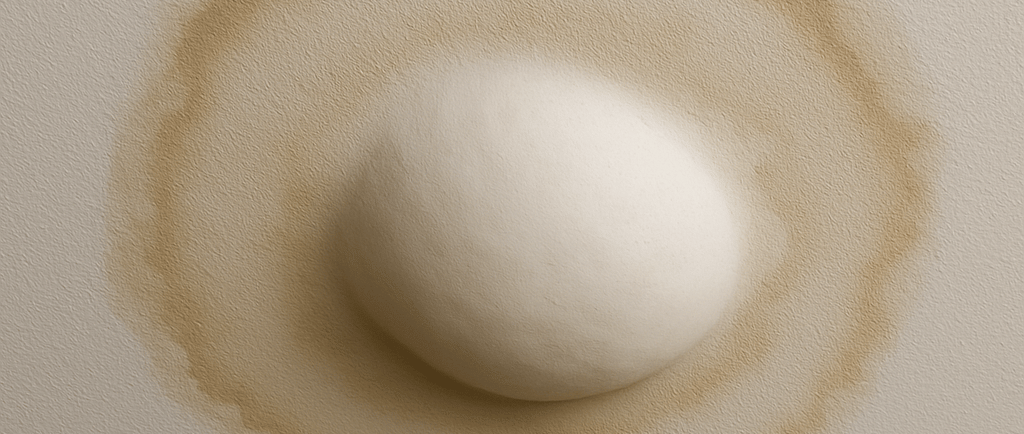
Water stains on popcorn ceilings can be a significant issue, detracting from the overall appearance of a room. These stains often manifest as unsightly brown or yellowish spots, marring the clean, white texture of the ceiling. Aside from the aesthetic impact, water stains can also indicate more serious underlying problems, such as roof leaks, plumbing issues, or poor ventilation. Addressing these stains promptly is crucial to maintaining both the appearance and structural integrity of your home.
Understanding the composition and history of popcorn ceilings is essential when planning repairs. The presence of asbestos in some older popcorn ceilings can complicate the repair process, as asbestos fibers pose significant health risks when disturbed. Therefore, any repair work should be approached with caution, and testing for asbestos should be conducted if there is any uncertainty about the ceiling's composition. With the right knowledge and tools, however, water stains on popcorn ceilings can be effectively repaired, restoring the ceiling's original charm and ensuring the safety of your home.
Common Causes of Water Stains on Popcorn Ceilings
Water stains on popcorn ceilings can arise from various sources. One of the most common causes is roof leaks. Damaged or missing shingles, worn-out flashing, or clogged gutters can allow water to seep into the attic and eventually reach the ceiling. This water infiltration can result in unsightly stains, as well as potential structural damage if not addressed promptly. Regular roof maintenance and inspections can help prevent leaks and the subsequent water stains they cause.
Another frequent culprit behind water stains is plumbing issues. Leaky pipes, especially those running through the attic or between floors, can lead to water damage on ceilings. Over time, even small leaks can cause significant staining and damage to the popcorn texture. Identifying and repairing plumbing leaks as soon as they are detected is crucial to prevent extensive water damage and maintain the integrity of your ceilings.
Poor ventilation in areas like bathrooms and kitchens can also contribute to water stains on popcorn ceilings. Excessive humidity and condensation can accumulate on the ceiling, leading to moisture buildup and eventual staining. Installing proper ventilation systems, such as exhaust fans, can help mitigate this issue by reducing moisture levels in these areas. Additionally, ensuring that your home is well-ventilated overall can prevent humidity-related water stains and maintain a healthier indoor environment.
Assessing the Damage: Is Repair Possible?
Before embarking on any repair work, it is essential to assess the extent of the damage caused by water stains on your popcorn ceiling. This evaluation will help determine whether a simple repair is sufficient or if more extensive work is needed. Begin by examining the size and severity of the stains. Small, localized stains may be easier to address, while larger, widespread stains could indicate more serious underlying issues that require professional intervention.
In addition to the size of the stains, consider the condition of the popcorn texture itself. If the texture is flaking or peeling away, it may need to be replaced rather than repaired. In some cases, the water damage may have weakened the ceiling material, making it necessary to remove and replace the affected sections entirely. A thorough inspection of the ceiling will help you make an informed decision about the best course of action.
Another critical factor to consider is the presence of mold or mildew. Water stains can create a conducive environment for mold growth, which can pose health risks and further damage the ceiling. If you notice any signs of mold, such as a musty odor or visible mold spores, it is essential to address this issue before proceeding with repairs. Mold remediation may require professional assistance to ensure that the problem is thoroughly resolved and does not recur.
Tools and Materials We Use for Repair
Repairing water stains on popcorn ceilings requires specific tools and materials to achieve a seamless and professional-looking result. One of the most critical items is a popcorn ceiling patch kit, which typically includes a spray texture that matches the original popcorn finish. These kits are designed to blend seamlessly with the existing ceiling texture, making it easier to achieve a consistent look.
In addition to the patch kit, you will need a variety of other tools and materials to complete the repair. These may include a utility knife, a putty knife, sandpaper, painter's tape, and a drop cloth to protect your floors and furniture. A ladder or step stool will also be necessary to reach the ceiling comfortably and safely. Having all these tools on hand before starting the repair will help ensure a smooth and efficient process.
To address the water stains themselves, you will need a stain-blocking primer and matching ceiling paint. The primer is crucial for preventing the water stains from bleeding through the new paint and ensuring a uniform finish. Be sure to choose a high-quality primer and paint that are specifically designed for use on ceilings to achieve the best results. With the right tools and materials, you can effectively repair water stains and restore your popcorn ceiling to its original condition.
Step-by-Step How We Repair Water Stains
Repairing water stains on popcorn ceilings involves several steps to ensure a thorough and professional result. First, ensure the area is safe and prepared for work. Lay down a drop cloth to protect your floors and furniture, and use painter's tape to mask off any areas you don't want to get paint or primer on. Safety gear, such as goggles and a dust mask, is also essential to protect yourself from debris and potential asbestos exposure.
Begin by addressing the water stains themselves. Use a utility knife to carefully scrape away any loose or damaged popcorn texture around the stained area. Be gentle to avoid removing more texture than necessary. Once the damaged texture is removed, sand the area lightly with sandpaper to create a smooth surface for the patching compound.
Next, apply a stain-blocking primer to the stained area. This step is crucial for preventing the water stain from bleeding through the new texture and paint. Allow the primer to dry completely according to the manufacturer's instructions. Once the primer is dry, use the popcorn ceiling patch kit to apply the new texture. Follow the instructions on the kit carefully to ensure a seamless blend with the existing ceiling texture. After the texture has dried, paint over the repaired area with matching ceiling paint to achieve a uniform finish.
How We Match Texture and Color
Achieving a seamless repair on a popcorn ceiling involves more than just covering up the stain; it requires matching the texture and color to blend with the existing ceiling. The first step in this process is selecting the right popcorn ceiling patch kit. These kits come in various formulations, so it's essential to choose one that closely matches the original texture of your ceiling. Take note of the size and density of the popcorn particles and compare them to the options available in the patch kits.
Once you have the right patch kit, the application technique is crucial. Follow the instructions provided with the kit to apply the texture in a way that mimics the original pattern. This often involves spraying or dabbing the texture onto the ceiling, then using a brush or sponge to blend the edges. Practice on a piece of cardboard or scrap material before applying the texture to the ceiling to ensure you achieve the desired look.
Matching the color is equally important for a seamless repair. Use a high-quality ceiling paint that matches the existing color as closely as possible. If you don't have the original paint, take a small sample of the ceiling material to a paint store for color matching. Apply the paint in thin, even layers, allowing each coat to dry completely before applying the next. This will help ensure a uniform finish that blends seamlessly with the rest of the ceiling.
Preventing Future Water Stains on Popcorn Ceilings
Once you have successfully repaired the water stains on your popcorn ceiling, it's essential to take steps to prevent future issues. Regular maintenance and inspections can help identify potential problems before they lead to water damage. Start by inspecting your roof and gutters at least twice a year, especially after severe weather. Look for damaged or missing shingles, clogged gutters, and any signs of water infiltration.
In addition to roof maintenance, keep an eye on your home's plumbing system. Check for leaks regularly, paying particular attention to pipes running through the attic or between floors. Even small leaks can lead to significant water damage over time, so it's crucial to address any issues promptly. Installing water leak detectors in key areas can provide an early warning system and help prevent extensive damage.
Improving ventilation in areas prone to humidity, such as bathrooms and kitchens, can also help prevent water stains on popcorn ceilings. Ensure that exhaust fans are functioning correctly and consider installing additional ventilation if needed. Regularly clean and maintain these systems to keep them working efficiently. By taking these preventative measures, you can protect your ceilings from future water stains and maintain the overall health and appearance of your home.
Why Hire A Professional: What to Consider
While repairing water stains on popcorn ceilings can be a DIY project, there are several reasons why you might consider hiring a professional. One of the most critical factors is the potential presence of asbestos in older popcorn ceilings. If your home was built before the 1980s, there is a chance that the ceiling texture contains asbestos, which poses significant health risks when disturbed. A professional can safely test for asbestos and handle the repair process if it is present.
In addition to safety concerns, hiring a professional can ensure a higher quality and more seamless repair. Professionals have the experience and expertise to match the texture and color of the existing ceiling accurately, achieving a result that blends perfectly with the surrounding area. They also have access to specialized tools and materials that may not be readily available to the average homeowner.
Time and convenience are other factors to consider. Repairing water stains on popcorn ceilings can be a time-consuming and labor-intensive process, especially if you are unfamiliar with the techniques involved. A professional can complete the job more quickly and efficiently, allowing you to focus on other tasks. Ultimately, hiring a professional can provide peace of mind, knowing that the repair is done correctly and safely.
Maintenance Tips for Popcorn Ceilings
Maintaining popcorn ceilings involves regular cleaning and inspections to keep them looking their best and prevent potential issues. Dust and cobwebs can accumulate on the textured surface, so it's essential to clean the ceiling periodically. Use a soft-bristle brush or a vacuum cleaner with a brush attachment to gently remove dust and debris. Avoid using water or cleaning solutions, as these can damage the texture and cause it to flake off.
Regular inspections are crucial for identifying potential problems before they become significant issues. Check for signs of water damage, such as stains or discoloration, and address any leaks or moisture issues promptly. Inspect the ceiling for cracks or areas where the texture is peeling, as these can indicate underlying structural problems. Repair any damage as soon as it is detected to prevent it from worsening.
In addition to cleaning and inspections, consider applying a fresh coat of paint to your popcorn ceiling every few years. This can help maintain its appearance and provide an extra layer of protection against stains and moisture. Use a high-quality ceiling paint and apply it in thin, even layers to achieve a smooth finish. With regular maintenance and care, your popcorn ceiling can remain in excellent condition for years to come.
Conclusion and Final Thoughts on Ceiling Care
Water stains on popcorn ceilings can be a frustrating and unsightly issue, but with the right approach, they can be effectively repaired. Understanding the causes of water stains and taking steps to prevent future damage is crucial for maintaining the appearance and integrity of your ceilings. Whether you choose to tackle the repair yourself or hire a professional, having the right tools and materials is essential for achieving a seamless and professional-looking result.
Regular maintenance and inspections are key to preventing water stains and other issues on popcorn ceilings. By keeping an eye on your roof, plumbing, and ventilation systems, you can identify and address potential problems before they lead to significant damage. Cleaning and maintaining your ceiling regularly will also help keep it looking its best and extend its lifespan.
In conclusion, while water stains on popcorn ceilings can be a challenge, they are not insurmountable. With the right knowledge, tools, and approach, you can restore your ceiling's charm and prevent future issues. Whether you choose to handle the repair yourself or enlist the help of a professional, taking action promptly and maintaining your ceiling regularly will ensure that it remains a beautiful and functional part of your home.
Home | Contact | Offices | Faq | Service Area | Blog | Drywall Finishing | Drywall Taping | Drywall Repair | Plaster Repair | Ceiling Repair | Wall Repair | Drywall Installation | Drywall Hanging | Popcorn Ceiling Repair | Hole in Ceiling | Fix Hole In The Wall | Interior Painting | Knockdown Texture | Water Damage Repair | Drywall Bathroom | Drywall Ceiling | Soundboard | Drywall Patch | Ice Dam Roof Leak | Drywall over Plaster | Drywall Over Popcorn | Skim Coat Level 5 | Popcorn Texture Removal | Drywall Finish Levels | | Refund Policy | Privacy Policy | Terms and Conditions


600 East Main St Chicopee, MA, 01020
203 Circuit Ave n39, West Springfield, MA 01089