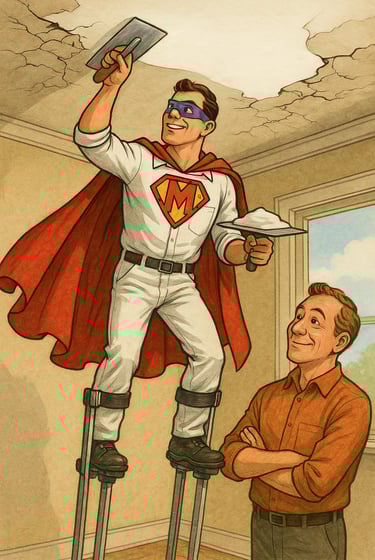
Step-by-Step Guide to Patch a Drywall Hole Like a Pro
Transform unsightly drywall holes into flawless walls with our step-by-step guide. Master the art of patching like a professional and enhance your home's appeal!
FIXING A HOLEDRYWALL REPAIRPATCHING
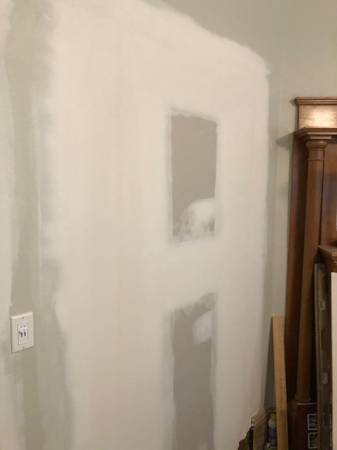
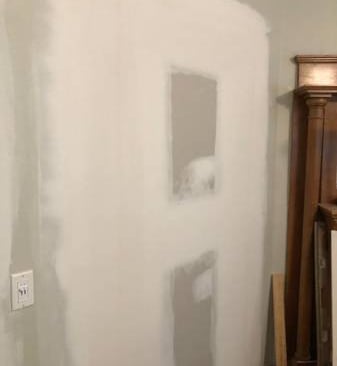
Mastering Drywall Repair: Quick Steps to Patch Holes Perfectly
Transform your walls with confidence! Mastering drywall repair is easier than you think. Follow these quick steps to patch holes perfectly every time.
Understanding Drywall: Types and Uses
Drywall, also known as plasterboard or wallboard, is a construction material commonly used to create interior walls and ceilings. It is composed of a gypsum plaster core sandwiched between two sheets of heavy paper. The widespread use of drywall can be attributed to its affordability, ease of installation, and versatility in creating smooth surfaces for painting or wallpapering. There are several types of drywall available, each designed for specific applications and requirements. Standard drywall is the most common and is suitable for most residential and commercial projects. It comes in various thicknesses, with 1/2 inch being the most commonly used.
In addition to standard drywall, there are several specialized types tailored to meet different needs. Moisture-resistant drywall, also known as green board, is designed for use in areas with high humidity, such as bathrooms and kitchens. It has a water-resistant core and a green paper facing that helps prevent mold growth. Fire-resistant drywall, often referred to as Type X, contains special additives that enhance its ability to withstand high temperatures, making it ideal for use in garages, utility rooms, and other areas where fire resistance is essential. Soundproof drywall, which is denser and heavier than standard drywall, is designed to reduce noise transmission between rooms, making it a popular choice for home theaters and recording studios.
Another important type is the lightweight drywall, which is easier to handle and install due to its reduced weight. It is particularly useful for ceilings and upper walls where maneuverability is crucial. Additionally, there is flexible drywall, which can be curved and shaped to fit unique architectural designs, such as arches and rounded walls. Understanding the different types of drywall and their specific uses is essential for selecting the right material for your project and ensuring a successful outcome. Each type of drywall offers unique benefits and should be chosen based on the specific requirements of the space and the nature of the repair or installation.
Common Causes of Drywall Damage
Drywall damage is a common issue that homeowners encounter, and it can result from various factors. One of the most prevalent causes is accidental impact. Everyday activities, such as moving furniture, can lead to dents, dings, or even holes in the walls. Children playing indoors or pets running around can also inadvertently cause damage. These incidents, while often minor, can be unsightly and may require repair to maintain the aesthetic appeal of your home. Heavy picture frames, mirrors, and wall-mounted televisions can also pose a risk if not properly secured, leading to stress on the drywall and potential damage.
Another significant cause of drywall damage is moisture. Water leaks from plumbing issues, roof leaks, or condensation can lead to water stains, bubbling, and crumbling of the drywall. In severe cases, prolonged exposure to moisture can result in mold growth, which not only damages the drywall but also poses health risks to the occupants. Bathrooms, kitchens, and basements are particularly susceptible to moisture-related damage, making the use of moisture-resistant drywall in these areas a wise choice. Addressing the source of moisture and repairing the affected drywall promptly can prevent further deterioration and maintain a healthy indoor environment.
Structural issues in the building can also lead to drywall damage. Settling of the foundation, for example, can cause cracks to appear in the walls and ceilings. These cracks can range from small hairline fractures to more substantial splits that compromise the integrity of the drywall. Additionally, improper installation or use of inferior materials can result in poor performance and increased susceptibility to damage. Identifying and addressing the underlying causes of drywall damage is crucial to ensuring long-lasting repairs and preventing recurrence. Regular maintenance and inspection can help detect issues early and allow for timely intervention.
Tools and Materials Needed for Drywall Repair
To achieve a professional-quality drywall repair, having the right tools and materials is essential. Basic tools required for most repairs include a utility knife, a drywall saw, and a putty knife. The utility knife is used for scoring and cutting the drywall, while the drywall saw is useful for making precise cuts and removing damaged sections. A putty knife, available in various sizes, is indispensable for applying joint compound and smoothing out patches. For larger repairs, a drywall T-square and a keyhole saw may also be necessary to ensure straight cuts and accurate measurements.
In addition to tools, several materials are needed to complete the repair. Joint compound, also known as mud, is a versatile material used to fill gaps, smooth surfaces, and create a seamless finish. It is available in pre-mixed and powdered forms, with the pre-mixed variety being more convenient for small repairs. Drywall tape, either paper or mesh, is used to reinforce joints and seams, preventing cracks and ensuring a durable repair. Paper tape is generally preferred for its strength, while mesh tape is easier to use for beginners and provides excellent adhesion.
Patching materials are also crucial for effective drywall repair. For small holes, pre-made patches made of metal or fiberglass mesh can be used to cover the damage before applying joint compound. For larger holes, a piece of drywall cut to size will be needed to create a new section. Sanding tools, such as sanding sponges or sandpaper, are essential for smoothing out the joint compound and creating a flawless surface ready for painting. Primer and paint, matched to the existing wall color, will be required to complete the repair and restore the wall's appearance. Having these tools and materials on hand will ensure you are well-prepared to tackle any drywall repair project with confidence.
Assessing the Size of the Hole: When to Patch vs. Replace
Determining whether to patch or replace a section of drywall depends largely on the size and extent of the damage. Small holes, such as those caused by nails or screws, can typically be patched quickly and easily. These minor imperfections often require little more than a dab of joint compound and some light sanding to achieve a smooth finish. Even slightly larger holes, up to a few inches in diameter, can usually be patched using a drywall repair kit or a piece of scrap drywall. These kits often include everything needed to complete the repair, such as a self-adhesive patch, joint compound, and a putty knife.
For medium-sized holes, typically those between a few inches and a foot in diameter, a more involved approach may be necessary. These repairs often require cutting out the damaged section and replacing it with a new piece of drywall, secured with drywall screws or adhesive. The edges of the new piece should be taped and mudded to create a seamless transition with the surrounding wall. This method ensures the repair is sturdy and blends well with the existing surface. Properly assessing the size of the hole and choosing the appropriate repair method is crucial for achieving a professional-looking result.
Large holes and extensive damage, such as those caused by water leaks or structural issues, often necessitate replacing entire sections of drywall. In these cases, it is important to first address the underlying cause of the damage to prevent recurrence. Removing the damaged drywall and installing new panels is a more labor-intensive process but ensures the integrity and appearance of the wall are restored. For extensive repairs, it may be advisable to consult with a professional to ensure the work is done correctly and safely. Understanding when to patch versus when to replace is key to efficient and effective drywall repair.
Step-by-Step Guide to Patching Small Holes
Patching small holes in drywall is a straightforward process that can be completed with a few basic tools and materials. Begin by preparing the area around the hole. Use a utility knife to clean up any ragged edges and remove loose debris. For holes smaller than a quarter of an inch, simply apply a small amount of joint compound to the hole using a putty knife. Press the compound into the hole, ensuring it fills the space completely. Smooth the surface with the putty knife, feathering the edges to blend with the surrounding wall. Allow the compound to dry according to the manufacturer's instructions, then sand lightly to achieve a smooth finish.
For slightly larger holes, up to about two inches in diameter, a different approach is needed. Start by cleaning the area around the hole as described previously. Next, use a drywall patch or a piece of mesh tape to cover the hole. If using a pre-made patch, simply peel off the backing and press it firmly over the hole. If using mesh tape, cut a piece large enough to cover the hole and adhere it to the wall. Apply a layer of joint compound over the patch or tape, using a putty knife to smooth it out and feather the edges. Allow the compound to dry completely, then apply a second coat if necessary to build up the surface. Once dry, sand the area smoothly to blend with the surrounding wall.
After the patch has been sanded, the next step is to prime and paint the repaired area. Apply a coat of primer to the patched section, ensuring it covers the entire area and extends slightly beyond the edges of the repair. This will help the new paint adhere properly and match the existing wall color. Once the primer is dry, apply the paint in thin, even coats, allowing each coat to dry before applying the next. For best results, use a paint that matches the existing wall color exactly. With careful attention to detail and proper technique, small holes in drywall can be patched quickly and effectively, leaving no trace of the damage.
How to Repair Larger Holes: Techniques and Tips
Repairing larger holes in drywall requires a more involved process but can be accomplished with the right techniques and tools. Begin by cutting a clean, square or rectangular section around the damaged area using a utility knife or drywall saw. This will make it easier to fit a new piece of drywall into the space. Measure the dimensions of the cutout and transfer these measurements to a new piece of drywall. Cut the new piece to size using a utility knife or drywall saw. Ensure the edges are straight and smooth to allow for a seamless fit.
Next, create a backer support for the new piece of drywall. Cut a piece of wood or a furring strip slightly longer than the height of the cutout. Insert the backer support into the cutout and secure it with drywall screws or adhesive, leaving a portion of the backer exposed to provide a surface for attaching the new drywall piece. Position the new piece of drywall into the cutout, securing it to the backer support with drywall screws. Ensure the new piece is flush with the surrounding wall surface.
Once the new piece of drywall is in place, tape the seams using drywall tape. Apply a layer of joint compound over the tape, using a putty knife to smooth it out and feather the edges. Allow the compound to dry completely, then apply additional coats as needed to build up the surface and ensure a smooth transition with the surrounding wall. Sand the area lightly between coats to achieve a smooth finish. After the final coat has dried and been sanded, prime and paint the repaired area to match the existing wall color. With careful attention to detail and proper technique, larger holes in drywall can be repaired effectively, restoring the wall's integrity and appearance.
Finishing Touches: Taping, Mudding, and Sanding
Achieving a seamless and professional-quality drywall repair requires careful attention to the finishing touches, including taping, mudding, and sanding. Begin by applying drywall tape to all seams and joints. For best results, use paper tape for its strength and durability. Cut the tape to the desired length and press it firmly into place over the seams, ensuring it lies flat without any wrinkles or bubbles. For inside corners, crease the tape lengthwise and press it into the corner, smoothing it out with a putty knife.
Next, apply the first coat of joint compound, or mud, over the tape using a putty knife. Spread the compound evenly, feathering the edges to blend with the surrounding wall. The goal is to cover the tape completely and build up a smooth surface. Allow the first coat to dry according to the manufacturer's instructions, then apply a second coat, extending the compound slightly beyond the edges of the first coat. Repeat this process for a third coat if necessary, ensuring each coat is smooth and even. Proper application of joint compound is crucial for achieving a seamless finish and preventing visible seams or imperfections.
Once the final coat of joint compound has dried completely, the next step is to sand the repaired area. Use a sanding sponge or fine-grit sandpaper to smooth out the surface, blending it with the surrounding wall. Sand lightly and evenly, being careful not to sand through the joint compound and expose the tape. Wipe away any dust with a damp cloth or sponge to ensure a clean surface. The goal is to create a perfectly smooth surface that is ready for priming and painting. With patience and attention to detail, the finishing touches of taping, mudding, and sanding will result in a flawless drywall repair.
Painting Over Drywall Repairs: Best Practices
Painting over drywall repairs is the final step in achieving a flawless finish, and following best practices ensures a professional-quality result. Before painting, it is essential to prime the repaired area. Primer helps to seal the joint compound, providing a uniform surface for the paint to adhere to. Choose a high-quality primer that is suitable for drywall and apply it evenly over the repaired area, extending slightly beyond the edges of the repair. This will help to blend the repair with the surrounding wall and prevent any differences in texture or color.
Once the primer has dried completely, it is time to apply the paint. Use a paint that matches the existing wall color exactly to ensure a seamless blend. If you do not have the original paint, take a small sample to a paint store for color matching. Apply the paint in thin, even coats, using a brush or roller. Start with a light coat to cover the primer, then allow it to dry according to the manufacturer's instructions. Apply additional coats as needed, ensuring each coat is dry before applying the next. This will help to build up the color and achieve a smooth, even finish.
To achieve the best results, pay attention to the edges of the repaired area. Feather the paint slightly beyond the edges of the repair to blend it seamlessly with the surrounding wall. This will help to avoid visible lines or differences in texture. If necessary, lightly sand the edges between coats to ensure a smooth transition. With careful attention to detail and proper technique, painting over drywall repairs can result in a flawless finish that looks as good as new. Following these best practices will help to ensure a professional-quality result that restores the appearance of your walls.
Preventative Measures to Avoid Future Damage
Preventing future drywall damage is essential for maintaining the integrity and appearance of your walls. One of the most effective ways to prevent damage is to address potential sources of moisture. Ensure that plumbing fixtures, such as faucets and pipes, are in good working condition and free of leaks. Regularly inspect areas prone to moisture, such as bathrooms and kitchens, and repair any leaks promptly. Proper ventilation is also crucial in preventing moisture buildup. Use exhaust fans in bathrooms and kitchens to reduce humidity and prevent condensation on walls and ceilings.
Another important preventative measure is to be mindful of activities that can cause accidental impact. Use furniture pads or bumpers to protect walls from dents and dings caused by moving furniture. Secure heavy items, such as picture frames and mirrors, with appropriate wall anchors to prevent them from falling and damaging the drywall. Teach children and pets to play safely indoors and avoid roughhousing near walls. By taking these precautions, you can minimize the risk of accidental damage and keep your walls looking their best.
Regular maintenance and inspection are also key to preventing drywall damage. Periodically check for signs of wear and tear, such as cracks or loose tape, and address any issues promptly. Use quality materials and proper installation techniques to ensure the durability of your drywall. If you notice any structural issues, such as settling or foundation movement, consult with a professional to address the underlying cause and prevent further damage. By taking these preventative measures, you can protect your drywall from damage and maintain a beautiful and well-maintained home.
Conclusion: Achieving a Flawless Finish
Mastering drywall repair is a valuable skill that can transform the appearance of your home and save you time and money on professional repairs. By understanding the different types of drywall and their uses, identifying common causes of damage, and having the right tools and materials on hand, you can tackle any repair project with confidence. Assessing the size of the hole and choosing the appropriate repair method ensures efficient and effective results. Following a step-by-step guide for patching small holes and using proper techniques for larger repairs will help you achieve a smooth and seamless finish.
The finishing touches of taping, mudding, and sanding are crucial for creating a flawless surface, and painting over the repaired area with best practices ensures a professional-quality result. Taking preventative measures to avoid future damage helps to maintain the integrity and appearance of your walls. With patience, attention to detail, and the right techniques, you can achieve a flawless finish that restores the beauty and functionality of your home. Whether you are a seasoned DIY enthusiast or a beginner, mastering drywall repair is a rewarding skill that enhances the value and comfort of your living space.
Home | Contact | Offices | Faq | Service Area | Blog | Drywall Finishing | Drywall Taping | Drywall Repair | Plaster Repair | Ceiling Repair | Wall Repair | Drywall Installation | Drywall Hanging | Popcorn Ceiling Repair | Hole in Ceiling | Fix Hole In The Wall | Interior Painting | Knockdown Texture | Water Damage Repair | Drywall Bathroom | Drywall Ceiling | Soundboard | Drywall Patch | Ice Dam Roof Leak | Drywall over Plaster | Drywall Over Popcorn | Skim Coat Level 5 | Popcorn Texture Removal | Drywall Finish Levels | | Refund Policy | Privacy Policy | Terms and Conditions


600 East Main St Chicopee, MA, 01020
203 Circuit Ave n39, West Springfield, MA 01089