
The Cost to Remove Popcorn Ceiling Per Sq Ft
Ready to transform your home? Discover the true cost to remove popcorn ceiling per sq ft and elevate your space with a smooth, modern finish!
POPCORN TEXTURECOMMON QUESTIONS
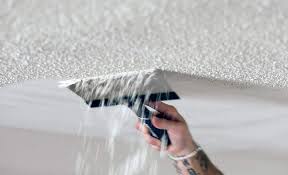
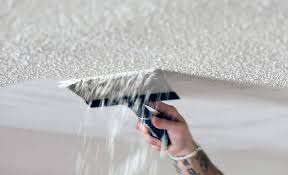
Understanding the Cost to Remove Popcorn Ceiling Per Sq Ft
Ready to transform your home? Discover the true cost to remove popcorn ceiling per sq ft and elevate your space with a smooth, modern finish! In Western Massachusetts, we charge around $3.00 per sq ft for a whole house that isn't painted and able to scrape. If it's painted, the price is $4.75-$6.00 per sq ft, including repairs and painting.
Why Remove Popcorn Ceilings?
Popcorn ceilings, also known as acoustic or stipple ceilings, were a popular design choice in homes built from the 1950s to the 1980s. They were favored for their noise-reducing qualities and ability to hide imperfections. However, what was once trendy has now become an eyesore for many homeowners. The textured surface tends to collect dust and cobwebs, making it difficult to clean and maintain. Additionally, if your home was built before the 1980s, there's a possibility that the popcorn ceiling contains asbestos, a hazardous material that poses significant health risks if disturbed.
Removing popcorn ceilings can dramatically improve the aesthetic appeal of your home. A smooth, modern ceiling can make your space appear larger and more up-to-date, potentially increasing your property’s value. Moreover, a flat ceiling is easier to paint and maintain, offering a cleaner look that complements contemporary interior designs. The transformation doesn't just stop at aesthetics; it can also improve lighting. Smooth ceilings reflect light better than textured ones, making rooms appear brighter and more inviting.
Finally, there is the peace of mind that comes with removing potential hazards. If your popcorn ceiling does contain asbestos, its removal will eliminate any risk associated with the material. Even if asbestos is not present, getting rid of the old texture reduces the likelihood of mold and mildew growth, ensuring a healthier living environment. All these factors combined make the removal of popcorn ceilings a worthwhile investment for any homeowner looking to modernize their living space.
Factors Influencing Removal Costs
Several factors influence the cost of removing popcorn ceilings, which can vary widely depending on the specifics of the project. One of the primary considerations is the size of the area to be addressed. Naturally, larger rooms or multiple rooms will require more time and materials, thereby increasing the overall cost. Additionally, the height of the ceilings can impact the price. Higher ceilings mean more labor-intensive work, often necessitating ladders or scaffolding, which could add to the expense.
Another significant factor is the presence of asbestos. If your home was built before the 1980s, it's crucial to have the ceiling tested for asbestos before attempting any removal. Asbestos removal is a specialized process that requires professional intervention and can substantially increase the cost due to the necessary safety precautions and disposal methods. In some cases, homeowners may need to vacate the premises during the removal process to avoid exposure to hazardous materials.
The condition of the existing ceiling also plays a role in cost determination. If the ceiling has been painted over, it can complicate the removal process, making it more labor-intensive and time-consuming. Additionally, the current state of the ceiling will dictate the amount of repair work needed post-removal. Ceilings with significant damage or underlying issues such as water stains or cracks will require more extensive repairs, adding to the overall cost. Understanding these variables can help you better estimate the financial commitment involved in removing your popcorn ceiling.
Average Cost Per Square Foot
The cost to remove a popcorn ceiling can vary, but on average, homeowners can expect to pay between $2 and $4.00 per square foot. This estimate includes labor, materials, and disposal of the old texture. However, this is just a baseline, and the actual cost can fluctuate based on the factors previously mentioned. For example, in areas with a higher cost of living, you might find that contractors charge more for their services. Conversely, in regions where labor is less expensive, the cost might be lower.
If asbestos is present, the cost can skyrocket to anywhere between $10 and $15 per square foot. This increase is due to the specialized procedures required for safe asbestos removal, including containment, protective gear, and proper disposal. The presence of asbestos also means that you will almost certainly need to hire professionals, as DIY removal is not recommended and often illegal in such cases. Therefore, having your ceiling tested before starting the project can help you avoid unexpected costs and ensure that you comply with safety regulations.
Another aspect to consider is the cost of additional repairs and finishing touches. Once the popcorn texture is removed, the ceiling may need to be sanded, patched, and primed before painting. These additional steps can add $1 to $3 per square foot to your total cost. It's also worth noting that if you're planning to install new lighting fixtures or other ceiling features, these modifications can affect the overall price. Keeping these potential expenses in mind can help you budget more accurately for your popcorn ceiling removal project.
DIY vs. Professional Removal: Pros and Cons
Deciding whether to tackle popcorn ceiling removal as a DIY project or to hire professionals involves weighing several pros and cons. One of the most significant advantages of DIY removal is cost savings. By doing the work yourself, you can avoid labor charges, which can make up a substantial portion of the total cost. Additionally, DIY projects allow you to work at your own pace and on your own schedule, providing a sense of control and accomplishment.
However, DIY removal comes with its own set of challenges. The process can be messy and physically demanding, requiring you to spend hours scraping the ceiling and dealing with debris. Moreover, if your ceiling contains asbestos, attempting to remove it yourself poses serious health risks and could be illegal. Even if asbestos is not a concern, improper removal techniques can damage the underlying ceiling, leading to costly repairs. Therefore, it's crucial to thoroughly research the process and ensure you have the necessary skills and equipment before embarking on a DIY project.
On the other hand, hiring professionals offers several advantages. Experienced contractors have the expertise and tools to complete the job efficiently and with minimal disruption to your home. They can also handle any unexpected issues that may arise, such as hidden damage or the presence of asbestos. While professional removal is more expensive, it provides peace of mind knowing the job is done correctly and safely. Additionally, many contractors offer warranties or guarantees on their work, offering added protection for your investment. Ultimately, the decision between DIY and professional removal will depend on your budget, skills, and comfort level with the project.
Tools and Materials Needed for Removal
Whether you decide to tackle the removal yourself or hire professionals, understanding the tools and materials involved can help you better prepare for the project. The most essential tool for popcorn ceiling removal is a good quality scraper, preferably one with a long handle to reduce strain on your arms and back. A wide blade, typically around 6 to 10 inches, will allow you to cover more surface area with each pass, making the process more efficient.
You will also need a spray bottle or garden sprayer filled with water to moisten the ceiling. Dampening the popcorn texture helps to loosen it, making it easier to scrape off. Be sure to cover your floors and furniture with plastic sheeting or drop cloths to protect them from debris and water damage. Additionally, having a ladder or scaffold is crucial for reaching higher areas safely. For personal protection, wear safety goggles, a dust mask, and gloves to shield yourself from dust and potential irritants.
Beyond the basics, other tools and materials can aid in the process. A putty knife is useful for detailed work around edges and corners. Sandpaper or a sanding pole will help smooth out any remaining imperfections once the texture is removed. If your ceiling has been painted over, a paint stripper or chemical solution may be necessary to break down the layers of paint. Finally, you will need joint compound and a trowel for patching any holes or cracks, as well as primer and paint to finish the job. Having all these tools and materials on hand will ensure a smoother and more efficient removal process.
Step-by-Step Guide to Removing Popcorn Ceilings
Embarking on a popcorn ceiling removal project can seem daunting, but breaking it down into manageable steps can make the process more straightforward. Start by preparing the room. Remove all furniture or cover it with plastic sheeting to protect it from debris. Lay drop cloths on the floor to catch falling material and tape plastic sheeting along the walls to shield them from water and dust. Don’t forget to turn off the power to any ceiling fixtures and remove them to avoid electrical hazards.
Next, test a small section of the ceiling by spraying it with water and letting it soak for about 10 to 15 minutes. If the texture scrapes off easily, you can proceed with the removal. Use a spray bottle or garden sprayer to dampen a 4x4-foot section of the ceiling. Be careful not to over-saturate the area, as excessive moisture can damage the drywall underneath. Once the texture is damp, use a wide-blade scraper to gently remove it, working in small sections to avoid gouging the ceiling.
After removing the texture, inspect the ceiling for any damage. Use joint compound to patch holes, cracks, or any imperfections. Once the compound dries, sand the patches smooth with fine-grit sandpaper. Clean the ceiling thoroughly to remove any dust and debris before applying a coat of primer. Finally, paint the ceiling with a flat or matte finish to achieve a smooth, modern look. Taking the time to follow these steps carefully will ensure a successful and satisfying transformation of your space.
Post-Removal: Repairing and Painting the Ceiling
Once the popcorn texture is removed, the next crucial step is repairing and painting the ceiling. This phase is vital for achieving a polished, professional look and ensuring the longevity of your new ceiling. Start by inspecting the ceiling thoroughly for any damage or imperfections that may have been hidden by the popcorn texture. Common issues include small holes, cracks, or uneven patches. Use joint compound to fill these areas, applying it with a trowel or putty knife and smoothing it out to blend with the surrounding surface.
After the joint compound has dried, usually within 24 hours, sand the repaired areas with fine-grit sandpaper to create a smooth, even surface. Be sure to wear a dust mask and goggles during this step to protect yourself from inhaling dust particles. Once sanding is complete, clean the ceiling with a damp cloth or vacuum equipped with a brush attachment to remove any remaining dust and debris. A clean surface is essential for proper primer and paint adhesion.
Before painting, apply a coat of primer to the entire ceiling. Primer helps to seal the surface, providing a uniform base for the paint and enhancing its durability and coverage. Choose a high-quality primer that is compatible with your ceiling material and the type of paint you plan to use. Once the primer has dried, apply at least two coats of paint, allowing each coat to dry thoroughly before applying the next. A flat or matte finish is often recommended for ceilings as it helps to hide any minor imperfections and provides a clean, modern look. Taking these steps will ensure a beautifully finished ceiling that enhances the overall aesthetic of your home.
Frequently Asked Questions about Popcorn Ceiling Removal
Is it safe to remove popcorn ceilings myself?
Removing popcorn ceilings yourself can be safe if you take the necessary precautions and your ceiling does not contain asbestos. If your home was built before the 1980s, it is crucial to have the ceiling tested for asbestos before attempting removal. Asbestos is a hazardous material that poses significant health risks when disturbed. If asbestos is present, professional removal is strongly recommended. For non-asbestos ceilings, wearing protective gear such as a dust mask, goggles, and gloves, and following proper removal techniques can help ensure your safety.
How can I test my ceiling for asbestos?
To test your ceiling for asbestos, you can purchase an asbestos testing kit from a hardware store or online retailer. The kit will include instructions for safely collecting a small sample of the ceiling material, which you will then send to a certified laboratory for analysis. Alternatively, you can hire a professional asbestos inspector to conduct the testing for you. Professional testing may be more expensive, but it provides peace of mind knowing the results are accurate and reliable.
How long does it take to remove a popcorn ceiling?
The time required to remove a popcorn ceiling depends on several factors, including the size of the room, the height of the ceiling, and the condition of the texture. On average, a small to medium-sized room can take one to two days for removal, including preparation and cleanup. Larger rooms or multiple rooms may take several days to complete. If the ceiling has been painted over or contains asbestos, the process can take longer due to the additional steps and precautions required.
Conclusion and Final Thoughts
Removing a popcorn ceiling is a transformative project that can significantly enhance the appearance and value of your home. While the process can be labor-intensive and potentially hazardous if asbestos is present, the results are well worth the effort. By understanding the factors that influence removal costs, you can better budget for the project and make informed decisions about whether to tackle it yourself or hire professionals. Having the right tools and materials on hand and following a step-by-step guide can help ensure a successful and satisfying outcome.
Post-removal, taking the time to properly repair and paint the ceiling will provide a polished, professional finish that enhances the overall aesthetic of your space. The investment in removing a popcorn ceiling not only improves your home's appearance but also contributes to a healthier living environment by eliminating potential hazards and making maintenance easier. Whether you choose to do it yourself or enlist the help of professionals, the effort to modernize your ceilings will pay off in the long run, providing a fresh, clean look that you and your family can enjoy for years to come.
Home | Contact | Offices | Faq | Service Area | Blog | Drywall Finishing | Drywall Taping | Drywall Repair | Plaster Repair | Ceiling Repair | Wall Repair | Drywall Installation | Drywall Hanging | Popcorn Ceiling Repair | Hole in Ceiling | Fix Hole In The Wall | Interior Painting | Knockdown Texture | Water Damage Repair | Drywall Bathroom | Drywall Ceiling | Soundboard | Drywall Patch | Ice Dam Roof Leak | Drywall over Plaster | Drywall Over Popcorn | Skim Coat Level 5 | Popcorn Texture Removal | Drywall Finish Levels | | Refund Policy | Privacy Policy | Terms and Conditions


600 East Main St Chicopee, MA, 01020
203 Circuit Ave n39, West Springfield, MA 01089