
The Ultimate Guide to Stucco Ceiling Paint
Revitalize your home with our ultimate guide to stucco ceiling paint. Discover tips and techniques to transform your space effortlessly!
POPCORN TEXTUREPAINTING
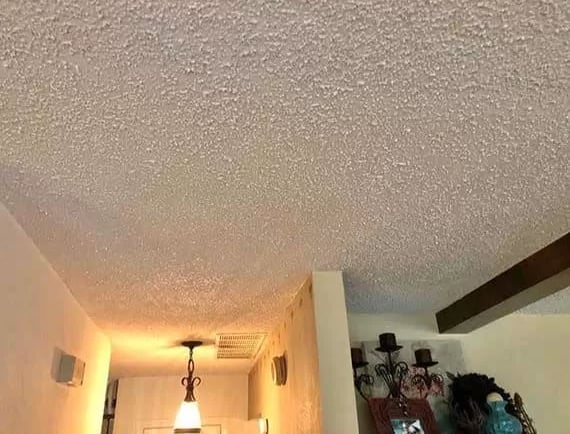
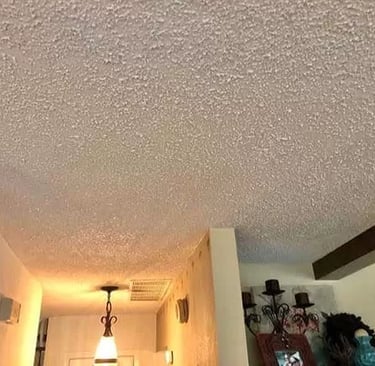
Transform Your Space: The Ultimate Guide to Stucco Ceiling Paint
Revitalize your home with our ultimate guide to stucco ceiling paint. Discover tips and techniques to transform your space effortlessly!
Understanding Stucco Ceilings: What You Need to Know
Stucco ceilings, often referred to as "popcorn ceilings," have been a staple in home design for decades. Originally popularized in the mid-20th century, these textured ceilings were a go-to for builders due to their ability to hide imperfections and their ease of application. The rough, bumpy texture not only camouflages flaws but also provides acoustic benefits, helping to dampen sound within a room. However, despite these advantages, stucco ceilings can often look dated, which leads many homeowners to consider a fresh coat of paint.
Before diving into the painting process, it is crucial to understand the composition of your stucco ceiling. Traditional stucco is made from a mixture of cement, sand, and lime, which gives it its characteristic texture. However, ceilings from the late 20th century may also include asbestos, a hazardous material. If your home was built before the 1980s, it is essential to have a professional test a small sample of your ceiling for asbestos before you proceed. If asbestos is present, professional remediation is necessary to ensure safety.
Another consideration is the current condition of your stucco ceiling. Over time, these ceilings can develop cracks, stains, and other signs of wear and tear. Proper preparation, including cleaning and repairing any damage, is key to achieving a smooth and long-lasting finish. Understanding the nuances of your stucco ceiling will set the foundation for a successful painting project.
Benefits of Painting Stucco Ceilings
Painting your stucco ceiling offers numerous advantages that go beyond mere aesthetics. One of the primary benefits is the revitalization of your living space. A fresh coat of paint can transform a room, making it feel more modern and inviting. This is particularly important if you're looking to update the overall look of your home without undergoing a full renovation. Painting is a cost-effective way to breathe new life into your space.
Another significant benefit is the enhancement of the ceiling's durability. High-quality paint can provide a protective layer that shields the stucco from moisture, stains, and other environmental factors. This is especially crucial in areas like kitchens and bathrooms, where humidity levels can be high. By painting your stucco ceiling, you are essentially adding an extra layer of protection that can help prolong its lifespan.
Additionally, painting your stucco ceiling can improve the overall air quality in your home. Over time, stucco ceilings can accumulate dust, allergens, and other particulate matter. A fresh coat of paint can seal in these particles, reducing the likelihood of them becoming airborne. This is particularly beneficial for individuals with allergies or respiratory conditions. By addressing both aesthetic and functional concerns, painting your stucco ceiling can significantly enhance your living environment.
Choosing the Right Paint for Stucco Ceilings
Selecting the appropriate paint for your stucco ceiling is crucial for achieving a professional-looking finish. The unique texture of stucco requires a paint that can adhere well and provide even coverage. One of the best options is an acrylic latex paint, which is known for its durability and ease of application. Acrylic latex paint dries quickly, resists mildew, and offers excellent adhesion, making it an ideal choice for stucco ceilings.
When choosing the sheen, flat or matte finishes are generally recommended for stucco ceilings. These finishes help to minimize the appearance of imperfections and provide a smooth, even look. Glossy or semi-gloss finishes, on the other hand, can highlight the texture and any flaws, which may not be desirable for all homeowners. Additionally, flat finishes are less likely to reflect light, which can help to create a more cohesive and visually appealing ceiling.
Color selection is another important consideration. While white is a classic choice that can brighten a room and create a sense of spaciousness, don't be afraid to explore other hues. Light pastel colors can add a subtle touch of personality without overwhelming the space. For a more dramatic effect, consider deeper shades that complement your overall decor. Ultimately, the right paint choice will depend on your specific needs and aesthetic preferences.
Essential Tools and Materials for Painting
Embarking on a stucco ceiling painting project requires the right tools and materials to ensure a smooth and efficient process. One of the most important items is a high-quality paint roller with a thick nap. The thick nap is essential for reaching into the crevices of the stucco texture, providing even coverage. Additionally, an extension pole for your roller can make it easier to reach high ceilings without the need for a ladder, ensuring a safer and more comfortable experience.
Painter's tape is another essential tool that helps to protect your walls, light fixtures, and any other areas you don't want to paint. Using painter's tape ensures clean lines and a professional finish. Drop cloths or plastic sheeting are also necessary to protect your floors and furniture from paint splatters. Investing in high-quality drop cloths can save you time and effort during the cleanup process.
Other essential materials include a paint tray, a sturdy ladder, and a high-quality brush for cutting in around edges and corners. For ceilings with significant imperfections or stains, a stain-blocking primer may be necessary to achieve an even finish. Additionally, having a damp cloth or sponge on hand for quick cleanups can be helpful. With the right tools and materials, you'll be well-equipped to tackle your stucco ceiling painting project with confidence.
Step-by-Step Guide to Painting Your Stucco Ceiling
Painting a stucco ceiling may seem daunting, but with the right approach, you can achieve professional-looking results. Follow this step-by-step guide to ensure a successful project.
Step 1: Preparation
Start by clearing the room of furniture and covering the floors with drop cloths. Use painter's tape to protect the edges of the ceiling, light fixtures, and any other areas you don't want to paint. If your ceiling has any cracks or imperfections, fill them with a suitable filler and sand them smooth. Clean the ceiling with a damp cloth to remove any dust or debris.
Step 2: Priming
If your ceiling has stains or significant imperfections, apply a stain-blocking primer. Use a paint roller with a thick nap to ensure even coverage. Allow the primer to dry according to the manufacturer's instructions before proceeding to the next step.
Step 3: Painting
Pour your chosen paint into a paint tray and use a high-quality roller with a thick nap to apply the paint. Work in small sections, starting at one corner of the room and moving systematically across the ceiling. Use a brush to cut in around edges and corners. Apply a second coat if necessary, allowing the first coat to dry completely before applying the second.
Step 4: Cleanup
Once the paint is dry, carefully remove the painter's tape and drop cloths. Clean your tools with soap and water, and return any furniture to the room. Enjoy your freshly painted stucco ceiling!
By following these steps, you can achieve a professional-looking finish that revitalizes your space.
Common Mistakes to Avoid When Painting
While painting a stucco ceiling can be a rewarding project, it is important to avoid common mistakes that can compromise the final result. One common mistake is neglecting proper surface preparation. Failing to clean the ceiling or repair imperfections can lead to an uneven finish and poor paint adhesion. Taking the time to prepare the surface thoroughly is crucial for achieving a smooth and long-lasting result.
Another mistake is using the wrong type of paint or tools. Stucco ceilings require paint with excellent adhesion and coverage, such as acrylic latex paint. Using a roller with a thin nap or a brush that is not designed for textured surfaces can result in uneven coverage and a subpar finish. Investing in high-quality tools and materials is essential for a successful project.
Rushing the painting process is another common pitfall. Applying paint too quickly or neglecting to allow sufficient drying time between coats can lead to streaks, drips, and an uneven finish. Patience is key to achieving a professional-looking result. By avoiding these common mistakes, you can ensure a successful and satisfying painting project.
Maintenance Tips for Long-Lasting Results
Once you've successfully painted your stucco ceiling, proper maintenance is key to ensuring long-lasting results. One of the most important aspects of maintenance is regular cleaning. Dust and dirt can accumulate on the textured surface over time, diminishing the fresh appearance of your ceiling. Use a soft-bristle brush or a vacuum with a brush attachment to gently remove dust and debris. For more stubborn stains, a damp cloth with mild soap can be used, but avoid excessive moisture to prevent damage to the paint.
Inspecting your ceiling regularly for signs of wear and tear is another important maintenance tip. Look for any cracks, peeling paint, or stains that may have developed over time. Addressing these issues promptly can prevent further damage and ensure the longevity of your paint job. Small cracks can be filled with a suitable filler and touched up with matching paint. For more significant damage, consider consulting a professional for repairs.
Additionally, maintaining proper humidity levels in your home can help preserve the integrity of your painted stucco ceiling. High humidity levels can lead to moisture buildup, which can cause paint to peel or blister. Using a dehumidifier in areas with high humidity, such as bathrooms and kitchens, can help prevent these issues. By following these maintenance tips, you can keep your stucco ceiling looking fresh and beautiful for years to come.
Creative Ideas for Customizing Your Stucco Ceiling
While a fresh coat of paint can significantly enhance the appearance of your stucco ceiling, there are numerous creative ways to customize it further. One popular trend is adding a subtle metallic sheen to the ceiling. Metallic paint can add a touch of elegance and sophistication, creating a unique focal point in the room. Consider using a metallic glaze over a base color to achieve a subtle and refined look.
Another creative idea is to incorporate stencils or patterns into your ceiling design. Stencils can be used to create intricate designs or geometric patterns, adding visual interest and personality to the space. Choose a stencil that complements your overall decor and use a contrasting paint color for a striking effect. This technique can be particularly effective in smaller rooms or as an accent in larger spaces.
For a truly unique look, consider adding a mural or faux finish to your stucco ceiling. A mural can transform your ceiling into a work of art, while faux finishes can mimic the appearance of materials like marble, wood, or fabric. These techniques require a higher level of skill and may be best left to professional artists, but the results can be stunning and one-of-a-kind. By exploring these creative ideas, you can customize your stucco ceiling to reflect your personal style and enhance the overall aesthetic of your home.
Professional vs. DIY: When to Hire a Painter
Deciding whether to tackle your stucco ceiling painting project yourself or hire a professional can be a challenging decision. There are several factors to consider when making this choice, including your skill level, the complexity of the project, and your available time and resources.
If you have experience with painting and feel confident in your abilities, a DIY approach can be a cost-effective option. Painting your ceiling yourself allows you to have complete control over the process and can be a rewarding experience. However, if you are inexperienced or unsure about your ability to achieve a professional-looking finish, hiring a painter may be the best choice. Professionals have the expertise and tools necessary to ensure a smooth and even application, and they can often complete the project more quickly and efficiently.
The complexity of the project is another important consideration. If your stucco ceiling has significant damage or requires extensive preparation, a professional painter may be better equipped to handle the job. Additionally, if your ceiling contains asbestos, professional remediation is necessary to ensure safety. In these cases, hiring a professional is not only recommended but essential.
Ultimately, the decision to hire a painter or tackle the project yourself will depend on your specific needs and circumstances. By carefully weighing the pros and cons, you can make an informed decision that ensures the best possible outcome for your stucco ceiling painting project.
Conclusion: Elevate Your Space with a Fresh Coat of Paint
Transforming your space with a fresh coat of paint on your stucco ceiling is a powerful way to revitalize your home. By understanding the unique characteristics of stucco ceilings and selecting the right paint and tools, you can achieve professional-looking results that enhance both the aesthetics and functionality of your space. Taking the time to properly prepare the surface, avoid common mistakes, and follow a step-by-step guide ensures a smooth and successful painting process.
Whether you choose to tackle the project yourself or hire a professional, the benefits of painting your stucco ceiling are numerous. From improving air quality and durability to customizing your ceiling with creative ideas, a fresh coat of paint can significantly elevate your living environment. With proper maintenance, your newly painted stucco ceiling will continue to look fresh and beautiful for years to come.
In conclusion, painting your stucco ceiling is a worthwhile investment that can transform your space and enhance your home's overall appeal. By following this ultimate guide, you can approach your painting project with confidence and achieve stunning results that breathe new life into your home.
Home | Contact | Offices | Faq | Service Area | Blog | Drywall Finishing | Drywall Taping | Drywall Repair | Plaster Repair | Ceiling Repair | Wall Repair | Drywall Installation | Drywall Hanging | Popcorn Ceiling Repair | Hole in Ceiling | Fix Hole In The Wall | Interior Painting | Knockdown Texture | Water Damage Repair | Drywall Bathroom | Drywall Ceiling | Soundboard | Drywall Patch | Ice Dam Roof Leak | Drywall over Plaster | Drywall Over Popcorn | Skim Coat Level 5 | Popcorn Texture Removal | Drywall Finish Levels | | Refund Policy | Privacy Policy | Terms and Conditions


600 East Main St Chicopee, MA, 01020
203 Circuit Ave n39, West Springfield, MA 01089