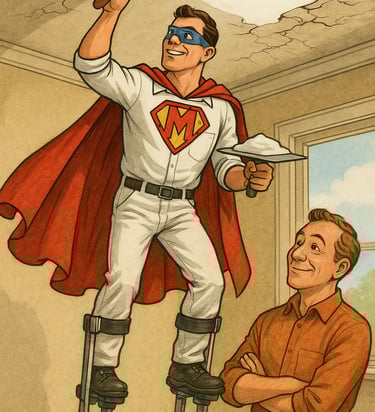
Using Plastic Sheeting for Ceiling Removal
Transform your space efficiently! In this essential guide, we’ll explore how to use plastic sheeting for ceiling removal, ensuring a safe and mess-free process.
POPCORN TEXTURECOMMON QUESTIONS
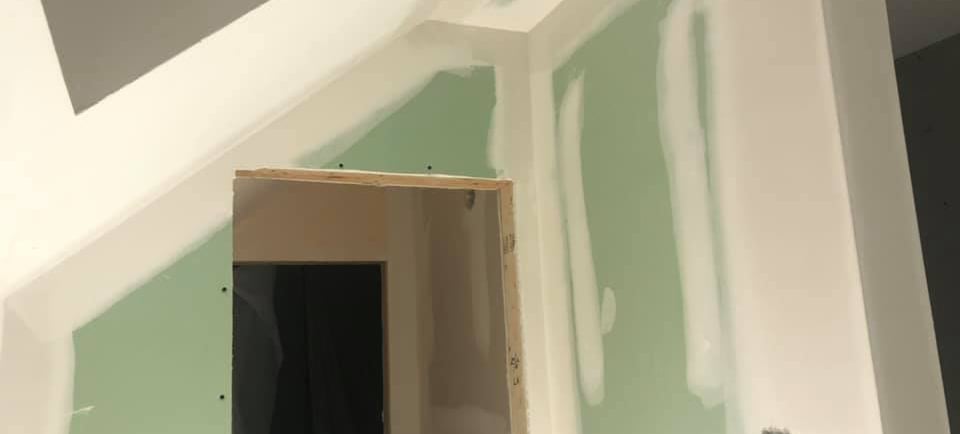
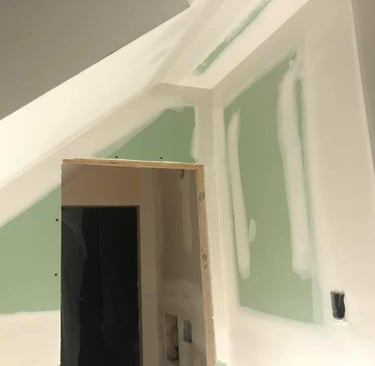
Painters Plastic Sheeting for Masking Floors & Furniture
Prevent a huge mess when doing drywall and painting work. In this guide, we’ll explore how to use plastic sheeting for drywall work including popcorn texture removal, painting, and drywall mudding work. This low cost plastic film will ensure the mess is contained.
Plastic film sheeting is a versatile and essential material when it comes to home renovation projects, particularly for ceiling removal. Its primary advantage is its ability to contain dust and debris, significantly reducing the mess that can spread throughout your home. During ceiling removal, materials such as drywall, insulation, or even plaster can create a substantial amount of dust and particles that can be harmful if inhaled or if they settle on furniture and other surfaces. Plastic sheeting effectively forms a barrier, ensuring that these particles are confined to the workspace where only workers with n95 or respirators are allowed.
Another important reason to use plastic sheeting is to protect your floors, walls, and furniture from damage. Popcorn texture removal is a messy and unpredictable process, with debris falling everywhere. By covering your floors and walls with plastic sheeting, you create a protective layer that prevents damage, dust intrusion, and stains. This not only saves you time and effort in the cleanup process but also helps maintain the integrity of your home's interior.
Plastic sheeting is an affordable and accessible option for homeowners. Available in various film thicknesses and sizes, it can be easily cut to fit any space, making it a flexible solution for different types of projects. Whether you're working on a small room or a larger area, plastic sheeting can be tailored to meet your specific needs, ensuring that your ceiling removal project is both efficient and cost-effective.
Preparing the Workspace for Ceiling Removal
Before beginning your ceiling removal project, it's crucial to prepare the workspace properly to ensure safety and efficiency. Start by removing all furniture, decorations, and other items from the room. This not only protects your belongings from damage but also provides you with a clear and unobstructed area to work in. If it's not possible to remove certain large pieces of furniture, cover them with plastic sheeting or drop cloths to shield them from dust and debris.
Next, take the time to thoroughly clean the workspace. Dust and dirt can interfere with the adhesion of the plastic sheeting to walls and floors, so it's important to vacuum and wipe down surfaces before installation. Pay special attention to corners and edges where dust tends to accumulate. A clean workspace not only helps the plastic sheeting adhere better but also reduces the risk of contaminants affecting your project.
Finally, make sure to turn off the electricity in the room where you'll be working. Ceiling removal often involves dealing with electrical wiring, and it's essential to eliminate any risk of electrical shock. Locate your home's circuit breaker and switch off the power to the area. If you're unsure which breaker controls the room, it's always better to err on the side of caution and turn off the main power supply. Use a voltage tester to confirm that the electricity is off before proceeding with your project.
Tools and Materials Needed
To successfully use plastic sheeting for ceiling removal, you'll need a variety of tools and materials. First and foremost, you'll need plastic sheeting itself. Opt for a heavy-duty, puncture-resistant type, typically measured in mils (thickness). A 6-mil plastic sheeting is generally recommended for ceiling removal projects due to its durability and strength. Make sure to measure your workspace accurately to determine the amount of plastic sheeting required.
You'll also need tape to secure the plastic sheeting in place. Painter's tape or duct tape works well for this purpose. Painter's tape is less likely to damage painted surfaces, while duct tape provides a stronger hold. Additionally, using a staple gun can help secure the plastic sheeting to wooden surfaces, such as ceiling joists or wooden trim. Staples provide extra reinforcement and ensure that the plastic sheeting stays in place throughout the project.
Other essential tools include a utility knife or scissors for cutting the plastic sheeting to size, as well as a ladder or stepladder to reach higher areas. Safety gear is also crucial, including safety goggles, a dust mask or respirator, and gloves. These items protect you from dust, debris, and potential hazards during the ceiling removal process. Having all these tools and materials on hand before you start will make the project smoother and more efficient.
Step-by-Step Guide to Installing Plastic Sheeting
Installing plastic sheeting for ceiling removal is a straightforward process if you follow these steps. Begin by measuring the room's length and width to determine the size of the plastic sheeting needed. Cut the plastic sheeting to size, making sure to leave some extra material on each side to account for any adjustments. It's better to have a little excess than to come up short.
Next, attach the plastic sheeting to the ceiling using your chosen method. If you're using tape, start by securing one edge of the plastic sheeting to the ceiling, making sure it's straight and taut. Work your way around the room, taping the edges of the plastic sheeting to the ceiling and ensuring there are no gaps or sagging areas. If using a staple gun, staple the plastic sheeting to the wooden surfaces of the ceiling, such as joists or trim, for added security.
Once the plastic sheeting is secured to the ceiling, extend it down to cover the walls and floor. Use tape to attach the plastic sheeting to the walls, ensuring a tight seal to prevent dust and debris from escaping. For the floor, overlap the plastic sheeting and secure it with tape or weights to keep it in place. Make sure all seams are sealed and that the plastic sheeting is as tight as possible to create an effective barrier. This thorough installation process will ensure a clean and safe workspace for your ceiling removal project.
Safety Precautions When Removing Ceilings
Safety should always be a top priority when undertaking a ceiling removal project. One of the most important safety precautions is to wear the appropriate protective gear. This includes safety goggles to protect your eyes from dust and debris, a dust mask or respirator to prevent inhalation of harmful particles, and gloves to protect your hands from sharp edges and rough materials. Wearing long sleeves and pants can also help protect your skin from irritation and injury.
It's also essential to ensure proper ventilation in the workspace. Ceiling removal can release dust, mold, and other harmful particles into the air, which can be hazardous if inhaled. Open windows and doors to allow fresh air to circulate, and consider using fans or air purifiers to improve air quality. If the project involves materials that contain asbestos or lead, it's crucial to follow specific safety guidelines and regulations for handling and disposing of these hazardous substances. In such cases, it may be necessary to hire a professional with the appropriate certifications and equipment.
Another important safety measure is to be mindful of electrical wiring and plumbing that may be hidden behind the ceiling. Before starting the removal process, use a stud finder or similar tool to locate any electrical wires or pipes. Mark these areas clearly to avoid accidentally cutting or damaging them. If you're unsure about the location of wiring or plumbing, consult with a professional electrician or plumber to ensure a safe and successful project. Taking these safety precautions seriously will help prevent accidents and ensure a smooth ceiling removal process.
Common Challenges and How to Overcome Them
Ceiling removal projects can present several challenges, but with the right preparation and strategies, these obstacles can be effectively managed. One common challenge is dealing with unexpected structural issues, such as hidden water damage or weakened ceiling joists. To overcome this, thoroughly inspect the ceiling and surrounding areas before starting the project. Look for signs of water stains, sagging, or other damage that may indicate underlying problems. Addressing these issues beforehand can prevent further complications during the removal process.
Another challenge is managing the large amount of dust and debris generated during ceiling removal. Even with plastic sheeting in place, dust can still find its way into other parts of your home. To minimize this, consider using a vacuum with a HEPA filter to capture fine particles as you work. Additionally, regularly clean the workspace and surrounding areas to prevent dust from accumulating and spreading. Keeping a clean and organized workspace can significantly reduce the mess and make the project more manageable.
Finally, dealing with electrical wiring and plumbing can be a daunting task for many homeowners. To overcome this challenge, take the time to familiarize yourself with the layout of your home's electrical and plumbing systems. Use a stud finder to locate wires and pipes, and mark these areas clearly. If you're unsure about how to handle these elements, don't hesitate to consult with a professional. Electricians and plumbers have the expertise and tools to safely navigate these challenges, ensuring that your project proceeds smoothly and without incident.
Disposal of Old Ceiling Materials
Proper disposal of old ceiling materials is an important aspect of any renovation project. Depending on the type of material being removed, there may be specific guidelines and regulations for disposal. For example, old ceiling tiles or drywall may need to be disposed of at a designated construction and demolition debris facility. Before starting your project, research local disposal options and requirements to ensure you comply with all regulations.
If the ceiling material contains hazardous substances such as asbestos or lead, it's crucial to follow specific disposal procedures to protect yourself and the environment. Asbestos, in particular, requires special handling and disposal methods. In many cases, it's best to hire a certified asbestos removal professional who can safely remove and dispose of the material. Lead-containing materials should also be handled with care, and consulting with a professional can help ensure proper disposal.
For non-hazardous materials, consider recycling or repurposing them if possible. Many recycling facilities accept construction materials such as metal, wood, and certain types of drywall. Check with your local recycling center to see what materials they accept and how to prepare them for recycling. Repurposing old materials for other projects or donating them to organizations that can use them is another environmentally-friendly option. Properly disposing of old ceiling materials is not only responsible but also contributes to a cleaner and healthier environment.
Post-Removal Cleanup Tips
Once the ceiling removal is complete, it's time to focus on the post-removal cleanup. Start by carefully removing the plastic sheeting from the ceiling, walls, and floor. Take your time to avoid stirring up dust and debris. Fold the plastic sheeting inward as you remove it to contain any remaining particles. Dispose of the plastic sheeting in accordance with local regulations, especially if it has come into contact with hazardous materials.
Next, thoroughly vacuum the entire workspace using a vacuum with a HEPA filter. This type of vacuum is designed to capture fine particles, ensuring a thorough cleanup. Pay special attention to corners, edges, and any areas where dust and debris may have accumulated. After vacuuming, use a damp cloth or mop to wipe down all surfaces, including walls, floors, and any remaining furniture or fixtures. This will help remove any remaining dust and leave your space clean and ready for the next phase of your renovation project.
Finally, inspect the workspace for any remaining debris or damage. Look for nails, screws, or other sharp objects that may have fallen during the ceiling removal process. Remove these items carefully to prevent injury. If any damage has occurred to the walls, floors, or other surfaces, take the time to repair it before moving on to the next stage of your project. A thorough post-removal cleanup ensures a safe and clean environment, allowing you to proceed with confidence.
Conclusion and Final Thoughts
Removing a ceiling can be a complex and challenging task, but with the right preparation and tools, it can be done efficiently and safely. Plastic sheeting is an invaluable resource in this process, providing protection for your home and helping to contain dust and debris. By following the steps outlined in this guide, you can ensure that your ceiling removal project is both effective and mess-free.
Remember to prioritize safety by wearing the appropriate protective gear and ensuring proper ventilation. Be mindful of potential challenges, such as hidden structural issues or dealing with electrical wiring and plumbing, and don't hesitate to consult with professionals when needed. Proper disposal of old ceiling materials is also crucial, whether through recycling, repurposing, or following specific guidelines for hazardous substances.
Finally, a thorough post-removal cleanup will leave your space ready for the next phase of your renovation project. By taking the time to clean and inspect the workspace, you can ensure a smooth transition to the next steps. With careful planning and execution, your ceiling removal project can transform your space efficiently and effectively, paving the way for a fresh new look in your home.
Home | Contact | Offices | Faq | Service Area | Blog | Drywall Finishing | Drywall Taping | Drywall Repair | Plaster Repair | Ceiling Repair | Wall Repair | Drywall Installation | Drywall Hanging | Popcorn Ceiling Repair | Hole in Ceiling | Fix Hole In The Wall | Interior Painting | Knockdown Texture | Water Damage Repair | Drywall Bathroom | Drywall Ceiling | Soundboard | Drywall Patch | Ice Dam Roof Leak | Drywall over Plaster | Drywall Over Popcorn | Skim Coat Level 5 | Popcorn Texture Removal | Drywall Finish Levels | | Refund Policy | Privacy Policy | Terms and Conditions


600 East Main St Chicopee, MA, 01020
203 Circuit Ave n39, West Springfield, MA 01089