

What causes nail pops in drywall
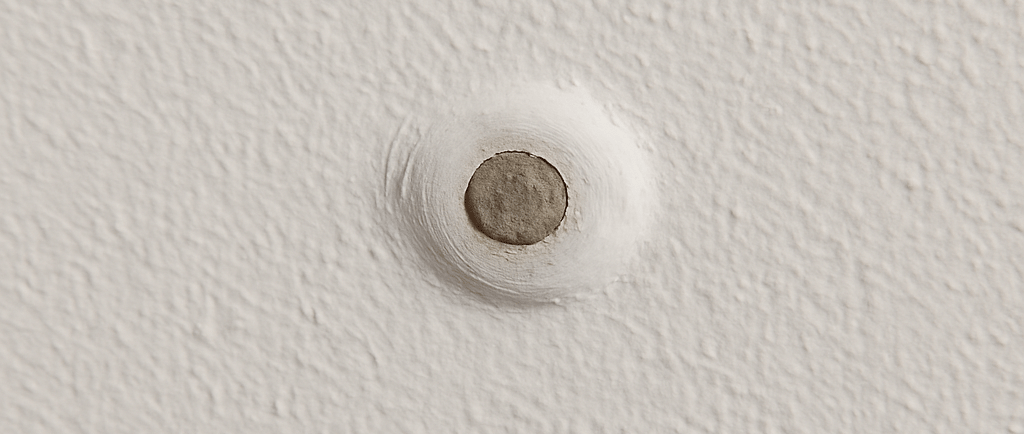
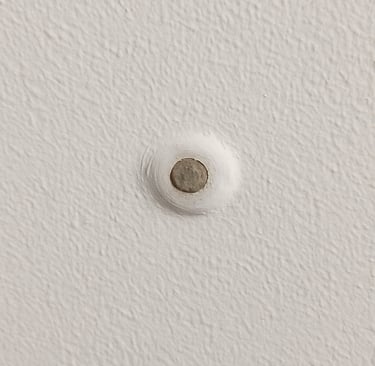
Nail pops usually happen because the wood behind your wall is shrinking. Most houses are built with green lumber. That wood holds a lot of moisture when it's first framed at the job site. As the house heats up and dries out over the first year, the studs pull away from the drywall. The nail stays exactly where it was driven, but the wall moves. Now you have a bump or a small circle of cracked paint staring at you.
NAIL POPSCOMMON QUESTIONS
What causes nail pops in drywall
Nail pops usually happen because the wood behind your wall is shrinking. Most houses are built with green lumber. That wood holds a lot of moisture when it's first framed at the job site. As the house heats up and dries out over the first year, the studs pull away from the drywall. The nail stays exactly where it was driven, but the wall moves. Now you have a bump or a small circle of cracked paint staring at you.
Sometimes it's just a case of sloppy installation. If a stud is twisted or bowed, it creates a small gap between the wood and the sheetrock. When someone pushes on that wall or the house settles naturally, the drywall snaps back against the wood. The fastener head pokes through the joint compound and ruins your finish.
Poor Fastener Choices
You should also check what kind of hardware the builders used. Screws are much better than nails because they have threads to grip the wood. Nails just slide. If the builder used nails that were too long, they're more likely to pop because there is more metal to move as the wood expands and contracts.
Bad spacing is another common culprit. If you put too many fasteners in one spot or put them too close to the edge of a sheet, you're asking for trouble. The drywall needs a little bit of room to breathe without being pinned down too tightly.
Foundation Movement
Your house is essentially a giant sponge that's slowly drying out while sitting on soil that shifts. When the foundation settles or the soil moisture changes, the entire frame of the house adjusts. This movement puts stress on the drywall joints and fasteners. If the stress is high enough, the fastener will eventually win the fight against the mud and tape.
Don't bother fixing these pops as soon as you see them in a brand-new house. If you patch them in the first six months, they'll probably just come back. Wait until the house has gone through a full cycle of seasons. Once the wood has finished its initial shrinking, you can drive a screw near the pop, pull the old nail and patch the hole for good.
If you find you would rather hire a pro for the job. Here at MrWalls Drywall & Painting we are always available to provide a free estimate.
Home | Contact | Offices | Faq | Service Area | Blog | Drywall Finishing | Drywall Taping | Drywall Repair | Plaster Repair | Ceiling Repair | Wall Repair | Drywall Installation | Drywall Hanging | Popcorn Ceiling Repair | Hole in Ceiling | Fix Hole In The Wall | Interior Painting | Knockdown Texture | Water Damage Repair | Drywall Bathroom | Drywall Ceiling | Soundboard | Drywall Patch | Ice Dam Roof Leak | Drywall over Plaster | Drywall Over Popcorn | Skim Coat Level 5 | Popcorn Texture Removal | Drywall Finish Levels | | Refund Policy | Privacy Policy | Terms and Conditions


600 East Main St Chicopee, MA, 01020
203 Circuit Ave n39, West Springfield, MA 01089