When To Skim Coat Drywall
When to skim coat drywall looks at when you should skim coat drywall, and when you should replace it. It makes sense when the surface is too rough to paint as is. It is a thin finish coat that helps smooth out minor damage, old texture, patched areas, and uneven joint work.
SKIM COATINGCOMMON QUESTIONS
When to Skim Coat Drywall
When to skim coat drywall looks at when you should skim coat drywall, and when you should replace it. It makes sense when the surface is too rough to paint as is. It is a thin finish coat that helps smooth out minor damage, old texture, patched areas, and uneven joint work. It is not the right fix for every wall, but in the right situation, it gives you a cleaner surface and a better paint result.
At MrWalls Drywall & Painting, we skim coat drywall when the wall or ceiling needs a fresh, even finish before primer and paint.
What Skim Coating Does
A skim coat is a thin layer of joint compound spread across the drywall surface. It helps fill shallow flaws, reduce visible repairs, and smooth out areas that would stand out under paint or light.
This is different from a basic patch. A patch fixes one damaged spot. A skim coat helps blend and smooth a larger area, or even the whole room. Skim coating can smooth out walls with too many layers of paint, causing an orange peel texture from the paint roller. Skim coating is great after wallpaper removal and for light ceiling textures that can't be scraped off. Many homeowners struggle to skim coat drywall. The easiest method is to loosen up a bucket of joint compound with water and roll it on using a special skim coat drywall roller. Also known as a drywall texturing roller. Wipe the excess mud off with a 10" or 12" pan knife.
When to Skim Coat Drywall
Skim coating is often the right step when:
The drywall finish looks rough or uneven
The old wall texture needs to be covered
A wall has many patches
Joint lines show through the paint
Paint was scraped off with wallpaper
The surface has shallow dents, scratches, or torn paper
The wall was badly sanded or poorly finished before
Light from windows shows every seam and ripple
These are the kinds of problems that make a wall look tired even after fresh paint.
After Wallpaper Removal
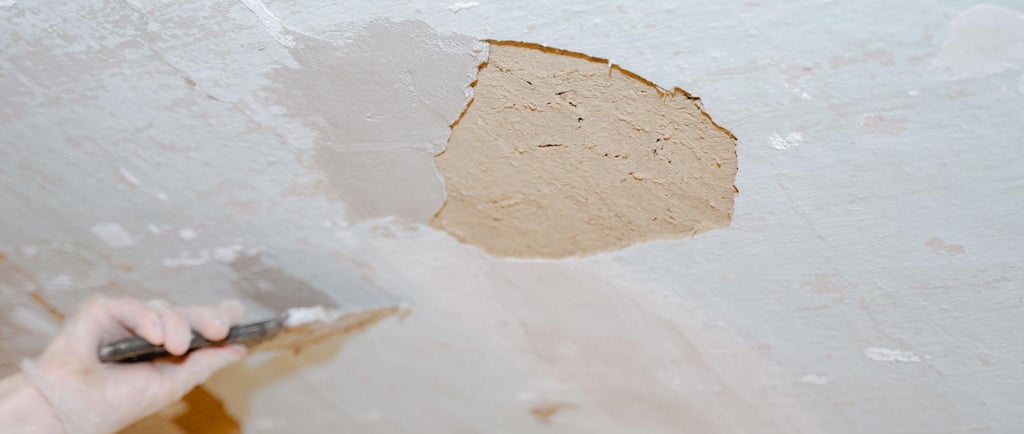
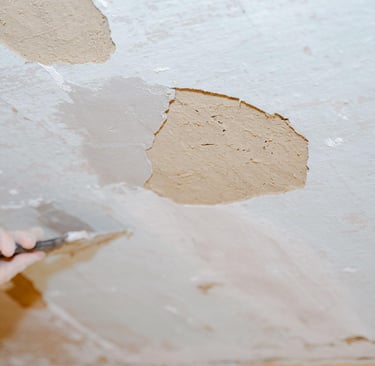
One of the most common times to skim coat drywall is after wallpaper removal. The face paper often tears. Old glue can leave rough areas. Some walls end up gouged or fuzzy after scraping.
Paint does not hide that damage. In many rooms, skim coating is the step that gets the wall back to a flat, paintable surface.
After Texture Removal
If you remove wall texture or scrape a ceiling smooth, the surface underneath often needs work. Old texture can leave ridges, knife marks, uneven patches, and exposed joint lines.
A skim coat helps level those flaws out before primer and paint go on.
Over Bad Drywall Finishing
Some drywall jobs were never finished well in the first place. You may see raised seams, lap marks, rough corners, and patches that flash through the paint. In those cases, another round of spot mudding may not be enough.
A skim coat can save the surface without tearing the drywall out and starting over.
Before Smooth Wall Paint Jobs
Smooth paint finishes show more flaws than textured walls. The flatter and cleaner you want the wall to look, the more surface prep matters.
If you want a smooth, modern finish, skim coating is often worth doing before paint. This is even more true in rooms with strong side light from windows, sliders, or bright fixtures.
When Skim Coating Is Not Enough
Skim coating is for surface problems. It is not a fix for loose drywall, water-damaged board, mold damage, sagging ceilings, major cracks from movement, or broken sections of wall.
If the drywall is soft, swollen, or loose, damaged material needs to come out first. If the framing is moving, that issue needs to be addressed, too.
We check the wall first so you do not waste time coating over a bigger problem.
Walls and Ceilings
Skim coating is used on both walls and ceilings. On ceilings, it often helps after repairs, old texture removal, or years of patchwork. Ceiling skim coating takes more care because the overhead light makes flaws stand out fast.
A ceiling may look acceptable from the floor until fresh paint goes on. Then every seam and patch starts to show.
Why Homeowners Ask for Skim Coating
Most people ask for skim coating because they want the wall to look better after painting. They are tired of seeing old repairs, rough texture, tape lines, or damage from wallpaper and patch jobs.
A better surface gives you a better finish. The paint spreads out more evenly. The room looks cleaner. The repairs blend in better.
What MrWalls Drywall & Painting Looks For
Before we skim coat drywall, we look at the condition of the wall or ceiling, the amount of patching already there, the paint buildup, the lighting in the room, and whether the surface is solid enough to coat.
Some jobs need a full skim coat. Some only need certain walls done. Some need repairs before skim coating starts.
We will tell you what makes sense for the surface you have.
Need Help Deciding When to Skim Coat Drywall
If you are trying to figure out when to skim coat drywall, MrWalls Drywall & Painting can help. We skim coat walls and ceilings after wallpaper removal, texture removal, patchwork, rough finishing, and surface damage. (413)302-0640
Send a few photos or contact us for an estimate. We will look at the surface and tell you if skim coating is the right next step.
Home | Contact | Offices | Faq | Service Area | Blog | Drywall Finishing | Drywall Taping | Drywall Repair | Plaster Repair | Ceiling Repair | Wall Repair | Drywall Installation | Drywall Hanging | Popcorn Ceiling Repair | Hole in Ceiling | Fix Hole In The Wall | Interior Painting | Knockdown Texture | Water Damage Repair | Drywall Bathroom | Drywall Ceiling | Soundboard | Drywall Patch | Ice Dam Roof Leak | Drywall over Plaster | Drywall Over Popcorn | Skim Coat Level 5 | Popcorn Texture Removal | Drywall Finish Levels | | Refund Policy | Privacy Policy | Terms and Conditions


600 East Main St Chicopee, MA, 01020
203 Circuit Ave n39, West Springfield, MA 01089